All Questions
Why Is Precise Particle Size Classification Using Standard Sieves Necessary For Ceramic Water Filters? Control Porosity
Learn how standard sieves control porosity, strength, and flow rates in ceramic water filter production to ensure reliable pathogen removal.
Electroformed Vs. Woven Sieves For Drug Analysis: Why Precision Micromesh Wins For Fine Particles <20Μm
Learn why precision electroformed micromesh sieves offer superior accuracy for characterizing drug powders <20µm compared to standard woven mesh.
What Are The Functions Of Test Sieves & Shakers In Diatomaceous Earth Prep? Master Precision Grading For Adsorbents.
Learn how test sieves and vibratory shakers optimize diatomaceous earth adsorbents by ensuring precise particle grading and uniform adsorption kinetics.
What Is The Purpose Of Using A 40Μm Fine Sieve For Classification And Desliming Prior To Phosphate Reverse Flotation?
Learn how 40μm sieving removes interfering slimes to cut reagent waste and boost P2O5 grade in phosphate reverse flotation processes.
What Is The Function Of A Standard Test Sieve Set In The Particle Size Distribution Analysis Of Lead-Zinc Metallurgical Slag?
Learn how test sieve sets classify lead-zinc slag, determine d50/d80 values, and optimize grinding and mineral recovery for industrial reuse.
What Is The Function Of A 350 Μm Test Sieve In Assessing Flour Particle Fineness And Biological Safety? Expert Guide
Learn how 350 µm test sieves control flour particle size and detect grain pests like weevils to ensure milling precision and food safety compliance.
Why Is Pre-Sieving Soil Samples Through A 2Mm Test Sieve Considered The First Step In Laboratory Standardization? Essential Soil Prep
Understand the role of 2mm sieving in soil standardization: isolating active components, ensuring homogeneity, and protecting lab equipment.
What Is The Function Of Precision Test Sieves In The Process Of Soil Aggregate Analysis? Enhance Research Accuracy
Explore how precision test sieves enable soil aggregate analysis, separating micro/macro-particles to assess soil stability and nutrient retention.
What Is The Primary Purpose Of Using Standard Test Sieves? Optimize Flowability & Consistency In Powder Prep
Learn why standard test sieves are essential for removing agglomerates, improving flowability, and ensuring uniformity in composite powder workflows.
How Do Industrial Standard Sieves Contribute To The Pretreatment Of Alloy Powders? Achieve Superior Sintering Density
Optimize alloy powder pretreatment with industrial sieves. Improve packing density and heat conduction for superior sintering results and density.
Why Is A 100 Μm Standard Sieve Used For Phbh Powder? Ensure Superior Uniformity & Flowability For Sls
Learn why 100 μm sieving is critical for PHBH powder in SLS. Eliminate agglomerates, improve packing density, and ensure high-quality 3D printed parts.
What Is The Purpose Of Using A 1 Mm Standard Sieve During Phbh Powder Preparation? Ensure Stability & Quality
Discover why a 1 mm sieve is vital for PHBH powder preparation: prevent equipment clogging, protect valves, and ensure uniform particle distribution.
What Is The Role Of Standard Test Sieves In Determining The Particle Size Distribution Of River Stone Aggregates? Ensure Superior Grading
Learn how standard test sieves determine river stone size distribution to ensure well-graded aggregates for high-strength, durable concrete results.
What Is The Purpose Of Using A Fine-Aperture Analysis Sieve To Filter Slurry Before Film Casting? Ensure Flawless Films
Learn why filtering slurry with fine-aperture sieves is vital for film casting to remove aggregates, prevent defects, and ensure material homogeneity.
Why Is A No. 200 Standard Sieve Required For Lime And Bla? Optimize Soil Strength & Chemical Reactivity
Learn why a No. 200 sieve is essential for lime and BLA soil stabilization, ensuring 0.075mm fineness for maximum chemical reactivity and density.
What Role Does A 36 Μm Standard Test Sieve Play In Wollastonite Ceramics? Ensure Material Uniformity & Quality
Learn how 36 µm test sieves control wollastonite particle size, eliminate agglomerates, and optimize sintering for high-performance ceramics.
Why Is The Use Of High-Precision Test Sieves Essential For Researching Iron Ore Dephosphorization Efficiency? Maximize Accuracy
Learn how high-precision test sieves optimize iron ore dephosphorization by controlling surface area and improving microbial leaching kinetics.
What Is The Significance Of Using Standard Test Sieves For Measuring The Weight Of Retained Coal Particles? Optimize Psd
Learn why standard test sieves are vital for coal PSD. Improve combustion efficiency, evaluate equipment, and ensure accurate, repeatable results.
What Is The Function Of A 2Mm Standard Test Sieve In The Shatter Index Testing Of Biomass Pellets? Key Durability Insights
Learn why the 2mm test sieve is the critical threshold for measuring biomass pellet durability, ensuring logistics safety, and reducing waste fines.
What Is The Purpose Of Using A 50 Micrometer Standard Sieve? Optimize Solid-State Reaction For Superconductors
Discover how a 50-micrometer sieve improves solid-state diffusion and phase purity in bismuth-based superconductors for superior material synthesis.
What Is The Purpose Of Using Standard Test Sieves After The Ball Milling Of B@Nif2? Key Benefits For Material Stability
Learn why sieving B@NiF2 after ball milling is vital for removing agglomerates, ensuring uniform particle size, and optimizing combustion stability.
What Is The Primary Function Of Test Sieves During The Preparation Of Orange Peel Powder? Ensure Precise Particle Grading
Learn how test sieves grade orange peel powder into precise sizes, optimize tap density, and remove agglomerates for high-performance green fillers.
Why Are Standard Test Sieves Used To Screen Aggregates During The Preparation Of Fly Ash Concrete? Optimize Mix Quality
Learn how standard test sieves optimize aggregate grading for fly ash concrete, ensuring superior density, strength, and ASTM/IS compliance.
What Role Do Laboratory Test Sieves Play In The Nanocrystallization Process Of Iron Powder? Ensure Uniform Refinement
Learn how laboratory test sieves ensure feedstock uniformity and P80 baselines for precise iron powder nanocrystallization and high-energy milling.
What Is The Function Of Standard Test Sieves In Ac-Wc? Ensure Precise Aggregate Gradation & Pavement Durability
Learn how standard test sieves optimize aggregate gradation for AC-WC to ensure maximum packing density, structural stability, and longevity.
What Specific Problem Is Addressed By Using Test Sieves After The Grinding Process Of Nano-Pharmaceuticals? Media Purity
Learn how test sieves remove grinding media from nano-pharmaceuticals to ensure sample purity, protect analysis equipment, and optimize consistency.
Why Is A High-Precision Standard Sieve Necessary For Rha In Ceramics? Achieve Superior Purity And Strength
Learn how high-precision sieves optimize Rice Husk Ash particle size to improve sintering efficiency and structural reliability in ceramic production.
What Is The Purpose Of Using A 250 Μm Standard Test Sieve To Process Sicp/Al Powder? Ensure High-Quality Composites
Discover how 250 µm sieving eliminates agglomerates in SiCp/Al powder to ensure uniform particle distribution and defect-free hot-pressed composites.
Why Are High-Precision Test Sieves Critical For Sma-10 Asphalt? Ensure Stone-On-Stone Interlocking & Durability
High-precision sieves ensure the stone-on-stone interlocking required for SMA-10 asphalt stability, skeletal integrity, and repeatable test results.
Why Is The Use Of Precision Test Sieves Necessary For Sample Preparation Prior To Dry Carbonation? | Boost Efficiency
Learn why precision test sieves are vital for dry carbonation: maximize surface area, speed up kinetics, and ensure reproducible capture results.
How Do Precision Analytical Sieves Ensure The Reliability Of Thermogravimetric Analysis Data For Metal Powders?
Learn how precision analytical sieves enhance TGA data reliability by standardizing particle size distribution and reaction kinetics for metal powders.
What Is The Purpose Of Using A 125 Μm Standard Sieve In The Powder Granulation Process? Optimize Material Consistency
Learn how 125 µm sieves improve powder flowability, packing density, and sintering quality in composite material fabrication and XRD analysis.
Why Use A 150-Micron Test Sieve For Halloysite-Rich Kaolin? Optimize Purity And Mechanical Activation Results.
Learn how 150-micron sieving standardizes halloysite-rich kaolin, removes impurities, and ensures reproducible mechanical activation results.
What Is The Purpose Of Using A 100-Mesh Standard Test Sieve After Drying The Hfb2-Sic Slurry? Ensure Powder Uniformity
Learn why 100-mesh sieving is vital for HfB2-SiC powders to remove agglomerates, ensure uniform packing density, and prevent defects in SPS sintering.
How Do Standard Test Sieves Contribute To The Evaluation Of Catalyst Granularity? Improve Kinetic Accuracy & Stability
Discover how standard test sieves ensure catalyst uniformity to eliminate diffusion variables and optimize reactor dynamics for precise results.
Why Is Wet Sieving With Standard Test Sieves Necessary For Twp Analysis? Ensure Accurate Microplastic Quantification
Learn why wet sieving is essential for TWP analysis to prevent clumping, isolate micro-fractions, and ensure accurate, repeatable lab results.
Why Are High-Precision Test Sieves Utilized During The Pretreatment Of Anthracite Coal Samples? Ensure Astm Compliance.
Discover why high-precision sieving is critical for anthracite coal pretreatment, optimizing flotation kinetics and ensuring analytical accuracy.
Why Is A Standard Test Sieve Used For Grading Sunflower By-Products After The Grinding Process? Optimize Consistency
Discover how standard test sieves ensure particle consistency in sunflower husks to optimize fermentation kinetics and equipment efficiency.
What Is The Role Of A 90-Micron Standard Test Sieve In Modified Concrete? Optimize Bakelite Powder For Max Strength.
Learn how 90-micron test sieves ensure precise particle size distribution and cement fineness in Bakelite-modified concrete for superior strength.
What Is The Purpose Of Using Standard Test Sieves With Specific Mesh Sizes? Optimize Nanocomposite Precursor Performance
Learn why 0.2mm and 0.16mm test sieves are vital for nanocomposite precursors to ensure uniform gas diffusion, surface area, and chemical stability.
What Is The Role Of Standard Test Sieves In Evaluating Cement Fineness? Optimize Quality & Concrete Performance
Learn how standard test sieves evaluate cement fineness to control hydration rates, enhance compressive strength, and optimize grinding efficiency.
What Role Do Standard Test Sieves Play In Biomass Seed Analysis? Master Particle Distribution For Superior Bio-Energy
Learn how standard test sieves grade ground biomass seeds to optimize bio-oil yield, pellet quality, and particle size distribution accuracy.
What Is The Primary Purpose Of Using Standard Test Sieves In Rsa Processing? Enhance Pozzolanic Reactivity & Strength
Learn why standard test sieves are crucial for RSA processing to remove impurities, ensure particle fineness, and improve cement mortar durability.
How Do Standard Metal Sieves Classify Microplastics In Sediments? Ensure Precise & Reliable Research Results
Learn how standard metal sieves isolate microplastics from riverbank sediments through precise mesh apertures and standardized classification.
What Role Does A 100-Mesh Sieve Play In Cordierite Powder Processing? Ensure Uniformity & Sintering Quality
Learn how a 100-mesh test sieve eliminates agglomerates, ensures uniform density, and reduces sintering deformation in cordierite powder processing.
How Are Standard Test Sieves Used To Evaluate Pet Powder? Master Particle Size Analysis For Quality Control
Learn how standard test sieves quantify PET powder size distribution to ensure material uniformity, packing density, and composite strength.
What Is The Function Of Using A Mortar And Test Sieves In The Pretreatment Of Drilling Mud Bentonite Raw Materials? Guide
Learn how mortars and test sieves optimize bentonite pretreatment by increasing surface area and ensuring API-compliant particle size for drilling mud.
Why Use A 0.16 Mm Sieve For Hydroxyapatite? Ensure Precise Adsorption Kinetics & Particle Uniformity
Standardize hydroxyapatite with 0.16 mm sieves for surface area uniformity and accurate adsorption kinetics. Improve your material research results.
How Does Controlling The Sieving Time Affect The Accuracy Of Urea Particle Size Analysis? Ensure Precision & Reliability
Learn why standardizing sieving time is vital for urea particle size analysis to prevent measurement errors, particle attrition, and data bias.
Why Use Iso/Is Metal Wire Woven Test Sieves For Fertilizers? Ensure High-Precision Particle Analysis
Learn why ISO/IS compliant sieves are vital for fertilizer analysis to ensure accurate particle distribution, global consistency, and performance.
How Do Standard Test Sieve Stacks Contribute To The Study Of Physical Characteristics In Basin Sediments? Expert Guide.
Discover how sieve stacks quantify particle size, calculate D50, and infer hydraulic energy in basin sediment studies for accurate research.
Why Is A Set Of Standard Test Sieves Necessary For Mineral Analysis? Master Particle Size Distribution And D80 Accuracy.
Understand the role of standard test sieves in mineral analysis to calculate D80, optimize crushing efficiency, and ensure quality control accuracy.
Why Are Standard Laboratory Test Sieves Used During The Processing Of Geopolymer Concrete Raw Materials? Ensure Purity.
Learn how standard test sieves ensure material purity and precise particle size distribution to optimize geopolymer concrete strength and reactivity.
What Is The Purpose Of Using 0.038 Mm Sieves In Magnetite Grinding? Quantify Kinetics And Boost Grinding Efficiency
Discover the role of 0.038 mm sieves in magnetite grinding: quantifying kinetics, optimizing liberation, and enhancing mineral recovery efficiency.
What Is The Function Of A Standard Analysis Sieve In The Pretreatment Of Wood Sawdust? Achieve Particle Uniformity
Learn how standard analysis sieves optimize wood sawdust pretreatment by ensuring particle uniformity and increasing surface area for extraction.
Why Are Standard Test Sieves Used For Wpc Wood Particle Grading? Optimize Quality And Mechanical Performance.
Improve WPC quality with precise wood particle grading. Learn how test sieves optimize fiber dispersion, aspect ratio, and mechanical strength.
Why Must Test Sieves Be Ultrasonic Cleaned For Hdpe Powders? Ensure Accurate Particle Size Analysis
Learn how ultrasonic cleaning prevents mesh blinding and ensures precise PSD results for HDPE powders by restoring test sieve apertures safely.
What Role Do Standard Laboratory Test Sieves Play In Sawdust Concrete? Optimize Grading For High Structural Integrity
Learn how laboratory test sieves optimize particle size distribution in sawdust concrete to enhance compressive strength, density, and durability.
Why Is A 0.08Mm Standard Sieve Required For Testing The Fineness Of Cement? Optimize Recycled Pervious Concrete Quality
Discover why 0.08mm sieve analysis is vital for cement fineness in recycled aggregate pervious concrete to ensure hydration speed and bond strength.
Why Is It Necessary To Use A 500-Micrometer Laboratory Standard Sieve For Tea Powder? Ensure Purity & Precise Analysis
Learn why 500µm sieving is vital for tea powder, enhancing magnetic separation, analytical accuracy, and sample uniformity for lab processing.
What Is The Purpose Of Using A 200-Mesh Standard Test Sieve For Blood Clam Shell Powder? Optimize Cement Replacement
Learn why a 200-mesh sieve is vital for blood clam shell powder. Achieve 75μm fineness to optimize concrete density and compressive strength.
What Is The Significance Of Using A 300-Mesh Laboratory Test Sieve In Controlling The Particle Size Of Pistachio Shell Powder?
Learn how a 300-mesh sieve ensures sub-53μm pistachio shell powder, preventing 3D printer nozzle clogs and enhancing composite material strength.
Why Are Laboratory Test Sieves Required For Trwp Classification? Precision Enrichment For Micro-Pollutant Analysis
Learn how laboratory test sieves isolate TRWPs (75–150 µm) to enhance analytical sensitivity and protect equipment in road wear research.
How Does The Use Of A 0.2Mm Standard Test Sieve Affect The Results Of Total Sulfur Determination In Coal? Ensure Accuracy
Learn how 0.2mm test sieves optimize coal particle size to ensure complete combustion and precise sulfur determination in analytical laboratory tests.
Why Is It Necessary To Use A Standard Test Sieve For Powder Processing When Preparing Alumina Granules For Pressing? Guide
Learn how standard test sieves eliminate agglomerates and optimize particle size for alumina powder to ensure density and prevent ceramic defects.
What Is The Purpose Of Using Laboratory Filters Or Sieves After Ball Milling Alumina Slurries? - Ensure Slurry Quality
Learn why post-milling filtration is vital for alumina slurries to remove media debris, protect equipment, and prevent ceramic structural defects.
Why Is A Standard 35 Mesh Sieve Required For Adobe Brick Production? Key To Structural Integrity & Crack Prevention
Discover how 35 mesh sieves optimize soil uniformity in Adobe brick production to eliminate structural cracks and maximize compressive strength.
Why Are Precision Stainless Steel Sieves Required For Classification After The Microplastic Grinding Process? Ensure Sample Accuracy.
Learn how precision stainless steel sieves isolate microplastic size fractions to ensure consistent chemical adsorption and repeatable research data.
What Is The Function Of A Laboratory Test Sieve In The River Sediment Sample Preparation Process? Ensure Precise Data
Discover how laboratory test sieves standardize sediment samples, remove impurities, and enhance the accuracy of heavy metal and trace analysis.
What Role Do Standard Test Sieves Play In The Feasibility Assessment Of Lava Stone Powder As A Cement Substitute?
Learn how standard test sieves and vibratory shakers validate lava stone powder for cement substitution by analyzing particle size and fineness.
Why Is A 400-Mesh (38 Μm) Standard Test Sieve Required For Bioactive Glass 3D Printing? Ensure Smooth, Clog-Free Extrusion
Learn how a 400-mesh (38 μm) sieve prevents nozzle clogging and ensures rheological stability in bioactive glass 3D printing for superior scaffolds.
What Is The Purpose Of Using A 50 Μm Fine Nylon Sieve To Filter Ceramic Slurries? Optimize Your Dlp 3D Printing Results
Learn why 50 µm sieving is crucial for ceramic DLP 3D printing to remove agglomerates, protect layer resolution, and prevent sintering defects.
Why Is A Precision Standard Sieve Required For Zta-Mno Powder? Ensure Homogeneity & Defect-Free Ceramic Materials
Discover how precision sieving improves ZTA-MnO powder homogeneity, eliminates agglomerates, and ensures structural integrity in performance ceramics.
How Do Laboratory Test Sieves Contribute To The Analysis Of Soil Texture Composition? Optimize Particle Grading Accuracy
Learn how laboratory test sieves categorize soil particles to determine texture, moisture retention, and structural stability for lab analysis.
Why Use 10-400 Mesh Astm Sieves In Sand Mineralogical Analysis? High-Resolution Grain Size Grading
Understand the role of 10-400 mesh sieves in sand analysis, heavy mineral isolation, and provenance studies. Optimize your grain size grading today.
Why Are High-Precision Standard Test Sieves Used For Particle Size Control In Foaming Agent And Powder Production? (Guide)
Learn how high-precision test sieves optimize particle size for foaming agents and powders to improve stability, flowability, and sensory quality.
What Is The Role Of The Standard Test Sieve In The Preparation Of Raw Materials For Polyurethane Scaffolds? Precision Porosity
Learn how Standard Test Sieves define pore architecture in polyurethane scaffolds by controlling porogen size for optimal cell migration and growth.
What Is The Purpose Of Using A 300-Mesh Test Sieve For Ceramic Powders? Optimize Density & Structural Integrity
Learn how a 300-mesh sieve optimizes high-entropy ceramics by ensuring <50 micron uniformity, removing impurities, and preventing sintering defects.
Why Sieve Organic Additives To 5 Mm For Laterite Composites? Optimize Strength And Insulation
Learn why 5 mm sieving is essential for peanut shells in laterite composites to ensure uniform dispersion, strength, and thermal efficiency.
What Is The Primary Purpose Of Using Standard Test Sieves When Processing Laterite For Geoconcrete Production? Optimize Strength
Learn how standard test sieves control particle size distribution to optimize the density, strength, and thermal performance of geoconcrete bricks.
What Is The Primary Purpose Of A 75 Μm Test Sieve For Class F Fly Ash? Optimize Reactivity And Concrete Strength
Learn how 75 μm precision sieves improve Class F fly ash quality by enhancing reactivity, ensuring consistency, and removing impurities for concrete.
What Is The Function Of A 75Μm Standard Test Sieve In Detecting Fly Ash? Optimize Your Pre-Mixed Mortar Quality
Learn how a 75μm standard test sieve detects fly ash content in pre-mixed mortar through particle size classification for superior material quality.
What Role Do Standard Test Sieves Play In The Manufacturing Process Of Cnf/Pa6 Composite Powders? Ensure Particle Quality
Discover how standard test sieves optimize CNF/PA6 composite powders by ensuring precise particle size, improving flowability, and enhancing 3D printing.
Why Is A 150Μm Standard Test Sieve Utilized During The Processing Of Plantain Leaf Ash? Optimize Pozzolanic Reactivity
Discover how a 150µm test sieve optimizes Plantain Leaf Ash for concrete. Improve surface area, eliminate impurities, and enhance chemical reactivity.
Why Is Precision Sieving To 200/350 Mesh Necessary For Cosb3 Powders? Master Material Homogeneity & Reaction Efficiency.
Ensure chemical homogeneity and reaction efficiency in CoSb3 synthesis with precision 200/350 mesh sieving for high-performance thermoelectrics.
What Is The Purpose Of Using A Precision Test Sieve During The Classification Of Flame Retardant Powders?
Learn how precision sieving ensures flame retardant powder consistency, removes oversized particles, and improves coating uniformity and flowability.
What Is The Primary Purpose Of Using Stainless Steel Laboratory Test Sieves? Standardize Samples For Reliable Analysis
Learn how stainless steel test sieves standardize surface dust samples by removing debris and isolating particle sizes for reproducible analysis.
Why Is A 212Μm Standard Test Sieve Required When Processing Rha And Sbha? Optimize Pozzolanic Reactivity & Strength
Learn why a 212µm sieve is vital for RHA and SBHA processing to maximize pozzolanic reactivity, enhance concrete density, and improve durability.
Why Is A 300 Μm Precision Test Sieve Essential For The Final Purity Of Recovered Medicinal Powder? Ensure High Purity
Discover how 300 μm precision test sieves ensure medicinal powder purity by removing shell fragments and optimizing particle size for drug stability.
How Does An 850 Μm Test Sieve Function During The Primary Separation Phase Of Powder Recovery From Capsules? Guide
Learn how 850 μm test sieves optimize capsule powder recovery by filtering shell debris, preventing mesh blinding, and increasing throughput.
Why Are Precision Stainless Steel Test Sieves Used In The Pretreatment Of Snail Shell Ash? Optimize Co2 Sequestration
Learn how precision stainless steel test sieves optimize snail shell ash particle size to achieve 91.6% CO2 absorption in synthetic aggregates.
Why Is The Selection Of Standard Test Sieve Aperture Ranges Critical? Master Soil Classification & Accuracy
Learn why precise sieve aperture ranges (2–0.002 mm) are vital for soil classification, pollutant risk assessment, and experimental reliability.
Why Is A Standard Test Sieve Used To Screen Modified Iron Mill Scale (Ims) Particles Before Alloy Preparation? Quality Control
Learn how standard test sieves ensure particle size uniformity in IMS for high-performance alloys, improving structural integrity and conductivity.
What Is The Purpose Of Using Standard Test Sieves For Treating Gasification Ash? Optimize Purity And Surface Area
Learn how standard test sieves homogenize gasification ash, remove impurities, and maximize surface area for high-performance adsorbent precursors.
What Is The Role Of Precision Test Sieves In The Particle Size Analysis Of Well-Graded Granular Materials? Key Insights
Learn how precision test sieves analyze particle size distribution (PSD) and optimize packing density for well-graded granular materials.
What Is The Primary Purpose Of Using Standard Industrial Test Sieves When Grading Concrete Aggregates? Ensure Mix Quality
Learn why standard test sieves are vital for aggregate grading. Achieve precise particle classification, optimize cement use, and ensure mix strength.
What Is The Role Of A Laboratory Standard Sieve Set In The Grain Size Analysis Of Subgrade Filler Materials? Guide
Understand how sieve analysis determines grain size distribution, classifies subgrade soils, and ensures engineering compliance for stable road bases.
Why Is A 150Nm Standard Sieve Essential In The Production Of Ultra-Fine Nano-Powders From Calcined Shells?
Learn how 150nm sieving optimizes calcined shell nano-powders by maximizing surface area, chemical reactivity, and structural density in concrete.
What Is The Function Of Precision Test Sieves In Sand Compression Studies? Optimize Research Accuracy & Repeatability
Learn how precision test sieves isolate sand gradations, optimize packing density, and ensure reliable data for material compression research.
Why Are Bar Sieves Utilized To Evaluate Pks Aggregates? Master Flakiness Index For Superior Concrete Performance
Learn how bar sieves measure PKS thickness and Flakiness Index to optimize concrete workability, packing density, and mechanical strength.
Featured Products
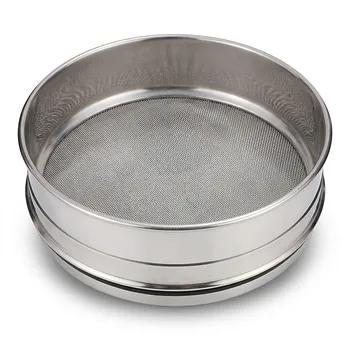
High Precision Laboratory Analysis Test Sieves
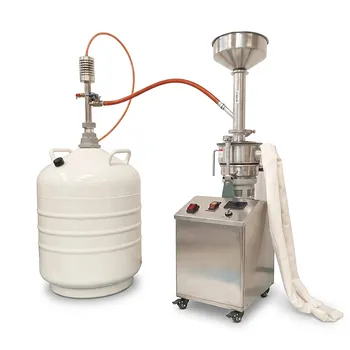
Laboratory Liquid Nitrogen Cryogenic Grinder for Polymer and Elastomer Materials
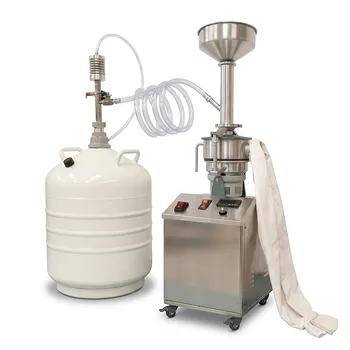
Laboratory Cryogenic Grinder Liquid Nitrogen Low Temperature Ultrafine Grinding
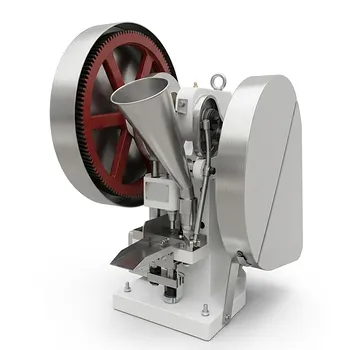
6-Ton Small Single-Punch Tablet Press — Laboratory Powder & Granule Tableting Equipment / Tablet Forming Machine