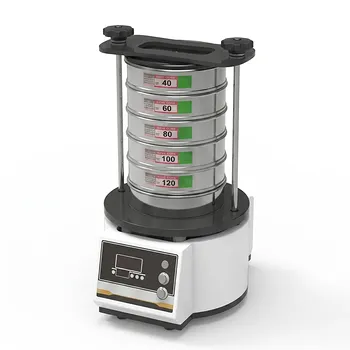
Why is a 150µm standard test sieve utilized during the processing of Plantain Leaf Ash? Optimize Pozzolanic Reactivity
Updated 3 months ago
The utilization of a 150µm standard test sieve is fundamental for optimizing the pozzolanic properties of Plantain Leaf Ash. This specific mesh size ensures the removal of unburnt large particles and impurities, resulting in a fine powder with a high specific surface area. This fineness is essential for the ash to react effectively with calcium hydroxide during concrete hydration, leading to the formation of strength-enhancing compounds.
The 150µm sieve acts as a quality control gate that transforms raw ash into a reactive supplementary cementitious material. By controlling particle size, engineers can guarantee the chemical efficiency and structural integrity of the final concrete matrix.
Particle Size as a Catalyst for Pozzolanic Activity
Optimizing the Specific Surface Area
The primary goal of sieving Plantain Leaf Ash to 150µm is to increase its specific surface area. A higher surface area means more of the ash is exposed and available for chemical interaction at any given time.
This increased exposure is critical because the pozzolanic reaction is a surface-dependent process. Smaller particles provide more "active sites" for the reaction to occur, significantly increasing the material's overall reactivity.
Driving the Chemical Hydration Process
Once the ash is refined, it reacts more thoroughly with calcium hydroxide, a byproduct of cement hydration. This reaction facilitates the formation of calcium silicate hydrate (C-S-H), the primary binding phase in concrete.
The formation of additional C-S-H fills the microscopic pores within the concrete. This process not only increases compressive strength but also reduces permeability, making the concrete more durable over time.
Quality Control and Impurity Management
Eliminating Unburnt Carbon and Large Particles
During the combustion of plantain leaves, it is common for larger organic fragments to remain unburnt. These unburnt large particles and other impurities can act as weak points in a concrete structure if not removed.
Using a 150µm sieve ensures that only the fully processed, mineral-rich ash passes through. This creates a homogeneous material that behaves predictably when mixed with water and cement.
Establishing Uniformity with Cementitious Materials
To achieve a uniform distribution within a concrete matrix, the ash must have a fineness comparable to Portland cement. Cement particles are typically evaluated based on their ability to pass through similar 150-micron standard limits.
Matching the particle size distribution of the ash to the cement allows for a more stable and consistent mix. This prevents "clumping" and ensures that the ash is spread evenly throughout the concrete, providing uniform reinforcement.
Understanding the Trade-offs
While finer ash generally leads to higher reactivity, there are practical limitations to consider. Excessive sieving or grinding increases processing time and energy consumption, which can diminish the cost-effectiveness of using agricultural waste as a cement replacement.
Furthermore, if the ash is sieved to an extreme fineness (significantly below 150µm), it may increase the water demand of the concrete mix. This can lead to workability issues or the need for chemical plasticizers to maintain the desired flow.
How to Apply This to Your Project
Making the Right Choice for Your Goal
- If your primary focus is Maximum Compressive Strength: Ensure that the ash residue on the 150µm sieve is kept well below 10%, as higher fineness directly correlates to more robust C-S-H formation.
- If your primary focus is Durability in Harsh Environments: Use the 150µm sieve to strictly eliminate impurities, as organic residues can decay and create voids that allow moisture and salts to penetrate the concrete.
- If your primary focus is Cost-Effectiveness: Balance the sieving process by using the 150µm standard to remove only the coarsest impurities, accepting a slightly lower reactivity in exchange for reduced processing energy.
By adhering to the 150µm standard, you ensure that Plantain Leaf Ash transitions from a waste product to a high-value engineering material capable of enhancing the performance of modern concrete.
Summary Table:
| Key Function | Benefit | Impact on Concrete |
|---|---|---|
| Particle Size Control | Increases specific surface area | Enhances pozzolanic reaction & C-S-H formation |
| Impurity Removal | Eliminates unburnt carbon & large fragments | Ensures structural integrity & chemical purity |
| Uniformity | Matches Portland cement fineness | Prevents clumping and ensures a stable, consistent mix |
| Quality Control | Establishes a reactivity standard | Guarantees predictable performance in the matrix |
Optimize Your Material Research with Expert Sample Preparation
Achieving the perfect particle size distribution is critical for the success of supplementary cementitious materials. At [Brand Name], we provide complete laboratory sample preparation solutions for material science, specializing in high-precision powder processing and compaction equipment.
Our extensive product line supports every stage of your workflow:
- Sieving & Milling: Ensure 150µm precision with our vibratory/air-jet sieve shakers and refine your materials using planetary ball mills, jet mills, or cryogenic grinders.
- Crushing & Mixing: Prepare raw materials with our jaw/roll crushers and achieve perfect homogeneity with our powder and defoaming mixers.
- Advanced Compaction: Test your concrete or material samples using our full spectrum of hydraulic presses, including Cold/Warm Isostatic Presses (CIP/WIP), hot presses, and vacuum hot presses.
Whether you are a researcher optimizing agricultural waste or a distributor looking for reliable OEM/ODM support, we deliver the tools to enhance your material's chemical efficiency and structural performance.
Ready to elevate your lab's capabilities? Contact us today to discuss your project!
References
- J. I Enem, D. C Ugwuanyi. Effect of Plantain Leaf Ash-Saw Dust Ash Composite on the Compressive Strength of Concrete under Prolonged Curing. DOI: 10.36347/sjet.2022.v10i09.005
Mentioned Products
- 150x250mm Custom Laboratory Jaw Crusher for Coal Ore Mineral Crushing
- Small Laboratory Jaw Crusher 150x200mm Feed Opening for Sample Preparation and Medium Fine Crushing
- Stainless Steel Laboratory Vibratory Test Sieve Shaker
- Laboratory Vibratory Test Sieve Shaker for Precision Particle Size Analysis and Powder Grading
- Small Laboratory Vibrating Sieve Shaker for Precise Particle Size Analysis
People Also Ask
- What is the primary function of a laboratory jaw crusher? Master Initial Hard Rock Ore Preparation & Feed Sizing
- What is the role of a laboratory jaw crusher in the initial preparation of silicate-type low-grade copper ore?
- What is the primary role of a laboratory jaw crusher in the initial stages of tin and tantalum ore reprocessing? Explained
- What is the primary function of a laboratory jaw crusher when processing low-grade copper ore? Expert Guide
- What is the primary function of a laboratory jaw crusher in the pretreatment process of galena ore? Initial Prep Guide

Tech Team · PowderPreparation
Last updated on Jun 03, 2026
Related Products
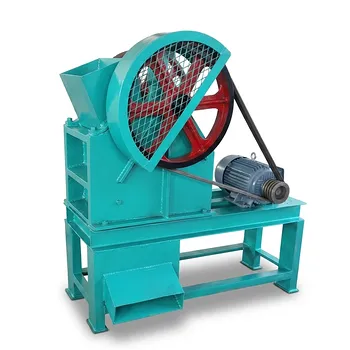
150x250mm Custom Laboratory Jaw Crusher for Coal Ore Mineral Crushing
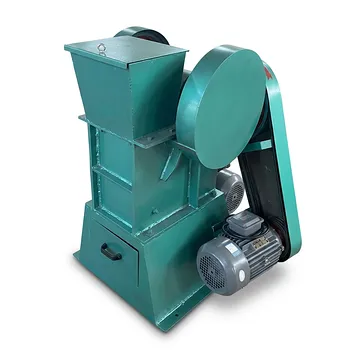
Small Laboratory Jaw Crusher 150x200mm Feed Opening for Sample Preparation and Medium Fine Crushing
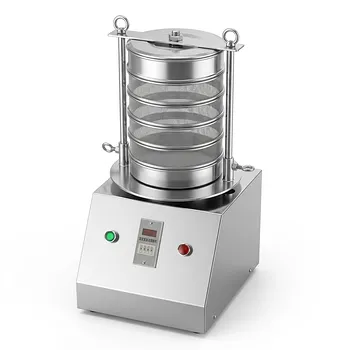
Stainless Steel Laboratory Vibratory Test Sieve Shaker
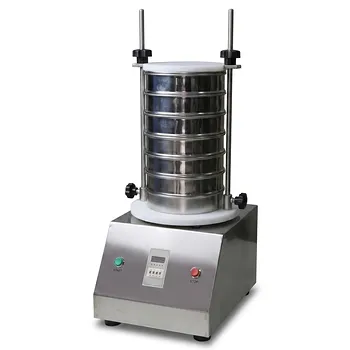
Laboratory Vibratory Test Sieve Shaker for Precision Particle Size Analysis and Powder Grading
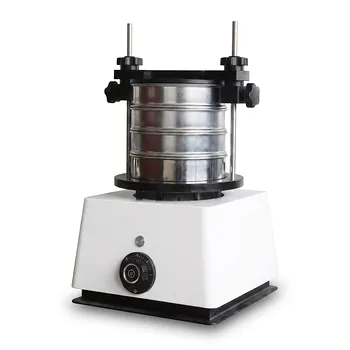
Small Laboratory Vibrating Sieve Shaker for Precise Particle Size Analysis
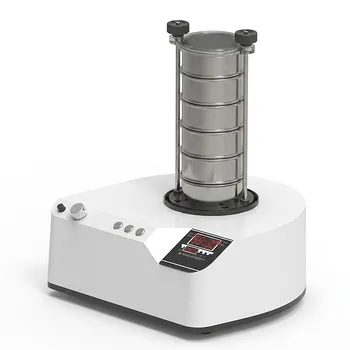
三维电磁微量振动筛分仪
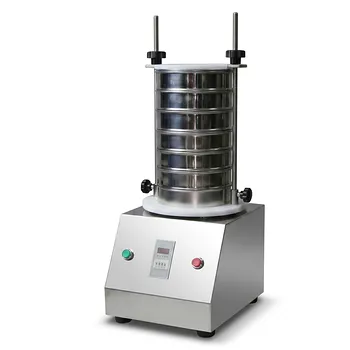
Small Laboratory Vibratory Sieve Shaker for Powder Gradation and Particle Size Analysis
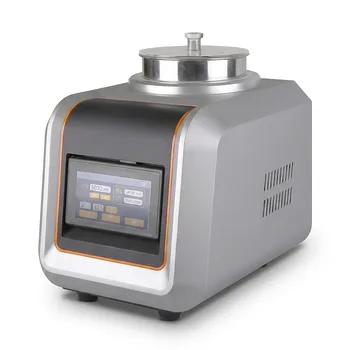
Laboratory Air Jet Sieving Machine for Fine Powder Particle Size Analysis and Deagglomeration
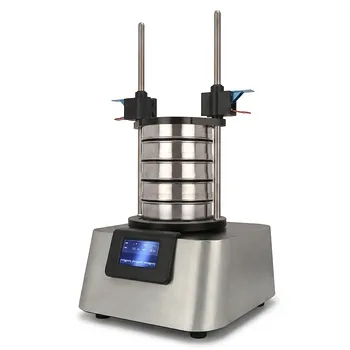
Vibratory Sieve Shaker Electromagnetic 3D Motion Powder Particle Size Analyzer for Dry and Wet Sieving
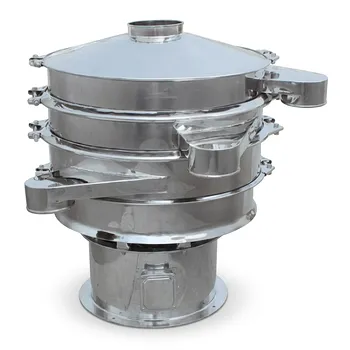
Stainless Steel Rotary Vibrating Sieve High Precision Circular Vibratory Separator Industrial Powder Grading Machine Multi Layer Sifting Equipment
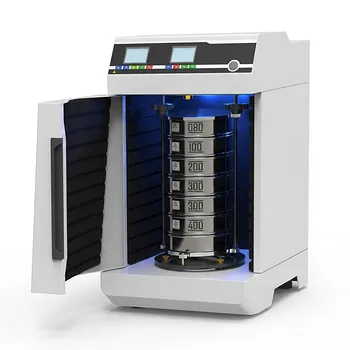
Laboratory Dry and Wet Three Dimensional Vibratory Sieve Shaker for Particle Analysis
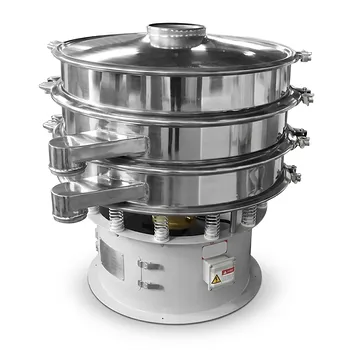
Three Dimensional Rotary Vibrating Sieve
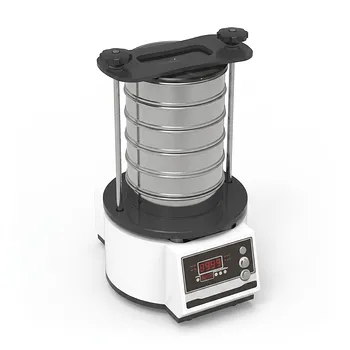
Tapping Oscillating Sieve Shaker for Dry and Wet Particle Size Analysis
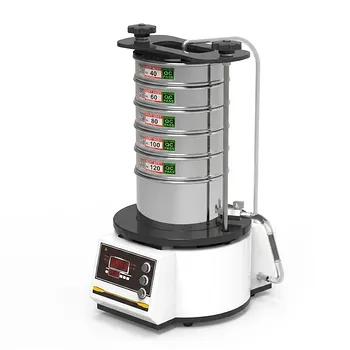
High Frequency Wet Three-Dimensional Vibrating Sieve Shaker for Dry and Wet Particle Size Analysis