How do standard metal sieves classify microplastics in sediments? Ensure Precise & Reliable Research Results
Updated 3 months ago
Standard metal sieves function as mechanical filters that use precisely defined wire mesh apertures to physically isolate microplastics from sediment based on their size. By employing specific mesh sizes—commonly 5 mm and 1 mm—these tools allow researchers to remove large debris and capture microplastics within a standardized target range. This process is the essential first step in transforming a chaotic environmental sample into a categorized dataset suitable for rigorous statistical analysis.
Standard metal sieves provide a standardized, physical method for separating microplastics from riverbank sediments, ensuring data comparability across global studies while effectively removing non-plastic interference.
The Mechanics of Physical Classification
Defining Size Boundaries with Mesh Apertures
Standard test sieves utilize precisely woven metal wire mesh to act as physical size boundaries. These apertures allow smaller particles to pass through while retaining any solids larger than the specific mesh size, creating a clear distinction between particle categories.
Multi-Stage Sorting for Targeted Recovery
In microplastic research, sieves are typically used in a series to perform multi-stage sorting. For example, a 5 mm sieve is used to rapidly remove large plastic debris and gravel, while a secondary 1 mm sieve retains the specific microplastic particles required for the study.
Mechanical Vibration and Sample Decomposition
Using a continuous series of mesh specifications (ranging from 25 mm down to 0.075 mm) allows researchers to decompose complex natural sediment into specific categories. This mechanical separation, often aided by vibration, prepares the sample for more refined micron-level testing.
Standardization and Interference Reduction
Ensuring Research Comparability
The use of standard sieves is a prerequisite for standardized statistical analysis. By defining a strict size window for microplastics, researchers ensure that their results are technically comparable across different geographic locations and research studies.
Eliminating Matrix Impurities
Riverbank sediments often contain macro-organisms, large organic debris, and gravel that can interfere with laboratory measurements. Sieving isolates the "fine earth" fraction, removing these impurities and providing a scientific basis for evaluating the true particle size distribution of the sample.
Reducing Interference in Identification
By separating microplastics from extremely fine silt and large debris, sieves significantly reduce analytical interference. This isolation simplifies the subsequent identification steps, such as filtration, digestion, and microscopic examination.
Integration with Laboratory Workflows
Supporting Wet and Dry Sieving Techniques
Metal sieves are versatile enough to handle both dry sediment classification and wet sieving within density separation liquids. In wet processes, they are used to intercept suspected plastic particles suspended in the supernatant, allowing for efficient recovery from large volumes of solution.
Calculating Geomorphological Metrics
The data gathered from sieve classification is used to calculate critical parameters such as the Mean Particle Size (MPS) and the median particle diameter (D50). These metrics offer direct insights into the hydraulic energy of the river and the degree of human-induced disturbance on the riverbed.
Understanding the Trade-offs
The Challenge of Particle Shape
Sieve classification is based on the smallest dimension of a particle, which can lead to inaccuracies with fibers. Long, thin microplastic fibers may pass vertically through a mesh that would otherwise retain a spherical particle of the same volume.
Mesh Blinding and Maintenance
Fine meshes are susceptible to "blinding," where particles become lodged in the openings and block further separation. Over time, mechanical wear or aggressive cleaning can slightly alter aperture sizes, necessitating regular calibration to maintain metrological accuracy.
Potential for Cross-Contamination
Because metal sieves are reused across multiple samples, they represent a potential source of cross-contamination. Rigorous cleaning protocols, such as ultrasonic bathing, are required to ensure that microplastics from a previous sample do not skew the results of the current analysis.
Making the Right Choice for Your Project
- If your primary focus is standardized monitoring: Utilize a 5 mm and 1 mm sieve set to ensure your data aligns with international microplastic reporting standards.
- If your primary focus is geomorphological impact: Employ a full gradient of sieves (from 0.063 mm to 2 mm) to calculate sorting coefficients and skewness of the riverbed sediment.
- If your primary focus is high-purity identification: Use wet sieving in conjunction with density separation to isolate particles from organic-rich supernatants before microscopic analysis.
By mastering the physical principles of sieve classification, researchers can ensure their microplastic data is both scientifically robust and environmentally relevant.
Summary Table:
| Feature | Function in Microplastic Analysis | Research Benefit |
|---|---|---|
| Mesh Apertures | Defines physical size boundaries (e.g., 1mm to 5mm) | Ensures global data comparability and standardization. |
| Multi-Stage Sorting | Sequential removal of large debris and fine silt | Increases recovery efficiency of target plastic particles. |
| Matrix Reduction | Isolates the "fine earth" fraction from organic debris | Minimizes analytical interference in microscopic exams. |
| Mechanical Vibration | Decomposes complex natural sediment structures | Provides accurate particle size distribution (MPS/D50). |
Elevate Your Environmental Research with Precision Equipment
Accurate microplastic classification requires high-quality tools that minimize contamination and maximize repeatability. We provide complete laboratory sample preparation solutions tailored for material science and environmental monitoring.
Our specialized range includes:
- Sieve Shakers & Sieves: Vibratory and air-jet shakers with high-precision test sieves for meticulous classification.
- Milling & Grinding: Planetary ball mills, jet mills, and cryogenic grinders for advanced sample decomposition.
- Crushing & Mixing: Jaw/roll crushers and high-performance powder/defoaming mixers.
- Hydraulic Presses: A full spectrum of lab presses, including Cold/Warm Isostatic Presses (CIP/WIP), XRF pellet presses, and vacuum hot presses.
Whether you are analyzing riverbank sediments or developing new materials, our equipment ensures your data is scientifically robust. Contact our experts today to find the perfect solution for your lab!
References
- Yulia A. Frank, Danil S. Vorobiev. Pollution of Beach Sands of the Ob River (Western Siberia) with Microplastics and Persistent Organic Pollutants. DOI: 10.3390/jox14030055
Mentioned Products
- Stainless Steel Rotary Vibrating Sieve High Precision Circular Vibratory Separator Industrial Powder Grading Machine Multi Layer Sifting Equipment
- Stainless Steel Laboratory Vibratory Test Sieve Shaker
- Three Dimensional Rotary Vibrating Sieve
- High Frequency Cabinet Type Three-Dimensional Rotary Vibrating Sieve Shaker for Dry Sieving and Particle Classification
- Laboratory Air Jet Sieving Machine for Fine Powder Particle Size Analysis and Deagglomeration
People Also Ask
- What is the significance of high-precision vibratory sieve machines for SMA? Optimize Aggregate Gradation & Durability
- What is the role of a laboratory-grade high-precision sieve in CPC-PCL? Ensure uniform powder distribution and stability.
- Why is high-precision sieving equipment necessary for aviation-grade composites? Optimize Fiber Strength & Consistency
- What is the function of high-precision vibratory sieve shakers in the analysis of brown rice particle size distribution?
- Why is a high-precision vibratory sieve shaker necessary for wood-polystyrene particles? Maximize composite strength.

Tech Team · PowderPreparation
Last updated on Jun 03, 2026
Related Products
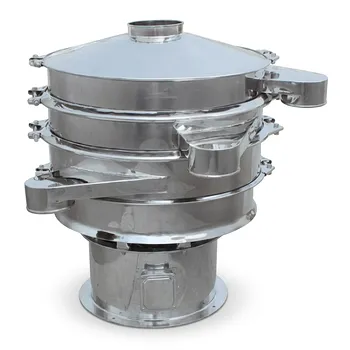
Stainless Steel Rotary Vibrating Sieve High Precision Circular Vibratory Separator Industrial Powder Grading Machine Multi Layer Sifting Equipment
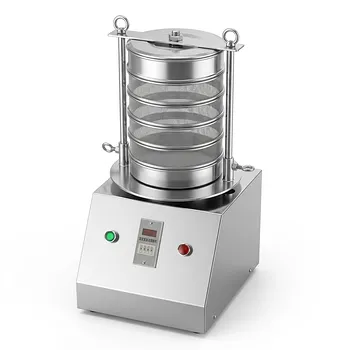
Stainless Steel Laboratory Vibratory Test Sieve Shaker
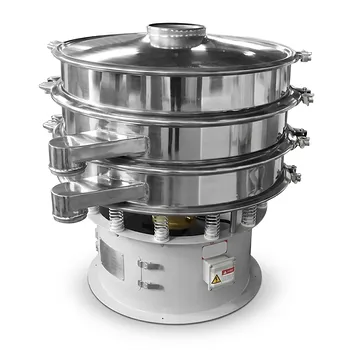
Three Dimensional Rotary Vibrating Sieve
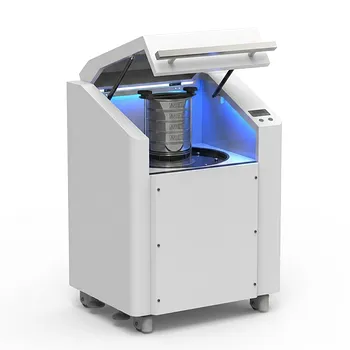
High Frequency Cabinet Type Three-Dimensional Rotary Vibrating Sieve Shaker for Dry Sieving and Particle Classification
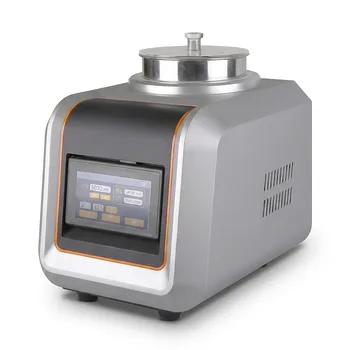
Laboratory Air Jet Sieving Machine for Fine Powder Particle Size Analysis and Deagglomeration
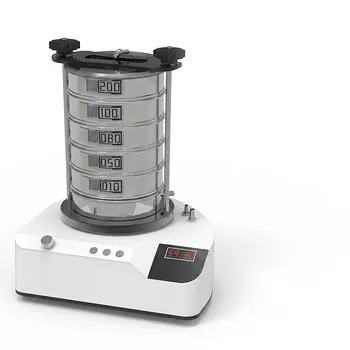
Heavy Duty Dry Three Dimensional Vibratory Sieve Shaker for Particle Separation
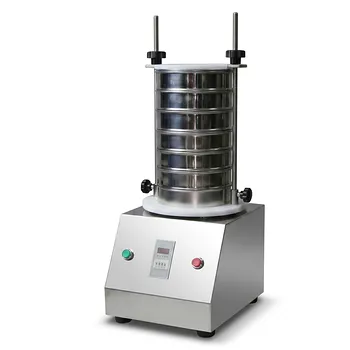
Small Laboratory Vibratory Sieve Shaker for Powder Gradation and Particle Size Analysis
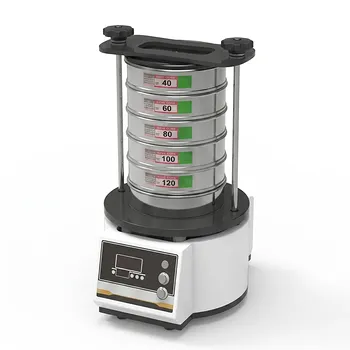
Dry Three Dimensional Vibratory Sieve Shaker
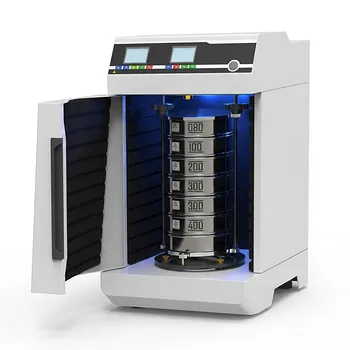
Laboratory Dry and Wet Three Dimensional Vibratory Sieve Shaker for Particle Analysis
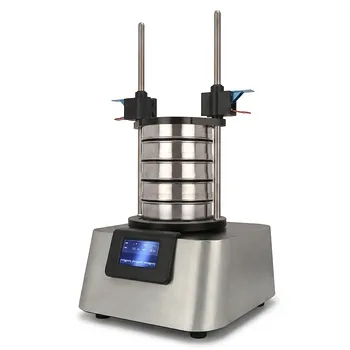
Vibratory Sieve Shaker Electromagnetic 3D Motion Powder Particle Size Analyzer for Dry and Wet Sieving
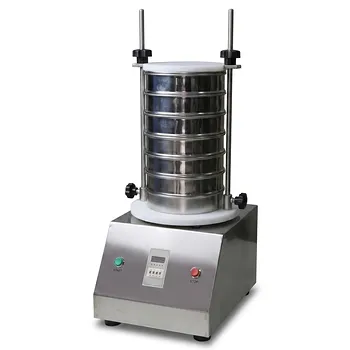
Laboratory Vibratory Test Sieve Shaker for Precision Particle Size Analysis and Powder Grading
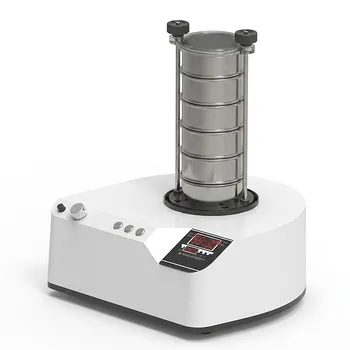
三维电磁微量振动筛分仪