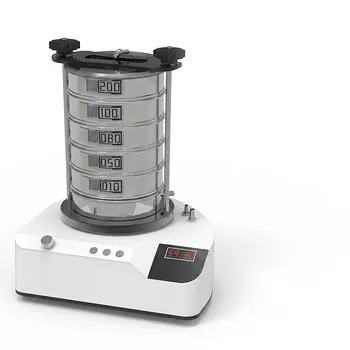
Why use 10-400 mesh ASTM sieves in sand mineralogical analysis? High-Resolution Grain Size Grading
Updated 4 months ago
ASTM standard laboratory sieves ranging from 10 to 400 mesh are used to perform precise grain size grading and to isolate specific mineral fractions. This range allows analysts to capture a complete grain size distribution curve and identify the 120 to 230 mesh window, which is the optimal size for enriching heavy minerals. By isolating these specific grains, geologists can perform accurate microscopic identification to determine the sand's geological source and provenance.
Core Takeaway: The use of 10 to 400 mesh sieves facilitates the high-resolution separation of sand particles, enabling both the physical characterization of the deposit and the concentration of heavy minerals necessary for detailed mineralogical and provenance studies.
The Role of Precision Grading in Mineralogy
Achieving Fine Grain Size Distribution
Utilizing a range from 10 to 400 mesh (approximately 2.0mm to 0.037mm) allows for a granular breakdown of the sand's composition. This wide spectrum ensures that every significant particle size is accounted for, creating a comprehensive profile of the deposit.
Isolating Heavy Mineral Fractions
In laboratory workflows, the fractions retained on the 120 to 230 mesh sieves are of particular importance. These specific sizes are naturally conducive to the enrichment of heavy minerals, making them easier to separate from lighter grains like quartz.
Facilitating Microscopic Identification
Once the heavy minerals are isolated in the 120-230 mesh range, they are at the ideal size for microscopic analysis. This allows researchers to identify specific mineral species that indicate the sand's "provenance," or geological point of origin.
Quantifying Physical and Structural Characteristics
Constructing the Distribution Curve
Standardized sieves are essential for building a grain size distribution curve. This curve provides a quantitative look at whether a sand deposit is well-graded, uniformly graded, or gap-graded, which dictates its industrial utility.
Calculating Grading Coefficients
Data from the 10-400 mesh range is used to calculate the Coefficient of Uniformity (Cu) and the Coefficient of Curvature (Cc). These metrics are vital for assessing how the sand will perform under mechanical stress or within a subgrade.
Assessing Particle Interlocking
The precision of the mesh openings directly impacts the accuracy of interlocking strength assessments between soil particles. Understanding these gradation characteristics helps predict how moisture will fill the pores within the sand deposit.
Understanding the Trade-offs
Precision vs. Sample Loss
While using a wide range of sieves (up to 400 mesh) provides high resolution, it increases the risk of sample loss during the mechanical vibration process. Very fine particles can become trapped in the mesh or lost as dust if the equipment is not properly sealed and calibrated.
Processing Time and Mesh Blinding
The finer the mesh, the higher the likelihood of mesh blinding, where particles become wedged in the openings. This requires frequent cleaning and careful maintenance to ensure that the sieve openings remain accurate to ASTM standards.
Mechanical Stress on Fine Mesh
Sieves at the 400 mesh level are extremely delicate compared to 10 mesh sieves. Over-vibration or improper handling can easily distort the fine wire cloth, leading to inaccurate grading data and expensive replacement costs.
How to Apply This to Your Project
Selecting the Right Approach for Your Goal
To maximize the value of your mineralogical analysis, tailor your sieving process to your specific technical requirements.
- If your primary focus is provenance and source tracking: Prioritize the extraction and cleaning of the 120 to 230 mesh fractions for heavy mineral concentration.
- If your primary focus is engineering and load-bearing: Focus on the entire 10 to 400 mesh range to accurately calculate the Coefficient of Uniformity (Cu).
- If your primary focus is moisture retention and porosity: Use high-precision sieves to determine the gradation characteristic values that influence pore space.
By selecting the appropriate sieve range and focusing on critical fractions, you ensure that your mineralogical analysis is both scientifically rigorous and practically applicable.
Summary Table:
| Feature | Range (Mesh) | Key Mineralogical Purpose |
|---|---|---|
| Full Distribution | 10 – 400 | Building grain size curves and calculating Cu/Cc coefficients. |
| Heavy Mineral Isolation | 120 – 230 | Optimal window for enriching minerals for microscopic identification. |
| Fine Fraction Analysis | < 400 | Assessing particle interlocking, porosity, and moisture retention. |
| Precision Standards | ASTM | Ensures accurate, repeatable results for provenance and engineering. |
Optimize Your Mineralogical Analysis with Precision Equipment
Achieving accurate grain size distribution and isolating heavy minerals for provenance studies requires high-quality tools. We provide complete laboratory sample preparation solutions for material science, specializing in high-precision powder processing and compaction equipment.
Our extensive range includes:
- Sieving Solutions: Vibratory and air-jet sieve shakers with a full selection of ASTM test sieves and meshes.
- Milling & Grinding: Planetary ball mills, jet mills, and cryogenic grinders for ultra-fine particle preparation.
- Sample Compaction: A full spectrum of hydraulic presses, including Cold/Warm Isostatic Presses (CIP/WIP), XRF pellet presses, and vacuum hot presses.
Whether you are analyzing industrial sand deposits or conducting advanced geological research, our equipment ensures the reliability and accuracy your laboratory demands.
Contact us today to enhance your lab's efficiency and precision!
References
- Udayanapillai Alagaiah Venu, Perumal Velmayil. Texture, mineralogy and geochemistry of Teri sediments from the Kuthiraimozhi deposit, Southern Tamilnadu, India: implications on provenance, weathering and palaeoclimate. DOI: 10.1007/s12517-021-06549-x
Mentioned Products
- Laboratory Air Jet Sieving Machine for Fine Powder Particle Size Analysis and Deagglomeration
- Small Laboratory Vibratory Sieve Shaker for Powder Gradation and Particle Size Analysis
- Small Laboratory Vibrating Sieve Shaker for Precise Particle Size Analysis
- Laboratory Dry and Wet Three Dimensional Vibratory Sieve Shaker for Particle Analysis
- Stainless Steel Laboratory Vibratory Test Sieve Shaker
People Also Ask
- What role do laboratory test sieves play in the nanocrystallization process of iron powder? Ensure Uniform Refinement
- What is the function of a laboratory test sieve in the river sediment sample preparation process? Ensure Precise Data
- What is the purpose of using 0.038 mm sieves in magnetite grinding? Quantify Kinetics and Boost Grinding Efficiency
- How do laboratory test sieves contribute to the analysis of soil texture composition? Optimize Particle Grading Accuracy
- Why is a 0.08mm standard sieve required for testing the fineness of cement? Optimize Recycled Pervious Concrete Quality

Tech Team · PowderPreparation
Last updated on Jun 03, 2026
Related Products
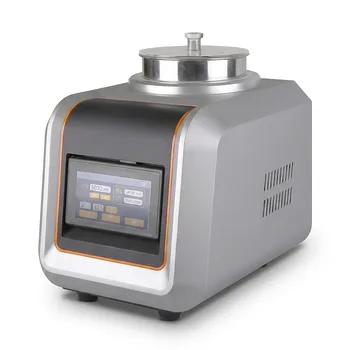
Laboratory Air Jet Sieving Machine for Fine Powder Particle Size Analysis and Deagglomeration

Small Laboratory Vibratory Sieve Shaker for Powder Gradation and Particle Size Analysis

Small Laboratory Vibrating Sieve Shaker for Precise Particle Size Analysis
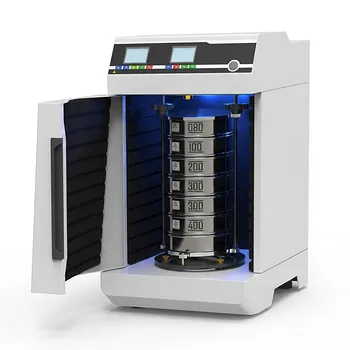
Laboratory Dry and Wet Three Dimensional Vibratory Sieve Shaker for Particle Analysis
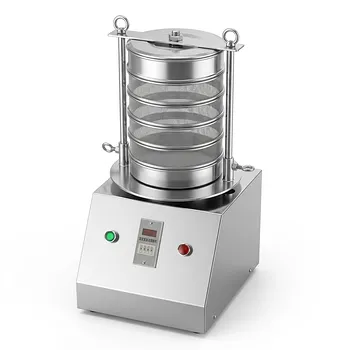
Stainless Steel Laboratory Vibratory Test Sieve Shaker

Laboratory Vibratory Test Sieve Shaker for Precision Particle Size Analysis and Powder Grading
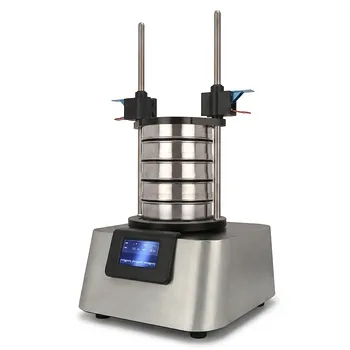
Vibratory Sieve Shaker Electromagnetic 3D Motion Powder Particle Size Analyzer for Dry and Wet Sieving
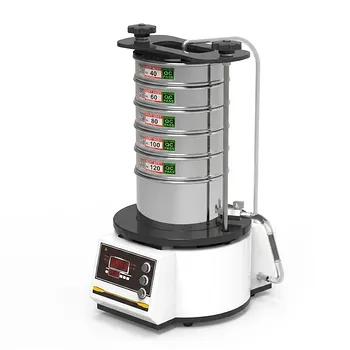
High Frequency Wet Three-Dimensional Vibrating Sieve Shaker for Dry and Wet Particle Size Analysis
Laboratory Small Jaw Crusher 100x60mm
Small High-Speed Laboratory Grinder for Rapid Sample Preparation
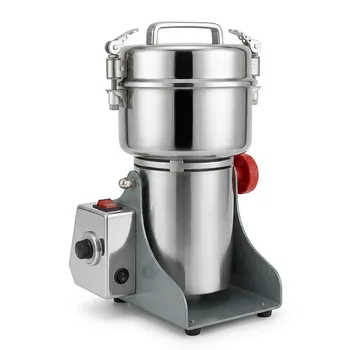
Custom Raised Height Laboratory Jaw Crusher for Precision Sample Preparation in Material Science
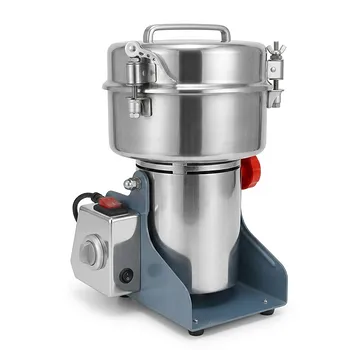
Small High-Speed Grinder for Efficient Laboratory Sample Preparation
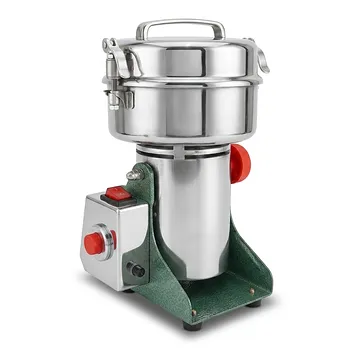
Small High-Speed Laboratory Grinder for Powder Processing
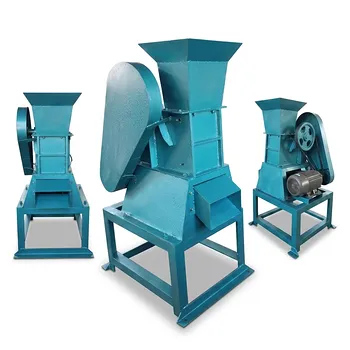
Versatile Industrial Crusher for Laboratory Crushing and Material Processing
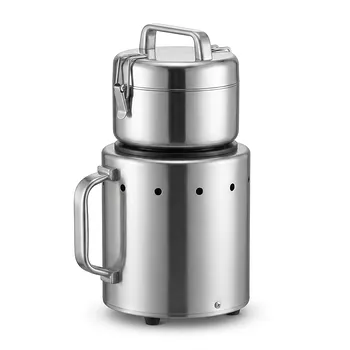
Small High Speed Grinder for Laboratory Sample Preparation
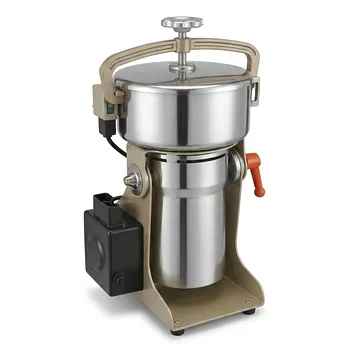
Multifunctional High Efficiency High Speed Laboratory Grinder
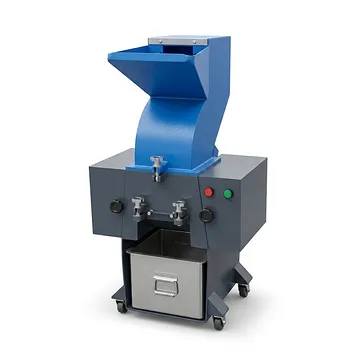
Heavy-Duty Crusher for Laboratory and Industrial Material Size Reduction

Dry Three Dimensional Vibratory Sieve Shaker
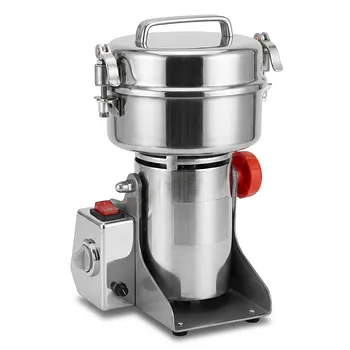
High Speed Laboratory Powder Grinder Small Batch Sample Preparation Mill