What is the purpose of using a precision test sieve during the classification of flame retardant powders?
Updated 3 months ago
Precision test sieving is the fundamental process for ensuring particle size consistency in flame retardant materials. Its primary purpose is to strictly limit the maximum particle size of ball-milled powders, typically ensuring fillers remain below 45 micrometers. By removing oversized particles and aggregates, the sieve guarantees the microscopic uniformity of the flame retardant coating and prevents material defects during application.
The core value of precision sieving lies in its ability to standardize the physical properties of powders, transforming raw ground materials into a predictable industrial component. This standardization is critical for maintaining the chemical efficacy of the flame retardant while ensuring the mechanical integrity and aesthetic quality of the final treated product.
Optimizing Physical and Chemical Performance
Eliminating Oversized Particles and Aggregates
Precision sieves act as the final quality gate to remove oversized particles and lumps that form during ball milling or drying. These large particles can act as structural defects, compromising the microscopic uniformity of the flame retardant layer.
Ensuring that particles remain below a specific threshold, such as 45 micrometers, is essential for preventing particle sedimentation. If particles are too large, they will settle out of the suspension during application, leading to an uneven distribution of the flame retardant.
Enhancing Powder Flowability and Feeding
Standardized particle size distribution significantly improves the powder flowability, which is a prerequisite for continuous industrial processes. In applications like cold spraying or electrostatic coating, consistent flow prevents gun clogging and equipment downtime.
Uniform particles allow for stable powder feeding, which directly impacts the thickness uniformity of the resulting coating. Without precise classification, the powder may bridge or clump, leading to "surges" in the application process that ruin the finish.
The Structural Impact on the End-Product
Preserving Material Hand-Feel and Texture
In the textile industry, the "hand-feel" or tactile stiffness of a treated fabric is a critical quality metric. Removing large particles via precision sieving prevents the treated fabric from becoming excessively stiff or abrasive.
Smaller, uniform particles integrate more smoothly into the fabric matrix without altering the natural drape or softness of the material. This ensures the flame retardant provides protection without sacrificing the aesthetic and ergonomic value of the product.
Improving Packing Density and Energy Absorption
Precise classification ensures that particles pack tightly during the molding or pressing stages, which is vital for the structural reliability of composite materials. High packing density reduces internal defects and voids in the final "green body" or molded part.
During chemical modification or thermal analysis, a uniform particle size distribution ensures consistent energy absorption and fluid penetration. This allows researchers and engineers to maintain precise control over experimental variables and ensures that data remains repeatable and reliable.
Understanding the Trade-offs and Pitfalls
The Risk of Mesh Blinding
While finer sieves provide higher precision, they are more susceptible to mesh blinding, where particles become lodged in the openings. This can lead to a significant decrease in throughput and may require specialized cleaning or ultrasonic assistance to maintain efficiency.
Impact of Environmental Moisture
Flame retardant powders are often sensitive to humidity, which can cause particles to agglomerate even after they have been milled. If the sieving environment is not controlled, the sieve may fail to accurately classify the powder, as small particles will stick together and be discarded as "oversized."
Processing Time vs. Precision
Achieving a very narrow particle size distribution requires longer sieving times and more frequent quality checks. Organizations must balance the technical need for precision with the economic requirement for high-volume production speeds.
How to Apply This to Your Project
Making the Right Choice for Your Goal
- If your primary focus is coating aesthetics and texture: Utilize a precision sieve with a mesh size below 45 micrometers to eliminate any grit and maintain a soft hand-feel in treated fabrics.
- If your primary focus is process stability and equipment longevity: Focus on removing large aggregates (125 micrometers or larger) to prevent gun clogging and ensure consistent flow during electrostatic spraying.
- If your primary focus is research repeatability and data integrity: Use high-precision sieves to standardize the initial packing density, ensuring that every sample reacts identically during thermal or chemical analysis.
By mastering the classification of flame retardant powders through precision sieving, you ensure that your materials meet the rigorous safety and quality standards required in modern manufacturing.
Summary Table:
| Key Purpose | Impact on Performance | Typical Target |
|---|---|---|
| Oversize Removal | Prevents structural defects and particle sedimentation | < 45 micrometers |
| Flowability | Ensures stable feeding and prevents equipment clogging | Continuous Process |
| Texture Control | Preserves material "hand-feel" and aesthetic softness | Textile Applications |
| Packing Density | Improves structural integrity and research repeatability | Composite Molding |
| Agglomerate Control | Eliminates lumps formed during drying or milling | Quality Assurance |
Elevate Your Powder Quality with Professional Sample Prep Solutions
Precision in particle size classification is the foundation of high-performance flame retardants. At [Company Name], we provide complete laboratory sample preparation solutions tailored for material science. From initial size reduction to high-precision classification and final compaction, our equipment ensures your materials meet the most rigorous industrial standards.
Our Specialized Product Lines Include:
- Crushing & Grinding: Jaw/roll crushers, liquid nitrogen cryogenic grinders, and advanced mills (Planetary, Jet, Sand, Disc, Rotor).
- Precision Classification: Vibratory and Air-Jet sieve shakers with a wide range of test sieves and meshes.
- Mixing & Homogenization: Powder mixers and vacuum defoaming mixers for uniform dispersion.
- Advanced Compaction: A full spectrum of hydraulic presses, including Cold/Warm Isostatic Presses (CIP/WIP), standard lab presses, and Vacuum Hot Presses.
Whether you are a researcher focusing on data integrity or a manufacturer optimizing production flow, our expert team is ready to help you find the perfect equipment configuration.
Contact us today to optimize your powder processing workflow!
References
- Raphael Ferreira dos Santos Baraldi, Carlos Rafael Silva de Oliveira. Bio-Based Flame Retardant for Cotton Fabric Prepared from Eggshell Microparticles, Phytic Acid, and Chitosan: An Eco-Friendly Approach for Dry Use. DOI: 10.3390/pr13092690
Mentioned Products
- Laboratory Vibratory Test Sieve Shaker for Precision Particle Size Analysis and Powder Grading
- Small Laboratory Vibrating Sieve Shaker for Precise Particle Size Analysis
- Stainless Steel Rotary Vibrating Sieve High Precision Circular Vibratory Separator Industrial Powder Grading Machine Multi Layer Sifting Equipment
- 三维电磁微量振动筛分仪
- Custom Raised Height Laboratory Jaw Crusher for Precision Sample Preparation in Material Science
People Also Ask
- What role does a laboratory sieve shaker play in determining PDI? Achieve Precision in Biomass Quality Testing
- What are the functions of sieve shakers for coconut shell powder? Achieve Precise Particle Size & Quality Control.
- What function does a laboratory sieve shaker perform in the PSD analysis of residual soil? Ensure Precise Grading
- What is the role of a laboratory sieve shaker in the preparation of plantain peel adsorbents? Standardize Particle Size
- What is the function of a laboratory vibratory sieve shaker? Enhance Coal Particle Size Distribution (PSD) Analysis

Tech Team · PowderPreparation
Last updated on Jun 03, 2026
Related Products
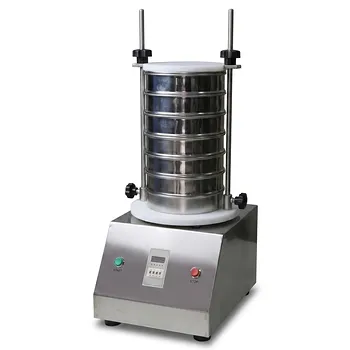
Laboratory Vibratory Test Sieve Shaker for Precision Particle Size Analysis and Powder Grading
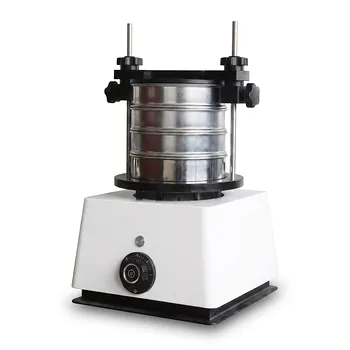
Small Laboratory Vibrating Sieve Shaker for Precise Particle Size Analysis
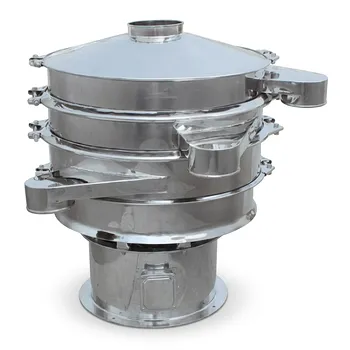
Stainless Steel Rotary Vibrating Sieve High Precision Circular Vibratory Separator Industrial Powder Grading Machine Multi Layer Sifting Equipment
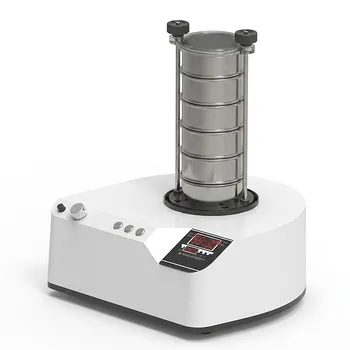
三维电磁微量振动筛分仪
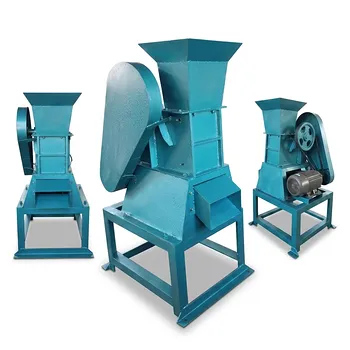
Custom Raised Height Laboratory Jaw Crusher for Precision Sample Preparation in Material Science
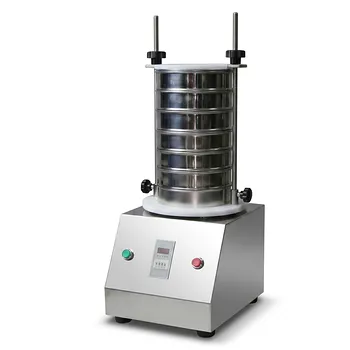
Small Laboratory Vibratory Sieve Shaker for Powder Gradation and Particle Size Analysis
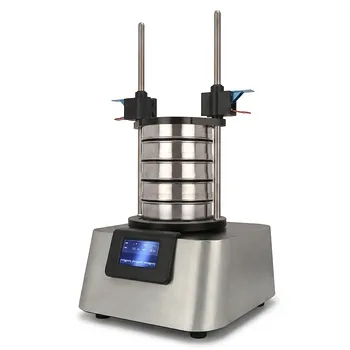
Vibratory Sieve Shaker Electromagnetic 3D Motion Powder Particle Size Analyzer for Dry and Wet Sieving
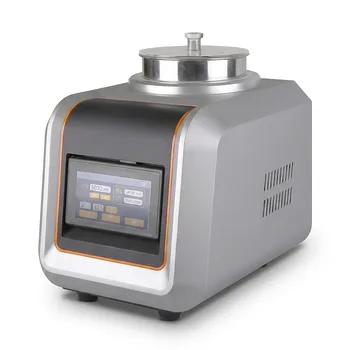
Laboratory Air Jet Sieving Machine for Fine Powder Particle Size Analysis and Deagglomeration
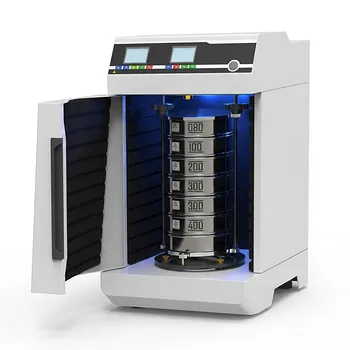
Laboratory Dry and Wet Three Dimensional Vibratory Sieve Shaker for Particle Analysis
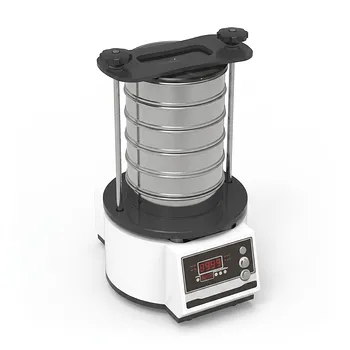
Tapping Oscillating Sieve Shaker for Dry and Wet Particle Size Analysis
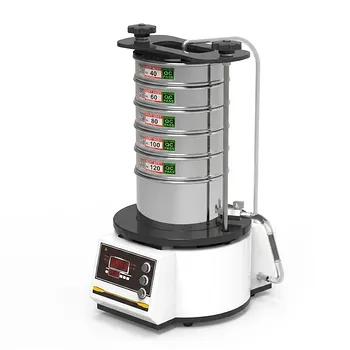
High Frequency Wet Three-Dimensional Vibrating Sieve Shaker for Dry and Wet Particle Size Analysis
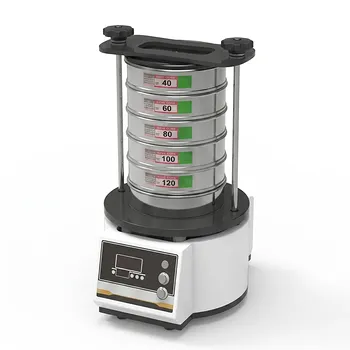
Dry Three Dimensional Vibratory Sieve Shaker
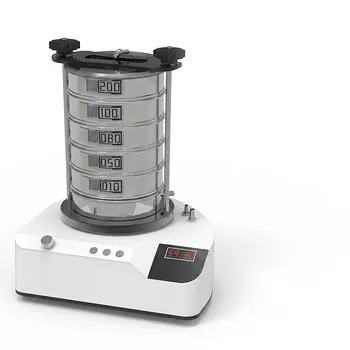
Heavy Duty Dry Three Dimensional Vibratory Sieve Shaker for Particle Separation
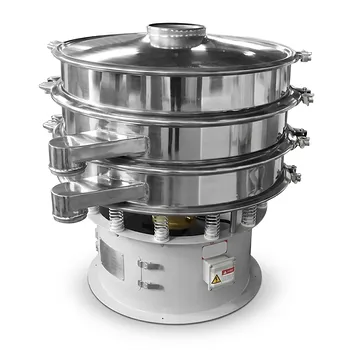
Three Dimensional Rotary Vibrating Sieve
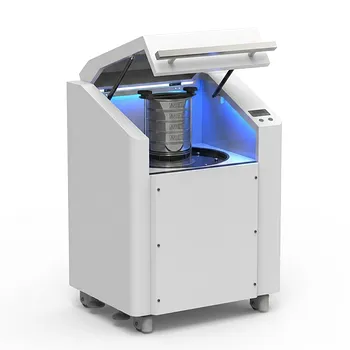
High Frequency Cabinet Type Three-Dimensional Rotary Vibrating Sieve Shaker for Dry Sieving and Particle Classification
Automatic Vibrating Powder Feeder for Laboratory Material Processing Precision Vibratory Hopper Feeder for Granular and Powder Material Handling Industrial Grade Vibrating Tray Feeder for Consistent Material Sample Preparation
Small High-Speed Laboratory Grinder for Rapid Sample Preparation