Why is wet sieving with standard test sieves necessary for TWP analysis? Ensure Accurate Microplastic Quantification
Updated 4 months ago
Wet sieving with standard test sieves is the only reliable method to isolate tire wear particles (TWP) from complex road dust while preventing the "clumping" that occurs in dry samples. This technique allows for the precise classification of particles into specific size fractions—most critically those between 1.6 µm and 500 µm—where tire-related contaminants are most concentrated. By using a liquid medium to wash the sample through standardized mesh, researchers can physically separate target microplastics from interfering stones, grit, and organic debris.
Core Takeaway: Wet sieving is necessary because it overcomes particle agglomeration and adhesion, ensuring that fine tire wear particles are accurately quantified rather than remaining trapped on larger debris or stuck in clusters. This process is vital for protecting analytical instruments and achieving a representative measurement of the particles that pose the highest environmental risk.
Refined Particle Size Classification
Isolating High-Impact Micro-Fractions
Standard test sieves with specific apertures, such as 20 µm and 500 µm, allow researchers to focus on the size ranges with the highest environmental impact. Quantitative analysis targets the 1.6–20 µm range, as these fine particles are more likely to be transported in the environment and ingested by organisms. Wet sieving ensures these tiny particles are successfully flushed through the mesh for collection and analysis.
Distinguishing TWP from Road Debris
Tire-Road Wear Particles (TRWPs) exhibit distinct size distribution characteristics, often concentrating in the 75–150 µm range. In contrast, Asphalt Pavement Wear Particles (APWPs) are distributed across all size segments of road dust. High-quality standard sieves provide the precise size cutting necessary to separate these fractions, revealing the true frequency of tire-specific pollutants.
Overcoming Physical Adhesion and Agglomeration
The Flushing Action Advantage
The primary challenge in dry sieving fine road dust is agglomeration, where moisture or static forces cause fine particles to stick to each other or larger aggregates. The flushing action of water in a wet sieve setup effectively reduces these forces, thoroughly separating fine soil and tire particles from the surfaces of larger stones. This ensures the resulting data reflects the true physical characteristics of the sample.
Ensuring Sample Uniformity
By removing oversized components and coarse agglomerates through physical interception, wet sieving eliminates analysis errors caused by non-uniform particle distribution. This creates a homogenized sample fraction that meets the strict specifications required for downstream laboratory testing. Consistent sample preparation is the foundation of repeatable and objective measurement results.
Protection and Optimization of Analytical Equipment
Safeguarding Downstream Instruments
Road dust often contains heavy grit, stones, and coarse minerals that can damage sensitive laboratory equipment. Wet sieving acts as a preliminary enrichment step, physically removing larger debris to protect instruments like fiber analyzers, calorific value instruments, or mass spectrometers. This protection extends the life of the hardware and prevents mechanical interference during the quantitative phase.
Enhancing Detection Sensitivity
By excluding large gravel and fine fugitive dust that does not contain tire material, researchers achieve preliminary enrichment of the target particles. This concentration of TRWPs increases the sensitivity of subsequent chemical or thermal analyses. Narrowing the sample focus to specific size fractions reduces "background noise," leading to more accurate and reliable data.
Understanding the Trade-offs
Resource Intensity and Complexity
Wet sieving is significantly more labor-intensive than dry sieving and requires a dedicated water management or filtration system. The process involves drying the separated fractions after the sieving is complete, which adds time to the total analytical workflow. If not handled carefully, the use of water can also lead to the loss of highly soluble chemical markers associated with the tire particles.
Potential for Sample Alteration
While the flushing action is beneficial for separation, excessive mechanical agitation or high-pressure water can potentially degrade fragile particles. This could lead to an overestimation of the "fine" fraction if larger particles are artificially broken down during the process. Users must balance the need for thorough cleaning with the necessity of maintaining the structural integrity of the wear particles.
Applying Sieving Standards to Your Analysis
Making the Right Choice for Your Goal
To achieve high-quality quantitative results, the selection of sieve mesh and the sieving duration must be tailored to the specific research objective.
- If your primary focus is environmental toxicity modeling: Utilize a 20 µm sieve to isolate the finest respirable and ingestible fractions that pose the highest biological risk.
- If your primary focus is source attribution in road dust: Use a multi-level stack (e.g., 75 µm to 500 µm) to distinguish between asphalt-heavy fractions and tire-heavy fractions.
- If your primary focus is instrument longevity and throughput: Prioritize a 500 µm pre-filter wet sieve to remove all stones and grit that could clog or damage downstream analytical hardware.
By integrating standardized wet sieving into your protocol, you ensure that your quantitative analysis is built upon a foundation of physical accuracy and scientific rigor.
Summary Table:
| Key Aspect | Benefit for TWP Quantitative Analysis |
|---|---|
| Particle Separation | Isolates critical fractions (1.6–500 µm) by overcoming clumping. |
| Agglomeration Control | Liquid flushing removes static and moisture-induced adhesion in road dust. |
| Equipment Safety | Removes grit and stones to protect downstream mass spectrometers and analyzers. |
| Data Sensitivity | Enriches Tire-Road Wear Particles (TRWPs) and reduces background noise. |
| Result Reliability | Ensures a homogenized sample for repeatable environmental toxicity modeling. |
Optimize Your Material Analysis with Professional Sample Prep
Precise quantitative analysis of tire wear particles requires more than just standard sieves—it requires a foundation of rigorous sample preparation. Our brand provides complete laboratory sample preparation solutions tailored for material science and environmental research.
We specialize in high-performance powder processing and compaction equipment, including:
- Sieving & Classification: Vibratory and air-jet sieve shakers with high-precision test sieves and meshes.
- Milling & Grinding: Planetary ball mills, jet mills, and liquid nitrogen cryogenic grinders for ultrafine particle reduction.
- Crushing: Heavy-duty jaw and roll crushers for initial sample breakdown.
- Compaction & Pressing: A full spectrum of hydraulic presses, including Cold/Warm Isostatic Presses (CIP/WIP), vacuum hot presses, and XRF pellet presses.
Whether you are isolating microplastics from road debris or processing advanced powders, our equipment ensures accuracy, protects your sensitive downstream instruments, and enhances detection sensitivity.
Ready to upgrade your lab's efficiency? Contact our technical experts today to discuss your application!
References
- Elly Lucia Gaggini, Mia Bondelind. Tyre wear particles in a highway stormwater system during rain: quantification by automatic sampling and pyrolysis-GC/MS, and correlations with metals and solids. DOI: 10.1039/d5ew00656b
Mentioned Products
- Laboratory Vibratory Test Sieve Shaker for Precision Particle Size Analysis and Powder Grading
- Small Laboratory Vibrating Sieve Shaker for Precise Particle Size Analysis
- Small Laboratory Vibratory Sieve Shaker for Powder Gradation and Particle Size Analysis
- 三维电磁微量振动筛分仪
- Laboratory Dry and Wet Three Dimensional Vibratory Sieve Shaker for Particle Analysis
People Also Ask
- What role does a laboratory sieve shaker play in determining PDI? Achieve Precision in Biomass Quality Testing
- What are the functions of sieve shakers for coconut shell powder? Achieve Precise Particle Size & Quality Control.
- What function does a laboratory sieve shaker perform in the PSD analysis of residual soil? Ensure Precise Grading
- What is the role of a laboratory sieve shaker in the preparation of plantain peel adsorbents? Standardize Particle Size
- What is the function of a laboratory vibratory sieve shaker? Enhance Coal Particle Size Distribution (PSD) Analysis

Tech Team · PowderPreparation
Last updated on Jun 03, 2026
Related Products
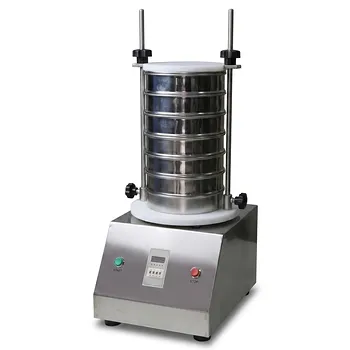
Laboratory Vibratory Test Sieve Shaker for Precision Particle Size Analysis and Powder Grading
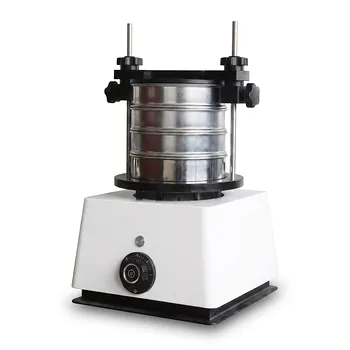
Small Laboratory Vibrating Sieve Shaker for Precise Particle Size Analysis
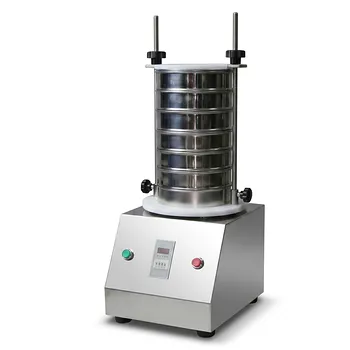
Small Laboratory Vibratory Sieve Shaker for Powder Gradation and Particle Size Analysis
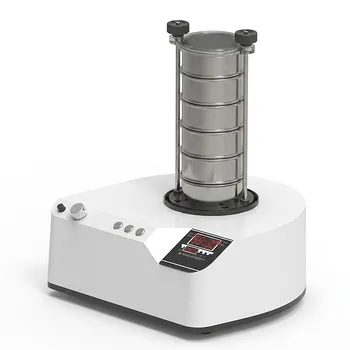
三维电磁微量振动筛分仪
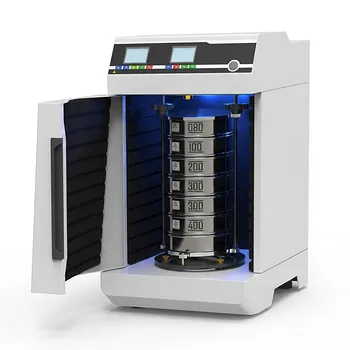
Laboratory Dry and Wet Three Dimensional Vibratory Sieve Shaker for Particle Analysis
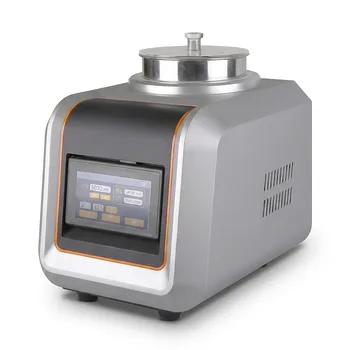
Laboratory Air Jet Sieving Machine for Fine Powder Particle Size Analysis and Deagglomeration
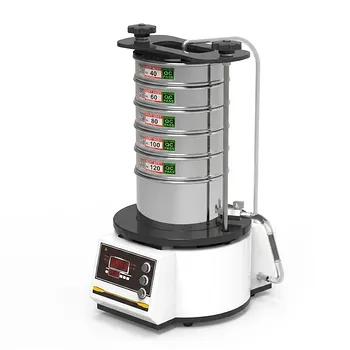
High Frequency Wet Three-Dimensional Vibrating Sieve Shaker for Dry and Wet Particle Size Analysis
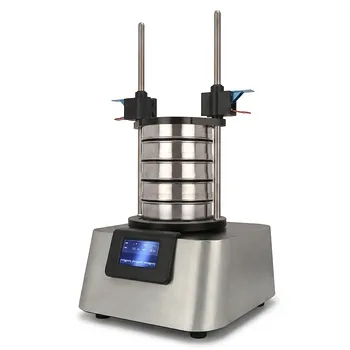
Vibratory Sieve Shaker Electromagnetic 3D Motion Powder Particle Size Analyzer for Dry and Wet Sieving
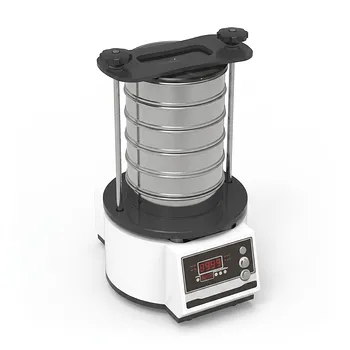
Tapping Oscillating Sieve Shaker for Dry and Wet Particle Size Analysis
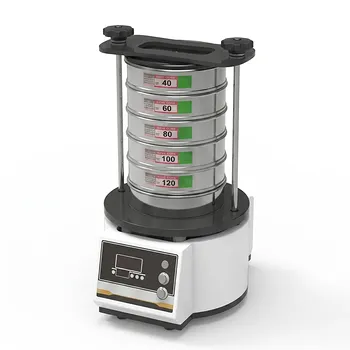
Dry Three Dimensional Vibratory Sieve Shaker
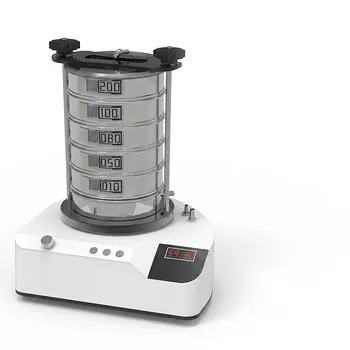
Heavy Duty Dry Three Dimensional Vibratory Sieve Shaker for Particle Separation
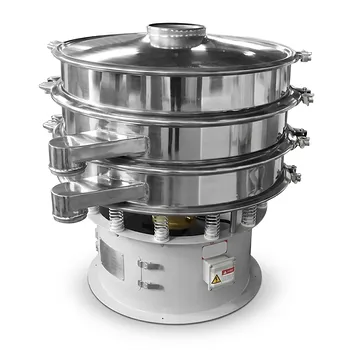
Three Dimensional Rotary Vibrating Sieve
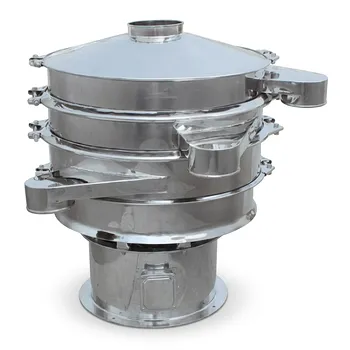
Stainless Steel Rotary Vibrating Sieve High Precision Circular Vibratory Separator Industrial Powder Grading Machine Multi Layer Sifting Equipment
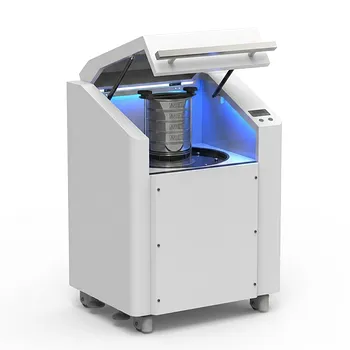
High Frequency Cabinet Type Three-Dimensional Rotary Vibrating Sieve Shaker for Dry Sieving and Particle Classification
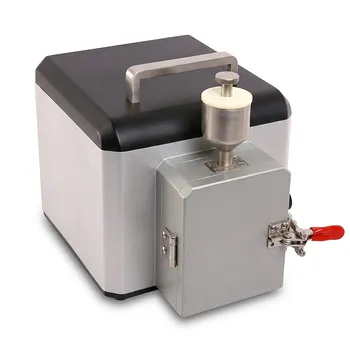
Portable Cutting Mill for Laboratory Sample Preparation and RoHS WEEE Compliance Testing
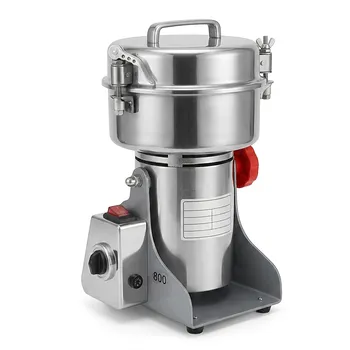
Small High-Speed Laboratory Grinder for Rapid Sample Preparation
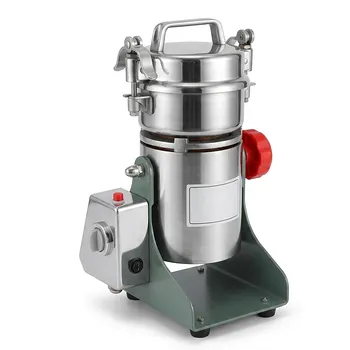
High Speed Swing Type Laboratory Pulverizer for Fine Powder Grinding and Sample Preparation
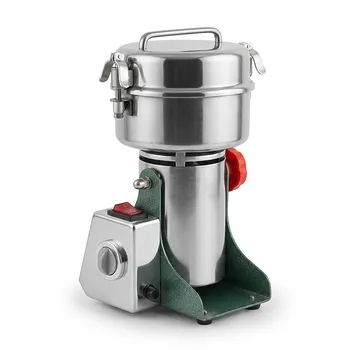
Small High-Speed Swing Grinder for Laboratory Sample Preparation
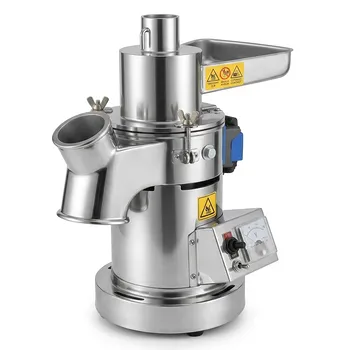
Continuous Feeding Grinder High Efficiency Pulverizer for Lab Sample Preparation