What is the function of a laboratory test sieve in the river sediment sample preparation process? Ensure Precise Data
Updated 4 months ago
The laboratory test sieve serves as a critical metrological tool for standardizing the physical and chemical properties of river sediment samples. It functions primarily to classify ground sediment powder into specific particle size intervals—often using apertures like 500 µm or 2 mm—to ensure a uniform distribution across all test specimens. By isolating the "fine earth fraction" and removing non-sediment debris, the sieve eliminates variations in kinetic response during extraction, making heavy metal analysis scientifically comparable and accurate.
The central role of a laboratory test sieve is to transform heterogeneous riverbed material into a standardized medium. This process ensures that subsequent chemical analyses reflect the true concentration of elements rather than physical inconsistencies in the sample matrix.
Achieving Kinetic and Chemical Standardization
Eliminating Variable Reaction Rates
In extraction experiments, particle size directly influences the speed at which chemicals react with the sediment. By using a sieve (typically 500 µm) to classify powder, researchers ensure that all samples have a consistent particle size distribution.
This standardization eliminates differences in kinetic response that would otherwise occur if some samples contained coarser grains than others. When the surface area is uniform, the rate of chemical leaching becomes a controlled variable.
Ensuring Scientific Comparability
The primary goal of sediment analysis is often to determine the distribution of metals like lead (Pb) and cadmium (Cd) across different chemical phases. Using a sieve to standardize the sample ensures that results are scientifically comparable.
Without this step, a researcher could not be certain if a high metal concentration was due to the sediment's chemistry or simply a higher proportion of fine particles in that specific sample.
Preliminary Sample Purification
Removing Matrix Impurities
Raw river samples contain significant amounts of non-sediment matrix impurities, such as withered branches, large organic debris, and macro-organisms. Standardized sieves, often with a 2-mm mesh, are used to filter these out at the start of the pretreatment process.
Removing these materials defines the fine earth fraction, which is the actual focus of geological analysis. This preliminary step prevents organic "noise" from interfering with heavy metal concentration measurements.
Protecting Analytical Equipment
Coarse stones and gravel can cause significant wear and tear on sensitive laboratory equipment. Large particle impurities are particularly damaging during mechanical stirring or chemical leaching processes.
Using a 10-mesh standard sieve during the pretreatment stage removes these abrasive materials. This protects the longevity of the equipment and ensures the sample remains uniform and representative throughout the workflow.
Particle Size Grading and Enrichment
Mapping Trace Element Enrichment
Heavy metals exhibit a significant particle size effect, meaning they tend to concentrate more heavily in fine silt than in coarse sand. Sieves allow researchers to separate sediment into precise intervals, from very coarse to fine silt.
By employing sieves ranging from 80 to 200 mesh, technicians can enrich fine-grained mineral components for analysis. This is essential for accurately reflecting the true enrichment levels of trace elements within the riverbed substrate.
Calculating Metrological Characteristics
Sieves serve as the primary tool for evaluating the physical health of a river system. By separating a sample into distinct groups, researchers can calculate the median particle diameter (D50).
This data is vital for understanding the sorting characteristics of the sediment. These metrics help scientists predict how the riverbed will shift, erode, or accumulate pollutants over time.
Understanding the Trade-offs
The Risk of Sample Bias
While sieving creates uniformity, it can also introduce bias if the "oversized" material actually contains relevant data. For example, removing large organic debris might inadvertently remove metals that were adsorbed onto those surfaces, potentially underestimating the total metal load.
Mesh Blinding and Accuracy
If a sample is damp or contains high clay content, the mesh openings can become "blinded" or clogged. This results in an inaccurate separation where fine particles remain trapped with the coarse fraction, skewing the particle size distribution data.
Material Contamination
The material of the sieve itself (such as stainless steel or brass) must be chosen carefully based on the target analyst. Using a metallic sieve to prepare samples for trace metal analysis can sometimes introduce cross-contamination if the mesh sheds microscopic particles.
Applying Sieving Techniques to Your Project
Recommendations Based on Research Goals
To ensure the integrity of your river sediment analysis, select your sieving strategy based on the specific requirements of your study.
- If your primary focus is heavy metal extraction: Use a 500 µm sieve to ensure uniform kinetic responses and make metal distribution data (like Pb and Cd) scientifically comparable.
- If your primary focus is physical river morphology: Utilize a full range of sieves (0.063 mm to 2 mm) to accurately calculate the D50 and evaluate sorting characteristics.
- If your primary focus is protecting laboratory hardware: Employ a 10-mesh or 2-mm sieve early in the pretreatment phase to remove abrasive stones and large debris that cause equipment wear.
- If your primary focus is trace element enrichment: Target the finer fractions using 80 to 200 mesh sieves to isolate the mineral components where these elements are most concentrated.
Proper sieve selection is the foundation of reproducible sedimentology, ensuring that physical uniformity leads to chemical clarity.
Summary Table:
| Function | Common Mesh Size / Aperture | Primary Benefit |
|---|---|---|
| Standardization | 500 µm | Ensures uniform kinetic response for chemical extraction |
| Purification | 2 mm / 10-mesh | Removes organic debris and protects lab equipment from wear |
| Enrichment | 80 - 200 mesh | Isolates fine silt fractions where trace elements concentrate |
| Physical Analysis | 0.063 mm - 2 mm | Determines particle size distribution and D50 sorting metrics |
Elevate Your Sediment Analysis with Professional Preparation Solutions
Precise results in material science begin with superior sample preparation. At [Your Brand Name], we provide complete laboratory solutions specialized in powder processing and compaction. Whether you are analyzing riverbed substrates or advanced geological samples, our high-performance equipment ensures consistency and reliability.
Our extensive product line includes:
- Sieving & Grading: Vibratory and air-jet sieve shakers with a wide range of precision test sieves and meshes.
- Milling & Grinding: Planetary ball mills, jet mills, and liquid nitrogen cryogenic grinders for ultrafine particle reduction.
- Crushing & Mixing: Heavy-duty jaw and roll crushers, plus advanced powder and defoaming mixers.
- Compaction Excellence: A full spectrum of hydraulic presses, including Cold/Warm Isostatic Presses (CIP/WIP), vacuum hot presses, and XRF pellet presses.
Ready to optimize your lab's workflow and ensure scientific comparability?
Contact our technical experts today to find the perfect equipment for your material science applications!
References
- Hussein K. Okoro, H. A. Jimoh. Speciation and determination of priority metals in sediments of Oyun River, Ilorin, Kwara, Nigeria. DOI: 10.4314/bcse.v30i2.4
Mentioned Products
- Laboratory Vibratory Test Sieve Shaker for Precision Particle Size Analysis and Powder Grading
- Stainless Steel Laboratory Vibratory Test Sieve Shaker
- Small Laboratory Vibrating Sieve Shaker for Precise Particle Size Analysis
- Laboratory Dry and Wet Three Dimensional Vibratory Sieve Shaker for Particle Analysis
- Small Laboratory Vibratory Sieve Shaker for Powder Gradation and Particle Size Analysis
People Also Ask
- What role does a laboratory sieve shaker play in determining PDI? Achieve Precision in Biomass Quality Testing
- What are the functions of sieve shakers for coconut shell powder? Achieve Precise Particle Size & Quality Control.
- What function does a laboratory sieve shaker perform in the PSD analysis of residual soil? Ensure Precise Grading
- What is the role of a laboratory sieve shaker in the preparation of plantain peel adsorbents? Standardize Particle Size
- What is the function of a laboratory vibratory sieve shaker? Enhance Coal Particle Size Distribution (PSD) Analysis

Tech Team · PowderPreparation
Last updated on Jun 03, 2026
Related Products

Laboratory Vibratory Test Sieve Shaker for Precision Particle Size Analysis and Powder Grading
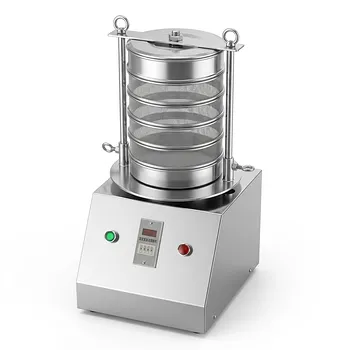
Stainless Steel Laboratory Vibratory Test Sieve Shaker

Small Laboratory Vibrating Sieve Shaker for Precise Particle Size Analysis
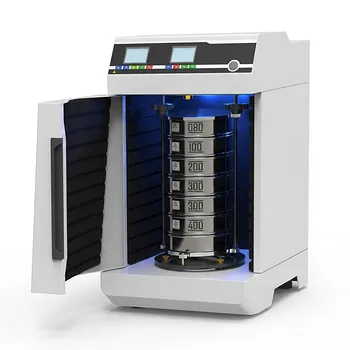
Laboratory Dry and Wet Three Dimensional Vibratory Sieve Shaker for Particle Analysis

Small Laboratory Vibratory Sieve Shaker for Powder Gradation and Particle Size Analysis
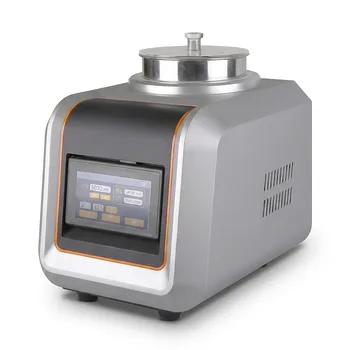
Laboratory Air Jet Sieving Machine for Fine Powder Particle Size Analysis and Deagglomeration
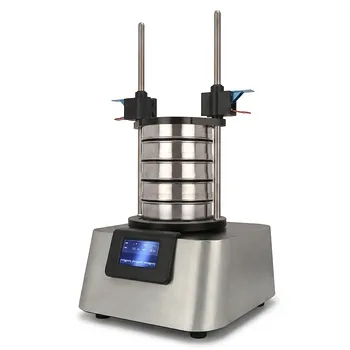
Vibratory Sieve Shaker Electromagnetic 3D Motion Powder Particle Size Analyzer for Dry and Wet Sieving
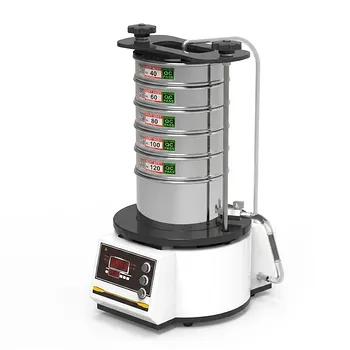
High Frequency Wet Three-Dimensional Vibrating Sieve Shaker for Dry and Wet Particle Size Analysis
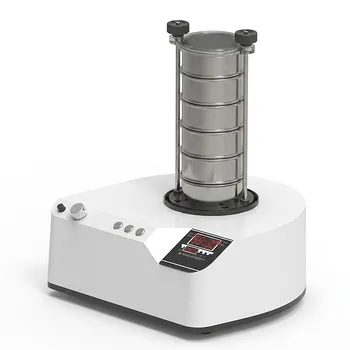
三维电磁微量振动筛分仪
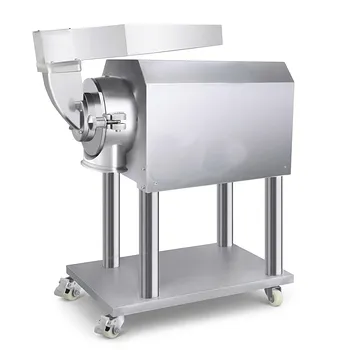
High Speed Small Laboratory Crusher for Dry Material Sample Preparation
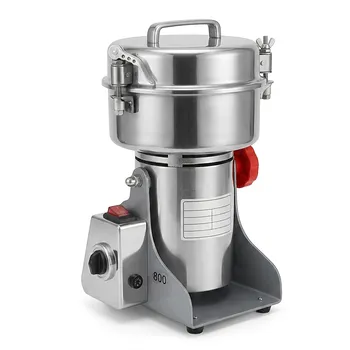
Small High-Speed Laboratory Grinder for Rapid Sample Preparation
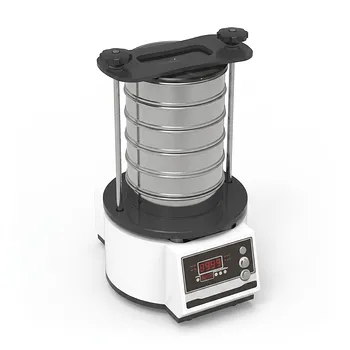
Tapping Oscillating Sieve Shaker for Dry and Wet Particle Size Analysis
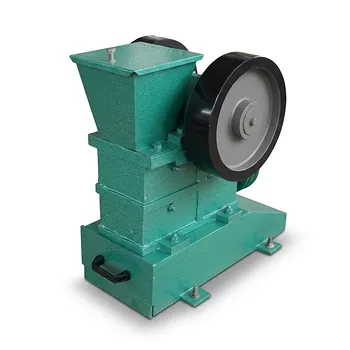
Laboratory Small Jaw Crusher 100x60mm
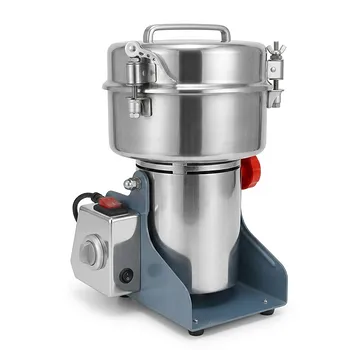
Small High-Speed Grinder for Efficient Laboratory Sample Preparation

Dry Three Dimensional Vibratory Sieve Shaker
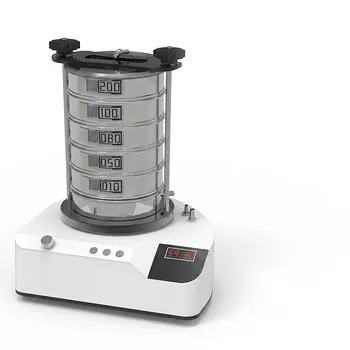
Heavy Duty Dry Three Dimensional Vibratory Sieve Shaker for Particle Separation
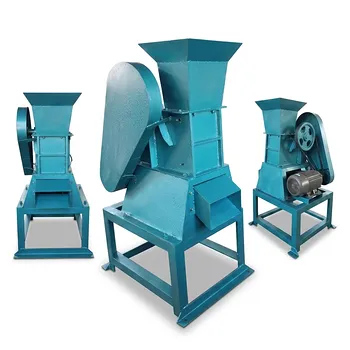
Custom Raised Height Laboratory Jaw Crusher for Precision Sample Preparation in Material Science
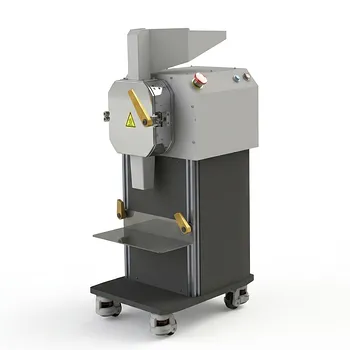
Small Laboratory Knife Crusher for Plastic Sample Preparation and Material Grinding
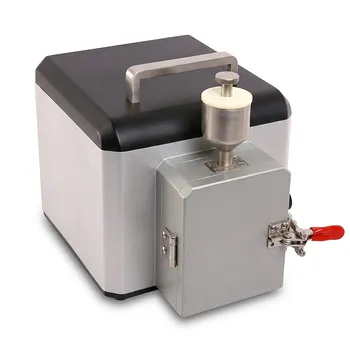
Portable Cutting Mill for Laboratory Sample Preparation and RoHS WEEE Compliance Testing