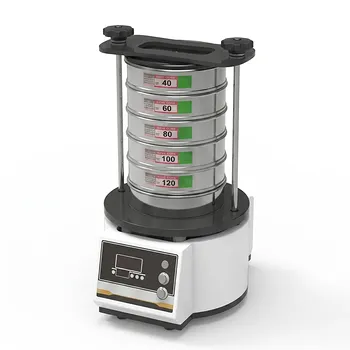
What is the function of using a mortar and test sieves in the pretreatment of drilling mud bentonite raw materials? Guide
Updated 3 months ago
The pretreatment of bentonite using a mortar and test sieves is a critical refinement step designed to standardize the raw material for industrial use. The mortar serves to physically crush lumpy, raw calcium-based bentonite ore into finer grains, while the test sieves classify these particles to ensure a uniform grain size. This process significantly increases the specific surface area of the mineral, which is essential for accelerating chemical reactions and ensuring the bentonite disperses fully within a drilling mud formulation.
Core Takeaway: Pretreatment through mechanical grinding and sieving transforms raw ore into a high-surface-area powder, facilitating the rapid ion exchange and uniform dispersion necessary for stable, API-compliant drilling fluids.
The Role of Mechanical Refinement
Increasing Specific Surface Area
The primary function of using a mortar is to apply mechanical force to break down large, dry ore blocks into micron-scale particles. By reducing the particle size, you exponentially increase the total specific surface area available for interaction. This increased area allows water and chemical additives to contact more of the mineral's surface simultaneously.
Accelerating Ion Exchange Reactions
In the production of drilling mud, calcium-based bentonite often undergoes chemical modification to improve its swelling properties. A higher surface area, achieved through fine grinding, allows ion exchange reactions to occur more rapidly and completely. This ensures that the chemical transformation of the clay is deep and uniform, rather than just superficial.
Particle Size Control and Standardization
Ensuring Uniform Grain Size
Test sieves are used to filter out oversized particles and ensure the final powder has a consistent particle size distribution. Uniformity is vital because it ensures that every gram of bentonite behaves predictably when added to the fluid base. Without this screening, larger lumps could remain unreacted, leading to wasted material and inconsistent fluid density.
Meeting Industry Standards (API)
In the drilling industry, meeting American Petroleum Institute (API) standards often requires bentonite to pass through specific mesh sizes, such as a 200-mesh sieve. Precise sieving ensures the material meets these global benchmarks for quality and performance. This standardization provides a reliable physical foundation for the subsequent preparation of suspension fluids.
Impact on Drilling Fluid Performance
Enhancing Dispersion and Hydration
Bentonite must be fully dispersed to create the "gel" structure required to carry drill cuttings to the surface. Pre-sieved, fine particles hydrate much faster and more thoroughly than coarse materials. This prevents the formation of "fish-eyes" or dry clumps that can compromise the integrity of the drilling mud.
Preventing Rheological Instability
Oversized particles that escape the sieving process can cause rheological instability, leading to unpredictable viscosity and settling. By using precise test sieves, engineers ensure a stable suspension that maintains its flow properties under high-pressure drilling conditions. This stability is crucial for protecting the wellbore and maintaining efficient operation.
Understanding the Trade-offs and Pitfalls
The Risk of Over-Grinding
While fine particles are generally preferred, excessive grinding in a mortar can lead to "over-processing." If the mechanical force is too high, it may begin to collapse the crystalline structure of the montmorillonite (the active mineral in bentonite), actually reducing its ability to swell.
Sieve Blinding and Accuracy
Using sieves requires careful maintenance; fine particles can often "blind" or clog the mesh apertures. If the sieves are not cleaned or vibrated correctly, the resulting particle distribution will be inaccurate. This can lead to a false sense of quality while leaving oversized, reactive-poor particles in the mix.
How to Apply This to Your Project
When preparing bentonite raw materials, your choice of refinement level should depend on the specific requirements of your drilling environment.
- If your primary focus is API compliance: Ensure your pretreatment process includes a 200-mesh test sieve to guarantee the particle size distribution meets international regulatory standards.
- If your primary focus is maximizing chemical reactivity: Focus on the grinding phase with the mortar to achieve the highest possible specific surface area, facilitating faster ion exchange during modification.
- If your primary focus is fluid stability in deep wells: Prioritize uniform sieving to eliminate oversized particles that could cause settling or unpredictable viscosity shifts under high pressure.
Proper mechanical pretreatment is the essential bridge between raw geological ore and a high-performance engineering additive.
Summary Table:
| Tool | Primary Function | Key Benefit for Drilling Mud |
|---|---|---|
| Mortar | Mechanical Grinding | Increases specific surface area and accelerates ion exchange reactions. |
| Test Sieves | Size Classification | Ensures uniform grain size and meets API standards (e.g., 200-mesh). |
| Refined Powder | Hydration & Dispersion | Prevents "fish-eyes" and ensures stable fluid rheology under high pressure. |
Elevate Your Material Preparation with KINTEK SOLUTION
Achieving the perfect particle size distribution is the foundation of high-performance drilling fluids and advanced material science. At KINTEK SOLUTION, we specialize in providing complete laboratory sample preparation solutions tailored to your specific needs.
Whether you are processing bentonite or advanced ceramics, our extensive equipment line ensures precision and reliability:
- Powder Processing: High-efficiency crushers (jaw/roll), liquid nitrogen cryogenic grinders, and advanced mills (planetary ball, jet, and disc).
- Classification & Mixing: Vibratory and air-jet sieve shakers with a full range of test sieves, plus high-performance powder and defoaming mixers.
- Compaction Excellence: A full spectrum of hydraulic presses, including Cold/Warm Isostatic Presses (CIP/WIP), standard lab presses, and vacuum hot presses.
Don't settle for inconsistent results. Partner with KINTEK SOLUTION to optimize your lab's efficiency and ensure every sample meets the highest industry standards.
Contact our experts today to find the perfect solution for your lab!
References
- Andrew Odeh, E. A. Oyedoh. Effect of Cassava Starch and Sodium Carbonate on the Properties of Local Drilling Mud: Beneficiation to Improve the Rheological and Flow Properties of Locally Formulated Mud. DOI: 10.4236/aces.2022.121002
Mentioned Products
- Laboratory Mortar Grinder for Sample Preparation and Cryogenic Powder Homogenization
- Laboratory Vibratory Test Sieve Shaker for Precision Particle Size Analysis and Powder Grading
- Stainless Steel Laboratory Vibratory Test Sieve Shaker
- Stainless Steel Rotary Vibrating Sieve High Precision Circular Vibratory Separator Industrial Powder Grading Machine Multi Layer Sifting Equipment
- Three Dimensional Rotary Vibrating Sieve
People Also Ask
- What role does a laboratory grinder play in the pretreatment of sunflower seed shell-based adsorbents? Boost Efficiency.
- How does a laboratory grinder or mill enhance the adsorption performance of agricultural waste materials? Boost Surface Area
- How does cryogenic milling affect the dispersion and structural integrity of graphene in polymer nanocomposites? Guide.
- How do steel grinding balls contribute to the production of inhalable powders within a cryogenic grinder? Key Insights
- Why is a cryogenic grinder essential for nano-encapsulated materials? Protect Integrity and Boost Remediation Success

Tech Team · PowderPreparation
Last updated on Jun 03, 2026
Related Products
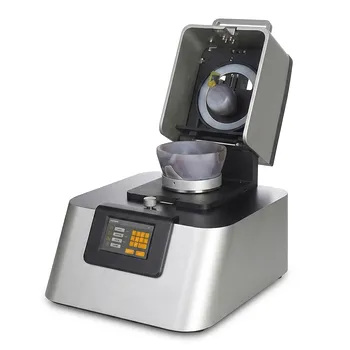
Laboratory Mortar Grinder for Sample Preparation and Cryogenic Powder Homogenization
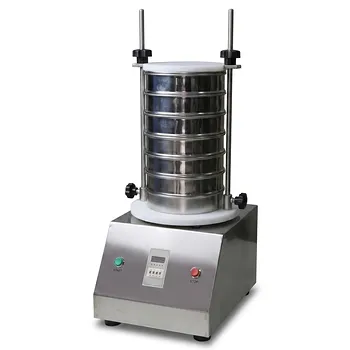
Laboratory Vibratory Test Sieve Shaker for Precision Particle Size Analysis and Powder Grading
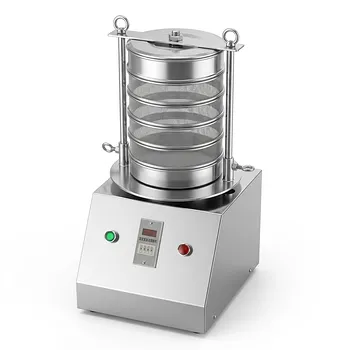
Stainless Steel Laboratory Vibratory Test Sieve Shaker
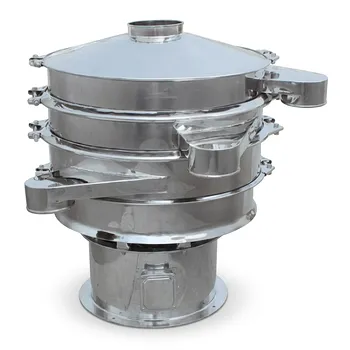
Stainless Steel Rotary Vibrating Sieve High Precision Circular Vibratory Separator Industrial Powder Grading Machine Multi Layer Sifting Equipment
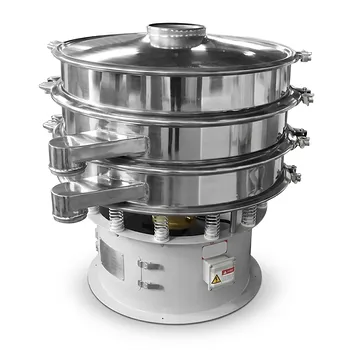
Three Dimensional Rotary Vibrating Sieve
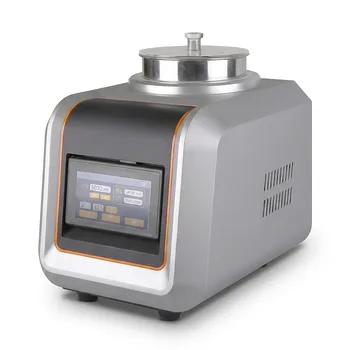
Laboratory Air Jet Sieving Machine for Fine Powder Particle Size Analysis and Deagglomeration
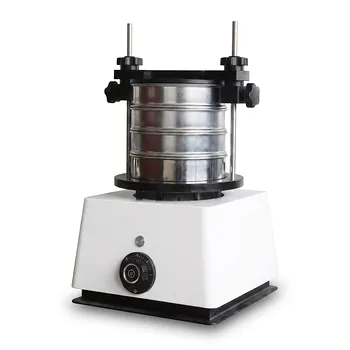
Small Laboratory Vibrating Sieve Shaker for Precise Particle Size Analysis
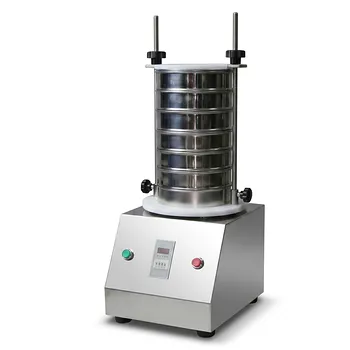
Small Laboratory Vibratory Sieve Shaker for Powder Gradation and Particle Size Analysis
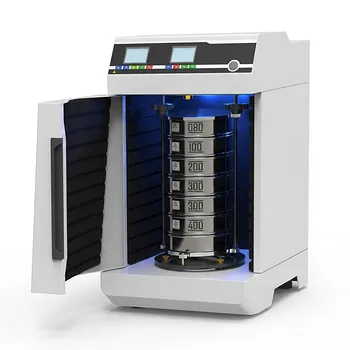
Laboratory Dry and Wet Three Dimensional Vibratory Sieve Shaker for Particle Analysis
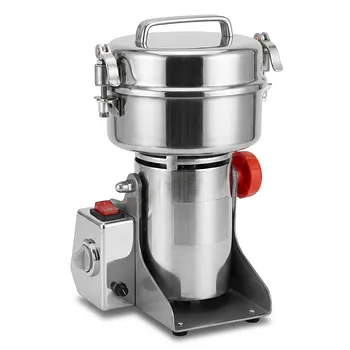
High Speed Laboratory Powder Grinder Small Batch Sample Preparation Mill
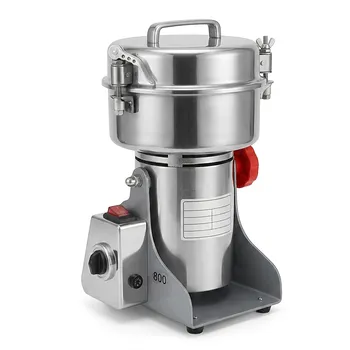
Small High-Speed Laboratory Grinder for Rapid Sample Preparation
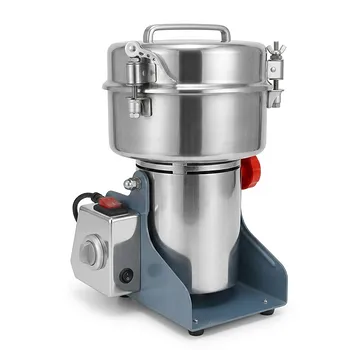
Small High-Speed Grinder for Efficient Laboratory Sample Preparation
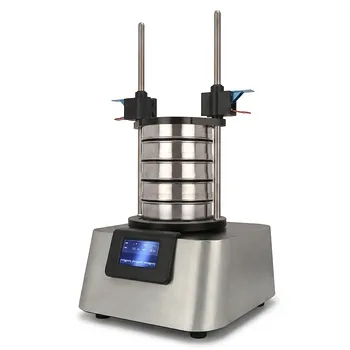
Vibratory Sieve Shaker Electromagnetic 3D Motion Powder Particle Size Analyzer for Dry and Wet Sieving
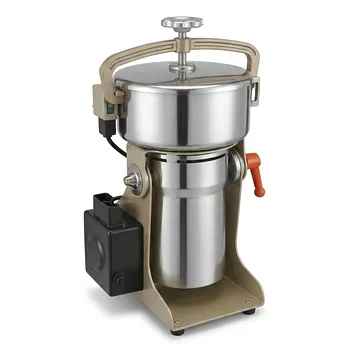
Multifunctional High Efficiency High Speed Laboratory Grinder
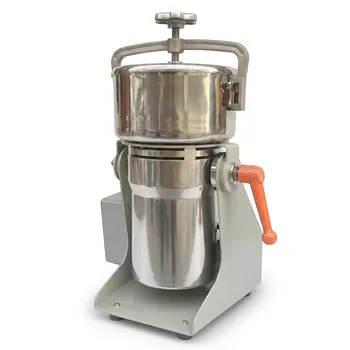
High Speed Laboratory Grinder Efficient Stainless Steel Powder Pulverizer Universal Material Science Mill for Sample Preparation
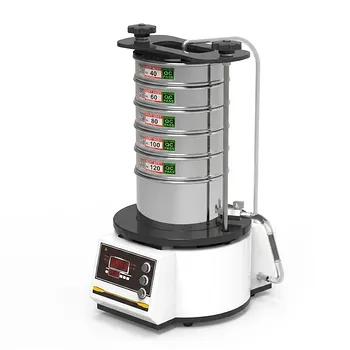
High Frequency Wet Three-Dimensional Vibrating Sieve Shaker for Dry and Wet Particle Size Analysis
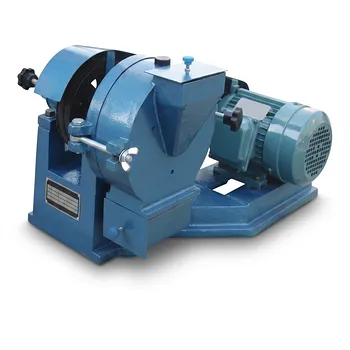
Laboratory Disc Mill for Ore and Mineral Sample Preparation
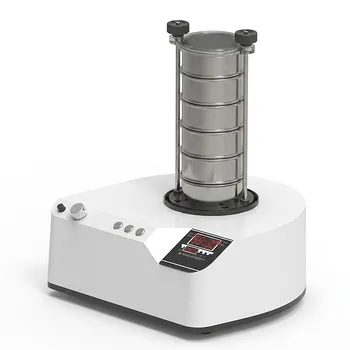
三维电磁微量振动筛分仪
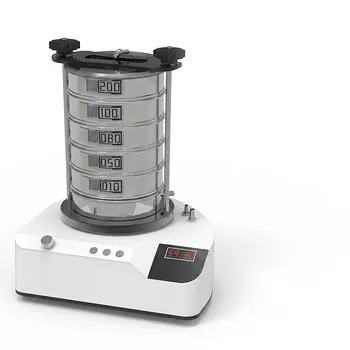
Heavy Duty Dry Three Dimensional Vibratory Sieve Shaker for Particle Separation