Why is a set of standard test sieves necessary for mineral analysis? Master particle size distribution and D80 accuracy.
Updated 3 months ago
A set of standard test sieves is the fundamental tool for physically partitioning a bulk mineral sample into specific, measurable size fractions. This multi-level screening process allows researchers to weigh individual fractions and calculate critical metrics, such as the D80 value and the mean particle size. By converting raw samples into a quantifiable distribution, sieves provide the empirical foundation required to assess the efficiency of mineral processing and crushing operations.
Core Takeaway: A series of sieves creates a physical sequence that transforms a bulk sample into discrete data points. This allows for the calculation of cumulative passing rates and distribution curves, which are vital for optimizing equipment performance and ensuring product quality.
Physical Partitioning and Data Acquisition
Creating a Continuous Size Spectrum
Using a set of sieves rather than a single screen allows for the creation of a continuous particle size spectrum. Each level in the stack intercepts particles within a specific diameter range, effectively "sorting" the bulk material by size.
Calculating Cumulative Distribution Metrics
By weighing the material retained on each sieve, technicians can determine the mass percentage distribution. This data is used to calculate cumulative passing or retention rates, which are essential for plotting sieve curves and identifying the "well-graded" status of a product.
Identifying Key Processing Indicators
The data generated from a sieve set is the primary source for determining the D80 value (the size at which 80% of the material passes). This metric is a standard benchmark used to evaluate the effectiveness of crushing and grinding stages within a mineral processing plant.
Operational Optimization and Modeling
Evaluating Equipment Efficiency
Standard test sieves provide a quantitative benchmark for measuring the performance of crushing and grinding equipment. By analyzing the distribution of the output, operators can adjust process parameters—such as rotation speed and impactor shape—to maximize throughput and reduce energy waste.
Establishing Scientific Sequences for Modeling
Standardized sieve sets often follow a geometric sequence, such as the square root of 2 ratio. This fixed interval is critical for grinding kinetics modeling, as it allows for the accurate calculation of specific breakage rates and distribution parameters.
Standardizing Feed Material
In laboratory environments, sieves ensure that raw material feed is strictly controlled, such as ensuring 100% of a sample is smaller than a specific threshold (e.g., 3.327mm). This level of control is the foundation for standardized testing, such as the Bond Work Index, which requires consistent feed sizes to eliminate experimental deviations.
Quality Control and Analytical Accuracy
Improving Downstream Repeatability
By removing oversized components that fall outside of a specific range (e.g., 1.40 mm), sieves eliminate analysis errors caused by non-uniform distribution. This ensures that samples used in fiber analyzers or calorific instruments meet strict experimental specifications, improving the accuracy of test results.
Ensuring Engineering Performance
For materials like beach sand or aggregates, sieving allows for the calculation of the coefficient of uniformity (Cu) and the coefficient of curvature (Cc). These values directly influence the bearing capacity of subgrades and the final strength of construction materials like refractory concrete.
Understanding the Trade-offs
Particle Shape and Orientation
One limitation of sieve analysis is that it primarily measures the second-smallest dimension of a particle. Elongated or needle-like particles may pass through a mesh if they are oriented vertically, potentially skewing the distribution data toward a finer result than what is physically accurate.
The Risk of Blinding and Clogging
During the sieving of fine materials, particles can become lodged in the mesh, a phenomenon known as blinding. This restricts the flow of material and leads to an overestimation of coarse fractions; using high-frequency vibratory sieve shakers is often necessary to mitigate this issue.
Mechanical Degradation
The mechanical force required to separate particles can sometimes cause attrition, where softer minerals break down during the test itself. This results in a distribution that appears finer than the original bulk sample, making the duration and intensity of the vibration a critical variable to control.
How to Apply This to Your Project
When selecting and utilizing a sieve set for mineral analysis, your approach should align with your specific operational or research objectives.
- If your primary focus is equipment performance optimization: Use a full series of sieves with fixed geometric intervals to generate precise distribution curves that highlight crushing efficiency.
- If your primary focus is analytical repeatability: Utilize specific, high-precision mesh sizes to remove oversized particles and standardize the feed for downstream laboratory instruments.
- If your primary focus is material strength or bearing capacity: Prioritize the calculation of uniformity and curvature coefficients to ensure the material meets engineering grading standards.
A correctly implemented set of standard sieves transforms a raw mineral sample into the actionable data required for technical and economic success.
Summary Table:
| Key Function | Metric/Benefit Provided | Operational Impact |
|---|---|---|
| Physical Partitioning | D80 & Mean Particle Size | Evaluates crushing and grinding efficiency |
| Geometric Sequencing | Grinding Kinetics Modeling | Optimizes equipment throughput and energy use |
| Feed Standardization | Removal of Oversized Fractions | Ensures repeatability for downstream lab analysis |
| Quality Benchmarking | Uniformity & Curvature (Cu/Cc) | Guarantees material strength and engineering standards |
Optimize Your Mineral Analysis with Precision Equipment
High-accuracy particle size distribution analysis starts with the right tools. At [Brand Name], we provide complete laboratory sample preparation solutions tailored for material science. Whether you are optimizing industrial crushing processes or performing high-precision research, our equipment ensures reliable, repeatable results.
Our specialized solutions include:
- Sieving & Analysis: High-performance vibratory and air-jet sieve shakers, along with a wide range of test sieves and meshes.
- Size Reduction: Heavy-duty jaw and roll crushers, planetary ball mills, jet mills, and cryogenic grinders.
- Powder Processing: Advanced powder mixers, defoaming mixers, and specialized mills for fine grinding.
- Compaction Excellence: A full spectrum of hydraulic presses, including Cold/Warm Isostatic Presses (CIP/WIP), vacuum hot presses, and XRF pellet presses.
Ready to enhance your laboratory efficiency and data accuracy? Contact our technical experts today to find the perfect configuration for your specific material needs.
References
- Sushanta Kumar Pradhan, Sudip Sundar Das. Comparison of Sieving Techniques in Size Distribution and Estimation of Particle Size of a Bulk Sample. DOI: 10.37398/jsr.2023.670401
Mentioned Products
- Laboratory Vibratory Test Sieve Shaker for Precision Particle Size Analysis and Powder Grading
- Small Laboratory Vibrating Sieve Shaker for Precise Particle Size Analysis
- Small Laboratory Vibratory Sieve Shaker for Powder Gradation and Particle Size Analysis
- 三维电磁微量振动筛分仪
- Laboratory Dry and Wet Three Dimensional Vibratory Sieve Shaker for Particle Analysis
People Also Ask
- What role does a laboratory sieve shaker play in determining PDI? Achieve Precision in Biomass Quality Testing
- What are the functions of sieve shakers for coconut shell powder? Achieve Precise Particle Size & Quality Control.
- What function does a laboratory sieve shaker perform in the PSD analysis of residual soil? Ensure Precise Grading
- What is the role of a laboratory sieve shaker in the preparation of plantain peel adsorbents? Standardize Particle Size
- What is the function of a laboratory vibratory sieve shaker? Enhance Coal Particle Size Distribution (PSD) Analysis

Tech Team · PowderPreparation
Last updated on Jun 03, 2026
Related Products
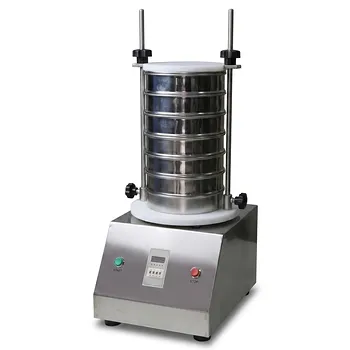
Laboratory Vibratory Test Sieve Shaker for Precision Particle Size Analysis and Powder Grading
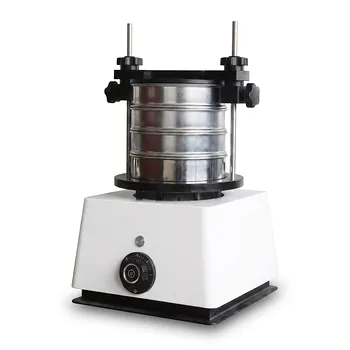
Small Laboratory Vibrating Sieve Shaker for Precise Particle Size Analysis
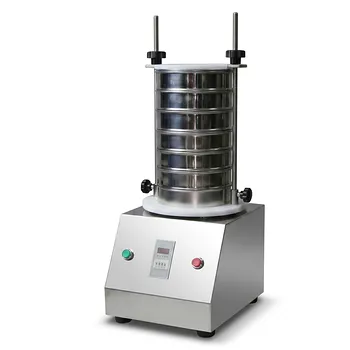
Small Laboratory Vibratory Sieve Shaker for Powder Gradation and Particle Size Analysis
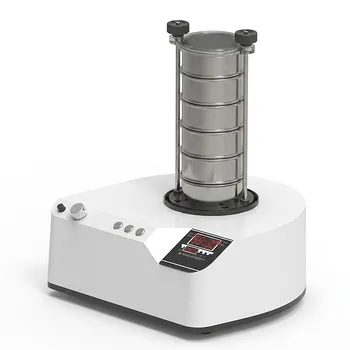
三维电磁微量振动筛分仪
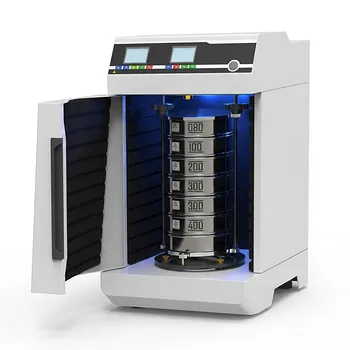
Laboratory Dry and Wet Three Dimensional Vibratory Sieve Shaker for Particle Analysis
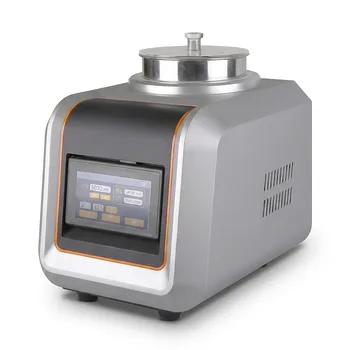
Laboratory Air Jet Sieving Machine for Fine Powder Particle Size Analysis and Deagglomeration
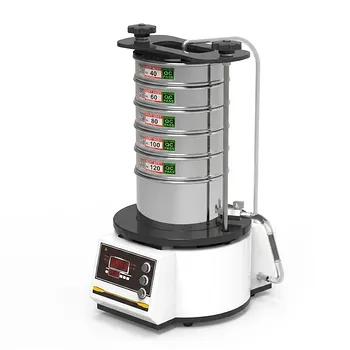
High Frequency Wet Three-Dimensional Vibrating Sieve Shaker for Dry and Wet Particle Size Analysis
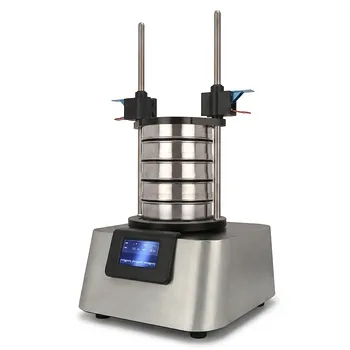
Vibratory Sieve Shaker Electromagnetic 3D Motion Powder Particle Size Analyzer for Dry and Wet Sieving
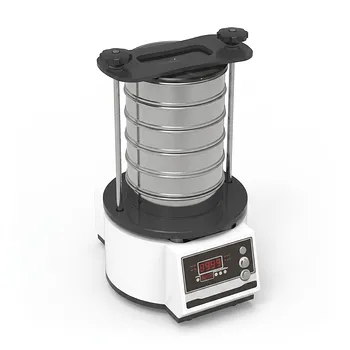
Tapping Oscillating Sieve Shaker for Dry and Wet Particle Size Analysis
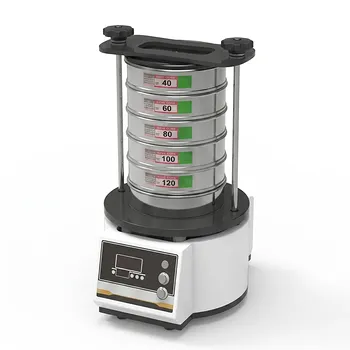
Dry Three Dimensional Vibratory Sieve Shaker
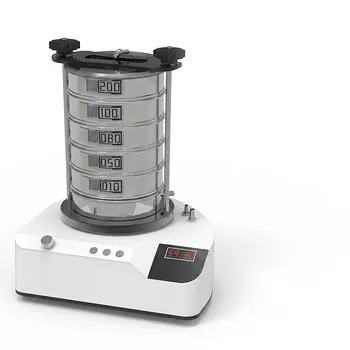
Heavy Duty Dry Three Dimensional Vibratory Sieve Shaker for Particle Separation
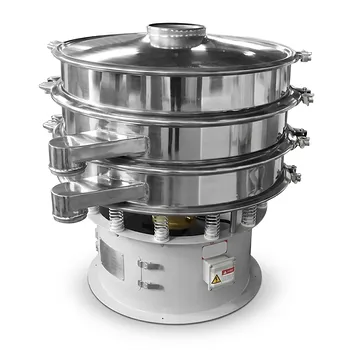
Three Dimensional Rotary Vibrating Sieve
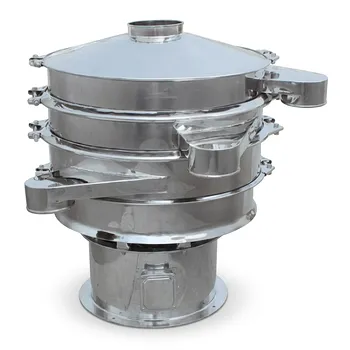
Stainless Steel Rotary Vibrating Sieve High Precision Circular Vibratory Separator Industrial Powder Grading Machine Multi Layer Sifting Equipment
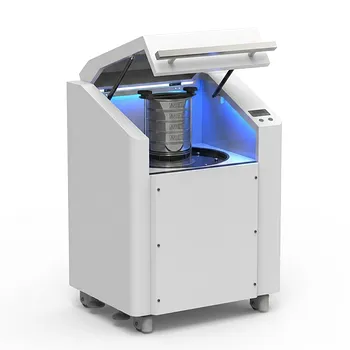
High Frequency Cabinet Type Three-Dimensional Rotary Vibrating Sieve Shaker for Dry Sieving and Particle Classification
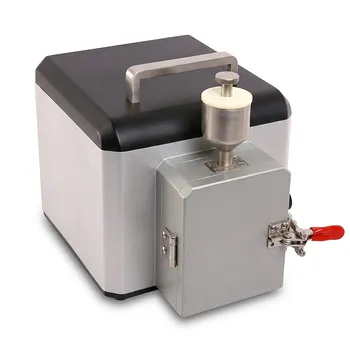
Portable Cutting Mill for Laboratory Sample Preparation and RoHS WEEE Compliance Testing
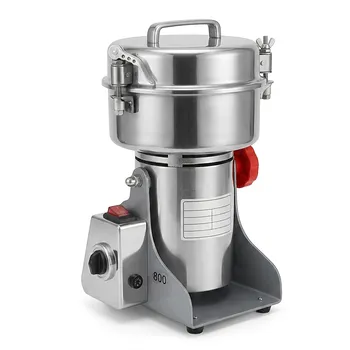
Small High-Speed Laboratory Grinder for Rapid Sample Preparation
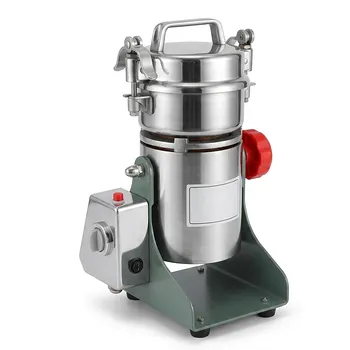
High Speed Swing Type Laboratory Pulverizer for Fine Powder Grinding and Sample Preparation
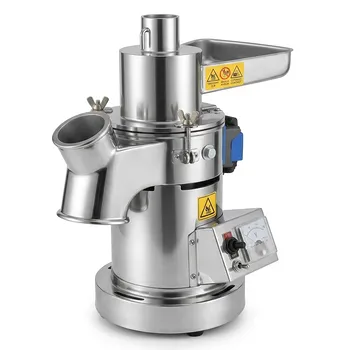
Continuous Feeding Grinder High Efficiency Pulverizer for Lab Sample Preparation
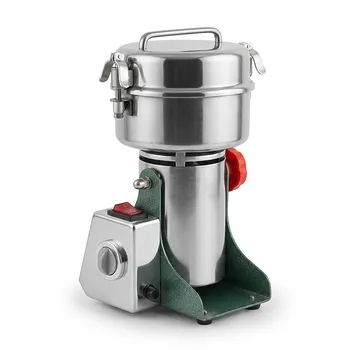
Small High-Speed Swing Grinder for Laboratory Sample Preparation