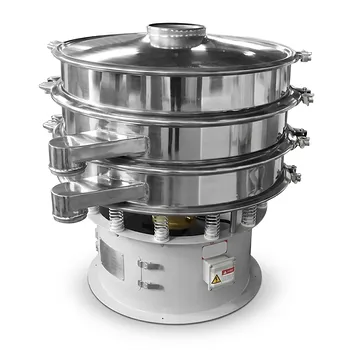
What is the function of precision test sieves in the process of soil aggregate analysis? Enhance Research Accuracy
Updated 4 months ago
Precision test sieves serve as the primary instrument for the mechanical fractionation of soil, allowing researchers to isolate specific particle size classes. By using standardized mesh apertures, these sieves disassemble the complex soil matrix into distinct categories known as macro-aggregates and micro-aggregates. This physical separation is the essential first step required to evaluate soil health, structural integrity, and the spatial distribution of vital nutrients.
The core function of precision test sieves is to provide a rigorous, repeatable method for classifying soil aggregates by size. This classification enables the quantitative assessment of soil structural stability and forms the necessary foundation for analyzing how chemical properties, such as carbon and nitrogen, are sequestered within the soil's physical architecture.
Deconstructing the Physical Soil Matrix
Segregating Macro and Micro-Aggregates
The most direct function of a precision sieve is the separation of bulk soil into micro-aggregates and macro-aggregates. Using specific apertures—commonly ranging from 2 mm down to 0.053 mm—the sieves act as a physical filter to group particles by their diameter.
This classification is vital because the behavior of soil, including its aeration and water retention, differs significantly between these size fractions. By isolating these components, scientists can study the individual building blocks of the soil structure in a controlled environment.
Quantifying Structural Stability Indicators
Precision sieves provide the raw data needed to calculate critical soil health metrics. These include the Mean Weight Diameter (MWD), Geometric Mean Diameter (GMD), and the Fractal Dimension (D) of the soil aggregates.
These indicators reflect how well the soil can resist erosive forces and maintain its structure under environmental stress. High-precision sieving ensures that these calculations are based on accurate, standardized mass distributions across different size classes.
Enabling Advanced Biogeochemical Research
Mapping Nutrient Retention Mechanisms
The physical grading of soil is a prerequisite for analyzing the distribution of soil organic carbon (SOC) and total nitrogen. Nutrients are not spread evenly through the soil; they are often "trapped" or protected within specific aggregate sizes.
By using precision sieves to separate these aggregates, researchers can identify which physical fractions are most effective at sequestering carbon. This helps in understanding the long-term nutrient retention mechanisms and the overall fertility of the ecosystem.
Exploring Pore Structure and Cation Exchange
Precision sieving allows for the study of cation exchange capacity (CEC) across various spatial scales. Because different aggregate sizes possess different micro-pore structures, they interact with water and minerals in unique ways.
Defining these physical structures via sieving reveals how the soil matrix influences chemical availability. This deepens the understanding of how soil architecture impacts the biological accessibility of minerals to plants and microbes.
Understanding the Trade-offs and Limitations
Mechanical Stress and Aggregate Breakdown
A significant challenge in soil sieving is the potential for mechanical degradation of the aggregates during the process. The energy applied through vibration or manual shaking can inadvertently break fragile macro-aggregates into smaller pieces, leading to skewed data.
Researchers must balance the need for thorough separation with the risk of destroying the very structures they are trying to measure. This is why standardized durations and intensities of sieving are strictly regulated in professional protocols.
Moisture Sensitivity and Clogging
The accuracy of precision sieves is highly dependent on the moisture content of the soil sample. Excessive moisture can cause particles to stick together (agglomeration) or clog the fine mesh of the sieve, resulting in "blinding."
Conversely, completely dry sieving may not reflect how soil behaves in natural, hydraulic environments. Choosing between wet sieving and dry sieving is a critical technical trade-off that depends entirely on the specific goals of the stability analysis.
How to Apply These Principles to Your Analysis
Making the Right Choice for Your Research Goal
- If your primary focus is carbon sequestration modeling: Prioritize the isolation of micro-aggregates (less than 0.25 mm) using high-precision mesh to accurately map carbon distribution within the fine matrix.
- If your primary focus is erosion and structural stability: Use a nested stack of sieves to calculate the Mean Weight Diameter (MWD), ensuring the mechanical energy used is consistent across all samples to maintain repeatability.
- If your primary focus is soil fertility and CEC: Focus on segregating the finest fractions (down to 0.053 mm) where the majority of chemically active surfaces and micro-pores are located.
Effective soil aggregate analysis begins and ends with the precision of the physical separation process, making the quality of the test sieve the most critical factor in the laboratory.
Summary Table:
| Key Function | Analysis Objective | Critical Metrics/Outcomes |
|---|---|---|
| Physical Fractionation | Segregate macro and micro-aggregates | Defines soil matrix structure and building blocks |
| Structural Quantification | Measure soil integrity under stress | Calculates MWD, GMD, and Fractal Dimension (D) |
| Nutrient Mapping | Identify sequestration sites | Tracks Soil Organic Carbon (SOC) and Nitrogen |
| Pore Characterization | Study spatial mineral distribution | Determines Cation Exchange Capacity (CEC) and fertility |
Optimize Your Material Analysis with Precision Solutions
High-accuracy soil aggregate analysis demands reliable equipment. We provide complete laboratory sample preparation solutions for material science, specializing in advanced powder processing and compaction equipment.
Our extensive product lines include:
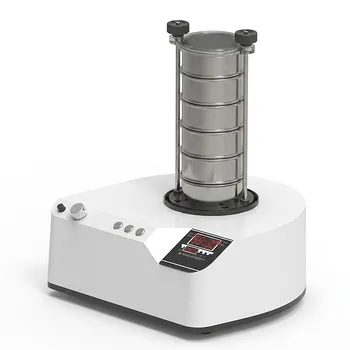
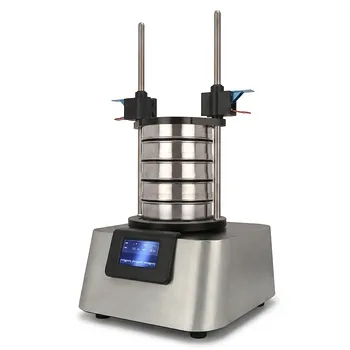
- Particle Size Analysis: Precision vibratory and air-jet sieve shakers with a wide range of test sieves and meshes.
- Milling & Grinding: Planetary ball mills, jet mills, and liquid nitrogen cryogenic grinders.
- Compaction & Pressing: A full spectrum of hydraulic presses, including Cold/Warm Isostatic Presses (CIP/WIP), vacuum hot presses, and XRF pellet presses.
- Mixing: High-efficiency powder and defoaming mixers.
Whether you are conducting biogeochemical research or industrial powder processing, our equipment ensures the repeatability and precision your lab requires. Contact us today to discuss your project requirements!
References
- Abiodun Ojo Olakayode, Fatai Oladapo Tijani. Agricultural Land-Use Effects on Soil Cation Exchange Capacity, Organic Carbon and Total Nitrogen in Soil Aggregate Sized Fractions in Ile-Ife, Nigeria. DOI: 10.5281/zenodo.4738482
Mentioned Products
- Laboratory Vibratory Test Sieve Shaker for Precision Particle Size Analysis and Powder Grading
- Precision Soil Disc Mill for Laboratory Fine Grinding and Environmental Sample Preparation
- Small Laboratory Vibrating Sieve Shaker for Precise Particle Size Analysis
- Small Laboratory Vibratory Sieve Shaker for Powder Gradation and Particle Size Analysis
- Laboratory Air Jet Sieving Machine for Fine Powder Particle Size Analysis and Deagglomeration
People Also Ask
- What role does a laboratory sieve shaker play in determining PDI? Achieve Precision in Biomass Quality Testing
- What are the functions of sieve shakers for coconut shell powder? Achieve Precise Particle Size & Quality Control.
- What function does a laboratory sieve shaker perform in the PSD analysis of residual soil? Ensure Precise Grading
- What is the role of a laboratory sieve shaker in the preparation of plantain peel adsorbents? Standardize Particle Size
- What is the function of a laboratory vibratory sieve shaker? Enhance Coal Particle Size Distribution (PSD) Analysis

Tech Team · PowderPreparation
Last updated on Jun 03, 2026
Related Products
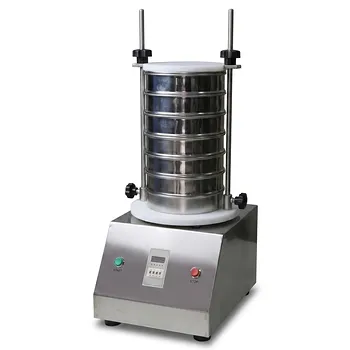
Laboratory Vibratory Test Sieve Shaker for Precision Particle Size Analysis and Powder Grading
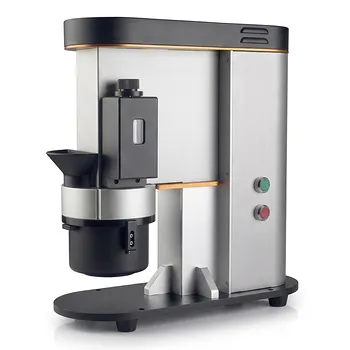
Precision Soil Disc Mill for Laboratory Fine Grinding and Environmental Sample Preparation
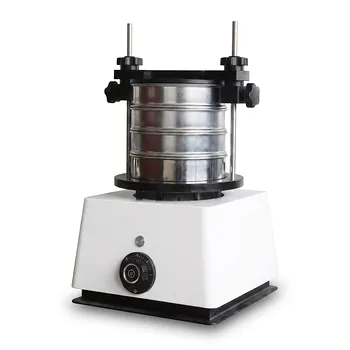
Small Laboratory Vibrating Sieve Shaker for Precise Particle Size Analysis
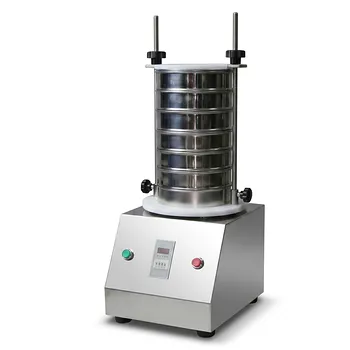
Small Laboratory Vibratory Sieve Shaker for Powder Gradation and Particle Size Analysis
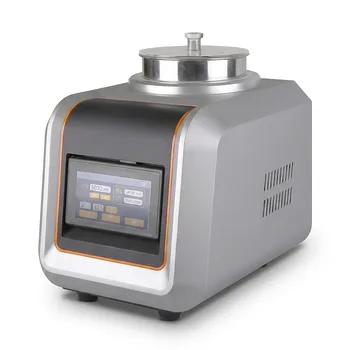
Laboratory Air Jet Sieving Machine for Fine Powder Particle Size Analysis and Deagglomeration
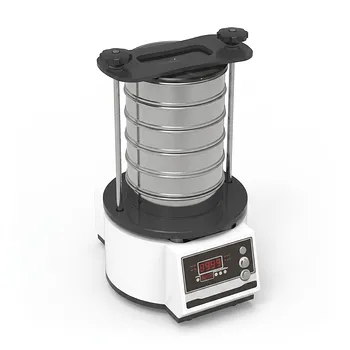
Tapping Oscillating Sieve Shaker for Dry and Wet Particle Size Analysis
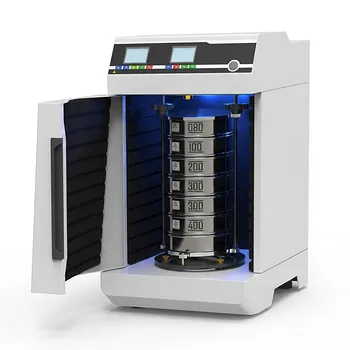
Laboratory Dry and Wet Three Dimensional Vibratory Sieve Shaker for Particle Analysis
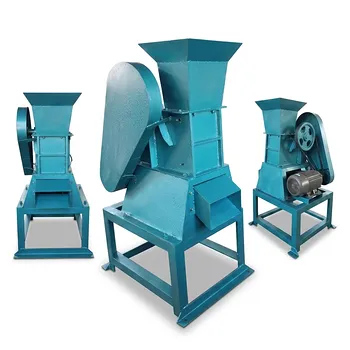
Custom Raised Height Laboratory Jaw Crusher for Precision Sample Preparation in Material Science
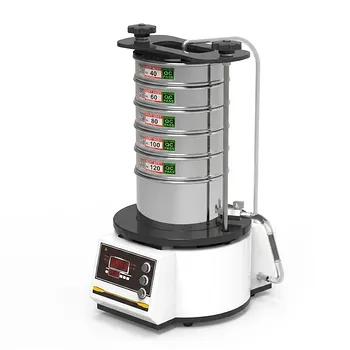
High Frequency Wet Three-Dimensional Vibrating Sieve Shaker for Dry and Wet Particle Size Analysis
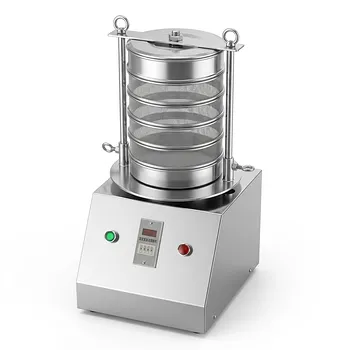
Stainless Steel Laboratory Vibratory Test Sieve Shaker
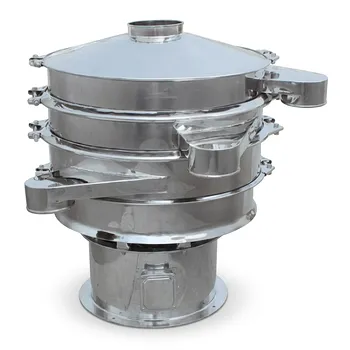
Stainless Steel Rotary Vibrating Sieve High Precision Circular Vibratory Separator Industrial Powder Grading Machine Multi Layer Sifting Equipment
三维电磁微量振动筛分仪
Vibratory Sieve Shaker Electromagnetic 3D Motion Powder Particle Size Analyzer for Dry and Wet Sieving