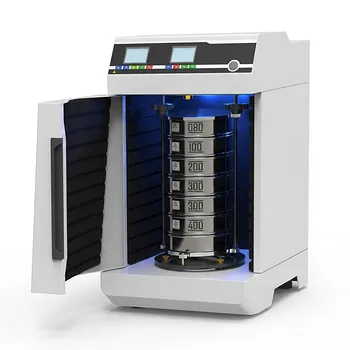
What is the purpose of using a 50 µm fine nylon sieve to filter ceramic slurries? Optimize Your DLP 3D Printing Results
Updated 4 months ago
Filtration is a critical quality-control step in additive manufacturing. The primary purpose of using a 50 µm nylon sieve is to remove impurities and un-dispersed agglomerates that exceed the intended printing layer thickness. Because Digital Light Processing (DLP) often utilizes a 50 µm layer height, this step ensures that large particles do not interfere with precise layer formation or damage the printing mechanism.
To achieve successful ceramic 3D printing, the slurry must be free of any particles larger than the layer height. A 50 µm sieve acts as a fundamental safeguard that protects printing resolution, prevents mechanical defects, and ensures the reliability of the ceramic ink.
Protecting the Integrity of the Printing Process
Alignment with Layer Thickness
In DLP 3D printing, the printer deposits material in ultra-thin, successive layers. If a particle or clump is larger than the 50 µm layer setting, it can physically block the recoating blade or prevent the build plate from reaching the correct position. This interference leads to delamination or complete print failure.
Ensuring High Geometric Precision
Removing oversized particles is essential for printing complex structures like dental abutments or miniature gears. Even a single stray agglomerate can distort fine features and reduce the dimensional accuracy of the part. Meticulous sieving ensures the slurry remains a homogeneous fluid capable of capturing high-resolution light patterns.
Enhancing Material Performance and Aesthetics
Eliminating Internal Stress Points
Large, unground particles or contaminants act as stress concentrators within the ceramic matrix. If these are not filtered out, they can cause internal structural voids or "pitting" on the surface of the green body. These defects often lead to cracking during the sintering process where the material undergoes high-temperature shrinkage.
Improving Sintered Fracture Strength
The mechanical reliability of a finished ceramic part depends on its microscopic uniformity. By using a fine sieve to remove coarse agglomerates, you significantly reduce the probability of large-scale defects forming in the final body. This result directly enhances the fracture strength and longevity of the ceramic component.
Understanding the Trade-offs and Limitations
The Risk of Mesh Blinding
While a 50 µm sieve is effective, fine nylon meshes are susceptible to "blinding," where particles become lodged in the openings. This can slow down the filtration process and lead to inconsistent slurry flow if not managed with vibratory assistance.
Addressing Non-Solid Contaminants
It is important to recognize that sieving only removes solid particles and agglomerates. It does not address micro-bubbles, which can also cause internal voids and structural failure. A complete preparation workflow must pair sieving with vacuum centrifugal defoaming to ensure the slurry is both filtered and degassed.
How to Apply This to Your Project
Making the Right Choice for Your Goal
- If your primary focus is High-Resolution Detail: Always use a 50 µm sieve immediately before printing to ensure that complex geometries, such as fine threads or thin walls, are not compromised by stray clumps.
- If your primary focus is Mechanical Load-Bearing: Prioritize wet sieving with a high-mesh screen to eliminate the internal stress points that cause premature part failure under pressure.
- If your primary focus is Production Consistency: Implement a standardized sieving protocol for every batch of resin-ceramic slurry to guarantee that particle size distribution remains uniform across multiple print runs.
By integrating a 50 µm filtration step, you transition from experimental printing to a professional, repeatable manufacturing process that guarantees both the beauty and the strength of the final ceramic part.
Summary Table:
| Key Benefit | Description | Outcome |
|---|---|---|
| Layer Alignment | Removes particles larger than 50 µm layer height | Prevents delamination and recoater damage |
| Precision Control | Eliminates un-dispersed agglomerates | Ensures high geometric accuracy for fine features |
| Structural Strength | Removes internal stress concentrators | Improves fracture strength and reduces sintering cracks |
| Slurry Homogeneity | Ensures a uniform fluid for light patterns | Consistent, repeatable production across batches |
Elevate Your Material Science Research with Precision Preparation
Achieving successful ceramic 3D printing starts with flawless slurry preparation. At [Company Name], we provide complete laboratory sample preparation solutions specifically designed for material science and advanced manufacturing.
From vibratory and air-jet sieve shakers equipped with high-precision meshes to vacuum centrifugal defoaming mixers that eliminate micro-bubbles, our equipment ensures your ceramic ink is perfectly filtered and degassed. Our extensive line also includes:
- Powder Processing: Planetary ball mills, jet mills, and crushers for optimal particle size distribution.
- Compaction Excellence: Cold/Warm Isostatic Presses (CIP/WIP), vacuum hot presses, and standard lab presses for high-density sintering.
Don't let impurities compromise your printing resolution or part strength. Contact our experts today to find the perfect equipment configuration for your lab and ensure professional, repeatable manufacturing results!
References
- Т. О. Оболкина, В. С. Комлев. Adding MnO to Improve the Characteristics of Zirconia-Toughened Alumina Ceramic Parts Made Using the Digital Light Processing Method. DOI: 10.3390/min15010010
Mentioned Products
- Laboratory Air Jet Sieving Machine for Fine Powder Particle Size Analysis and Deagglomeration
- Three Dimensional Rotary Vibrating Sieve
- Stainless Steel Rotary Vibrating Sieve High Precision Circular Vibratory Separator Industrial Powder Grading Machine Multi Layer Sifting Equipment
- Heavy Duty Dry Three Dimensional Vibratory Sieve Shaker for Particle Separation
- Laboratory Vibratory Test Sieve Shaker for Precision Particle Size Analysis and Powder Grading
People Also Ask
- What role do laboratory test sieves play in the nanocrystallization process of iron powder? Ensure Uniform Refinement
- What is the function of a laboratory test sieve in the river sediment sample preparation process? Ensure Precise Data
- What is the purpose of using 0.038 mm sieves in magnetite grinding? Quantify Kinetics and Boost Grinding Efficiency
- How do laboratory test sieves contribute to the analysis of soil texture composition? Optimize Particle Grading Accuracy
- Why is a 0.08mm standard sieve required for testing the fineness of cement? Optimize Recycled Pervious Concrete Quality

Tech Team · PowderPreparation
Last updated on Jun 03, 2026
Related Products
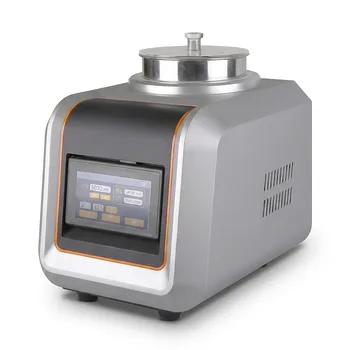
Laboratory Air Jet Sieving Machine for Fine Powder Particle Size Analysis and Deagglomeration
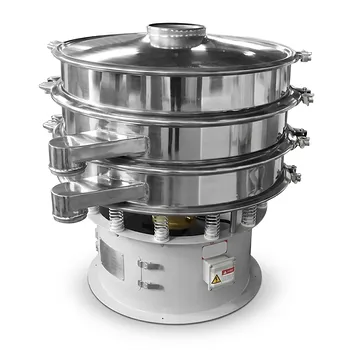
Three Dimensional Rotary Vibrating Sieve

Stainless Steel Rotary Vibrating Sieve High Precision Circular Vibratory Separator Industrial Powder Grading Machine Multi Layer Sifting Equipment
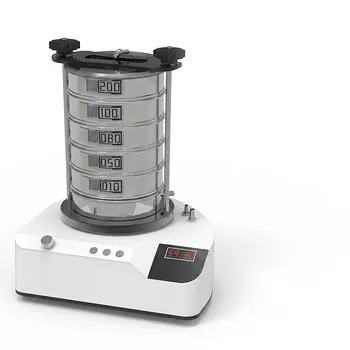
Heavy Duty Dry Three Dimensional Vibratory Sieve Shaker for Particle Separation

Laboratory Vibratory Test Sieve Shaker for Precision Particle Size Analysis and Powder Grading
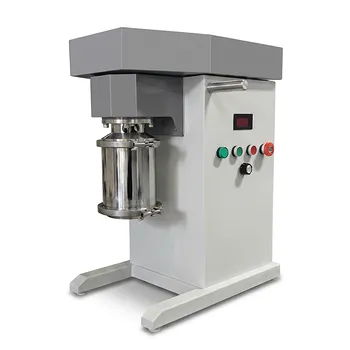
Nano Laboratory Bead Mill Desktop Sub Micron Sand Mill Screenless Seal Less Powder Grinder
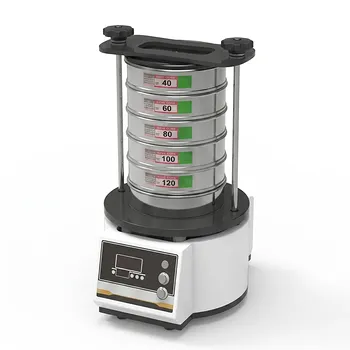
Dry Three Dimensional Vibratory Sieve Shaker
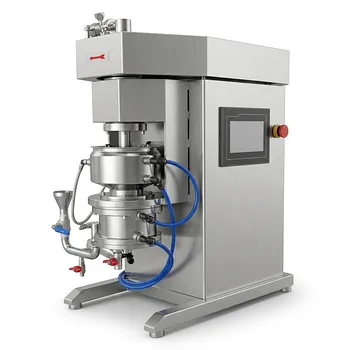
Small Ceramic Structure Laboratory Sand Mill Nanoscale Grinding Dispersion Equipment Seal-less Screen-less Design
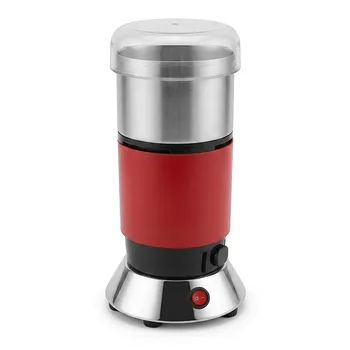
Micro Solid Sample Grinder High Speed Pulverizer for Laboratory Small Batch Grinding
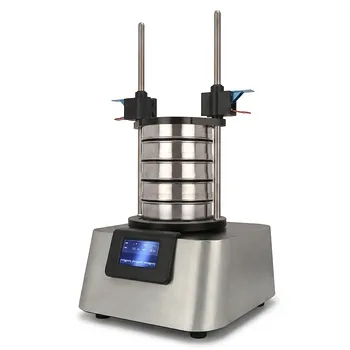
Vibratory Sieve Shaker Electromagnetic 3D Motion Powder Particle Size Analyzer for Dry and Wet Sieving

Small Laboratory Vibrating Sieve Shaker for Precise Particle Size Analysis
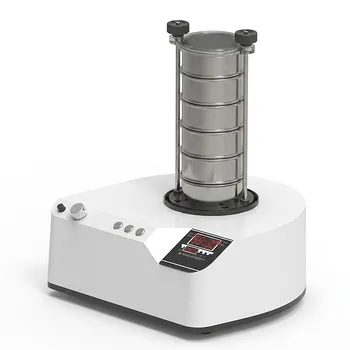
三维电磁微量振动筛分仪
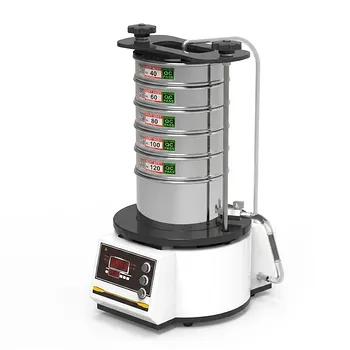
High Frequency Wet Three-Dimensional Vibrating Sieve Shaker for Dry and Wet Particle Size Analysis
Versatile Industrial Crusher for Laboratory Crushing and Material Processing
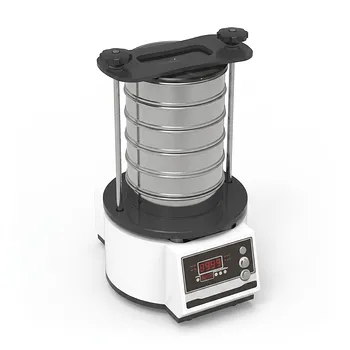
Tapping Oscillating Sieve Shaker for Dry and Wet Particle Size Analysis
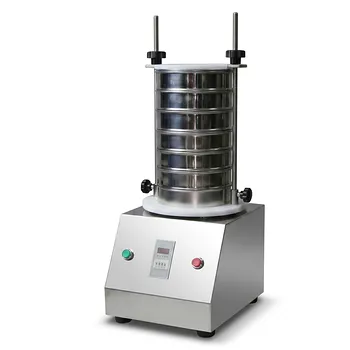
Small Laboratory Vibratory Sieve Shaker for Powder Gradation and Particle Size Analysis
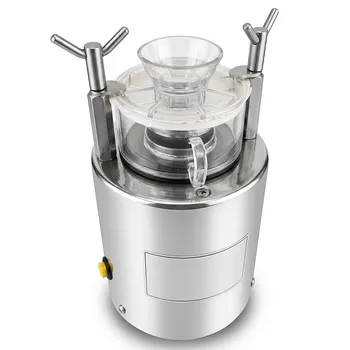
Laboratory Desktop Ultra Fine Powder Grinder High Speed Micronizing Pulverizer
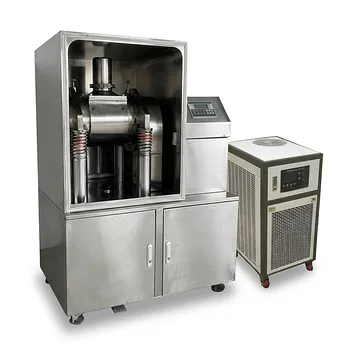
Water Cooled Cryogenic Ultra Fine Cell Wall Breaking Mill
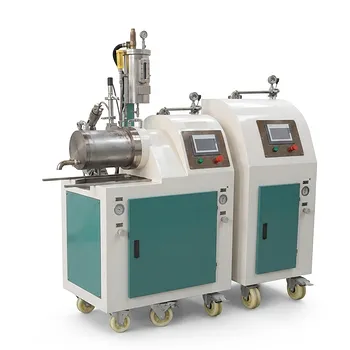
Mass Production Nano Sand Mill for Industrial Nanomaterial Grinding and Dispersion