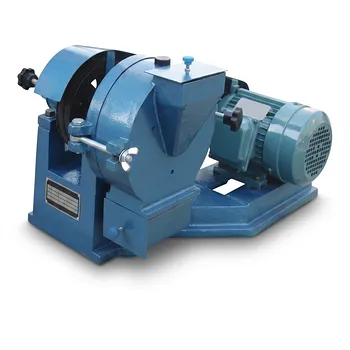
Why are laboratory test sieves required for TRWP classification? Precision Enrichment for Micro-Pollutant Analysis
Updated 4 months ago
Laboratory test sieves are the primary tool for isolating Tire and Road Wear Particles (TRWPs) because they provide the physical precision required to separate these micro-pollutants from complex roadside debris. TRWPs are predominantly concentrated within the 75–150 µm size range, making mechanical filtration essential for excluding interfering materials like large gravel or ultra-fine fugitive dust. This process achieves preliminary enrichment of the target sample, directly increasing the sensitivity and accuracy of all subsequent chemical and microscopic analyses.
Laboratory test sieves provide a standardized, repeatable method to partition complex road dust into discrete, manageable size fractions. By physically isolating TRWPs from larger debris and finer silt, researchers can accurately quantify environmental impact and protect sensitive analytical instrumentation from damage.
The Necessity of Particle Enrichment and Isolation
Target Size Optimization
TRWPs are not distributed evenly across all dust sizes; they are primarily found in the 75–150 µm range. High-quality sieves allow researchers to "cut" the sample at these specific dimensions to ensure the concentrated presence of the target particles.
Removal of Interfering Matrices
Roadside dust is a chaotic mixture of organic matter, large stones, and fine powders. Sieving allows for the exclusion of large gravel and fine fugitive dust, which would otherwise dilute the sample and obscure the TRWP signals during testing.
Sample Concentration for Sensitivity
By removing irrelevant materials, sieving acts as a preliminary enrichment step. This concentration is vital for enhancing the detection limits and sensitivity of downstream analytical procedures, such as pyrolysis-GC/MS or microscopy.
Ensuring Analytical Precision and Repeatability
Standardizing Quantitative Benchmarks
Standardized test sieves provide a consistent benchmark for measuring how particles are distributed. This allows researchers to plot sieve curves and calculate cumulative distribution data, ensuring that results are comparable across different laboratories and studies.
Protecting Downstream Instrumentation
Coarse grit, stones, and abrasive debris can damage sensitive laboratory equipment used for chemical analysis. Wet sieving is often employed to remove these larger fractions (typically >500 µm), effectively protecting downstream instruments and ensuring the longevity of the hardware.
Maintaining Sample Representativeness
For environmental research involving micron-level dust (≤20 µm), high-precision sieves are required to minimize experimental error. Ensuring the sieve mesh is accurate to within microns preserves the representativeness of the sample, which is critical for calculating atmospheric resuspension potential.
Understanding Environmental and Chemical Distribution
Linking Particle Size to Pollutant Concentration
Different pollutants, such as heavy metals, often show an enrichment effect in specific particle size intervals. Using a multi-level sieve stack allows researchers to subdivide road dust from 2000 µm down to 28 µm to identify which size fractions carry the highest toxicological risk.
Evaluating Material Wear Dynamics
Sieves are essential for studying how different tire compositions—such as Natural Rubber (NR) or carbon black content—affect wear patterns. By partitioning the particles, researchers can determine how the rubber blend influences the resulting particle size distribution during road friction.
Differentiating TRWPs from Asphalt Particles
While TRWPs are mostly found below 500 µm, Asphalt Pavement Wear Particles (APWPs) appear across all size segments. Precision sieving allows for the refined classification of these distinct materials, helping to reveal the frequency of specific polluting particles in complex road mixtures.
Understanding the Trade-offs
Physical Limitations and Particle Shape
While sieves are excellent for size classification, they categorize particles based on their smallest cross-section. Because TRWPs are often elongated or irregular, they may occasionally pass through a mesh that does not strictly represent their longest dimension.
The Risk of Mesh Blinding
In dry sieving, fine or "sticky" rubber particles can clog the sieve openings, a phenomenon known as blinding. This can lead to inaccurate weight measurements and requires the use of ultrasonic cleaners or wet sieving techniques to maintain accuracy.
Sample Loss during Transfer
Every stage of physical screening introduces a risk of material loss. Researchers must balance the need for multiple sieve layers with the potential for losing minute amounts of sample mass, which can impact the calculation of cumulative passing rates.
How to Apply This to Your Research
Effective particle classification requires matching your sieve selection to your specific analytical goal.
- If your primary focus is Environmental Risk Assessment: Use a multi-level stack (from 20 μm to 1,000 μm) to identify which specific size fractions harbor the highest concentrations of heavy metals or toxic additives.
- If your primary focus is Instrument Longevity: Implement a wet sieving protocol with a 500 μm top sieve to physically remove grit and stones before introducing the sample to sensitive fluidic or thermal analyzers.
- If your primary focus is Tire Wear Modeling: Utilize vibratory sieve shakers to generate repeatable sieve curves, allowing you to calculate D80 values and evaluate how rubber composition (like NR/BR blends) affects particle breakdown.
By utilizing high-precision laboratory sieves, you transform a chaotic environmental sample into structured, actionable data that reveals the true impact of tire and road wear.
Summary Table:
| Key Requirement | Role in TRWP Analysis | Benefit to Research |
|---|---|---|
| Target Size Isolation | Focuses on the 75–150 µm range | Ensures high concentration of target particles |
| Matrix Removal | Excludes large gravel and fine fugitive dust | Eliminates interference and improves signal accuracy |
| Sample Enrichment | Concentrates pollutants for sensitivity | Increases detection limits for GC/MS and microscopy |
| Hardware Protection | Removes abrasive grit via wet sieving | Extends the lifespan of sensitive analytical instruments |
| Standardization | Provides repeatable sieve curves (D80) | Ensures data comparability across different global labs |
Elevate Your Material Analysis with Precision Preparation
At [Company Name], we provide complete laboratory sample preparation solutions for material science, specializing in high-performance powder processing and compaction equipment. Whether you are isolating environmental micro-pollutants or developing new tire compositions, our tools ensure the highest level of repeatability and accuracy.
Our extensive product line includes:
- Sieving Excellence: Vibratory and air-jet sieve shakers with a full range of high-precision test sieves and meshes.
- Size Reduction: Advanced mills (planetary ball, jet, sand/bead, disc, rotor) and robust crushers (jaw/roll).
- Powder Processing: Specialized liquid nitrogen cryogenic grinders, powder mixers, and defoaming mixers.
- Compaction Solutions: A full spectrum of hydraulic presses, including Cold/Warm Isostatic Presses (CIP/WIP), vacuum hot presses, and XRF pellet presses.
Ready to optimize your TRWP classification or material research? Contact us today to discover how our specialized equipment can streamline your laboratory workflow and deliver superior results.
References
- Tae‐Woo Kang, H. Kim. An Experimental Study on the Component Analysis and Variation in Concentration of Tire and Road Wear Particles Collected from the Roadside. DOI: 10.3390/su151712815
Mentioned Products
- High Frequency Wet Three-Dimensional Vibrating Sieve Shaker for Dry and Wet Particle Size Analysis
- Laboratory Dry and Wet Three Dimensional Vibratory Sieve Shaker for Particle Analysis
- Laboratory Vibratory Test Sieve Shaker for Precision Particle Size Analysis and Powder Grading
- Small Laboratory Vibrating Sieve Shaker for Precise Particle Size Analysis
- Stainless Steel Laboratory Vibratory Test Sieve Shaker
People Also Ask
- Why are vibrating sieve shakers used with standard test sieves? Ensure Precise Grading for Recycled Aggregates
- What is the function of high-frequency vibratory sieve shakers in AMC powders? Master Particle Grading & PSD Control
- How does a vibratory sieve shaker contribute to optimizing the performance of activated carbon? Enhance Adsorption Precision
- Why is it essential to use a vibrating sieve shaker for the final grading of dietary fiber products? Master Quality.
- What is the role of a high-frequency vibratory sieve shaker in Cold Mix asphalt design? Optimize RAP Gradation Accuracy

Tech Team · PowderPreparation
Last updated on Jun 03, 2026
Related Products
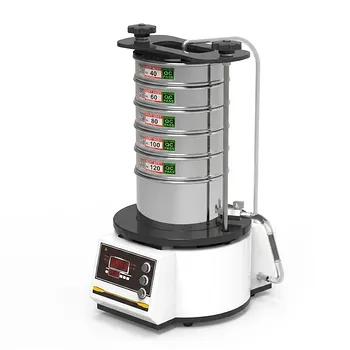
High Frequency Wet Three-Dimensional Vibrating Sieve Shaker for Dry and Wet Particle Size Analysis
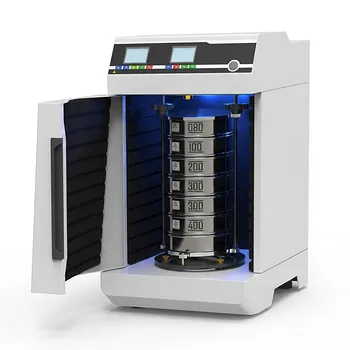
Laboratory Dry and Wet Three Dimensional Vibratory Sieve Shaker for Particle Analysis
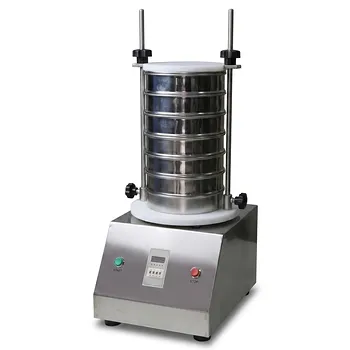
Laboratory Vibratory Test Sieve Shaker for Precision Particle Size Analysis and Powder Grading
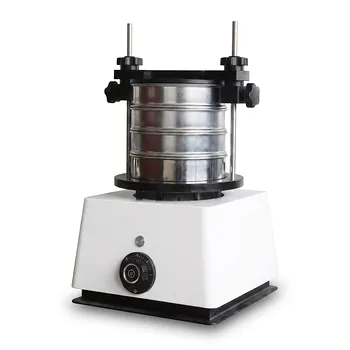
Small Laboratory Vibrating Sieve Shaker for Precise Particle Size Analysis
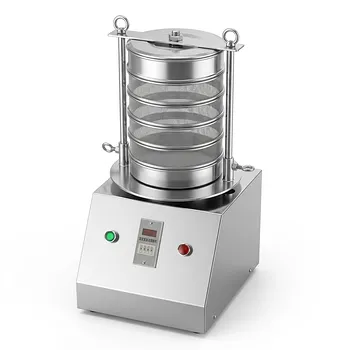
Stainless Steel Laboratory Vibratory Test Sieve Shaker
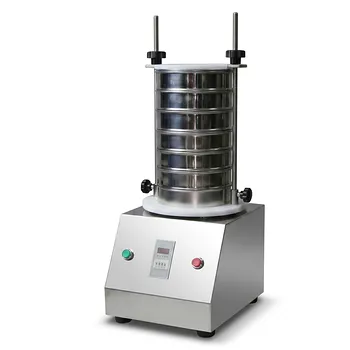
Small Laboratory Vibratory Sieve Shaker for Powder Gradation and Particle Size Analysis
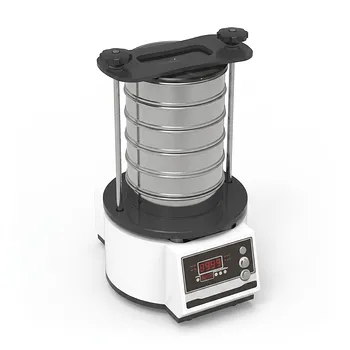
Tapping Oscillating Sieve Shaker for Dry and Wet Particle Size Analysis
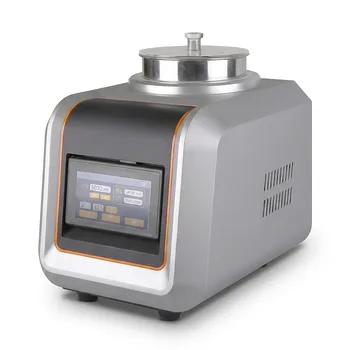
Laboratory Air Jet Sieving Machine for Fine Powder Particle Size Analysis and Deagglomeration
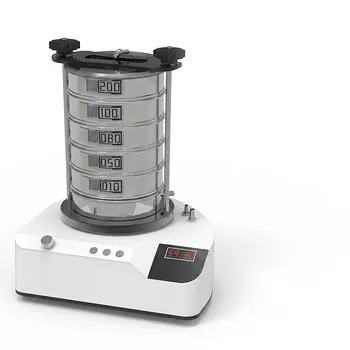
Heavy Duty Dry Three Dimensional Vibratory Sieve Shaker for Particle Separation
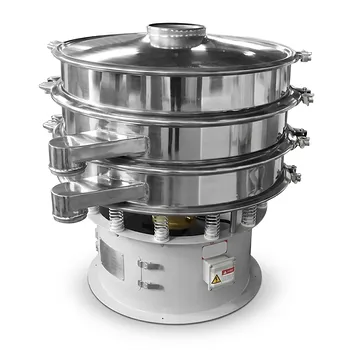
Three Dimensional Rotary Vibrating Sieve
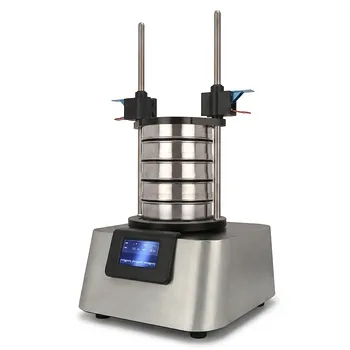
Vibratory Sieve Shaker Electromagnetic 3D Motion Powder Particle Size Analyzer for Dry and Wet Sieving
Portable Cutting Mill for Laboratory Sample Preparation and RoHS WEEE Compliance Testing
三维电磁微量振动筛分仪
Small Trace Sample High Speed Pulverizer Grinder Laboratory Powder Mill
Laboratory Ultrafine Impact and Airflow Grinder for Precise Particle Size Control
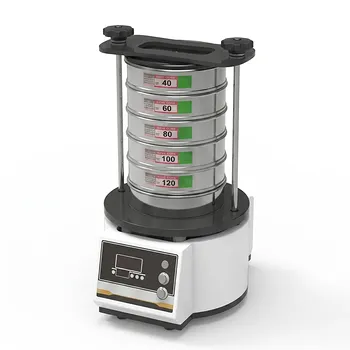
Dry Three Dimensional Vibratory Sieve Shaker
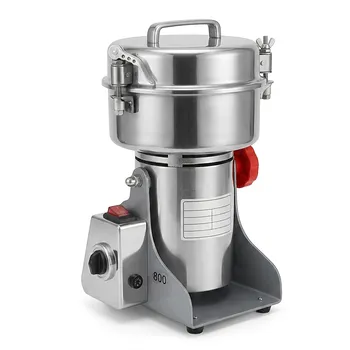
Small High-Speed Laboratory Grinder for Rapid Sample Preparation
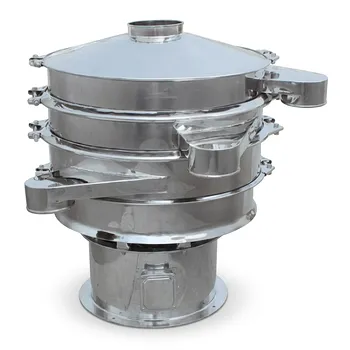
Stainless Steel Rotary Vibrating Sieve High Precision Circular Vibratory Separator Industrial Powder Grading Machine Multi Layer Sifting Equipment
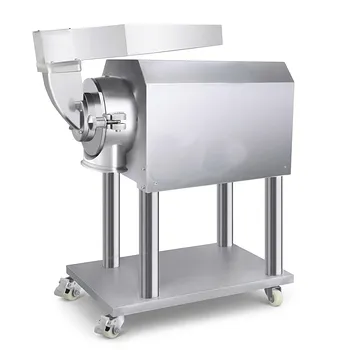
High Speed Small Laboratory Crusher for Dry Material Sample Preparation