Why is the use of precision test sieves necessary for sample preparation prior to dry carbonation? | Boost Efficiency
Updated 4 months ago
Precision test sieves are essential for dry carbonation experiments because they standardize the particle size distribution of mineral samples to maximize their specific surface area. By refining materials to specific thresholds—typically below 125 µm—these sieves ensure an optimal gas-solid contact interface. This standardization is the primary driver for accelerating reaction kinetics and maximizing the overall efficiency of carbon dioxide sequestration.
The use of precision sieves eliminates physical morphology as a variable, ensuring that carbonation rates are driven by chemical reactivity rather than inconsistent particle dimensions. This process is fundamental to achieving repeatable results and high-capacity carbon capture.
Maximizing Reaction Efficiency through Surface Area
The Impact of Specific Surface Area
Dry carbonation relies on the physical contact between CO2 gas and solid mineral particles. Precision test sieves allow researchers to isolate fine particles, which possess a higher specific surface area relative to their volume. This increased exposure ensures that more active sites are available for the carbonation reaction to occur.
Accelerating Reaction Kinetics
When particle sizes are minimized and uniform, the reaction kinetics between carbon dioxide and the solid substrate are significantly accelerated. Standardization ensures that the gas does not have to penetrate deep into large, dense aggregates, which would otherwise slow the sequestration process. Using a sieve to reach a micron-level powder creates the ideal environment for rapid chemical transformation.
Ensuring Scientific Validity and Reproducibility
Eliminating Physical Variables
In any laboratory setting, the goal is to isolate the impact of the chemical process. By using a 100-mesh or 53 µm sieve, researchers remove the influence of physical morphological differences on the results. This ensures that any observed differences in adsorption or sequestration are due to the material's properties rather than inconsistent grinding or crushing.
Maintaining Heat and Mass Transfer Uniformity
Uniform particle sizes are critical for maintaining consistent heat and mass transfer during the reaction. If particles vary too widely in size, heat distribution becomes uneven, leading to localized "hot spots" or incomplete reactions. Precision sieving guarantees that the thermal and chemical environment remains stable throughout the entire sample batch.
Guaranteeing Batch Comparability
For experiments to be scientifically sound, data must be comparable across different batches and laboratories. Laboratory standard sieves provide a universal baseline, ensuring that 100% of the raw material feed meets a specific size threshold. This level of control is necessary to validate findings and move from small-scale testing to industrial application.
Understanding the Trade-offs and Limitations
The Risk of Mesh Blinding
While finer particles are generally better for carbonation, extremely small powders can lead to mesh blinding, where particles clog the sieve openings. This can result in inaccurate grading and a loss of valuable sample material. Researchers must balance the need for fineness with the mechanical limitations of the sieving equipment.
Sample Loss and Material Integrity
Aggressive mechanical sieving can sometimes cause particle degradation, further altering the material beyond its natural crushed state. Additionally, the process of refining a sample to a very fine grade can lead to significant material loss. This is a critical consideration when working with rare or expensive mineral precursors.
Selecting the Right Approach for Your Experiment
How to Apply This to Your Project
To achieve the most reliable results in dry carbonation or similar mineral sequestration studies, your preparation protocol should be tailored to your specific performance targets.
- If your primary focus is Maximum Sequestration Speed: Utilize sieves to refine your sample to below 125 µm to maximize the gas-solid contact interface and accelerate reaction rates.
- If your primary focus is Scientific Reproducibility: Use a high-precision 53 µm or 100-mesh stainless steel sieve to ensure 100% size uniformity, eliminating physical morphology as a confounding variable.
- If your primary focus is Fluid Flow Stability: Select a sieve size that strictly limits the maximum particle diameter to prevent channel blockages in your reaction vessels or microfluidic networks.
Precision sieving is the foundational step that transforms raw mineral waste into a controlled, high-performance substrate for carbon capture.
Summary Table:
| Key Factor | Role in Dry Carbonation | Impact on Results |
|---|---|---|
| Surface Area | Maximizes gas-solid contact interface | Faster reaction & higher capacity |
| Standardization | Eliminates physical morphology variables | High scientific reproducibility |
| Kinetics | Minimizes CO2 penetration depth | Rapid chemical transformation |
| Uniformity | Ensures consistent heat & mass transfer | Stable, batch-comparable data |
Optimize Your Carbon Sequestration Research Today
Achieving repeatable results in dry carbonation starts with precise sample preparation. At our core, we provide complete laboratory sample preparation solutions for material science, specializing in high-performance powder processing and compaction equipment.
Whether you need to refine minerals using our crushers (jaw/roll), cryogenic grinders, and planetary ball mills, or ensure perfect particle distribution with our vibratory and air-jet sieve shakers, we have the tools to maximize your reaction kinetics. Our expertise extends to high-pressure workflows with a full spectrum of hydraulic presses, including Cold/Warm Isostatic Presses (CIP/WIP), XRF pellet presses, and vacuum hot presses.
Ready to enhance your lab's efficiency and scientific validity? Contact our specialists at #ContactForm to find the perfect equipment for your powder processing and material testing needs.
References
- Viktor Kolčić, Marijana Serdar. Regional waste materials as candidates for mineral carbonation-based CO₂ sequestration. DOI: 10.5592/co/phdsym.2025.12
Mentioned Products
- Laboratory Vibratory Test Sieve Shaker for Precision Particle Size Analysis and Powder Grading
- High Frequency Cabinet Type Three-Dimensional Rotary Vibrating Sieve Shaker for Dry Sieving and Particle Classification
- Heavy Duty Dry Three Dimensional Vibratory Sieve Shaker for Particle Separation
- Tapping Oscillating Sieve Shaker for Dry and Wet Particle Size Analysis
- High Frequency Wet Three-Dimensional Vibrating Sieve Shaker for Dry and Wet Particle Size Analysis
People Also Ask
- What role does a laboratory sieve shaker play in determining PDI? Achieve Precision in Biomass Quality Testing
- What are the functions of sieve shakers for coconut shell powder? Achieve Precise Particle Size & Quality Control.
- What function does a laboratory sieve shaker perform in the PSD analysis of residual soil? Ensure Precise Grading
- What is the role of a laboratory sieve shaker in the preparation of plantain peel adsorbents? Standardize Particle Size
- What is the function of a laboratory vibratory sieve shaker? Enhance Coal Particle Size Distribution (PSD) Analysis

Tech Team · PowderPreparation
Last updated on Jun 03, 2026
Related Products

Laboratory Vibratory Test Sieve Shaker for Precision Particle Size Analysis and Powder Grading
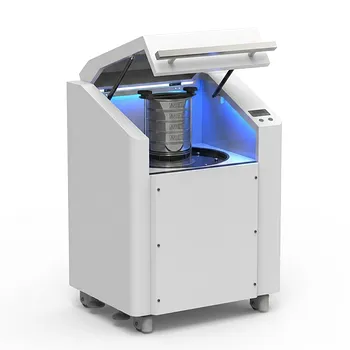
High Frequency Cabinet Type Three-Dimensional Rotary Vibrating Sieve Shaker for Dry Sieving and Particle Classification

Heavy Duty Dry Three Dimensional Vibratory Sieve Shaker for Particle Separation
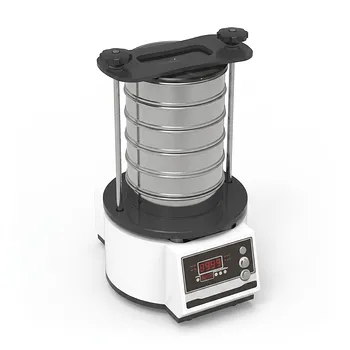
Tapping Oscillating Sieve Shaker for Dry and Wet Particle Size Analysis
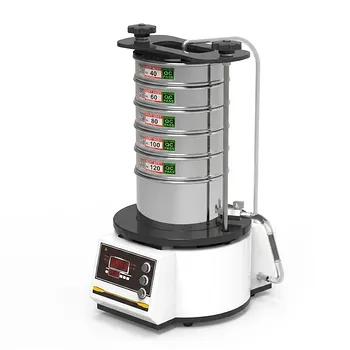
High Frequency Wet Three-Dimensional Vibrating Sieve Shaker for Dry and Wet Particle Size Analysis
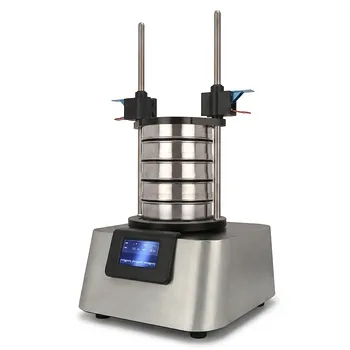
Vibratory Sieve Shaker Electromagnetic 3D Motion Powder Particle Size Analyzer for Dry and Wet Sieving

Dry Three Dimensional Vibratory Sieve Shaker
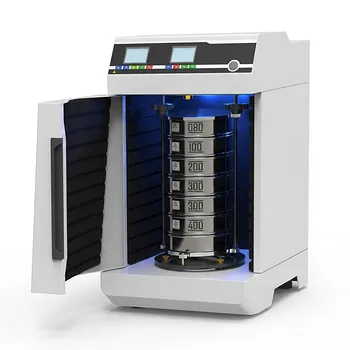
Laboratory Dry and Wet Three Dimensional Vibratory Sieve Shaker for Particle Analysis
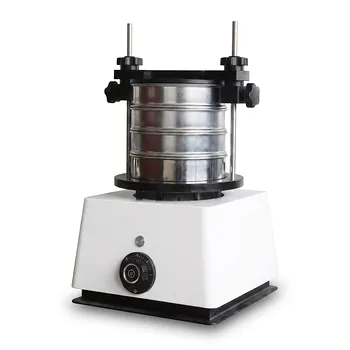
Small Laboratory Vibrating Sieve Shaker for Precise Particle Size Analysis
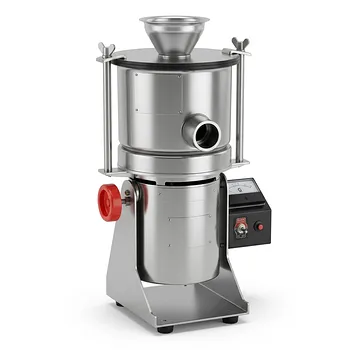
Laboratory Ultrafine Impact and Airflow Grinder for Precise Particle Size Control
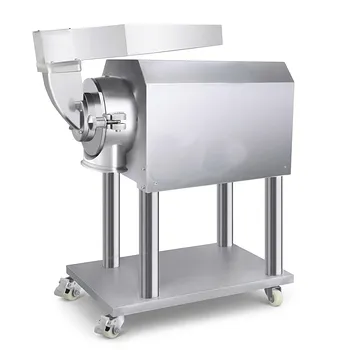
High Speed Small Laboratory Crusher for Dry Material Sample Preparation

Stainless Steel Rotary Vibrating Sieve High Precision Circular Vibratory Separator Industrial Powder Grading Machine Multi Layer Sifting Equipment
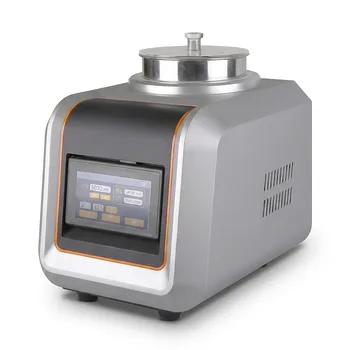
Laboratory Air Jet Sieving Machine for Fine Powder Particle Size Analysis and Deagglomeration
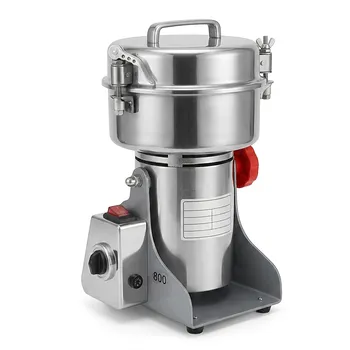
Small High-Speed Laboratory Grinder for Rapid Sample Preparation