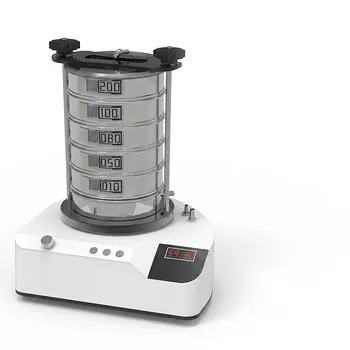
Why is a standard test sieve used for grading sunflower by-products after the grinding process? Optimize Consistency
Updated 4 months ago
Standard test sieves are the primary tool for ensuring substrate consistency in agricultural processing. Using a 1 mm aperture sieve allows processors to maintain a precise particle size distribution in ground sunflower husks and screenings. This uniformity is critical for controlling nutrient release rates and optimizing the physical dynamics of the fermentation process.
Precise particle grading transforms sunflower by-products from raw waste into a predictable, high-performance substrate. By stabilizing particle size, operators can ensure repeatable fermentation results and maximize the efficiency of industrial mixing equipment.
Optimizing Fermentation Kinetics
Regulating Nutrient Release
Particles that are too large or varied in size release nutrients at inconsistent rates, which can disrupt the biological cycle. A 1 mm sieve ensures the surface area is uniform, allowing for a steady, predictable supply of nutrients during submerged liquid fermentation.
Enhancing Mixing and Stirring Efficiency
Non-uniform particles often lead to "dead zones" or unwanted sedimentation in fermentation tanks. Consistent sizing ensures the substrate remains properly suspended in the liquid medium, allowing the stirring and mixing mechanisms to operate at peak efficiency.
Ensuring Repeatable Results
In industrial fermentation, predictability is the key to profitability. By using standardized sieving to eliminate size variance, processors can achieve highly repeatable results across different batches of sunflower by-products.
Monitoring and Validating the Grinding Process
Evaluating Equipment Performance
Sieves act as a quantitative benchmark to determine if the grinding equipment is operating according to its technical specifications. By measuring the residue rates after a grind, operators can identify when mechanical components require maintenance or recalibration.
Creating Cumulative Distribution Data
Using a series of precise mesh sizes allows for the creation of sieve curves. These curves provide the core data needed to classify the product and evaluate the "well-graded" status of the sunflower husks.
Improving Mechanical Binding
If the by-products are intended for molding or fuel production, uniform particle size increases the effective contact area between the biomass and binders. This results in a stronger mechanical bond and improved structural integrity of the final product.
Understanding the Trade-offs
Over-Processing Risks
While fine particles increase surface area for fermentation, grinding too finely can lead to excessive energy consumption. It is essential to balance the need for small particles with the operational costs of the grinding process.
Limitations of Single-Aperture Testing
Relying solely on a 1 mm sieve provides a simple pass/fail metric but may mask subtle shifts in the overall particle distribution. For complex process optimization, a full nest of sieves is often required to capture a complete data profile.
How to Apply This to Your Process
Choosing the right sieving protocol depends on your specific end-use for the sunflower by-products.
- If your primary focus is repeatable fermentation: Utilize a 1 mm aperture sieve to stabilize nutrient release and ensure mixing consistency.
- If your primary focus is equipment optimization: Use a range of mesh sizes (2.0mm to 10mm) to plot sieve curves and calculate the efficiency of your crushing machinery.
- If your primary focus is mechanical strength: Prioritize high uniformity to maximize the contact area between biomass and binders during the molding process.
Precise particle grading is the foundation of turning raw agricultural by-products into high-value, standardized industrial inputs.
Summary Table:
| Key Benefit | Impact on Processing | Optimal Sieve Size |
|---|---|---|
| Fermentation Kinetics | Regulates nutrient release and prevents sedimentation | 1.0 mm |
| Mixing Efficiency | Eliminates "dead zones" in industrial stirring tanks | Uniform Distribution |
| Equipment Validation | Quantitative benchmark for crusher/mill performance | Sieve Curve Series |
| Mechanical Binding | Increases contact area for biomass molding and fuel | High Uniformity |
Elevate Your Agricultural Processing with Precision Lab Solutions
Turning raw agricultural waste into high-value industrial substrate requires precision at every step. [Your Brand Name] provides complete laboratory sample preparation solutions for material science, specializing in powder processing and compaction equipment designed to meet the most rigorous standards.
Whether you are grading sunflower by-products or developing new biomass materials, our extensive product line supports your entire workflow:
- Particle Size Analysis: High-precision vibratory and air-jet sieve shakers with a full range of test sieves and meshes.
- Material Grinding: Professional-grade jaw/roll crushers, liquid nitrogen cryogenic grinders, and specialized mills (planetary ball, jet, sand, disc, and rotor).
- Mixing & Compaction: Advanced powder mixers and a full spectrum of hydraulic presses, including Cold/Warm Isostatic Presses (CIP/WIP), hot presses, and XRF pellet presses.
Ready to maximize your fermentation efficiency and ensure repeatable results?
Contact our technical team today to find the perfect equipment configuration for your lab!
References
- Santosh Thapa, Bishnu Karki. Valorizing sunflower processing byproducts for a sustainable bioeconomy: Fungal fermentation and characterization of hulls and screens. DOI: 10.1002/jsf2.70007
Mentioned Products
- Stainless Steel Laboratory Vibratory Test Sieve Shaker
- Laboratory Vibratory Test Sieve Shaker for Precision Particle Size Analysis and Powder Grading
- Small Laboratory Vibrating Sieve Shaker for Precise Particle Size Analysis
- 三维电磁微量振动筛分仪
- Small Laboratory Vibratory Sieve Shaker for Powder Gradation and Particle Size Analysis
People Also Ask
- What function does a laboratory vibratory sieve shaker serve in the production process of metakaolin? Optimize Reactivity
- Why is a precision laboratory vibratory sieve shaker necessary for particle size control? Optimize Biomass Carbonization
- What is the function of a laboratory vibratory sieve shaker? Enhance Coal Particle Size Distribution (PSD) Analysis
- What role do laboratory vibratory sieve shakers and test sieves play before the molding of Nb-Cu composite powders?
- What is the primary function of a laboratory vibratory sieve shaker in the evaluation of sand liquefaction potential?

Tech Team · PowderPreparation
Last updated on Jun 03, 2026
Related Products
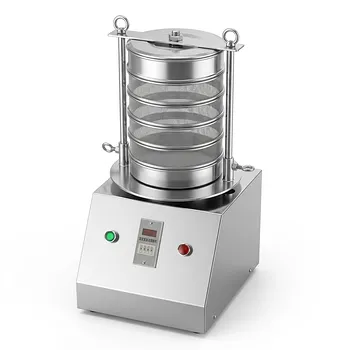
Stainless Steel Laboratory Vibratory Test Sieve Shaker
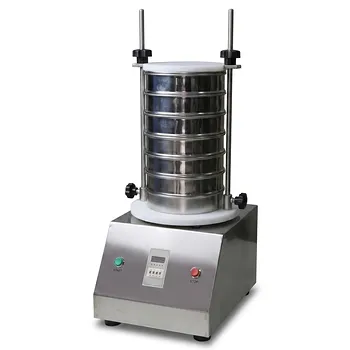
Laboratory Vibratory Test Sieve Shaker for Precision Particle Size Analysis and Powder Grading
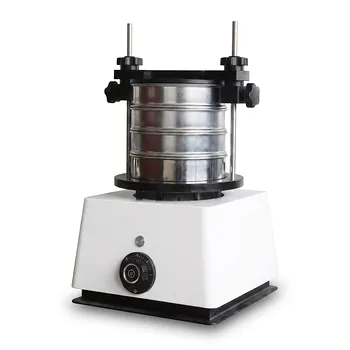
Small Laboratory Vibrating Sieve Shaker for Precise Particle Size Analysis
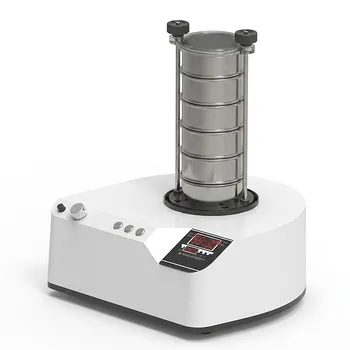
三维电磁微量振动筛分仪
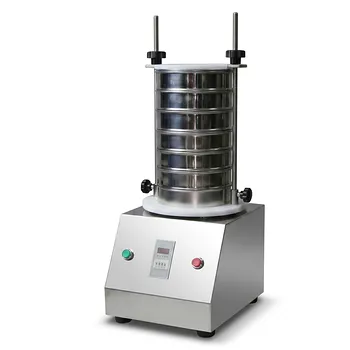
Small Laboratory Vibratory Sieve Shaker for Powder Gradation and Particle Size Analysis
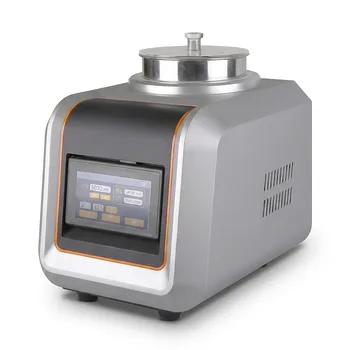
Laboratory Air Jet Sieving Machine for Fine Powder Particle Size Analysis and Deagglomeration
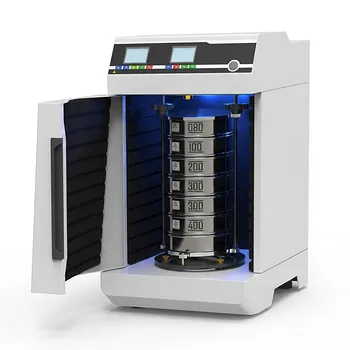
Laboratory Dry and Wet Three Dimensional Vibratory Sieve Shaker for Particle Analysis
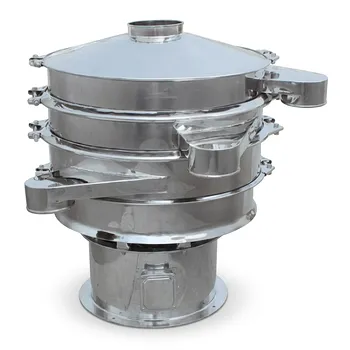
Stainless Steel Rotary Vibrating Sieve High Precision Circular Vibratory Separator Industrial Powder Grading Machine Multi Layer Sifting Equipment
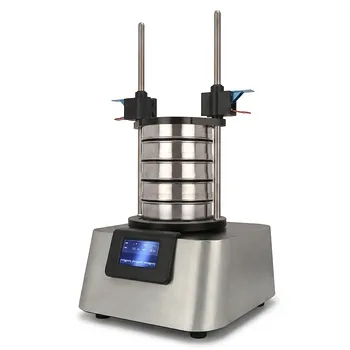
Vibratory Sieve Shaker Electromagnetic 3D Motion Powder Particle Size Analyzer for Dry and Wet Sieving
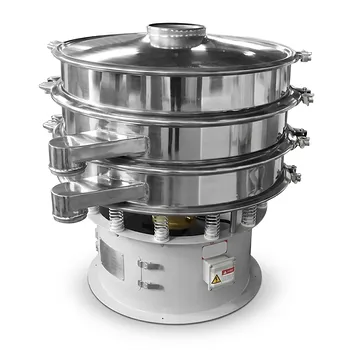
Three Dimensional Rotary Vibrating Sieve
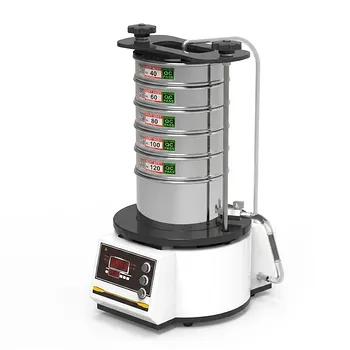
High Frequency Wet Three-Dimensional Vibrating Sieve Shaker for Dry and Wet Particle Size Analysis
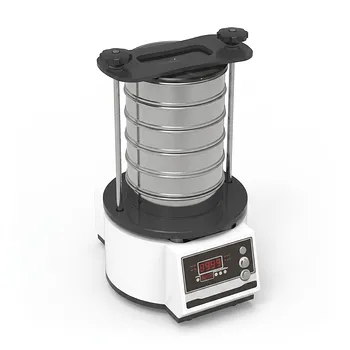
Tapping Oscillating Sieve Shaker for Dry and Wet Particle Size Analysis
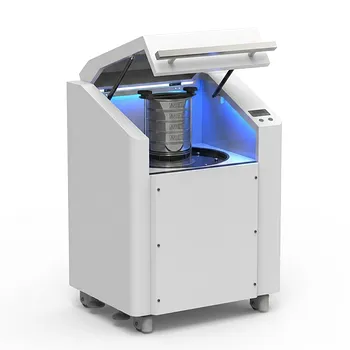
High Frequency Cabinet Type Three-Dimensional Rotary Vibrating Sieve Shaker for Dry Sieving and Particle Classification
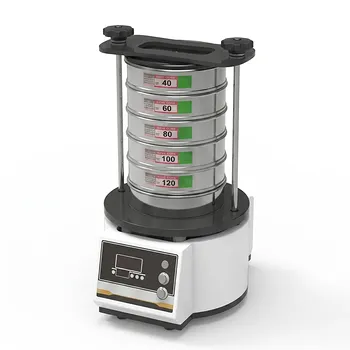
Dry Three Dimensional Vibratory Sieve Shaker