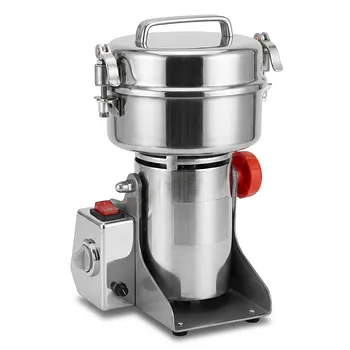
What is the significance of using a 300-mesh laboratory test sieve in controlling the particle size of pistachio shell powder?
Updated 4 months ago
Utilizing a 300-mesh laboratory test sieve is the technical standard for producing pistachio shell powder with a diameter of less than 53 micrometers (μm). This specific particle size is the "gold standard" for incorporating natural fillers into Fused Deposition Modeling (FDM) 3D printing, as it ensures the material can pass through standard printer nozzles without causing catastrophic mechanical failures.
A 300-mesh sieve acts as a critical quality control gate, ensuring that pistachio shell fillers are fine enough to prevent nozzle clogging while maximizing the mechanical strength and uniformity of the resulting bio-composite material.
Preventing Equipment Failure in 3D Printing
Eliminating Mechanical Nozzle Clogging
Standard FDM 3D printer nozzles often have diameters ranging from 0.4mm to 0.6mm. Particles larger than 53μm (the aperture of a 300-mesh sieve) tend to cluster or "bridge" at the nozzle entrance, leading to immediate clogging and print failure.
Ensuring Continuous Extrusion
Consistent flow is vital for high-quality 3D prints. By restricting the pistachio shell powder to sub-53μm dimensions, the viscosity of the PLA-composite remains predictable, allowing for a smooth, uninterrupted extrusion process during the additive manufacturing cycle.
Enhancing Material Integrity and Performance
Achieving Dispersion Uniformity
The primary challenge of using organic fillers like pistachio shells is preventing "clumping" within the Polylactic Acid (PLA) matrix. Fine particles produced by a 300-mesh sieve provide a higher specific surface area, which allows the filler to distribute more evenly throughout the plastic, creating a more homogenous material.
Reducing Stress Concentration Points
In composite science, large or irregular particles act as "stress risers" where cracks can easily begin. Utilizing the fine powder from a 300-mesh sieve ensures a uniform particle size distribution, which minimizes these weak points and enhances the overall mechanical balance and repeatability of the composite's strength.
Improving Chemical and Physical Bonding
Smaller particles facilitate more intimate contact between the filler and the polymer matrix. This increased contact area improves the interfacial bonding, ensuring that the pistachio shell powder actually reinforces the plastic rather than just acting as a "contaminant" that weakens the structure.
Understanding the Trade-offs and Pitfalls
The Risk of Mesh Blinding
When dealing with organic powders like pistachio shells, "blinding"—where fine particles bridge and block the sieve openings—is a common issue. To achieve an accurate 53μm cut, the use of a vibratory sieve shaker is often necessary to overcome the natural adhesion of the powder.
Balancing Purity and Yield
While a 300-mesh sieve provides the highest quality filler, it also represents a more rigorous filtration process. Producers must account for the lower recovery rate of ultra-fine powder compared to coarser grades, ensuring that the grinding process is efficient enough to produce a high volume of sub-53μm particles.
How to Apply This to Your Project
Recommendations for Material Development
- If your primary focus is FDM 3D Printing: You must use the 300-mesh sieve to ensure all particles are under 53μm to avoid nozzle damage and print interruptions.
- If your primary focus is Maximum Structural Strength: Prioritize the 300-mesh output to maximize the surface area for bonding and to reduce internal stress concentration points within the composite.
- If your primary focus is High-Volume Production: Consider a multi-stage sieving process (e.g., 100-mesh followed by 300-mesh) to prevent the fine screen from clogging and to improve the overall throughput of the powder.
By strictly controlling particle size through 300-mesh sieving, you transform agricultural waste into a high-performance, functional filler capable of meeting the rigorous demands of modern additive manufacturing.
Summary Table:
| Parameter | Specification | Key Benefit for 3D Printing |
|---|---|---|
| Sieve Mesh | 300 Mesh | Technical standard for ultra-fine organic fillers |
| Aperture Size | 53 μm | Prevents clogging in standard 0.4-0.6mm FDM nozzles |
| Target Material | Pistachio Shell Powder | Transforms agricultural waste into high-performance filler |
| Material Quality | High Surface Area | Enhances interfacial bonding and reduces stress points |
| Recommended Tool | Vibratory Sieve Shaker | Prevents mesh blinding and ensures consistent particle yield |
Elevate Your Material Research with Precision Powder Solutions
Are you struggling with nozzle clogs or inconsistent bio-composite strength? At KINTEK, we provide complete laboratory sample preparation solutions tailored for material science. Whether you are processing pistachio shells or advanced ceramics, our equipment ensures the precise particle size distribution your project demands.
Our Specialized Product Range Includes:
- Powder Processing: High-efficiency vibratory and air-jet sieve shakers, precision test sieves, and advanced milling solutions (Planetary Ball, Jet, and Cryogenic Grinders).
- Compaction & Forming: A full spectrum of hydraulic presses, including Cold/Warm Isostatic Presses (CIP/WIP), vacuum hot presses, and XRF pellet presses.
- Mixing Excellence: Specialized powder and defoaming mixers for homogenous material distribution.
Don't let inconsistent particle sizes compromise your 3D printing or material integrity. Contact KINTEK today to discover how our expertise in powder processing can optimize your laboratory workflow!
References
- S. Rashia Begum, Mukesh Kumar. Study on pistachio shell filled PLA composites for FDM-based processing. DOI: 10.1038/s41598-025-22006-1
Mentioned Products
- Stainless Steel Laboratory Vibratory Test Sieve Shaker
- Laboratory Vibratory Test Sieve Shaker for Precision Particle Size Analysis and Powder Grading
- Small Laboratory Vibrating Sieve Shaker for Precise Particle Size Analysis
- Laboratory Air Jet Sieving Machine for Fine Powder Particle Size Analysis and Deagglomeration
- Small Laboratory Vibratory Sieve Shaker for Powder Gradation and Particle Size Analysis
People Also Ask
- What function does a laboratory vibratory sieve shaker serve in the production process of metakaolin? Optimize Reactivity
- Why is a precision laboratory vibratory sieve shaker necessary for particle size control? Optimize Biomass Carbonization
- What is the function of a laboratory vibratory sieve shaker? Enhance Coal Particle Size Distribution (PSD) Analysis
- What role do laboratory vibratory sieve shakers and test sieves play before the molding of Nb-Cu composite powders?
- What is the primary function of a laboratory vibratory sieve shaker in the evaluation of sand liquefaction potential?

Tech Team · PowderPreparation
Last updated on Jun 03, 2026
Related Products
Stainless Steel Laboratory Vibratory Test Sieve Shaker
Laboratory Vibratory Test Sieve Shaker for Precision Particle Size Analysis and Powder Grading
Small Laboratory Vibrating Sieve Shaker for Precise Particle Size Analysis
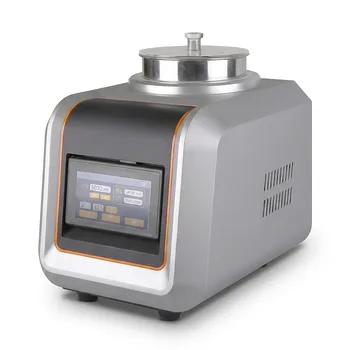
Laboratory Air Jet Sieving Machine for Fine Powder Particle Size Analysis and Deagglomeration
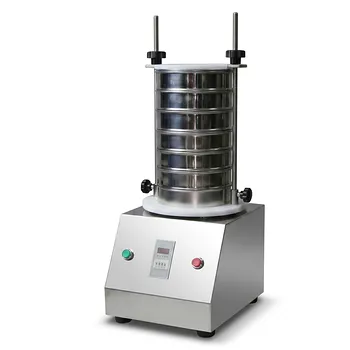
Small Laboratory Vibratory Sieve Shaker for Powder Gradation and Particle Size Analysis
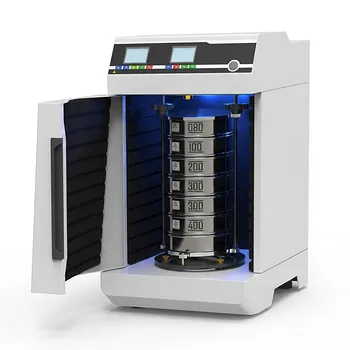
Laboratory Dry and Wet Three Dimensional Vibratory Sieve Shaker for Particle Analysis
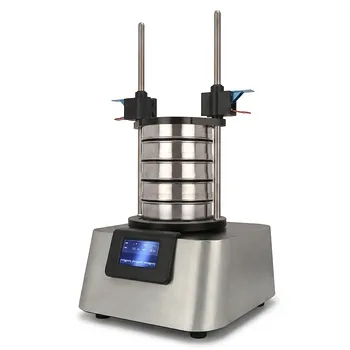
Vibratory Sieve Shaker Electromagnetic 3D Motion Powder Particle Size Analyzer for Dry and Wet Sieving
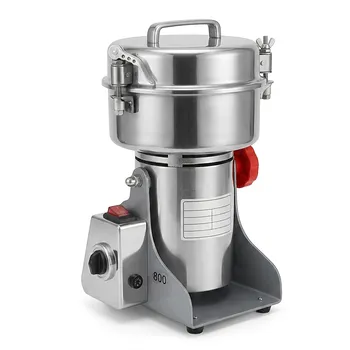
Small High-Speed Laboratory Grinder for Rapid Sample Preparation
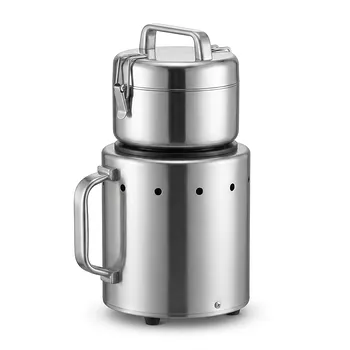
Small High Speed Grinder for Laboratory Sample Preparation
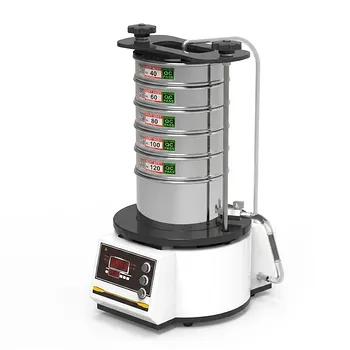
High Frequency Wet Three-Dimensional Vibrating Sieve Shaker for Dry and Wet Particle Size Analysis
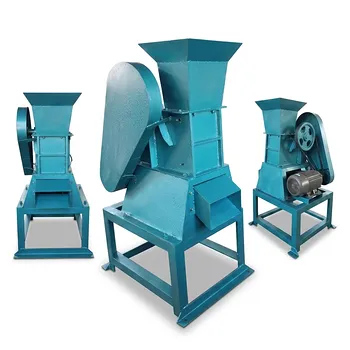
Custom Raised Height Laboratory Jaw Crusher for Precision Sample Preparation in Material Science
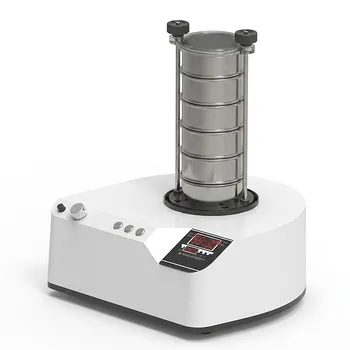
三维电磁微量振动筛分仪
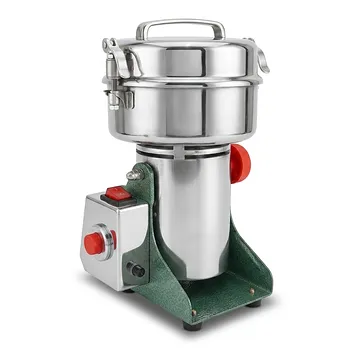
Small High-Speed Laboratory Grinder for Powder Processing
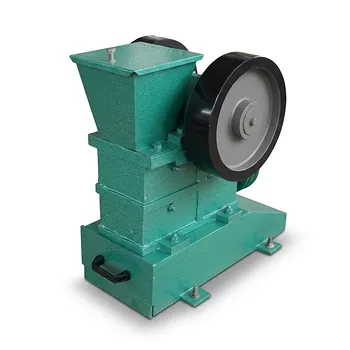
Laboratory Small Jaw Crusher 100x60mm
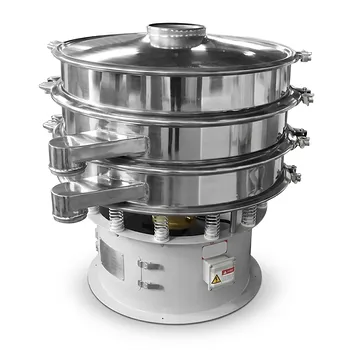
Three Dimensional Rotary Vibrating Sieve
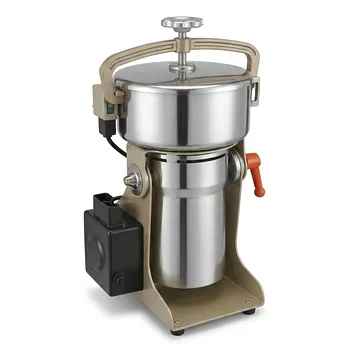
Multifunctional High Efficiency High Speed Laboratory Grinder
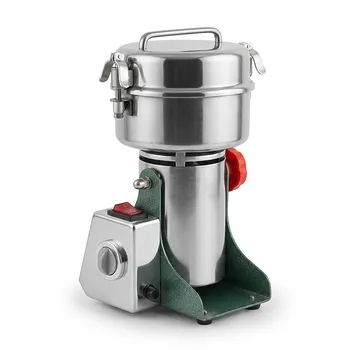
Small High-Speed Swing Grinder for Laboratory Sample Preparation
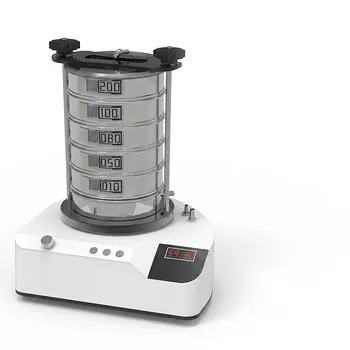
Heavy Duty Dry Three Dimensional Vibratory Sieve Shaker for Particle Separation
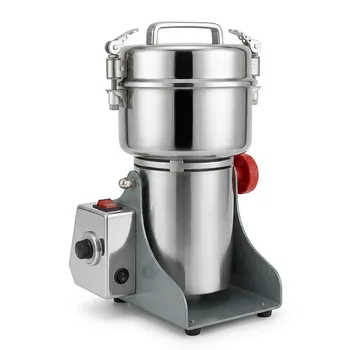
Versatile Industrial Crusher for Laboratory Crushing and Material Processing