Why is a 0.08mm standard sieve required for testing the fineness of cement? Optimize Recycled Pervious Concrete Quality
Updated 4 months ago
A 0.08mm standard sieve is the primary tool used to measure the fineness of cement, which directly governs the material's chemical reactivity. By determining the residue of cement particles on this specific mesh, engineers can predict the hydration rate and the resulting strength of the concrete. In the context of recycled aggregate pervious concrete, this measurement is vital for ensuring the cement paste has the necessary adhesive properties to bond porous recycled materials effectively.
The 0.08mm sieve ensures cement meets technical specifications for fineness, which is the key driver of hydration speed and early-stage strength development. This precise control is essential for creating a cement paste that effectively bonds recycled aggregates while maintaining the uniform pore structure required for pervious concrete.
The Physics of Hydration and Strength
Accelerating Chemical Reactions
Finer cement particles, as determined by the 0.08mm sieve, provide a larger total surface area for water to react with. This increased surface area accelerates the hydration process, leading to faster setting times and more efficient chemical conversion.
Achieving Early-Stage Strength
High-fineness cement contributes significantly to rapid early strength development. In pervious concrete, where the structural matrix relies on point-to-point contact between aggregates, early strength is critical for maintaining the integrity of the void structure.
Enhancing Paste Adhesion in Recycled Systems
Bonding with Porous Aggregates
Recycled aggregates are often more porous and irregular than natural stones. A precisely controlled cement fineness ensures the paste is "sticky" enough to coat these irregular surfaces without draining away or filling the intended drainage voids.
Optimizing the Interfacial Transition Zone (ITZ)
The bond between the cement paste and the recycled aggregate is often the weakest point of the concrete. Correct cement fineness, verified through sieve analysis, improves the density of this bond, enhancing the overall durability and load-bearing capacity of the final product.
Quality Control and Grinding Efficiency
Monitoring Grinding Stability
Using a 0.08mm sieve allows manufacturers to monitor the stability of the industrial grinding process. It acts as a quantitative benchmark to ensure the particle size distribution remains consistent across different production batches.
Managing Energy Consumption and Residue
Precision sieving helps optimize energy use during the manufacturing of cement. By targeting a specific residue rate on the 0.08mm mesh, producers avoid the unnecessary costs of over-grinding while ensuring the cement has sufficient surface area for chemical reactions.
Understanding the Trade-offs
The Risk of Excessive Fineness
While finer cement increases strength, it also increases the risk of concrete shrinkage and thermal cracking. Excessive fineness can lead to higher water demand, which may inadvertently reduce the workability of the mix and compromise the permeability of the pervious concrete.
Balancing Cost and Performance
Producing ultra-fine cement requires more grinding time and results in higher material costs. Engineers must balance the technical need for high early strength against the economic constraints of using recycled aggregates in large-scale infrastructure projects.
How to Apply This to Your Project
When selecting or testing cement for recycled aggregate pervious concrete, use the 0.08mm sieve results to guide your material selection based on these goals:
- If your primary focus is rapid project turnaround: Prioritize cement with a lower residue on the 0.08mm sieve to ensure high early strength and faster formwork removal.
- If your primary focus is maximum permeability: Use the sieve to ensure the cement is not overly fine, which helps maintain the specific viscosity needed to prevent the paste from clogging the drainage pores.
- If your primary focus is cost-efficiency with recycled materials: Use standard sieve analysis to verify that mid-grade cement meets the minimum fineness requirements for adequate paste adhesion without the premium cost of ultra-fine products.
Mastering the use of the 0.08mm sieve allows for the precise material control necessary to transform recycled waste into high-performance, permeable infrastructure.
Summary Table:
| Aspect | Role of 0.08mm Sieve Analysis | Impact on Pervious Concrete |
|---|---|---|
| Hydration Rate | Determines particle surface area | Faster setting and higher early-stage strength |
| Paste Adhesion | Controls cement paste viscosity | Ensures strong bonding with porous recycled aggregates |
| Pore Integrity | Prevents over-fineness and drainage | Maintains uniform void structure for permeability |
| Quality Control | Monitors grinding consistency | Ensures stable performance across production batches |
| Cost Efficiency | Optimizes energy use in grinding | Balances material performance with production costs |
Elevate Your Material Testing Precision with Our Expert Solutions
Achieving the perfect balance of hydration and bond strength in recycled aggregate pervious concrete requires high-precision equipment. As a leader in providing complete laboratory sample preparation solutions for material science, we offer the tools you need to ensure every batch meets rigorous standards.
Our specialized product line includes:
- Sieve Analysis: High-accuracy sieve shakers (vibratory/air-jet) and a wide range of standard test sieves and meshes.
- Powder Processing: Jaw/roll crushers, planetary ball mills, jet mills, and cryogenic grinders for superior particle size control.
- Compaction & Preparation: A full spectrum of hydraulic presses, including CIP/WIP, hot presses, and XRF pellet presses.
- Mixing: Advanced powder and defoaming mixers for uniform material distribution.
Whether you are optimizing recycled material bonding or monitoring grinding stability, our equipment delivers the reliability your research demands. Contact us today to discuss your specific requirements and let our experts help you find the ideal solution for your laboratory.
References
- Yangang Zhang, Fasheng Zhang. Experimental Study of the Physical and Mechanical Properties of Recycled Aggregate Pervious Concrete. DOI: 10.2991/ifeesm-17.2018.70
Mentioned Products
- Laboratory Air Jet Sieving Machine for Fine Powder Particle Size Analysis and Deagglomeration
- Stainless Steel Rotary Vibrating Sieve High Precision Circular Vibratory Separator Industrial Powder Grading Machine Multi Layer Sifting Equipment
- Three Dimensional Rotary Vibrating Sieve
- Laboratory Vibratory Test Sieve Shaker for Precision Particle Size Analysis and Powder Grading
- Heavy Duty Dry Three Dimensional Vibratory Sieve Shaker for Particle Separation
People Also Ask
- What role do laboratory test sieves play in the nanocrystallization process of iron powder? Ensure Uniform Refinement
- What is the function of a laboratory test sieve in the river sediment sample preparation process? Ensure Precise Data
- What is the purpose of using 0.038 mm sieves in magnetite grinding? Quantify Kinetics and Boost Grinding Efficiency
- How do laboratory test sieves contribute to the analysis of soil texture composition? Optimize Particle Grading Accuracy
- How does an air-jet mill enhance the performance of Mo2N when used as an electrocatalyst? Optimize Electrode Efficiency

Tech Team · PowderPreparation
Last updated on Jun 03, 2026
Related Products
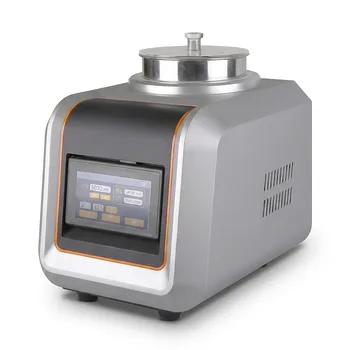
Laboratory Air Jet Sieving Machine for Fine Powder Particle Size Analysis and Deagglomeration
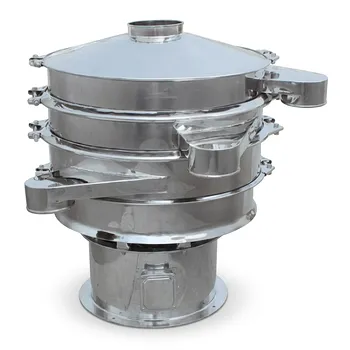
Stainless Steel Rotary Vibrating Sieve High Precision Circular Vibratory Separator Industrial Powder Grading Machine Multi Layer Sifting Equipment
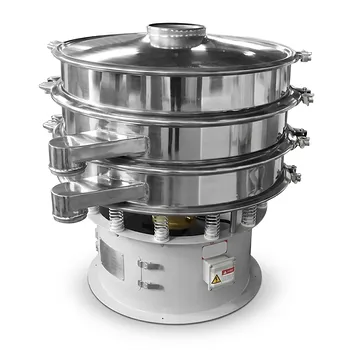
Three Dimensional Rotary Vibrating Sieve
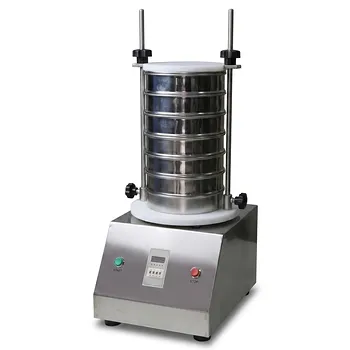
Laboratory Vibratory Test Sieve Shaker for Precision Particle Size Analysis and Powder Grading
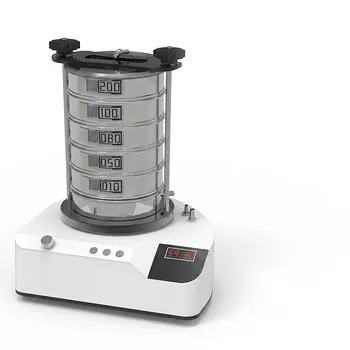
Heavy Duty Dry Three Dimensional Vibratory Sieve Shaker for Particle Separation
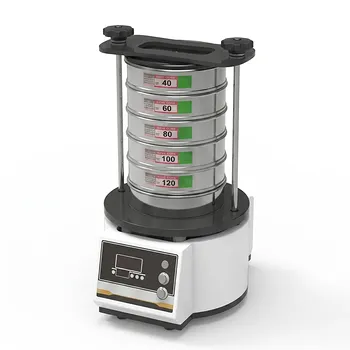
Dry Three Dimensional Vibratory Sieve Shaker
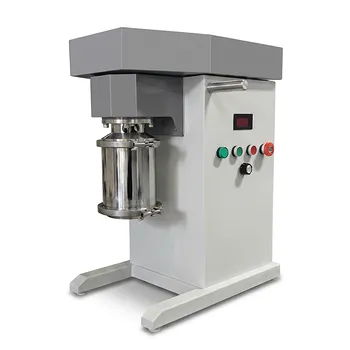
Nano Laboratory Bead Mill Desktop Sub Micron Sand Mill Screenless Seal Less Powder Grinder
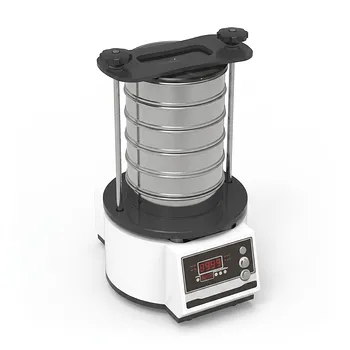
Tapping Oscillating Sieve Shaker for Dry and Wet Particle Size Analysis
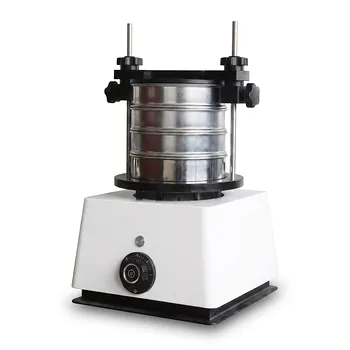
Small Laboratory Vibrating Sieve Shaker for Precise Particle Size Analysis
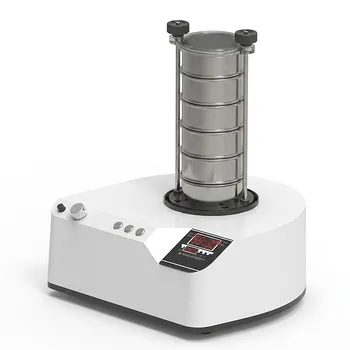
三维电磁微量振动筛分仪
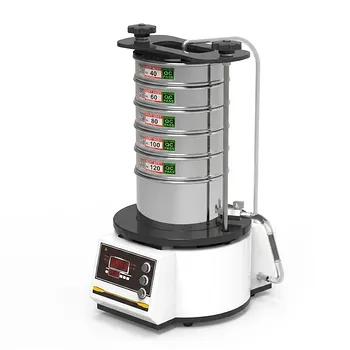
High Frequency Wet Three-Dimensional Vibrating Sieve Shaker for Dry and Wet Particle Size Analysis
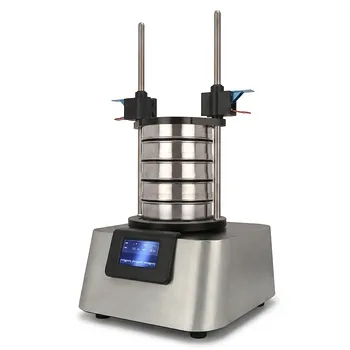
Vibratory Sieve Shaker Electromagnetic 3D Motion Powder Particle Size Analyzer for Dry and Wet Sieving
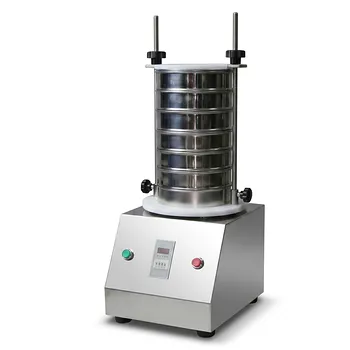
Small Laboratory Vibratory Sieve Shaker for Powder Gradation and Particle Size Analysis
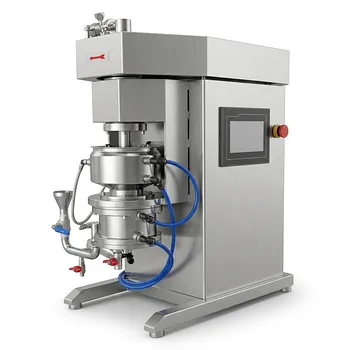
Small Ceramic Structure Laboratory Sand Mill Nanoscale Grinding Dispersion Equipment Seal-less Screen-less Design
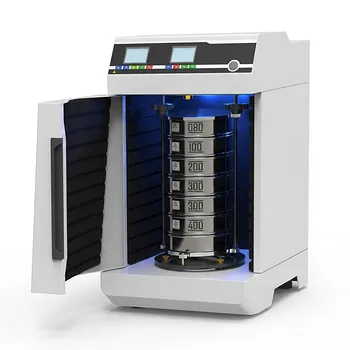
Laboratory Dry and Wet Three Dimensional Vibratory Sieve Shaker for Particle Analysis
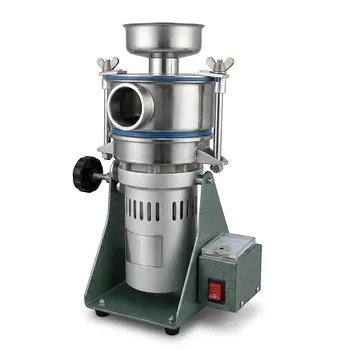
Small Airflow Ultra-Fine Grinder for Laboratory Sample Preparation
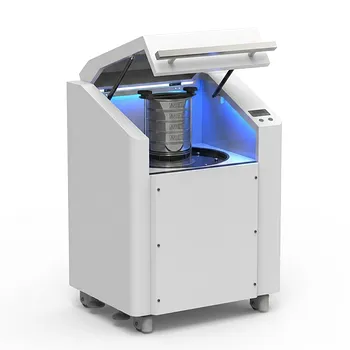
High Frequency Cabinet Type Three-Dimensional Rotary Vibrating Sieve Shaker for Dry Sieving and Particle Classification
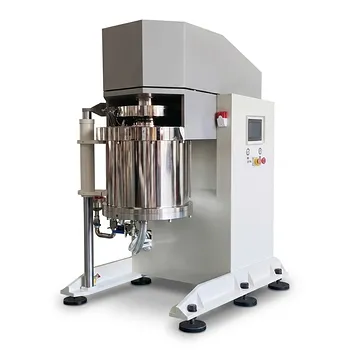
Vertical Nano Bead Mill for Ceramic Materials with Permanent Magnet Motor and High Efficiency Grinding
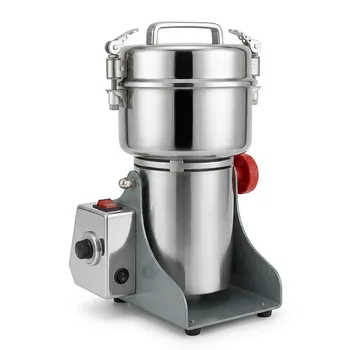
Versatile Industrial Crusher for Laboratory Crushing and Material Processing