What is the primary purpose of using standard test sieves when processing laterite for geoconcrete production? Optimize Strength
Updated 4 months ago
The primary purpose of using standard test sieves when processing laterite is to precisely control particle size distribution. This granular control allows operators to isolate specific grain size ranges, which directly dictates the density, porosity, and final thermal conductivity of the pressed geoconcrete bricks. By ensuring a uniform material profile, sieving also removes impurities and oversized lumps that could compromise the material's structural integrity.
Core Takeaway: Standard test sieves are the essential tool for transforming raw, non-uniform laterite into a calibrated engineering material. Precise grading ensures that the resulting geoconcrete achieves the specific density and thermal performance required for high-quality construction.
Enhancing Material Performance through Gradation
Isolation of Specific Grain Size Ranges
Standard sieves, such as those conforming to ISO 565, use specific mesh apertures like 5 mm, 12.5 mm, and 20 mm to categorize laterite aggregates. This process allows producers to create a "recipe" of particles that fit together efficiently, reducing the space between grains.
Optimization of Density and Porosity
The way particles pack together determines the void ratio of the geoconcrete. By using a scientific grading of fine and coarse aggregates, you can increase the compressive strength and density of the final brick, as there are fewer air pockets to act as weak points.
Control of Thermal Conductivity
For geoconcrete bricks, thermal performance is often as critical as strength. Precise control over the particle distribution allows for the intentional management of porosity, which directly influences how well the finished material conducts or resists heat.
Ensuring Material Purity and Consistency
Removal of Impurities and Oversized Chunks
Raw laterite often contains unburned impurities, organic matter, or large crystalline chunks that can create structural flaws. Sieving acts as a quality control gate, ensuring that only material of a designated size enters the production mix.
Improving Rheological Properties
In the geoconcrete mix, the "flow" and workability of the material—its rheological properties—depend on a consistent particle size. Uniform particles ensure that stabilizers and binders coat the aggregates evenly, leading to a more predictable chemical reaction during the geopolymerization process.
Ensuring Experimental Repeatability
When testing geoconcrete in a laboratory setting, standard sieves (such as ASTM E11 compliant models) ensure that every sample is representative of the whole. This consistency is vital for achieving accurate and repeatable results during heavy compaction or mechanical strength testing.
Understanding the Trade-offs
The Cost of Precision
While high-precision sieving improves material quality, it adds time and labor costs to the preparation stage. Over-processing laterite into extremely narrow size ranges can lead to material waste if the excluded fractions cannot be utilized elsewhere in the project.
Risk of Sieve Blinding
Laterite, depending on its moisture content, can be prone to sieve blinding, where fine particles clog the mesh apertures. This can lead to inaccurate grading and requires regular maintenance or the use of specialized sieving aids to ensure the integrity of the results.
Balancing Strength and Insulation
There is often a trade-off between density and thermal insulation. While a highly dense brick (achieved through fine grading) offers superior strength, a slightly more porous brick (achieved through specific aggregate gaps) may provide better thermal resistance, requiring a careful selection of sieve sizes based on the project's priorities.
How to Apply This to Your Project
Making the Right Choice for Your Goal
- If your primary focus is Maximum Compressive Strength: Prioritize a continuous grading curve using a full range of sieves to minimize voids and maximize aggregate interlock.
- If your primary focus is Thermal Insulation: Select specific sieve fractions that allow for controlled porosity while maintaining enough structural contact to meet safety standards.
- If your primary focus is Quality Control and Repeatability: Utilize certified sieves (ISO or ASTM) to remove all oversized impurities and ensure every batch of geoconcrete is identical.
By mastering the science of particle distribution through standard sieving, you transition from working with raw soil to engineering a high-performance building material.
Summary Table:
| Key Objective | Benefit for Laterite Processing | Impact on Geoconcrete |
|---|---|---|
| Particle Gradation | Precise isolation of grain size ranges | Maximizes density and compressive strength |
| Impurity Removal | Eliminates oversized lumps and organic matter | Ensures structural integrity and material purity |
| Porosity Control | Manages the void ratio between particles | Dictates thermal conductivity and insulation |
| Process Repeatability | Standardizes lab and production samples | Guarantees accurate results and batch consistency |
Elevate Your Geoconcrete Research with Precision Preparation
To transform raw laterite into a high-performance engineering material, precision is non-negotiable. We provide complete laboratory sample preparation solutions tailored for material science and powder processing.
Our specialized equipment lineup supports every stage of your workflow:
- Initial Processing: High-durability jaw and roll crushers for raw laterite reduction.
- Precise Grading: Vibratory and air-jet sieve shakers with a full range of ISO/ASTM test sieves to master particle size distribution.
- Advanced Compaction: A comprehensive spectrum of hydraulic presses, including Cold/Warm Isostatic Presses (CIP/WIP), standard lab presses, and vacuum hot presses for superior brick formation.
- Homogenization: High-efficiency planetary ball mills, jet mills, and powder mixers.
Whether you are a researcher focused on thermal insulation or a manufacturer prioritizing compressive strength, our expertise in powder processing and compaction ensures your materials meet the highest standards.
Ready to optimize your geoconcrete production? Contact our experts today to find the perfect equipment solution for your laboratory.
References
- Biram Dieng Amadou Warore, Alphousseyni Ghabo and Ibra Bop. THERMAL CHARACTERIZATION OF A GEOCONCRETE COMPOSITE: LATERITE WITH ADDITION OF PEANUT SHELL. DOI: 10.5281/zenodo.6032728
Mentioned Products
- Stainless Steel Laboratory Vibratory Test Sieve Shaker
- Laboratory Vibratory Test Sieve Shaker for Precision Particle Size Analysis and Powder Grading
- Small Laboratory Vibrating Sieve Shaker for Precise Particle Size Analysis
- Small Laboratory Vibratory Sieve Shaker for Powder Gradation and Particle Size Analysis
- 三维电磁微量振动筛分仪
People Also Ask
- What function does a laboratory vibratory sieve shaker serve in the production process of metakaolin? Optimize Reactivity
- Why is a precision laboratory vibratory sieve shaker necessary for particle size control? Optimize Biomass Carbonization
- What is the function of a laboratory vibratory sieve shaker? Enhance Coal Particle Size Distribution (PSD) Analysis
- What role do laboratory vibratory sieve shakers and test sieves play before the molding of Nb-Cu composite powders?
- What is the primary function of a laboratory vibratory sieve shaker in the evaluation of sand liquefaction potential?

Tech Team · PowderPreparation
Last updated on Jun 03, 2026
Related Products
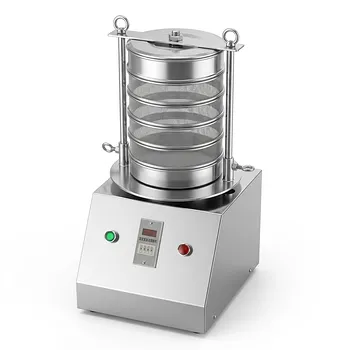
Stainless Steel Laboratory Vibratory Test Sieve Shaker
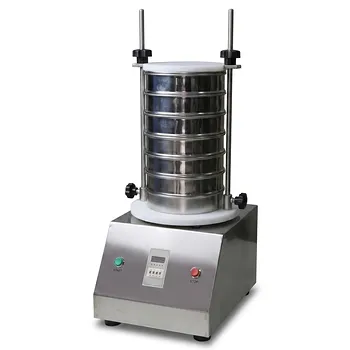
Laboratory Vibratory Test Sieve Shaker for Precision Particle Size Analysis and Powder Grading
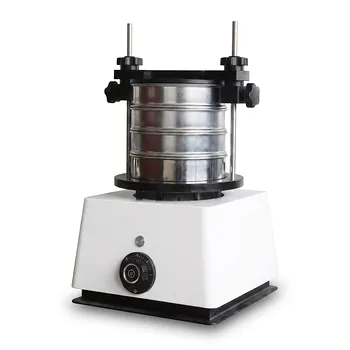
Small Laboratory Vibrating Sieve Shaker for Precise Particle Size Analysis
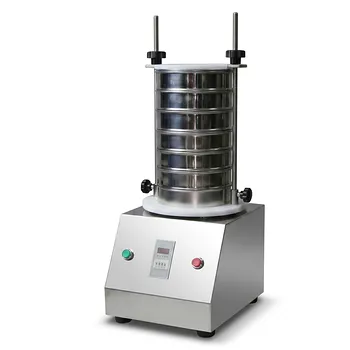
Small Laboratory Vibratory Sieve Shaker for Powder Gradation and Particle Size Analysis
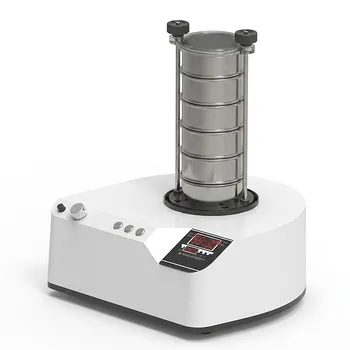
三维电磁微量振动筛分仪
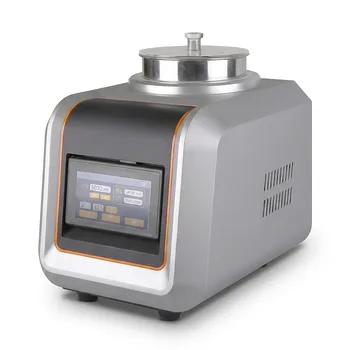
Laboratory Air Jet Sieving Machine for Fine Powder Particle Size Analysis and Deagglomeration
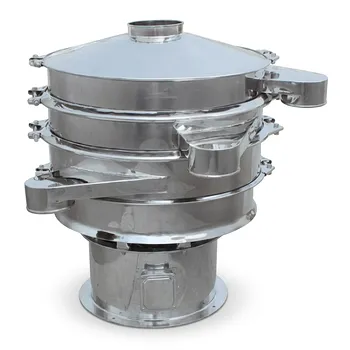
Stainless Steel Rotary Vibrating Sieve High Precision Circular Vibratory Separator Industrial Powder Grading Machine Multi Layer Sifting Equipment
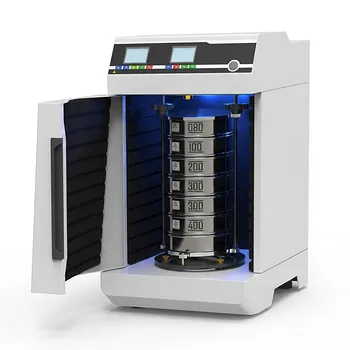
Laboratory Dry and Wet Three Dimensional Vibratory Sieve Shaker for Particle Analysis
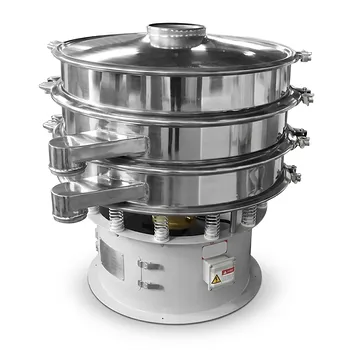
Three Dimensional Rotary Vibrating Sieve
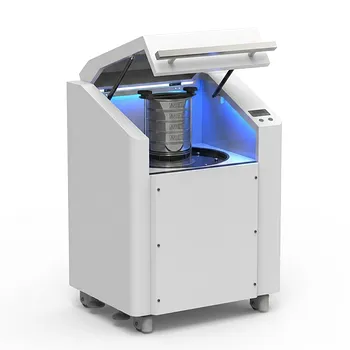
High Frequency Cabinet Type Three-Dimensional Rotary Vibrating Sieve Shaker for Dry Sieving and Particle Classification
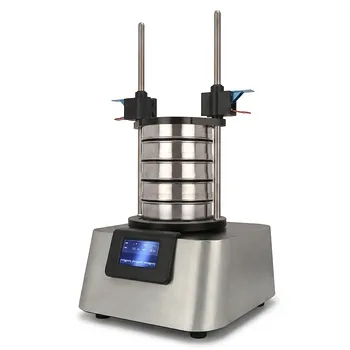
Vibratory Sieve Shaker Electromagnetic 3D Motion Powder Particle Size Analyzer for Dry and Wet Sieving
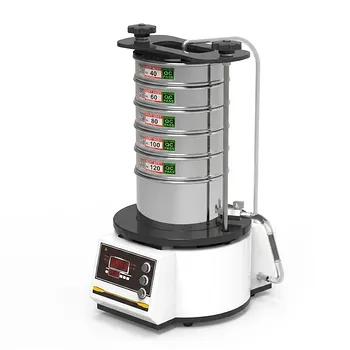
High Frequency Wet Three-Dimensional Vibrating Sieve Shaker for Dry and Wet Particle Size Analysis
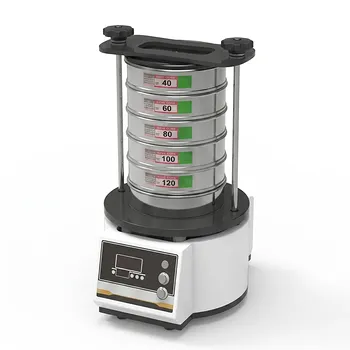
Dry Three Dimensional Vibratory Sieve Shaker
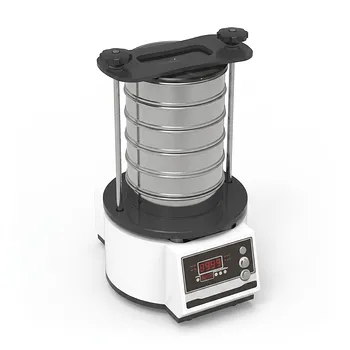
Tapping Oscillating Sieve Shaker for Dry and Wet Particle Size Analysis
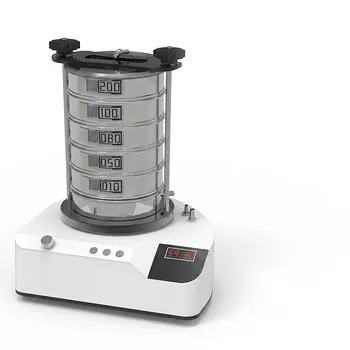
Heavy Duty Dry Three Dimensional Vibratory Sieve Shaker for Particle Separation
Small High-Speed Grinder for Efficient Laboratory Sample Preparation
Small High-Speed Laboratory Grinder for Rapid Sample Preparation
Small High-Speed Swing Grinder for Laboratory Sample Preparation
Multifunctional High Efficiency High Speed Laboratory Grinder