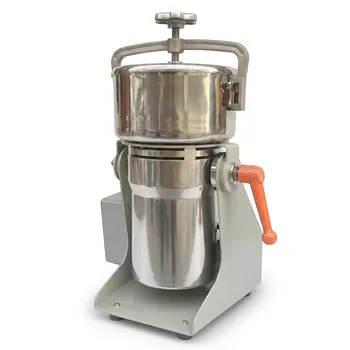
Why is the use of high-precision test sieves essential for researching iron ore dephosphorization efficiency? Maximize Accuracy
Updated 4 months ago
Precise particle size control is the foundation of effective iron ore dephosphorization. High-precision test sieves allow researchers to isolate specific ore fractions to determine exactly how particle size influences microbial metabolic activity and phosphorus dissolution rates. Without this rigorous classification, the variability in surface area would make it impossible to optimize the chemical and biological parameters required for efficient phosphorus removal.
Core Takeaway: High-precision test sieves provide the quantitative accuracy necessary to correlate particle size with dephosphorization kinetics. By eliminating size-based variables, researchers can establish a repeatable baseline for maximizing phosphorus extraction while ensuring industrial scalability.
Measuring Reaction Kinetics and Microbial Activity
The Impact of Surface Area on Phosphorus Dissolution
Dephosphorization, particularly bio-dephosphorization, is a surface-dependent process where microbial interaction occurs at the interface of the ore and the medium. High-precision sieves categorize crushed ore into exact ranges, such as 1.00mm and 0.50mm, ensuring that the surface area available for reactions is strictly controlled. This allows for a direct calculation of how physical dimensions impact the speed and depth of phosphorus leaching.
Analyzing Microbial Metabolic Efficiency
Different particle sizes influence the oxygen diffusion and nutrient availability within an ore slurry. By using precise sieving, researchers can quantitatively analyze the contribution of specific size fractions to microbial metabolic activity. This data is essential for identifying the "sweet spot" where phosphorus dissolution is maximized without wasting energy on excessive grinding.
Ensuring Experimental Rigor and Consistency
Reducing Experimental Error
Standardized sieves are used to strictly control the uniformity of particle sizes entering the analysis workflow. By excluding particles that do not meet the required specifications, researchers ensure that every parallel sample maintains high consistency in physical properties. This level of control is critical for reducing "noise" in the data and preventing skewed results caused by a few oversized or undersized particles.
Improving Reproducibility of Results
In heavy metal speciation and mineral analysis, reproducibility is the hallmark of a valid study. High-precision sieves provide a quantitative benchmark that ensures an experiment performed in one lab can be accurately replicated in another. This consistency is vital when developing new dephosphorization reagents or collectors that must react predictably across various ore batches.
Industrial Scale-Up and Process Modeling
Calculating P80 Values and Passing Rates
High-precision sieves define the physical boundaries for separation according to standards like the Tyler series. The resulting data allows engineers to calculate P80 values (the size at which 80% of the material passes), which are core inputs for advanced geostatistical modeling. These models help predict how a lab-scale dephosphorization process will perform when scaled up to an industrial flotation or leaching circuit.
Predicting Mechanical and Gas Permeability Impact
The particle size distribution of the final dephosphorized product affects its performance in a blast furnace. Precision sieving helps determine indices like RDI-0.5, which identifies the content of ultrafine powders that can hinder gas permeability. Controlling these sizes during research ensures that the dephosphorization process does not inadvertently degrade the mechanical strength or quality of the ore.
Understanding the Trade-offs
The Risk of Sieve Blinding and Wear
While high-precision sieves offer extreme accuracy, they are susceptible to blinding, where particles become trapped in the mesh. This can lead to inaccurate grading if the sieves are not maintained or cleaned using ultrasonic methods. Furthermore, the precise geometric apertures can wear down over time, necessitating regular calibration and certification to maintain the integrity of the research data.
Wet vs. Dry Sieving Limitations
Choosing the wrong sieving method can lead to misleading results, especially with iron ore fines. Dry sieving may fail to separate ultrafine phosphorus-bearing particles that adhere to larger grains due to electrostatic forces. In these cases, wet sieving is required to isolate difficult components like coarse quartz fractions, though this adds complexity and drying time to the experimental workflow.
How to Apply This to Your Research
Implementing Precision Sieving in Dephosphorization Studies
To achieve the most accurate results, the selection of sieving equipment must align with the specific mineralogical goals of your project.
- If your primary focus is optimizing microbial leaching: Use a series of high-precision sieves to create narrow size fractions (e.g., 0.25mm increments) to pinpoint the exact surface area that maximizes phosphorus release.
- If your primary focus is industrial flotation efficiency: Prioritize sieves that allow for the calculation of P80 values and the isolation of material below 0.149 mm to ensure optimal contact between mineral surfaces and reagents.
- If your primary focus is blast furnace performance: Utilize vibratory sieve shakers with 2.8 mm and 0.5 mm apertures to evaluate how dephosphorization affects the ore's mechanical strength and gas permeability.
By utilizing high-precision test sieves, researchers transform a complex mineralogical challenge into a series of predictable, quantifiable, and optimizable variables.
Summary Table:
| Key Aspect | Impact on Dephosphorization | Research Benefit |
|---|---|---|
| Surface Area Control | Isolates specific ore fractions (e.g., 0.5mm) | Direct correlation between size and leaching rates |
| Microbial Kinetics | Optimizes oxygen diffusion and nutrient access | Maximizes metabolic efficiency and P removal |
| Experimental Rigor | Reduces physical property variability | Minimizes data noise and improves reproducibility |
| Process Modeling | Calculates P80 values and passing rates | Enables accurate industrial scalability and geostats |
| Quality Indices | Monitors RDI-0.5 and ultrafine particles | Protects blast furnace gas permeability and strength |
Elevate Your Mineral Research with Precision Sample Preparation
Achieving breakthroughs in iron ore dephosphorization requires absolute control over your material variables. At [Our Brand Name], we provide complete laboratory sample preparation solutions for material science, specializing in the equipment you need to ensure experimental rigor and industrial scalability.
Our extensive product line supports every stage of your workflow:
- Particle Size Reduction: Jaw and roll crushers, liquid nitrogen cryogenic grinders, and high-efficiency mills (planetary ball, jet, sand, disc, and rotor).
- Precision Classification: Vibratory and air-jet sieve shakers equipped with high-precision test sieves and meshes for exact particle distribution.
- Mixing & Homogenization: Advanced powder and defoaming mixers.
- Compaction & Analysis: A full spectrum of hydraulic presses, including Cold/Warm Isostatic Presses (CIP/WIP), standard lab presses, XRF pellet presses, and vacuum hot presses.
Whether you are optimizing microbial leaching or modeling industrial flotation circuits, our equipment delivers the precision your data demands. Contact us today to find the perfect solution for your lab!
References
- Charles Nwachukwu Anyakwo, O. W. Obot. Laboratory Studies on Phosphorus Removal from Nigeria’s Agbaja Iron Ore by Bacillus Subtilis. DOI: 10.4236/jmmce.2011.109063
Mentioned Products
- Stainless Steel Rotary Vibrating Sieve High Precision Circular Vibratory Separator Industrial Powder Grading Machine Multi Layer Sifting Equipment
- Laboratory Vibratory Test Sieve Shaker for Precision Particle Size Analysis and Powder Grading
- Small Laboratory Vibrating Sieve Shaker for Precise Particle Size Analysis
- 三维电磁微量振动筛分仪
- High Frequency Wet Three-Dimensional Vibrating Sieve Shaker for Dry and Wet Particle Size Analysis
People Also Ask
- What is the significance of high-precision vibratory sieve machines for SMA? Optimize Aggregate Gradation & Durability
- What is the role of a laboratory-grade high-precision sieve in CPC-PCL? Ensure uniform powder distribution and stability.
- Why is high-precision sieving equipment necessary for aviation-grade composites? Optimize Fiber Strength & Consistency
- What is the function of high-precision vibratory sieve shakers in the analysis of brown rice particle size distribution?
- Why is a high-precision vibratory sieve shaker necessary for wood-polystyrene particles? Maximize composite strength.

Tech Team · PowderPreparation
Last updated on Jun 03, 2026
Related Products

Stainless Steel Rotary Vibrating Sieve High Precision Circular Vibratory Separator Industrial Powder Grading Machine Multi Layer Sifting Equipment

Laboratory Vibratory Test Sieve Shaker for Precision Particle Size Analysis and Powder Grading
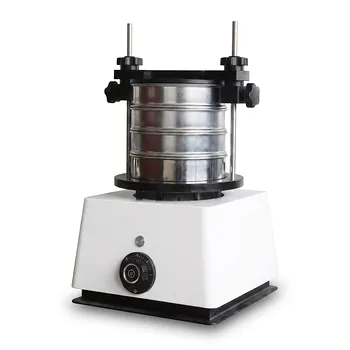
Small Laboratory Vibrating Sieve Shaker for Precise Particle Size Analysis
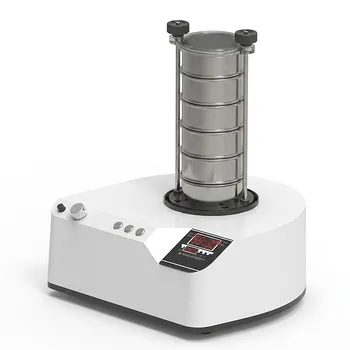
三维电磁微量振动筛分仪
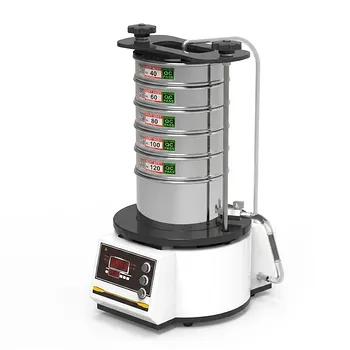
High Frequency Wet Three-Dimensional Vibrating Sieve Shaker for Dry and Wet Particle Size Analysis
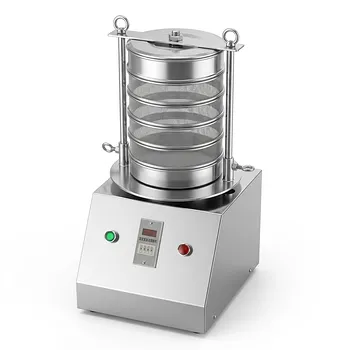
Stainless Steel Laboratory Vibratory Test Sieve Shaker
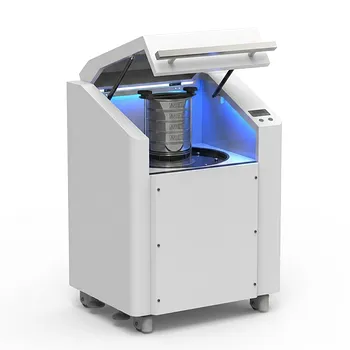
High Frequency Cabinet Type Three-Dimensional Rotary Vibrating Sieve Shaker for Dry Sieving and Particle Classification
Small High-Speed Laboratory Grinder for Rapid Sample Preparation
Small High-Speed Grinder for Efficient Laboratory Sample Preparation
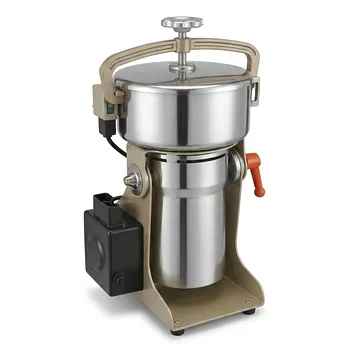
Multifunctional High Efficiency High Speed Laboratory Grinder
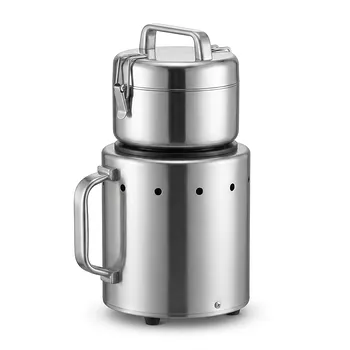
Small High Speed Grinder for Laboratory Sample Preparation

Heavy Duty Dry Three Dimensional Vibratory Sieve Shaker for Particle Separation
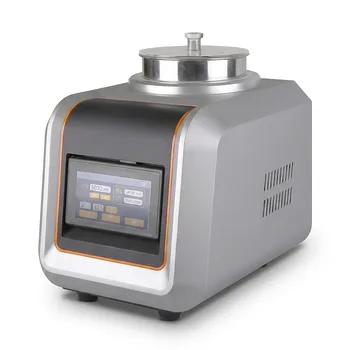
Laboratory Air Jet Sieving Machine for Fine Powder Particle Size Analysis and Deagglomeration
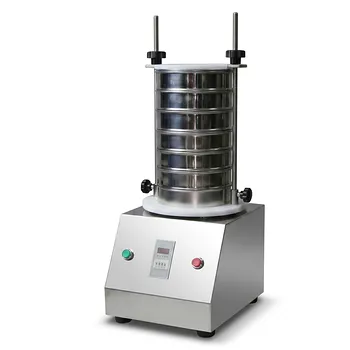
Small Laboratory Vibratory Sieve Shaker for Powder Gradation and Particle Size Analysis
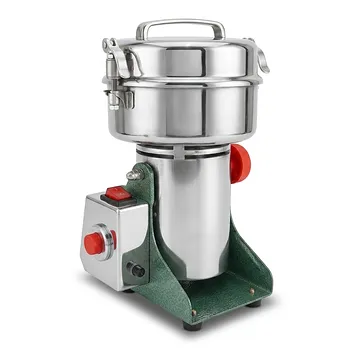
Small High-Speed Laboratory Grinder for Powder Processing
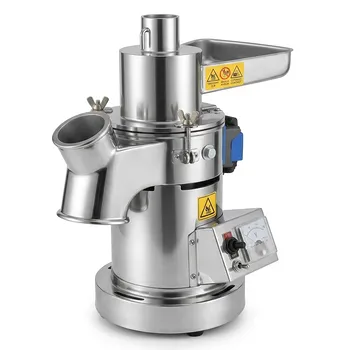
Continuous Feeding Grinder High Efficiency Pulverizer for Lab Sample Preparation
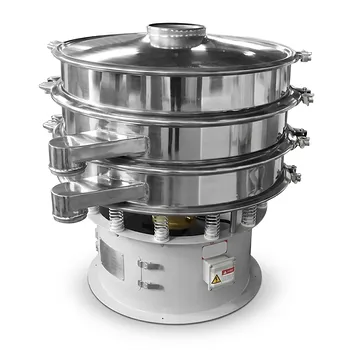
Three Dimensional Rotary Vibrating Sieve
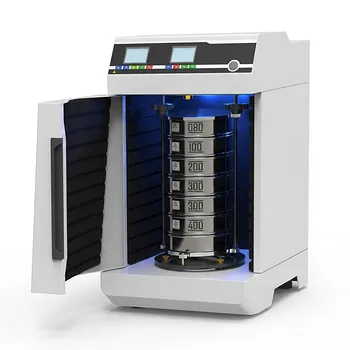
Laboratory Dry and Wet Three Dimensional Vibratory Sieve Shaker for Particle Analysis
High Speed Laboratory Powder Grinder Small Batch Sample Preparation Mill