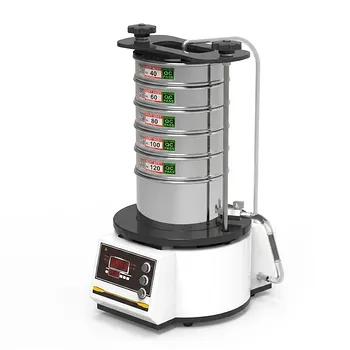
What is the role of a laboratory standard sieve set in the grain size analysis of subgrade filler materials? Guide
Updated 5 months ago
The laboratory standard sieve set is the primary mechanical interface used to physically separate subgrade filler materials into discrete size fractions. This process allows engineers to determine the grain size distribution curve, a critical data set used to classify soils and predict their structural behavior. By analyzing how much material is retained on each mesh level, technicians can ensure the filler possesses the mechanical interlocking and compaction characteristics required for a stable road base.
The standard sieve set functions as the definitive diagnostic tool for subgrade engineering, transforming a raw soil sample into a quantifiable distribution of particles. This data is the foundation for classifying material suitability and ensuring compliance with international construction standards.
The Core Functionality of Sieve Analysis
Physical Separation and Fractional Grading
A standard sieve set utilizes a series of precise geometric apertures to divide a complex mineral mixture into its constituent parts. As the material passes through the stack, it is separated into oversized and undersized products based on particle dimensions.
This mechanical separation is the initial step in grain size analysis, providing a clear breakdown of the coarse fraction of the sample. By isolating these fractions, researchers can compare the actual composition of the material against the design gradation curve required for the project.
Determination of the Grain Size Distribution Curve
The primary output of the sieving test is the grain size distribution curve, which maps the percentage of the sample passing through each sieve. This curve is essential for identifying whether a material is well-graded (GW) or poorly graded, which directly impacts its stability.
A well-graded distribution ensures that smaller particles fill the voids between larger ones. This results in a dense, interlocking matrix that provides the bearing capacity necessary to support heavy engineering loads.
Material Classification and Engineering Standards
Identifying Fine vs. Coarse-Grained Soils
The No. 200 sieve (0.075 mm) serves as a critical technical benchmark in subgrade analysis. It distinguishes between coarse-grained soils (sand and gravel) and fine-grained soils (silt and clay).
Determining the percentage of "fines" is vital for assessing the foundation's drainage capabilities. Excessive silt or clay content can lead to moisture retention, frost heave, and a significant loss of stability under load.
Verification of Regulatory Compliance
Sieve sets allow technicians to verify that aggregates comply with specific international standards such as ASTM, BS, or AASHTO. These standards dictate the allowable range for each particle size fraction.
By calculating sedimentological parameters—including mean grain size, sorting, and skewness—engineers can predict how the subgrade will react to environmental stressors. This verification ensures that the material used in construction matches the specifications used during the design phase.
Understanding the Trade-offs
Limitations in Fine Particle Resolution
While standard sieving is the gold standard for coarse aggregates, its accuracy diminishes as particles reach the micron level. For particles smaller than 0.075 mm, dry sieving often fails because fine particles tend to adhere to larger grains.
In these instances, specialized techniques like wet sieving or hydrometer analysis are required to supplement the standard sieve set. Relying solely on dry sieving for high-clay soils can lead to an inaccurate assessment of the material's plastic behavior.
Mechanical Bias and Material Degradation
The use of mechanical vibration or manual shaking is necessary to ensure particles contact the mesh, but it introduces the risk of particle attrition. Softer aggregates may break down into smaller pieces during the test.
This degradation can artificially inflate the "fines" percentage, leading to a false rejection of the material. Technicians must balance the duration of shaking to ensure thorough separation without compromising the integrity of the sample.
How to Apply This to Your Project
Understanding the role of the sieve set allows for better quality control and material selection during the pre-construction phase.
- If your primary focus is structural stability: Prioritize a well-graded distribution curve that maximizes mechanical interlocking and minimizes void spaces.
- If your primary focus is drainage and permeability: Closely monitor the percentage of material passing through the No. 200 sieve to ensure it does not exceed the silt/clay threshold.
- If your primary focus is regulatory compliance: Use a certified ASTM precision sieve set with 0.5 phi intervals to ensure your data is defensible and matches international benchmarks.
By masterfully applying these sieving principles, you ensure that every layer of your subgrade is engineered for maximum durability and performance.
Summary Table:
| Key Aspect | Role in Subgrade Analysis | Engineering Significance |
|---|---|---|
| Fractional Grading | Physical separation of particles into discrete sizes | Determines mechanical interlocking potential |
| Distribution Curve | Mapping the percentage of passing material | Identifies well-graded vs. poorly graded stability |
| No. 200 Sieve | Threshold for fine-grained particles (0.075 mm) | Predicts drainage capabilities and frost heave risk |
| Compliance | Verification against ASTM/BS/AASHTO standards | Ensures soil meets regulatory design specifications |
Precision Sample Preparation for Superior Subgrade Engineering
Achieve unmatched accuracy in your material testing with our comprehensive laboratory solutions. We specialize in providing complete sample preparation equipment tailored for material science and civil engineering applications.
Our specialized equipment line includes:
- Sieve Analysis: High-precision vibratory and air-jet sieve shakers with a wide range of test sieves and meshes.
- Size Reduction: Jaw/roll crushers, liquid nitrogen cryogenic grinders, and advanced mills (planetary ball, jet, and disc).
- Compaction & Pressing: A full spectrum of hydraulic presses, including Cold/Warm Isostatic Presses (CIP/WIP), hot presses, and XRF pellet presses.
- Mixing: Specialized powder and defoaming mixers for uniform sample preparation.
Whether you are a lab manager seeking precision or a distributor looking for reliable OEM/ODM support and competitive margins, our technical experts are ready to assist.
Contact us today to optimize your grain size analysis workflow!
References
- Ahmet Demir, Talha Sarıcı. Evaluation of Rockfill Stabilized-Geosynthetics Reinforced Road Base with Repeated Plate Loading Tests. DOI: 10.3390/app14073042
Mentioned Products
- Stainless Steel Laboratory Vibratory Test Sieve Shaker
- Stainless Steel Rotary Vibrating Sieve High Precision Circular Vibratory Separator Industrial Powder Grading Machine Multi Layer Sifting Equipment
- Laboratory Vibratory Test Sieve Shaker for Precision Particle Size Analysis and Powder Grading
- High Frequency Cabinet Type Three-Dimensional Rotary Vibrating Sieve Shaker for Dry Sieving and Particle Classification
- Small Laboratory Vibratory Sieve Shaker for Powder Gradation and Particle Size Analysis
People Also Ask
- What function does a laboratory vibratory sieve shaker serve in the production process of metakaolin? Optimize Reactivity
- Why is a precision laboratory vibratory sieve shaker necessary for particle size control? Optimize Biomass Carbonization
- What is the function of a laboratory vibratory sieve shaker? Enhance Coal Particle Size Distribution (PSD) Analysis
- What role do laboratory vibratory sieve shakers and test sieves play before the molding of Nb-Cu composite powders?
- What is the primary function of a laboratory vibratory sieve shaker in the evaluation of sand liquefaction potential?

Tech Team · PowderPreparation
Last updated on May 14, 2026
Related Products
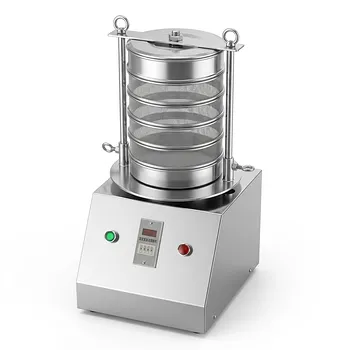
Stainless Steel Laboratory Vibratory Test Sieve Shaker
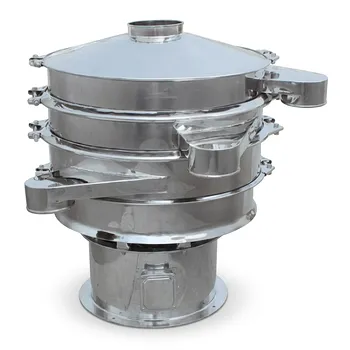
Stainless Steel Rotary Vibrating Sieve High Precision Circular Vibratory Separator Industrial Powder Grading Machine Multi Layer Sifting Equipment
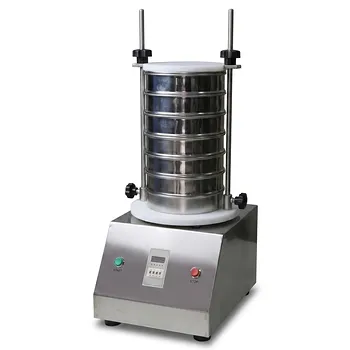
Laboratory Vibratory Test Sieve Shaker for Precision Particle Size Analysis and Powder Grading
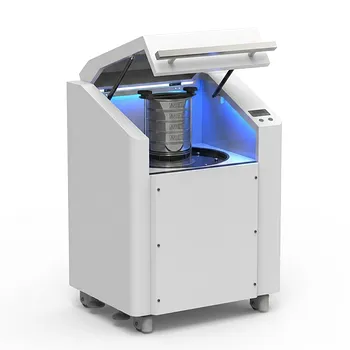
High Frequency Cabinet Type Three-Dimensional Rotary Vibrating Sieve Shaker for Dry Sieving and Particle Classification
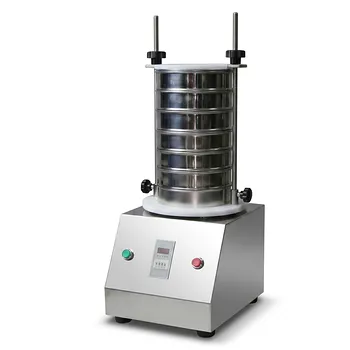
Small Laboratory Vibratory Sieve Shaker for Powder Gradation and Particle Size Analysis
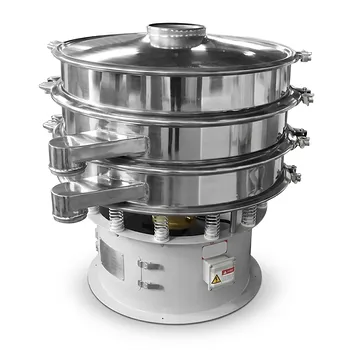
Three Dimensional Rotary Vibrating Sieve
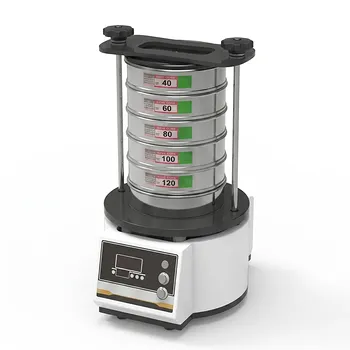
Dry Three Dimensional Vibratory Sieve Shaker
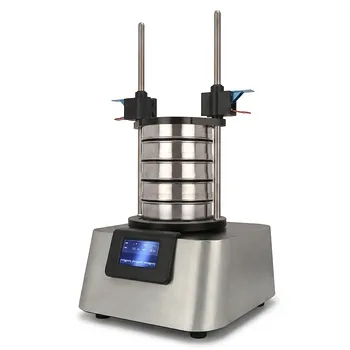
Vibratory Sieve Shaker Electromagnetic 3D Motion Powder Particle Size Analyzer for Dry and Wet Sieving
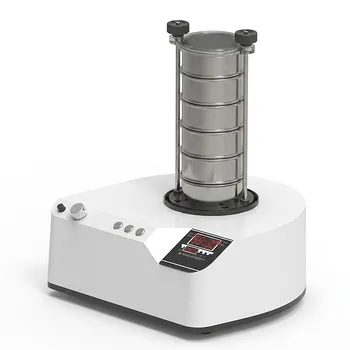
三维电磁微量振动筛分仪
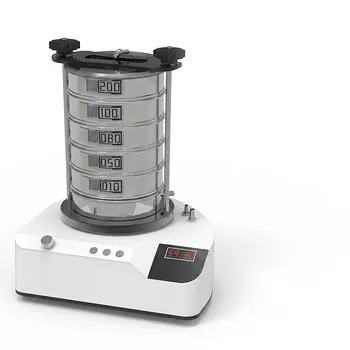
Heavy Duty Dry Three Dimensional Vibratory Sieve Shaker for Particle Separation
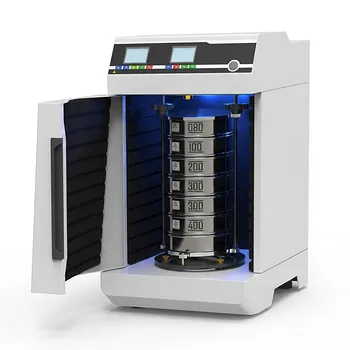
Laboratory Dry and Wet Three Dimensional Vibratory Sieve Shaker for Particle Analysis
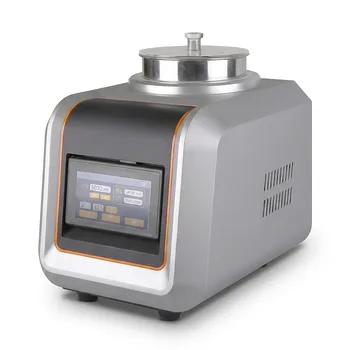
Laboratory Air Jet Sieving Machine for Fine Powder Particle Size Analysis and Deagglomeration
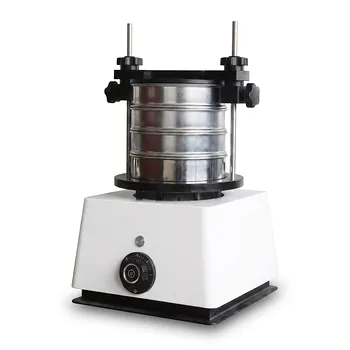
Small Laboratory Vibrating Sieve Shaker for Precise Particle Size Analysis
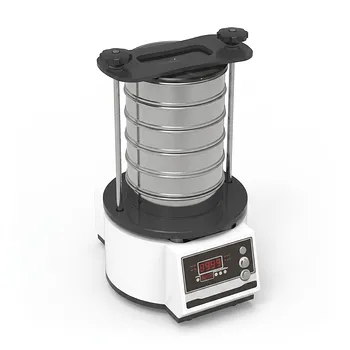
Tapping Oscillating Sieve Shaker for Dry and Wet Particle Size Analysis