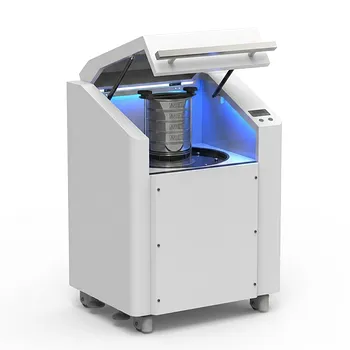
Why are high-precision test sieves critical for SMA-10 asphalt? Ensure Stone-on-Stone Interlocking & Durability
Updated 4 months ago
High-precision standard test sieves are the primary tool for securing the structural integrity and performance of SMA-10 asphalt mixtures. They ensure that basalt aggregates and mineral powders strictly adhere to the narrow gradation curves required to form a robust "stone-on-stone" interlocking skeleton. This level of precision is the fundamental basis for experimental repeatability, allowing engineers to objectively measure how different fiber types influence the mixture's stability and resistance to permanent deformation.
In SMA-10 preparation, high-precision sieves transition aggregate gradation from an approximation to a controlled variable. By guaranteeing the formation of a proper interlocking structure, these tools allow researchers to isolate and validate the performance of binders and additives within a standardized framework.
Achieving the Stone-on-Stone Interlocking Structure
Controlling Basalt and Mineral Powder Gradation
The performance of Stone Mastic Asphalt (SMA-10) relies on a high proportion of coarse basalt aggregates. High-precision standard test sieves provide the necessary accuracy to screen these aggregates and mineral powders within a strict range. This ensures that the coarse particles are in direct contact, creating the essential stone-on-stone interlocking structure that defines SMA.
The Foundation of Skeletal Stability
Without precise grading, the mixture may fail to form a stable skeleton, leading to premature rutting or binder drainage. These sieves define the physical boundaries for particle separation, typically ranging from 0.075mm to 4.75mm for asphalt applications. Accuracy at these specific apertures ensures that the skeleton can support heavy traffic loads without relying solely on the mastic.
Standardizing the Experimental Framework
Enabling Repeatability and Objective Comparison
Scientific rigor in asphalt testing requires that every specimen be identical in its aggregate distribution. High-precision sieves eliminate the variables associated with inconsistent particle sizes, providing a uniform raw material foundation. This allows researchers to perform an objective comparison of how different fiber types or additives enhance the stability of the mixture.
Supporting Advanced Data Analysis
The data generated from precision sieving serves as the core input for calculating cumulative passing rates and P80 values. These datasets allow for advanced geostatistical analysis and the construction of meta-models for pavement performance. Accurate grading ensures that the gradation curves align perfectly with technical specifications like BS 1377 or other international standards.
Enhancing Material Performance Through Grading
Optimizing Particle Packing and Density
Precise control over particle size distribution leads to an optimal particle packing effect within the asphalt matrix. By minimizing voids in the mineral aggregate (VMA) while maintaining the necessary air void content, sieving optimizes the material density. This reduced porosity prevents water infiltration and increases the final compressive strength and durability of the road surface.
Characterizing Complex Material Inputs
When utilizing recycled asphalt pavement (RAP) or ceramic waste, precision sieves are critical for initial characterization. They allow for the disassembly of complex matrices into macroscopic and microscopic components. This classification provides the data support needed to predict how these alternative materials will behave in the final SMA-10 mixture.
Understanding the Trade-offs and Pitfalls
The Risk of Sieve Wear and Calibration Drift
Even high-precision sieves are subject to wear over time, where apertures may enlarge or become distorted. Using a sieve that has drifted out of tolerance can lead to gradation errors that compromise the stone-on-stone contact. Regular calibration against certified standards is a non-negotiable requirement for maintaining data integrity.
"Sieve Blinding" and Material Loss
High-precision screening of fine mineral powders is susceptible to sieve blinding, where particles become lodged in the mesh. This can lead to an inaccurate representation of the fines content, which is critical for the stability of the asphalt mastic. Utilizing vibratory sieve shakers and proper cleaning techniques is essential to prevent these technical inaccuracies.
How to Apply Precision Sieving to Your Project
To ensure your SMA-10 specimens meet the highest engineering standards, your approach to sieving should be dictated by your specific research or production goals.
- If your primary focus is experimental repeatability: Utilize a dedicated set of certified high-precision sieves and a vibratory shaker to ensure identical aggregate distribution across all test batches.
- If your primary focus is maximizing skeletal stability: Focus on the strict grading of coarse basalt aggregates to ensure the "stone-on-stone" contact required for SMA-10.
- If your primary focus is comparing additives like fibers: Use precision sieves to lock in a standardized gradation framework, ensuring that any changes in stability are solely attributable to the additives being tested.
The precise control of particle size is not merely a preparation step, but the critical baseline that ensures the structural and predictable performance of SMA-10 asphalt.
Summary Table:
| Key Factor | Role in SMA-10 Preparation | Primary Benefit |
|---|---|---|
| Gradation Control | Precise screening of basalt & mineral powders | Forms the critical "stone-on-stone" interlocking skeleton |
| Experimental Rigor | Standardizes aggregate distribution | Ensures repeatability and objective additive comparison |
| Skeletal Stability | Accurate separation at 0.075mm to 4.75mm | Prevents premature rutting and binder drainage |
| Packing Density | Minimizes voids in mineral aggregate (VMA) | Increases compressive strength and road durability |
Achieve Unmatched Precision in Material Science with [Brand Name]
In the preparation of SMA-10 asphalt and advanced material specimens, the integrity of your data depends entirely on the precision of your preparation equipment. [Brand Name] provides complete laboratory sample preparation solutions designed to eliminate variables and ensure structural excellence.
From initial raw material processing using our high-performance jaw/roll crushers and cryogenic grinders to achieving the perfect gradation with our vibratory and air-jet sieve shakers, we offer the tools necessary for rigorous scientific standards. Our extensive line also includes planetary ball mills, jet mills, and powder mixers for characterization, as well as a full spectrum of hydraulic presses (CIP/WIP, hot presses, and vacuum hot presses) for superior material compaction.
Ready to elevate your lab's performance and secure repeatable results? Contact our technical team today to discuss your specific sample preparation needs!
References
- Jianguo Wei, Chengxi Yi. Influence of Different Fibers on Performance of Bitumen Binders and Thin-Overlay Bitumen Mixtures. DOI: 10.3390/app15010022
Mentioned Products
- Laboratory Vibratory Test Sieve Shaker for Precision Particle Size Analysis and Powder Grading
- Small Laboratory Vibrating Sieve Shaker for Precise Particle Size Analysis
- 三维电磁微量振动筛分仪
- Laboratory Air Jet Sieving Machine for Fine Powder Particle Size Analysis and Deagglomeration
- High Frequency Wet Three-Dimensional Vibrating Sieve Shaker for Dry and Wet Particle Size Analysis
People Also Ask
- What role does a laboratory sieve shaker play in determining PDI? Achieve Precision in Biomass Quality Testing
- What are the functions of sieve shakers for coconut shell powder? Achieve Precise Particle Size & Quality Control.
- What function does a laboratory sieve shaker perform in the PSD analysis of residual soil? Ensure Precise Grading
- What is the role of a laboratory sieve shaker in the preparation of plantain peel adsorbents? Standardize Particle Size
- What is the function of a laboratory vibratory sieve shaker? Enhance Coal Particle Size Distribution (PSD) Analysis

Tech Team · PowderPreparation
Last updated on Jun 03, 2026
Related Products
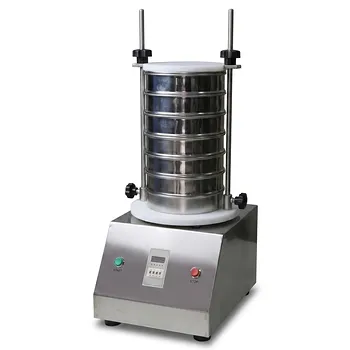
Laboratory Vibratory Test Sieve Shaker for Precision Particle Size Analysis and Powder Grading
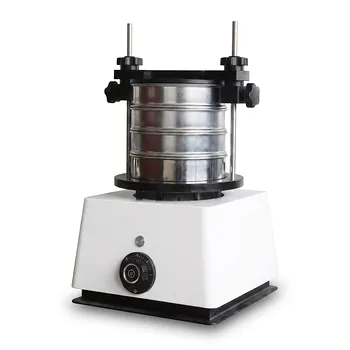
Small Laboratory Vibrating Sieve Shaker for Precise Particle Size Analysis
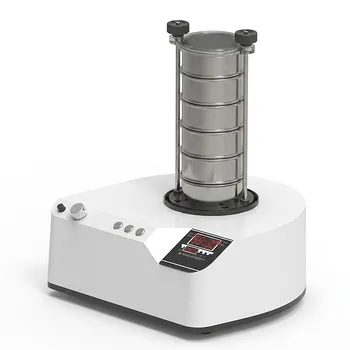
三维电磁微量振动筛分仪
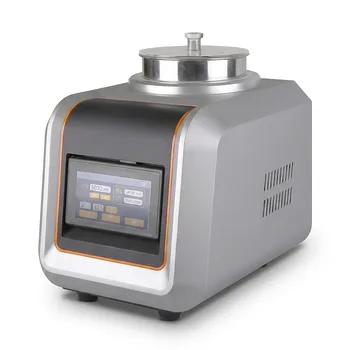
Laboratory Air Jet Sieving Machine for Fine Powder Particle Size Analysis and Deagglomeration
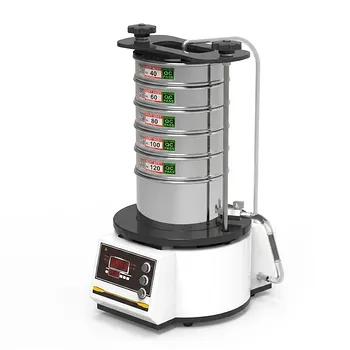
High Frequency Wet Three-Dimensional Vibrating Sieve Shaker for Dry and Wet Particle Size Analysis
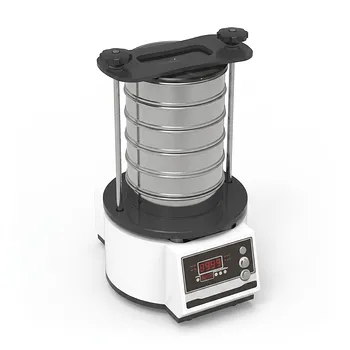
Tapping Oscillating Sieve Shaker for Dry and Wet Particle Size Analysis
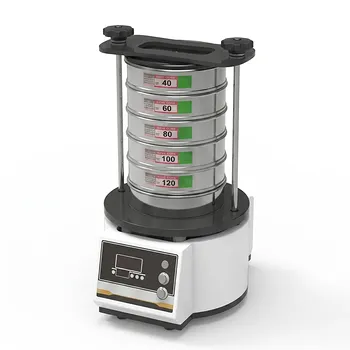
Dry Three Dimensional Vibratory Sieve Shaker
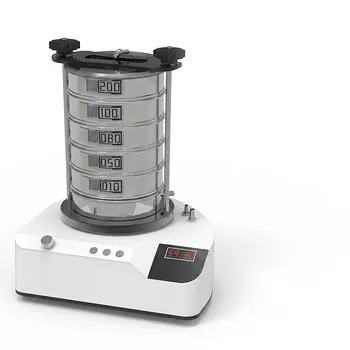
Heavy Duty Dry Three Dimensional Vibratory Sieve Shaker for Particle Separation
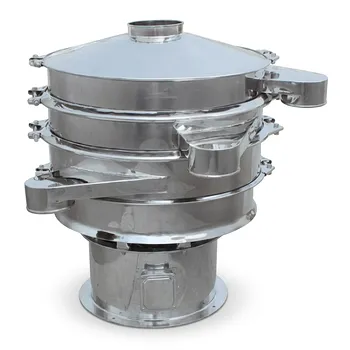
Stainless Steel Rotary Vibrating Sieve High Precision Circular Vibratory Separator Industrial Powder Grading Machine Multi Layer Sifting Equipment
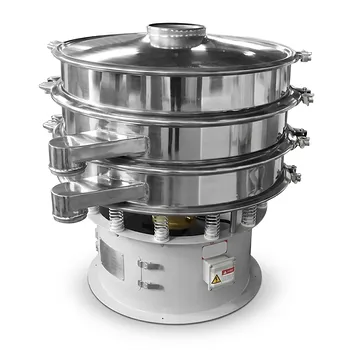
Three Dimensional Rotary Vibrating Sieve