What is the purpose of using standard test sieves for treating gasification ash? Optimize Purity and Surface Area
Updated 5 months ago
Standard test sieves are used to homogenize particle size and remove non-reactive impurities from raw gasification ash. By filtering the ash through specific mesh sizes, producers eliminate large wood fragments, sand, and unburned materials, resulting in a consistent precursor with the high specific surface area potential required for effective adsorption.
The use of standard test sieves transforms raw gasification waste into a standardized industrial precursor. This process is critical for ensuring that the final adsorbent performs predictably, with uniform chemical reactivity and optimized surface kinetics.
Achieving Material Homogeneity
Removing Physical Impurities
Raw ash from gasification often contains extraneous materials such as sand or incompletely burned large wood fragments. Standard sieves provide a mechanical barrier that strips away these inert impurities, ensuring that only the carbon-rich or mineral-rich ash is processed further.
Standardizing Particle Distribution
Consistency is vital for any industrial precursor. Sieving ensures that the particle size distribution is uniform, which establishes a stable foundation for maintaining consistent dry density across different batches or test specimens.
Eliminating Agglomerates
During storage or initial processing, fine ash particles can form agglomerates that behave like larger grains. Sieving breaks down or removes these clusters, ensuring excellent powder flowability which is essential for stable feeding in downstream reactors.
Maximizing Adsorption Efficiency
Enhancing Specific Surface Area
Adsorption is an interfacial reaction, meaning its effectiveness depends heavily on the available surface area per unit of mass. By using sieves to isolate finer particle fractions, engineers can significantly increase the total surface area available for capturing pollutants or dyes.
Optimizing Reaction Kinetics
Uniform particle sizes allow for predictable adsorption kinetics. When particles are standardized, the time required for a liquid or gas to penetrate the material becomes uniform, making it easier to optimize contact times and overall removal efficiency.
Facilitating Chemical Modification
Many ash precursors undergo acid-base modification to enhance their catalytic or adsorbent properties. A sieved, uniform material ensures that these chemical treatments reach all particle surfaces equally, preventing localized over-processing or under-processing.
Ensuring Process Reliability
Improving Thermal Processing
If the ash must undergo further pyrolysis, uniform particle sizes ensure consistent material flow and tumbling within rotary reactors. This uniformity allows gaseous byproducts, such as nitrogen oxides and water vapor, to escape the material bed evenly.
Maintaining Scientific Repeatability
For research and quality control, standardized sieving ensures that experimental data remains scientifically comparable. Without precise particle grading, variations in specific surface area would make it impossible to determine if a change in performance was due to the material's chemistry or simply its physical size.
Understanding the Trade-offs
Material Recovery vs. Purity
While finer sieving produces a higher-quality adsorbent, it can lead to significant material loss. Technicians must balance the need for high purity and surface area against the economic reality of discarding large portions of the raw ash.
The Risk of Sieve Blinding
Extremely fine ash particles can lead to sieve blinding, where the mesh openings become clogged. This requires regular maintenance or the use of mechanical aids (like sieve shakers or ultrasonic cleaners) to maintain the integrity of the grading process.
How to Apply This to Your Project
Implementation Strategies
- If your primary focus is maximizing adsorption capacity: Utilize finer mesh sizes (e.g., <75μm) to isolate the smallest particle fractions, which offer the highest specific surface area.
- If your primary focus is industrial throughput: Use a multi-stage sieving process to remove large impurities first, preventing the finer screens from clogging and slowing down production.
- If your primary focus is chemical modification: Ensure a very narrow particle size distribution to achieve a uniform reaction surface for acid or base treatments.
Standardized sieving is the indispensable first step in converting raw gasification ash into a high-performance, predictable adsorbent precursor.
Summary Table:
| Key Benefit | Mechanism | Impact on Adsorbent Quality |
|---|---|---|
| Impurity Removal | Strips wood, sand, and unburned inert materials | Ensures high-purity carbon/mineral precursors |
| Homogenization | Standardizes particle size distribution | Guarantees predictable reaction kinetics and density |
| Surface Area Boost | Isolates ultra-fine particle fractions | Maximizes active sites for pollutant capture |
| Agglomerate Control | Breaks down clusters formed during storage | Improves powder flowability and processing stability |
| Treatment Uniformity | Creates equal exposure for chemical modifiers | Prevents localized over or under-processing |
Precision Sample Prep for Superior Adsorption Research
Transforming raw gasification ash into high-performance adsorbents requires precise control over particle size and purity. At Kindle Tech, we provide complete laboratory sample preparation solutions for material science, specializing in advanced powder processing and compaction equipment.
Our extensive range includes vibratory and air-jet sieve shakers with high-precision test sieves, as well as planetary ball mills, jet mills, and disc mills for achieving the exact micron size your research demands. For downstream processing, we manufacture a full spectrum of hydraulic presses, including Cold/Warm Isostatic Presses (CIP/WIP), vacuum hot presses, and XRF pellet presses.
Ready to optimize your material consistency and research repeatability?
Contact our technical experts today to find the perfect equipment configuration for your lab's specific needs!
References
- Sibéria Caroline Gomes de Moraes, C. M. B. M. Barbosa. Gasification system coupled to fixed bed column aiming adsorption of H2S from biomass. DOI: 10.5902/2236117037685
Mentioned Products
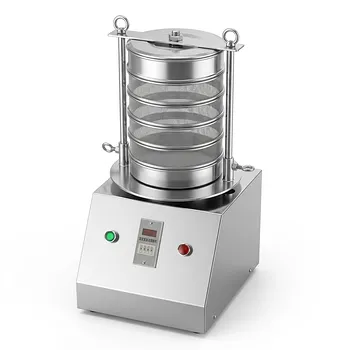
- Stainless Steel Laboratory Vibratory Test Sieve Shaker
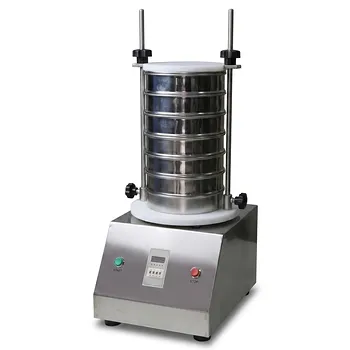
- Laboratory Vibratory Test Sieve Shaker for Precision Particle Size Analysis and Powder Grading
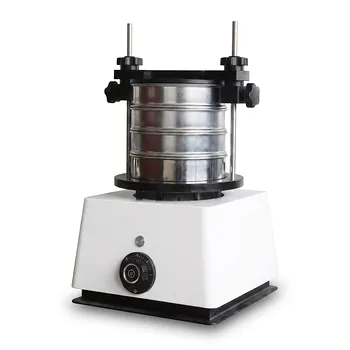
- Small Laboratory Vibrating Sieve Shaker for Precise Particle Size Analysis
- Small Laboratory Vibratory Sieve Shaker for Powder Gradation and Particle Size Analysis
- 三维电磁微量振动筛分仪
People Also Ask
- What function does a laboratory vibratory sieve shaker serve in the production process of metakaolin? Optimize Reactivity
- Why is a precision laboratory vibratory sieve shaker necessary for particle size control? Optimize Biomass Carbonization
- What is the function of a laboratory vibratory sieve shaker? Enhance Coal Particle Size Distribution (PSD) Analysis
- What role do laboratory vibratory sieve shakers and test sieves play before the molding of Nb-Cu composite powders?
- What is the primary function of a laboratory vibratory sieve shaker in the evaluation of sand liquefaction potential?

Tech Team · PowderPreparation
Last updated on May 14, 2026
Related Products
Stainless Steel Laboratory Vibratory Test Sieve Shaker
Laboratory Vibratory Test Sieve Shaker for Precision Particle Size Analysis and Powder Grading
Small Laboratory Vibrating Sieve Shaker for Precise Particle Size Analysis
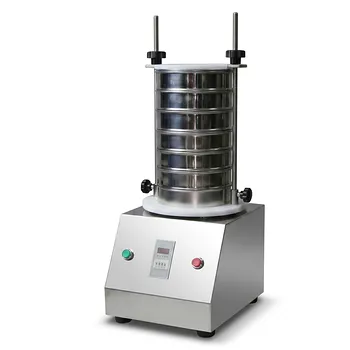
Small Laboratory Vibratory Sieve Shaker for Powder Gradation and Particle Size Analysis
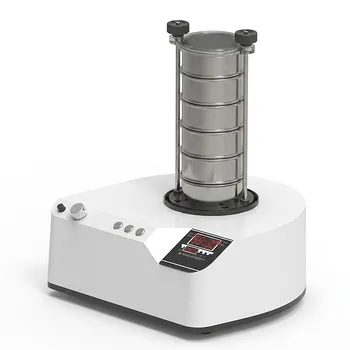
三维电磁微量振动筛分仪
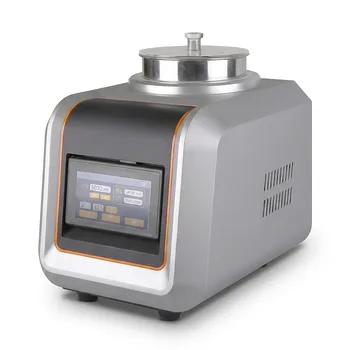
Laboratory Air Jet Sieving Machine for Fine Powder Particle Size Analysis and Deagglomeration
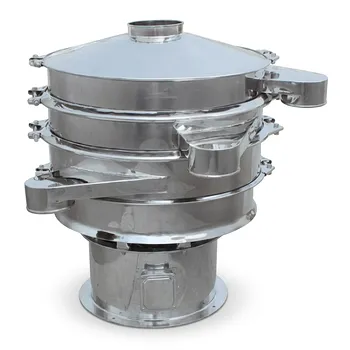
Stainless Steel Rotary Vibrating Sieve High Precision Circular Vibratory Separator Industrial Powder Grading Machine Multi Layer Sifting Equipment
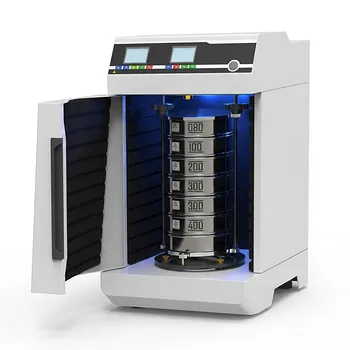
Laboratory Dry and Wet Three Dimensional Vibratory Sieve Shaker for Particle Analysis
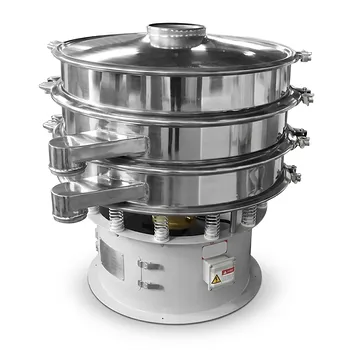
Three Dimensional Rotary Vibrating Sieve
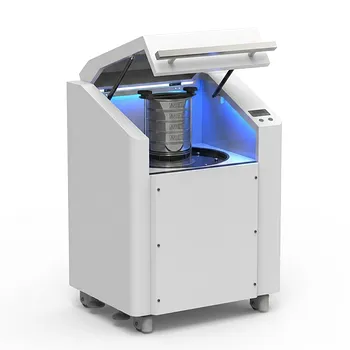
High Frequency Cabinet Type Three-Dimensional Rotary Vibrating Sieve Shaker for Dry Sieving and Particle Classification
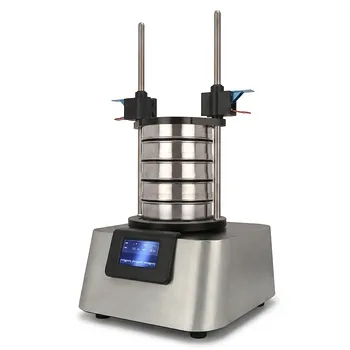
Vibratory Sieve Shaker Electromagnetic 3D Motion Powder Particle Size Analyzer for Dry and Wet Sieving
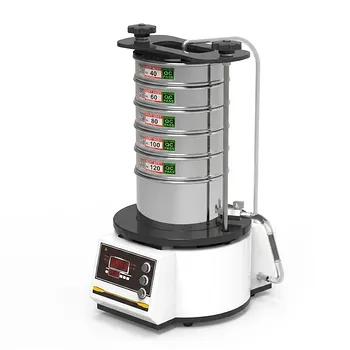
High Frequency Wet Three-Dimensional Vibrating Sieve Shaker for Dry and Wet Particle Size Analysis
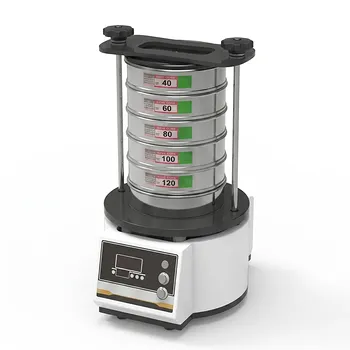
Dry Three Dimensional Vibratory Sieve Shaker
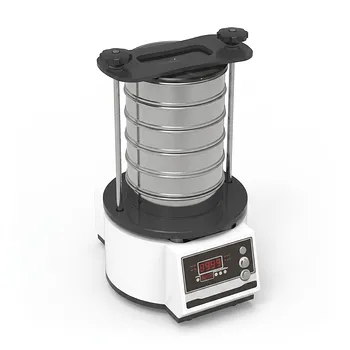
Tapping Oscillating Sieve Shaker for Dry and Wet Particle Size Analysis
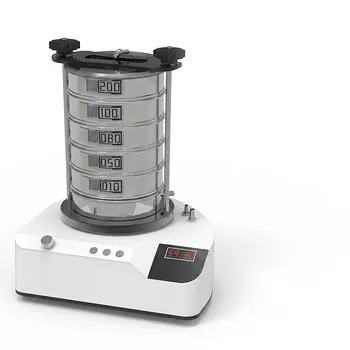
Heavy Duty Dry Three Dimensional Vibratory Sieve Shaker for Particle Separation
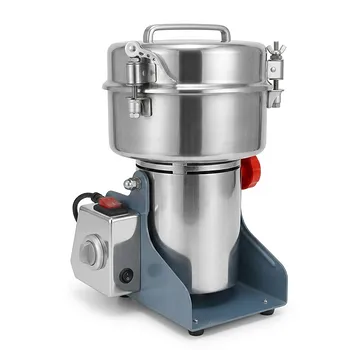
Small High-Speed Grinder for Efficient Laboratory Sample Preparation
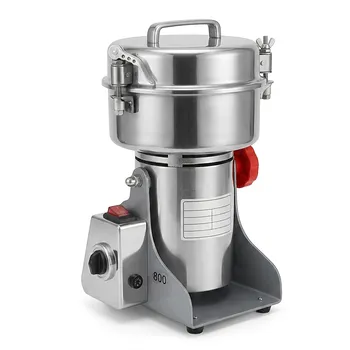
Small High-Speed Laboratory Grinder for Rapid Sample Preparation
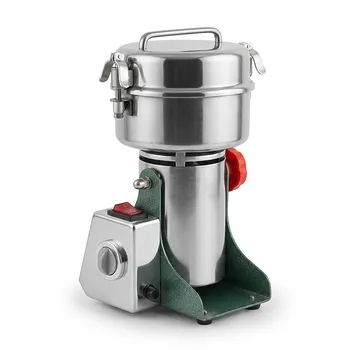
Small High-Speed Swing Grinder for Laboratory Sample Preparation
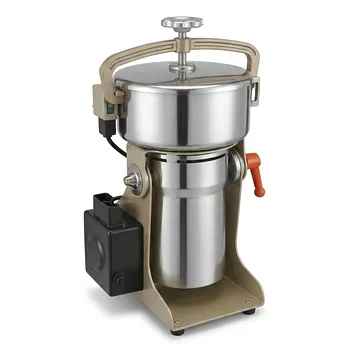
Multifunctional High Efficiency High Speed Laboratory Grinder