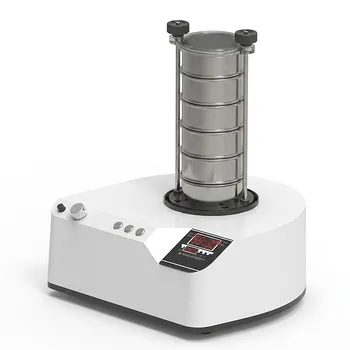
What is the primary purpose of using stainless steel laboratory test sieves? Standardize Samples for Reliable Analysis
Updated 4 months ago
The primary purpose of using stainless steel laboratory test sieves in surface dust pretreatment is to standardize sample composition by removing non-representative debris and isolating a specific particle size fraction.
Specifically, these sieves screen raw samples through a 100-mesh (approximately 150μm) aperture to eliminate interfering substances and large debris. This mechanical separation ensures that the resulting powder possesses high uniformity and a representative particle size distribution, which is essential for achieving reproducible results during subsequent chemical digestion and analysis.
By filtering out physical inconsistencies, sieving transforms a heterogeneous raw environmental sample into a homogenized medium suitable for precise laboratory quantification.
Eliminating Physical Interferences and Debris
Removing Non-Target Material
Raw surface dust often contains oversized materials, such as hair, fibers, or large mineral fragments, that do not represent the chemical profile of the dust itself. Removing these "interfering substances" prevents physical errors during the digestion process and protects sensitive laboratory instrumentation from damage.
Achieving Material Homogenization
Sieving ensures that the resulting powder consists of particles within a narrow, defined range. This physical homogenization allows for smaller sub-samples to accurately represent the entire collected batch, ensuring that any single gram of dust analyzed is statistically similar to the rest.
Enhancing Analytical Precision and Reproducibility
Standardizing Surface Area for Digestion
Chemical reactions, such as acid digestion, are highly dependent on the surface area of the particles involved. By isolating particles through a 100-mesh screen, researchers ensure a consistent surface-area-to-volume ratio across all samples, leading to more predictable reaction kinetics.
Improving Statistical Reliability
Uniform samples significantly reduce the "noise" in analytical data, making it easier to identify actual trends in dust contamination. This process directly improves the reproducibility of chemical composition analysis, allowing different laboratories to achieve comparable results from the same source material.
Understanding Technical Trade-offs and Limitations
Risk of Cross-Contamination
While stainless steel is durable and corrosion-resistant, improper cleaning between samples can lead to trace metal carryover. Researchers must utilize ultrasonic cleaning or specialized brushes to ensure no particles remain trapped in the mesh openings.
Potential Loss of Volatile or Brittle Components
The mechanical energy used during sieving, especially if using a mechanical shaker, can sometimes cause brittle particles to break down further. Additionally, if the sieve becomes blinded (clogged), it can skew the sample by retaining particles that should have passed through.
Exclusion of Large-Fraction Data
By focusing only on the sub-150μm fraction, any chemical information contained in the larger particles is discarded. Researchers must confirm that the 100-mesh cutoff aligns with their specific environmental goals, as some contaminants may behave differently in larger grain sizes.
How to Optimize Your Sieving Process
Use the following guidelines to select the right approach for your sample pretreatment:
- If your primary focus is chemical reproducibility: Use a 100-mesh (150μm) stainless steel sieve to ensure a uniform particle size distribution for consistent digestion.
- If your primary focus is preventing sample contamination: Opt for high-grade 316 stainless steel sieves and implement a rigorous ultrasonic cleaning protocol between every sample run.
- If your primary focus is understanding grain size distribution: Use a mechanical sieve shaker with a nested stack of varying apertures to accurately map the sample's full physical profile.
Implementing standardized sieving protocols is the critical bridge between raw environmental collection and high-fidelity analytical data.
Summary Table:
| Key Feature | Purpose in Dust Pretreatment | Analytical Impact |
|---|---|---|
| Aperture Isolation | Filters samples through 100-mesh (150μm) | Ensures uniform particle size distribution |
| Debris Removal | Eliminates hair, fibers, and large fragments | Protects instruments and prevents digestion errors |
| Homogenization | Creates a consistent material medium | Improves statistical reliability and reproducibility |
| Surface Area Control | Standardizes particle surface-to-volume ratio | Leads to predictable chemical reaction kinetics |
| Material Integrity | High-grade stainless steel construction | Provides corrosion resistance and durability |
Optimize Your Sample Preparation Workflow
Achieving high-fidelity analytical data starts with precise sample pretreatment. We provide complete laboratory sample preparation solutions tailored for material science and environmental research. Whether you are standardizing surface dust or processing advanced ceramics, our equipment ensures maximum uniformity and reproducibility.
Our specialized product range includes:
- Sieving & Mixing: Vibratory and air-jet sieve shakers with high-precision stainless steel meshes, alongside advanced powder and defoaming mixers.
- Powder Processing: Crushers (jaw/roll), liquid nitrogen cryogenic grinders, and high-energy mills (planetary ball, jet, sand/bead, disc, rotor).
- Compaction & Pressing: A full spectrum of hydraulic presses, including Cold/Warm Isostatic Presses (CIP/WIP), XRF pellet presses, and vacuum hot presses.
Why Partner With Us? We specialize in equipment that handles the most demanding material requirements, offering the durability and precision needed to bridge the gap between raw samples and precise quantification.
Contact our experts today to find the perfect solution for your lab!
References
- Kadir Ulutaş. Assessment of the pollution level, microscopic structure, and health risk of heavy metals in surface dusts in a sports field. DOI: 10.5505/pajes.2022.50880
Mentioned Products
- Stainless Steel Laboratory Vibratory Test Sieve Shaker
- Small High-Speed Laboratory Grinder for Powder Processing
- Stainless Steel Rotary Vibrating Sieve High Precision Circular Vibratory Separator Industrial Powder Grading Machine Multi Layer Sifting Equipment
- Laboratory Vibratory Test Sieve Shaker for Precision Particle Size Analysis and Powder Grading
- Small Laboratory Vibrating Sieve Shaker for Precise Particle Size Analysis
People Also Ask
- What function does a laboratory vibratory sieve shaker serve in the production process of metakaolin? Optimize Reactivity
- Why is a precision laboratory vibratory sieve shaker necessary for particle size control? Optimize Biomass Carbonization
- What is the function of a laboratory vibratory sieve shaker? Enhance Coal Particle Size Distribution (PSD) Analysis
- What role do laboratory vibratory sieve shakers and test sieves play before the molding of Nb-Cu composite powders?
- What is the primary function of a laboratory vibratory sieve shaker in the evaluation of sand liquefaction potential?

Tech Team · PowderPreparation
Last updated on Jun 03, 2026
Related Products
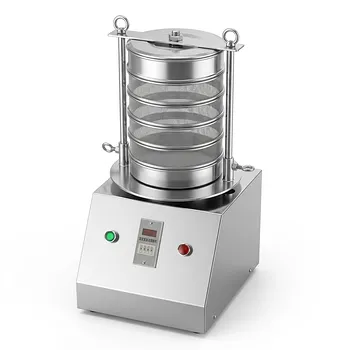
Stainless Steel Laboratory Vibratory Test Sieve Shaker
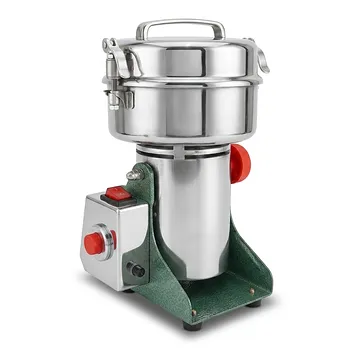
Small High-Speed Laboratory Grinder for Powder Processing
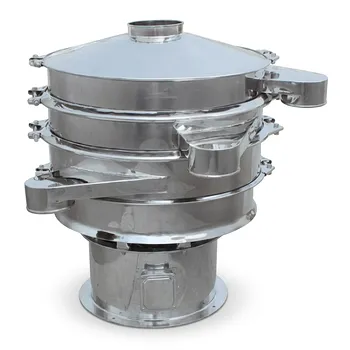
Stainless Steel Rotary Vibrating Sieve High Precision Circular Vibratory Separator Industrial Powder Grading Machine Multi Layer Sifting Equipment
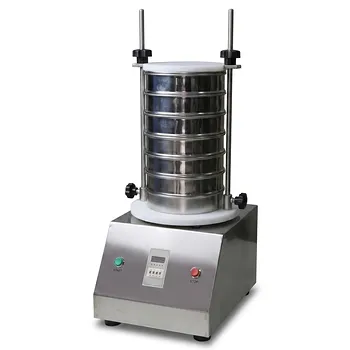
Laboratory Vibratory Test Sieve Shaker for Precision Particle Size Analysis and Powder Grading
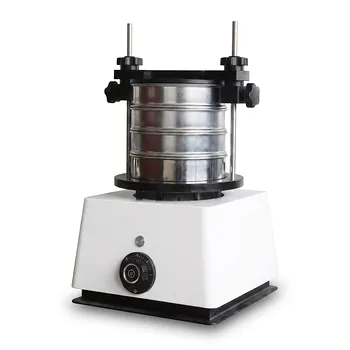
Small Laboratory Vibrating Sieve Shaker for Precise Particle Size Analysis
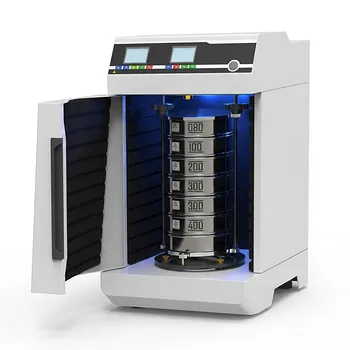
Laboratory Dry and Wet Three Dimensional Vibratory Sieve Shaker for Particle Analysis
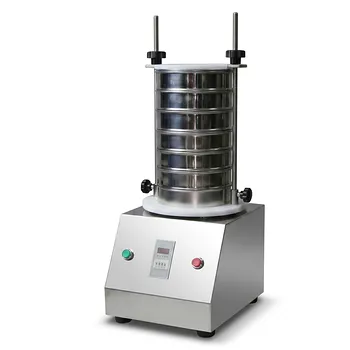
Small Laboratory Vibratory Sieve Shaker for Powder Gradation and Particle Size Analysis
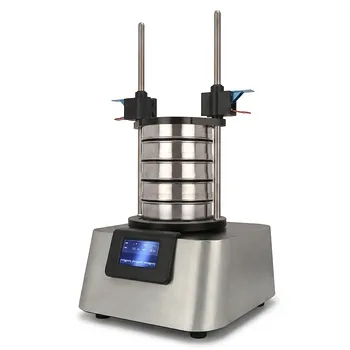
Vibratory Sieve Shaker Electromagnetic 3D Motion Powder Particle Size Analyzer for Dry and Wet Sieving
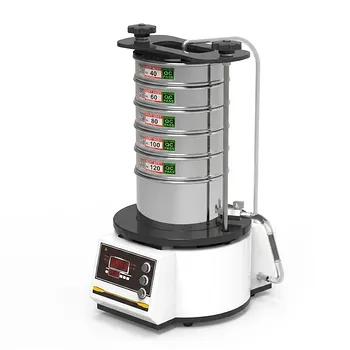
High Frequency Wet Three-Dimensional Vibrating Sieve Shaker for Dry and Wet Particle Size Analysis
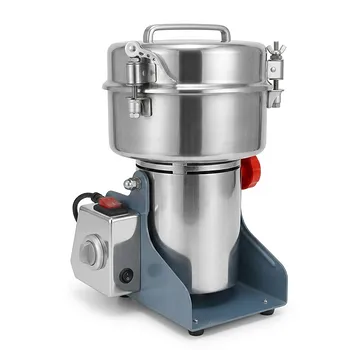
Small High-Speed Grinder for Efficient Laboratory Sample Preparation
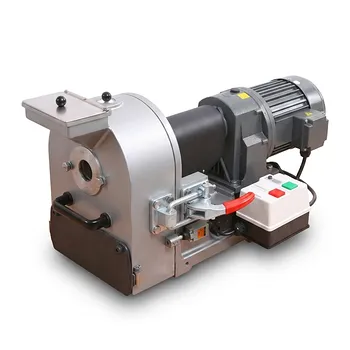
Laboratory Disc Mill for Fine Sample Preparation of Hard and Brittle Materials
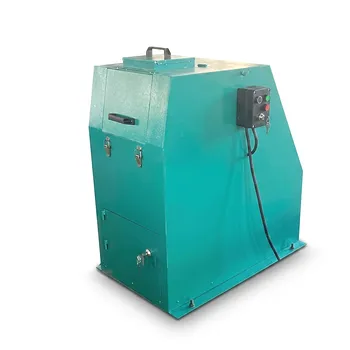
Environmentally Friendly Sealed Jaw Crusher for Laboratory Sample Preparation
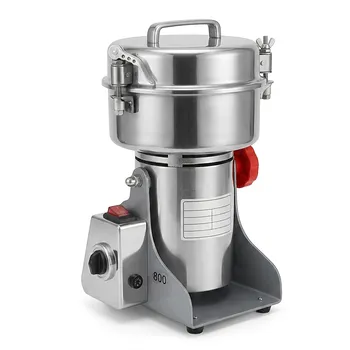
Small High-Speed Laboratory Grinder for Rapid Sample Preparation
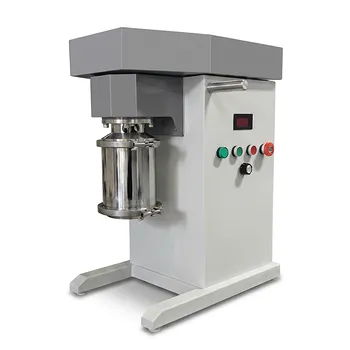
Nano Laboratory Bead Mill Desktop Sub Micron Sand Mill Screenless Seal Less Powder Grinder
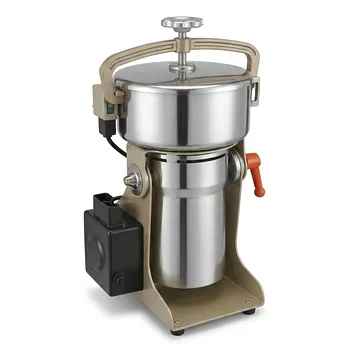
Multifunctional High Efficiency High Speed Laboratory Grinder
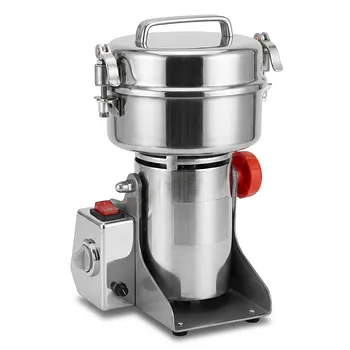
High Speed Laboratory Powder Grinder Small Batch Sample Preparation Mill
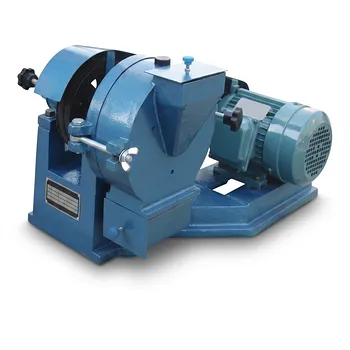
Laboratory Disc Mill for Ore and Mineral Sample Preparation
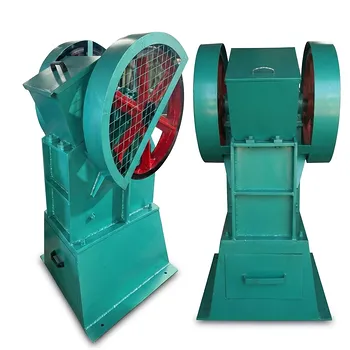
Sealed Jaw Crusher for Laboratory Material Crushing and Sample Preparation
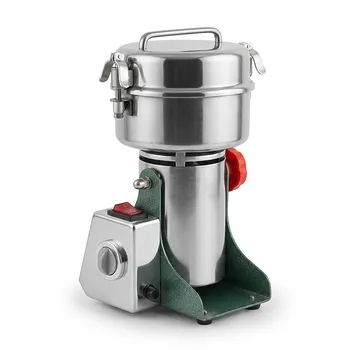
Small High-Speed Swing Grinder for Laboratory Sample Preparation