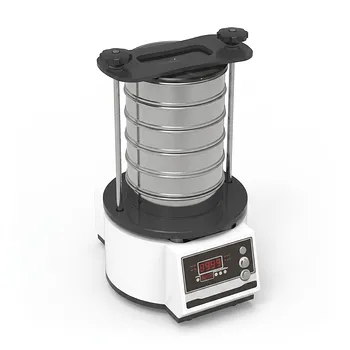
Why are bar sieves utilized to evaluate PKS aggregates? Master Flakiness Index for Superior Concrete Performance
Updated 5 months ago
Bar sieves are utilized to quantify the Flakiness Index of Palm Kernel Shell (PKS) aggregates, providing a measurement of their thickness rather than just their width. Because PKS particles are naturally flat, elongated, or curved, standard square-mesh sieves cannot adequately describe their geometry. The use of bar sieves allows engineers to determine how these specific shapes will influence the workability, void distribution, and final mechanical strength of the concrete.
The central takeaway: While standard sieves measure particle size distribution, bar sieves are essential for evaluating the geometric quality of PKS. Quantifying the Flakiness Index ensures that the irregular shape of the shells does not compromise the density or structural integrity of the resulting material.
The Distinction Between Particle Size and Geometry
Beyond Standard Sieve Analysis
Standard grading sieves use a square mesh to determine particle size distribution, helping calculate the coefficient of uniformity (Cu). However, two particles can pass through the same square opening while having vastly different shapes, such as a cube versus a thin, flat plate.
Measuring Thickness with Bar Sieves
Bar sieves consist of parallel metal bars that create narrow slits, allowing particles to be sorted based on their least dimension (thickness). This process identifies "flaky" particles—those whose thickness is significantly smaller than their other dimensions—which is a critical geometric characteristic of PKS.
The Impact of PKS Geometry on Performance
Workability and Flowability
The shape of PKS aggregates directly affects the internal friction of a concrete mix. Flat or flaky particles increase the total surface area that must be coated with cement paste, often reducing the flowability and making the concrete more difficult to pour and compact.
Void Distribution and Packing Density
Proper geometry is essential for achieving a high packing density. If PKS particles are too flaky, they tend to bridge across one another rather than nesting closely, which creates large internal voids and increases the porosity of the hardened concrete.
Mechanical Strength and Bonding
The geometric characteristics of PKS influence how the aggregate bonds with the cement paste. Irregularly shaped shells can lead to stress concentrations within the concrete skeleton, potentially reducing the overall compressive and structural strength of the finished project.
Understanding the Trade-offs and Limitations
Incomplete Data from Single-Method Testing
Relying solely on bar sieves or solely on mesh sieves provides an incomplete picture. Bar sieves tell you about the shape quality, but they do not provide the full gradation curve (Cu and Cc) needed to ensure the mix is well-graded from fine to coarse.
Complexity in Mix Design
Using PKS as a lightweight aggregate introduces more variables than traditional crushed stone. High flakiness requires a more complex mix design calculation to adjust for the increased water and cement demand needed to maintain workability.
Sample Consistency Challenges
Because PKS is a natural byproduct, its geometry can vary wildly based on the palm variety and the crushing method used. This makes frequent sampling and consistent vibratory sieving durations (e.g., 15 minutes) mandatory to ensure experimental repeatability and structural reliability.
How to Apply This to Your Project
Recommendations for Material Assessment
To ensure the successful integration of Palm Kernel Shells into your project, use the following guidelines based on your specific objectives:
- If your primary focus is structural strength: Use bar sieves to strictly limit the Flakiness Index, ensuring that flatter shells do not create weak points or large voids in the concrete skeleton.
- If your primary focus is workability and flow: Prioritize standard sieve analysis to ensure a well-graded mix where fine particles effectively fill the gaps between the larger, irregular PKS aggregates.
- If your primary focus is biomass processing (e.g., liquefaction): Focus on vibratory sieve shakers with fine mesh (212μm to 2.36mm) to ensure consistent mass transfer rates and predictable bio-oil yields.
Understanding the geometric characteristics of PKS through bar sieves is the only way to move beyond simple sizing and achieve true control over the mechanical properties of lightweight aggregates.
Summary Table:
| Feature | Standard Square-Mesh Sieves | Bar (Slotted) Sieves |
|---|---|---|
| Measurement Focus | Particle Size Distribution (Width/Length) | Particle Thickness (Least Dimension) |
| Primary Metric | Coefficient of Uniformity (Cu) | Flakiness Index |
| PKS Assessment | Ensures a well-graded mix gradation | Evaluates geometric quality and shape |
| Concrete Impact | Voids filling and gradation control | Workability, density, and bond strength |
Optimize Your Material Analysis with Expert Solutions
Precise characterization of aggregates like Palm Kernel Shells requires reliable, high-performance equipment. At [Brand Name], we provide complete laboratory sample preparation solutions for material science, specializing in powder processing and compaction.
Whether you need high-precision vibratory sieve shakers for Flakiness Index testing, crushers for initial processing, or advanced mills (planetary ball, jet, rotor) for fine grinding, our equipment ensures repeatable and accurate results. We also manufacture a full spectrum of hydraulic presses, including Cold/Warm Isostatic Presses (CIP/WIP) and vacuum hot presses, to help you achieve maximum material density.
Ready to enhance your lab's efficiency and structural testing accuracy? Contact our experts today to find the perfect equipment for your specific application!
References
- Ebenezer Yiwo, Carlos Thomas. The Effect of Untreated Dura-Palm Kernel Shells as Coarse Aggregate in Lightweight Pervious Concrete for Flood Mitigation. DOI: 10.3390/buildings13071588
Mentioned Products
- High Frequency Cabinet Type Three-Dimensional Rotary Vibrating Sieve Shaker for Dry Sieving and Particle Classification
- Small Laboratory Vibratory Sieve Shaker for Powder Gradation and Particle Size Analysis
- Stainless Steel Rotary Vibrating Sieve High Precision Circular Vibratory Separator Industrial Powder Grading Machine Multi Layer Sifting Equipment
- Vibratory Sieve Shaker Electromagnetic 3D Motion Powder Particle Size Analyzer for Dry and Wet Sieving
- Stainless Steel Laboratory Vibratory Test Sieve Shaker
People Also Ask
- Why are vibrating sieve shakers used with standard test sieves? Ensure Precise Grading for Recycled Aggregates
- What is the function of high-frequency vibratory sieve shakers in AMC powders? Master Particle Grading & PSD Control
- Why is it essential to use a vibrating sieve shaker for the final grading of dietary fiber products? Master Quality.
- What is the role of a high-frequency vibratory sieve shaker in Cold Mix asphalt design? Optimize RAP Gradation Accuracy
- Why is a high-frequency vibratory sieve shaker essential for Rice Husk Ash? Optimize Your Mineral Admixture Quality

Tech Team · PowderPreparation
Last updated on May 14, 2026
Related Products
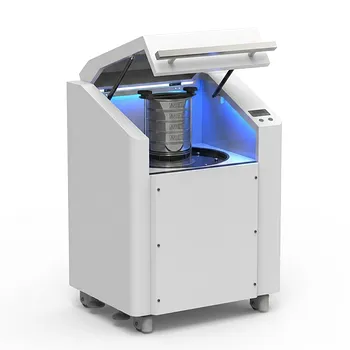
High Frequency Cabinet Type Three-Dimensional Rotary Vibrating Sieve Shaker for Dry Sieving and Particle Classification
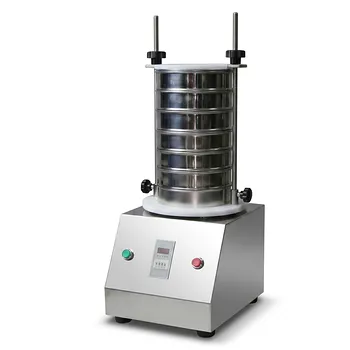
Small Laboratory Vibratory Sieve Shaker for Powder Gradation and Particle Size Analysis
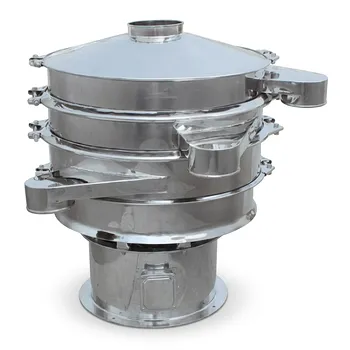
Stainless Steel Rotary Vibrating Sieve High Precision Circular Vibratory Separator Industrial Powder Grading Machine Multi Layer Sifting Equipment
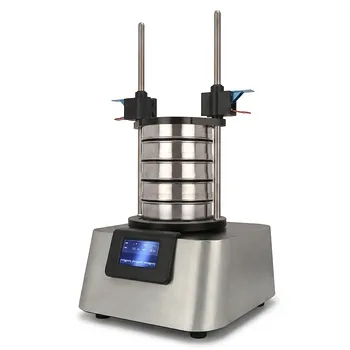
Vibratory Sieve Shaker Electromagnetic 3D Motion Powder Particle Size Analyzer for Dry and Wet Sieving
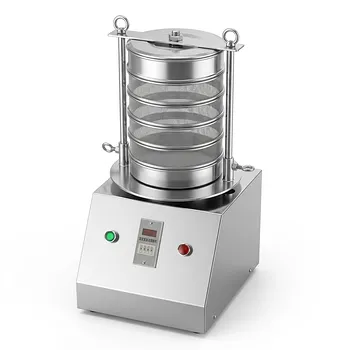
Stainless Steel Laboratory Vibratory Test Sieve Shaker
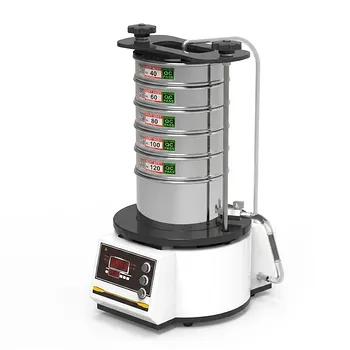
High Frequency Wet Three-Dimensional Vibrating Sieve Shaker for Dry and Wet Particle Size Analysis
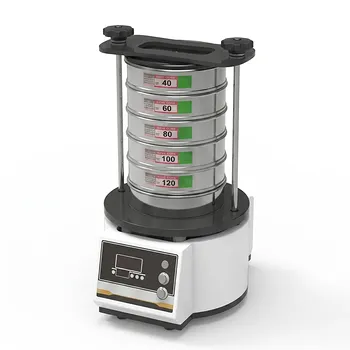
Dry Three Dimensional Vibratory Sieve Shaker
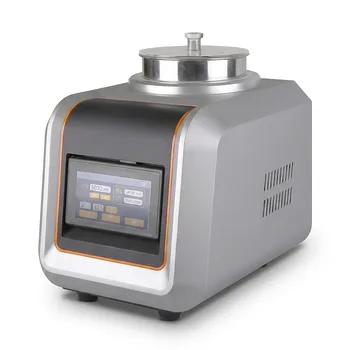
Laboratory Air Jet Sieving Machine for Fine Powder Particle Size Analysis and Deagglomeration
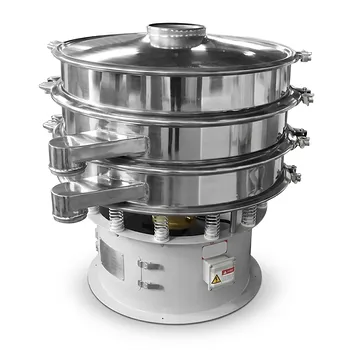
Three Dimensional Rotary Vibrating Sieve
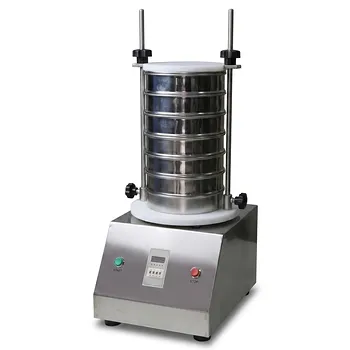
Laboratory Vibratory Test Sieve Shaker for Precision Particle Size Analysis and Powder Grading
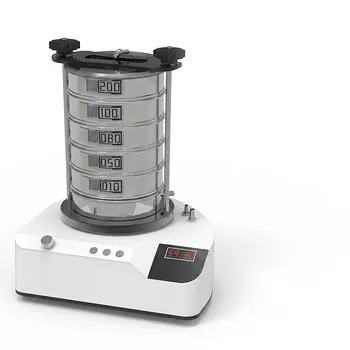
Heavy Duty Dry Three Dimensional Vibratory Sieve Shaker for Particle Separation
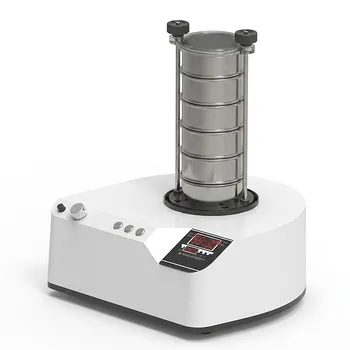
三维电磁微量振动筛分仪
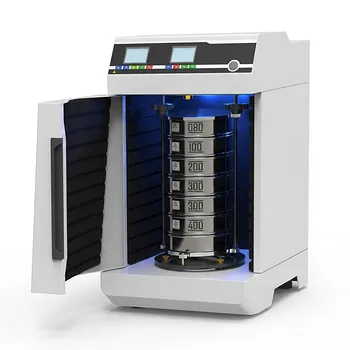
Laboratory Dry and Wet Three Dimensional Vibratory Sieve Shaker for Particle Analysis
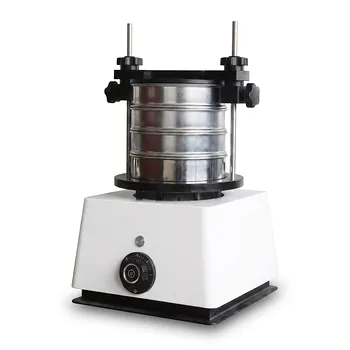
Small Laboratory Vibrating Sieve Shaker for Precise Particle Size Analysis