Why is it necessary to use a 500-micrometer laboratory standard sieve for tea powder? Ensure Purity & Precise Analysis
Updated 4 months ago
Using a 500-micrometer laboratory standard sieve is a critical step in tea powder processing to ensure particle uniformity. This standardization allows for effective magnetic separation of metallic contaminants and ensures that subsequent analytical tests are repeatable. By removing oversized particles, the sieve creates a consistent medium that optimizes both purity and chemical stability.
The primary purpose of the 500µm sieve is to standardize the particle size of tea powder to improve the efficiency of magnetic separation and ensure the accuracy of trace analysis by providing a uniform surface area for chemical reactions.
Enhancing Magnetic Separation Efficiency
Improving Magnetic Penetration
A 500-micrometer (µm) mesh ensures that all test samples pass through a specific, uniform size limit. This uniformity allows magnetic fields to penetrate the sample layer more evenly during the separation process.
When particles are inconsistent, they can create uneven layers that shield contaminants from the magnet. A standardized powder ensures the magnetic force reaches every part of the sample.
Preventing Contaminant Encapsulation
Large tea particles can physically "trap" or encapsulate tiny iron filings within their structure. If these larger particles are not removed or reground, the magnets cannot attract the hidden metallic impurities.
Using the sieve significantly improves the extraction efficiency and repeatability of the purity test. It ensures that the metal separation process is not hindered by the physical bulk of the tea itself.
Standardizing Analytical Consistency
Ensuring Uniform Digestion Reactions
In laboratory settings, tea powder often undergoes a digestion process for trace element analysis. Fine and uniform powder provides a consistent surface-area-to-volume ratio, which is essential for stable chemical reactions.
Standardized particles ensure that the reaction rate is predictable across different samples. This serves as the technical foundation for the repeatability of trace analysis data.
Minimizing Weighing and Sampling Errors
Irregularly sized particles can lead to "stratification," where larger particles settle differently than smaller ones. This makes it difficult to obtain a representative sample for testing.
The 500µm sieve removes large, insufficiently ground particles that contribute to weighing errors. This results in a homogenized powder that yields more accurate and reliable laboratory results.
Understanding the Trade-offs
Impact of Grinding Intensity
While a 500µm sieve ensures uniformity, achieving this size requires precise grinding control. Over-grinding to pass the sieve can generate heat, which may degrade the volatile compounds or color of the tea.
Conversely, under-grinding leads to excessive material loss on top of the sieve. Balancing grinding time with sieving requirements is necessary to maintain both sample integrity and yield.
Sieve Blinding and Maintenance
Fine powders like tea can lead to sieve blinding, where particles become lodged in the mesh openings. This reduces the effective area of the sieve and can skew particle size distribution if the equipment is not cleaned properly.
Regular maintenance and the use of ultrasonic cleaners or sieve brushes are required to ensure the 500µm mesh remains accurate over multiple uses.
How to Apply This to Your Process
Sieving is a foundational step that dictates the quality of all downstream testing and processing.
- If your primary focus is Purity and Safety: Prioritize the sieve to ensure that all metallic contaminants are exposed and accessible to magnetic separators.
- If your primary focus is Laboratory Accuracy: Use the 500µm standard to minimize weighing errors and ensure that chemical digestion is uniform across all test batches.
- If your primary focus is Product Texture: Utilize the sieve as a final quality check to guarantee a smooth, "fine-grade" mouthfeel by removing insufficiently pulverized fibers.
Standardizing your tea powder to 500 micrometers is the most effective way to bridge the gap between raw grinding and precision analytical testing.
Summary Table:
| Key Factor | Functional Role | Benefit to Process |
|---|---|---|
| Magnetic Separation | Prevents metal encapsulation | Higher purity and contaminant removal |
| Analytical Consistency | Standardizes surface-area-to-volume ratio | repeatable and stable chemical reactions |
| Sampling Accuracy | Eliminates particle stratification | Reduced weighing errors and representative samples |
| Quality Control | Removes oversized fibers/particles | Guaranteed uniform texture and grading |
Optimize Your Sample Preparation with Precision Equipment
Achieving consistent results in tea powder analysis starts with the right equipment. At [Company Name], we provide complete laboratory sample preparation solutions for material science, specializing in high-performance powder processing and compaction.
Whether you need to achieve the perfect grind with our planetary ball mills, jet mills, or cryogenic grinders, or ensure precise particle sizing with our vibratory and air-jet sieve shakers, we have you covered. Our extensive range also includes CIP/WIP hydraulic presses, XRF pellet presses, and advanced powder mixers designed to streamline your lab workflow and enhance data reliability.
Don't let inconsistent particle sizes compromise your research. Contact us today to find the perfect solution for your lab!
References
- U. I. Baby. Iron filings in tea and its impact on the quality attributes of made tea and tea liquor. DOI: 10.25081/jpc.2020.v48.i3.6629
Mentioned Products
- Stainless Steel Laboratory Vibratory Test Sieve Shaker
- Laboratory Vibratory Test Sieve Shaker for Precision Particle Size Analysis and Powder Grading
- Small Laboratory Vibrating Sieve Shaker for Precise Particle Size Analysis
- Laboratory Dry and Wet Three Dimensional Vibratory Sieve Shaker for Particle Analysis
- Small Laboratory Vibratory Sieve Shaker for Powder Gradation and Particle Size Analysis
People Also Ask
- What function does a laboratory vibratory sieve shaker serve in the production process of metakaolin? Optimize Reactivity
- Why is a precision laboratory vibratory sieve shaker necessary for particle size control? Optimize Biomass Carbonization
- What is the function of a laboratory vibratory sieve shaker? Enhance Coal Particle Size Distribution (PSD) Analysis
- What role do laboratory vibratory sieve shakers and test sieves play before the molding of Nb-Cu composite powders?
- What is the primary function of a laboratory vibratory sieve shaker in the evaluation of sand liquefaction potential?

Tech Team · PowderPreparation
Last updated on Jun 03, 2026
Related Products
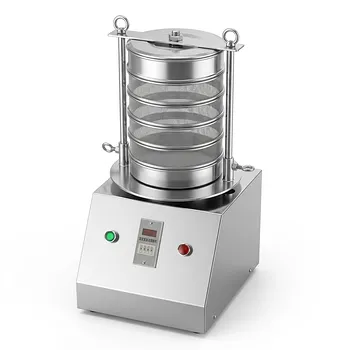
Stainless Steel Laboratory Vibratory Test Sieve Shaker
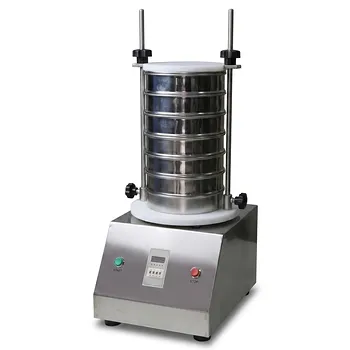
Laboratory Vibratory Test Sieve Shaker for Precision Particle Size Analysis and Powder Grading
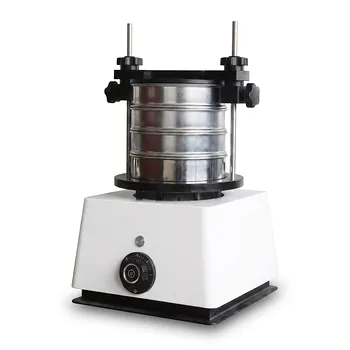
Small Laboratory Vibrating Sieve Shaker for Precise Particle Size Analysis
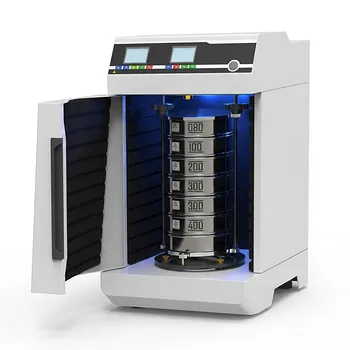
Laboratory Dry and Wet Three Dimensional Vibratory Sieve Shaker for Particle Analysis
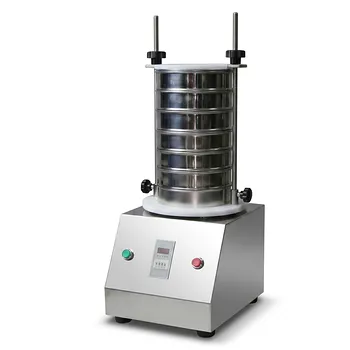
Small Laboratory Vibratory Sieve Shaker for Powder Gradation and Particle Size Analysis
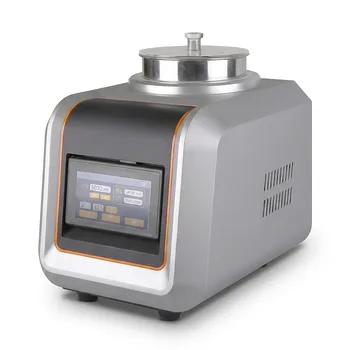
Laboratory Air Jet Sieving Machine for Fine Powder Particle Size Analysis and Deagglomeration
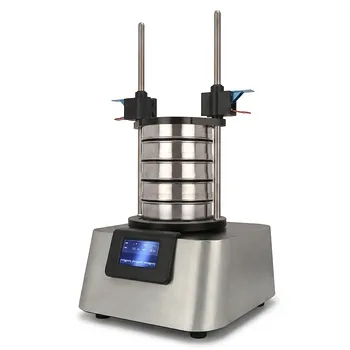
Vibratory Sieve Shaker Electromagnetic 3D Motion Powder Particle Size Analyzer for Dry and Wet Sieving
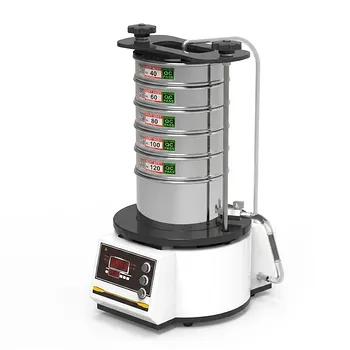
High Frequency Wet Three-Dimensional Vibrating Sieve Shaker for Dry and Wet Particle Size Analysis
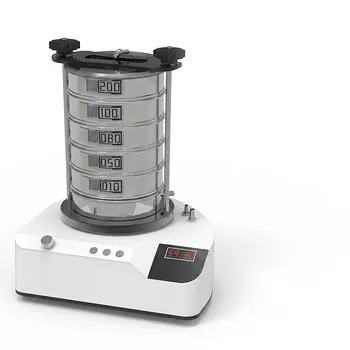
Heavy Duty Dry Three Dimensional Vibratory Sieve Shaker for Particle Separation
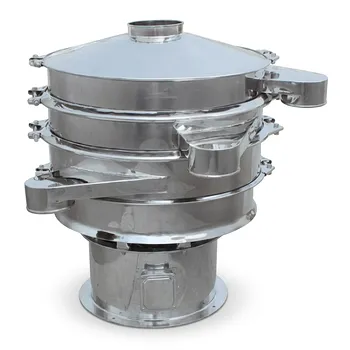
Stainless Steel Rotary Vibrating Sieve High Precision Circular Vibratory Separator Industrial Powder Grading Machine Multi Layer Sifting Equipment
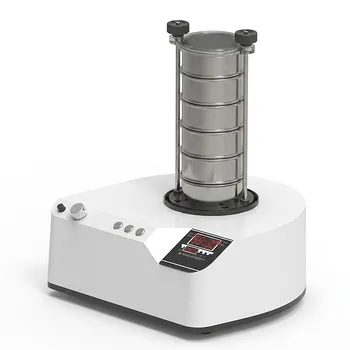
三维电磁微量振动筛分仪
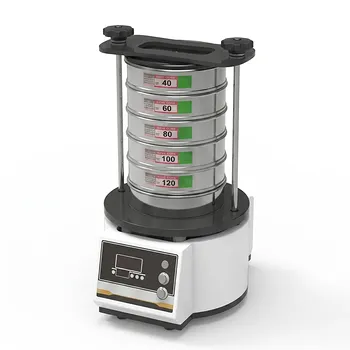
Dry Three Dimensional Vibratory Sieve Shaker
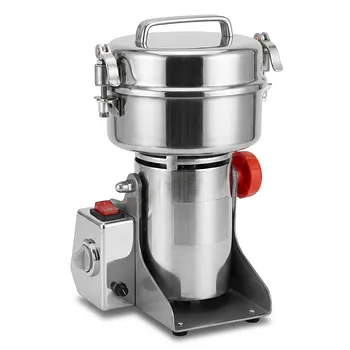
High Speed Laboratory Powder Grinder Small Batch Sample Preparation Mill
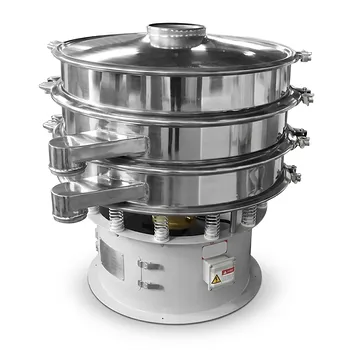
Three Dimensional Rotary Vibrating Sieve
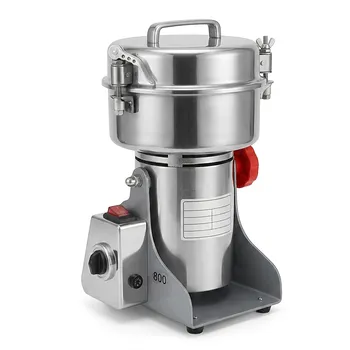
Small High-Speed Laboratory Grinder for Rapid Sample Preparation
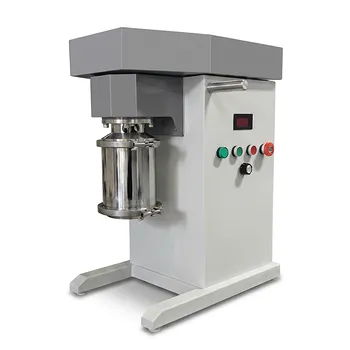
Nano Laboratory Bead Mill Desktop Sub Micron Sand Mill Screenless Seal Less Powder Grinder
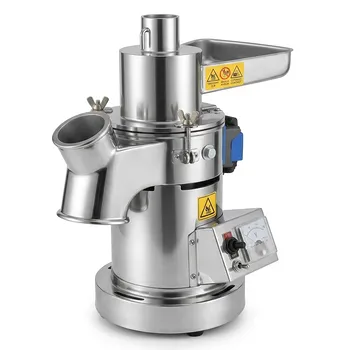
Continuous Feeding Grinder High Efficiency Pulverizer for Lab Sample Preparation
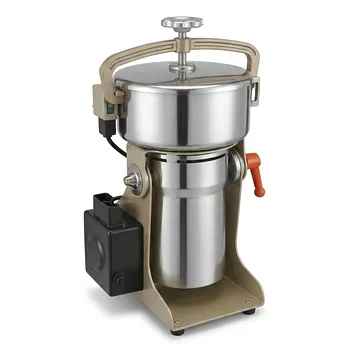
Multifunctional High Efficiency High Speed Laboratory Grinder
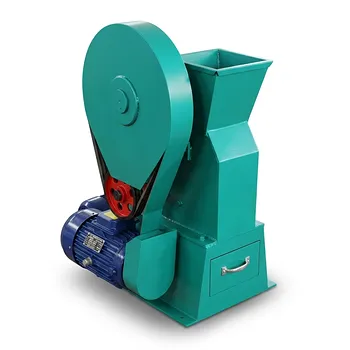
Small Laboratory Jaw Crusher 125x100mm Feed Opening for Sample Preparation