What is the function of a 350 µm test sieve in assessing flour particle fineness and biological safety? Expert Guide
Updated 3 months ago
The 350 µm test sieve functions as a critical quality control gatekeeper for flour production. It performs "over-tail analysis" to calculate the percentage of material retained, ensuring the milling process achieves the correct particle size distribution. Simultaneously, it acts as a biological inspection tool to detect and remove adult grain pests like weevils, safeguarding the flour's hygienic integrity during storage.
The 350 µm sieve serves a dual role as both a mechanical filter for particle size consistency and a safety barrier against biological contamination. By isolating coarse fragments and pests, it ensures flour meets both functional baking standards and strict food safety requirements.
Evaluating Flour Fineness and Milling Precision
The Mechanics of Over-Tail Analysis
Over-tail analysis involves measuring the percentage of flour that remains on top of the sieve after a standardized vibration cycle. This retention rate is a direct indicator of how effectively the milling equipment is pulverizing the grain.
If the amount of material retained on the 350 µm mesh exceeds specified limits, it suggests the mill may require adjustment or maintenance. This measurement allows for real-time calibration of the production line.
Optimizing Particle Size for Baking Performance
Flour particle size significantly influences the specific surface area, which dictates how quickly the flour hydrates when mixed with water. A 350 µm sieve helps ensure the flour stays within the optimal range for nutrient release and starch damage.
Properly sieved flour ensures a uniform dispersion within blended ingredients. This consistency is vital for maintaining the physical properties of the resulting dough, such as elasticity and fermentation speed.
Ensuring Biological Safety and Hygienic Standards
Detecting Adult Grain Pests
Beyond physical dimensions, the 350 µm sieve is a primary tool for biological inspection. The mesh size is specifically calibrated to capture adult grain pests, such as weevils, which are too large to pass through the openings.
By identifying these pests during the sieving process, producers can prevent infested batches from reaching the consumer. This is a non-negotiable step for maintaining hygienic quality in commercial food production.
Maintaining Integrity During Storage
The presence of insects in flour can lead to rapid spoilage and heat generation within storage silos. Using a 350 µm sieve as a safety audit helps ensure that stored flour remains free of active infestations.
Regular testing with this sieve size acts as an early warning system. It allows facilities to implement pest control measures before a minor issue becomes a widespread biological contamination event.
Understanding the Trade-offs and Limitations
The Risk of Microscopic Contaminants
While the 350 µm sieve is highly effective at catching adult insects, it may not capture eggs or larvae that are smaller than the mesh openings. Relying solely on this sieve size can create a false sense of security regarding total biological purity.
To achieve comprehensive safety, this sieve should be used in conjunction with other sanitation methods. This includes heat treatment or finer secondary sieving to address smaller developmental stages of pests.
Limitations of Single-Sieve Analysis
Using a single 350 µm sieve only identifies the "coarseness" of the flour; it does not provide a complete particle size distribution (PSD). It cannot distinguish between very fine flour and flour that is just below the 350 µm threshold.
For a true technical analysis, a vertical stack of sieves with varying mesh sizes (such as 100-mesh or 200-mesh) is required. This multi-layered approach provides a detailed micron-scale map of the flour's composition.
How to Apply This to Your Milling Process
Standardized sieving is the most cost-effective way to maintain brand consistency and safety. Depending on your specific operational goals, the 350 µm sieve should be used as follows:
- If your primary focus is milling efficiency: Use the sieve to perform frequent over-tail analysis to monitor for equipment wear and tear.
- If your primary focus is food safety compliance: Integrate the sieve into your biological inspection protocol to specifically screen for adult weevils and grain beetles.
- If your primary focus is dough consistency: Use the 350 µm sieve as the "upper limit" check to ensure no oversized particles interfere with hydration and starch damage targets.
By mastering the dual functions of this tool, you ensure that your flour is both technically precise and biologically sound.
Summary Table:
| Feature | Function | Benefit |
|---|---|---|
| Over-Tail Analysis | Measures retention rate of coarse particles | Monitors milling efficiency & equipment wear |
| Biological Inspection | Captures adult grain pests (e.g., weevils) | Ensures hygienic integrity & food safety |
| Particle Size Control | Limits specific surface area of flour | Optimizes hydration & baking performance |
| Safety Audit | Acts as an early warning for infestations | Prevents spoilage during bulk storage |
Elevate Your Milling Quality with Professional Sieving Solutions
Precise particle size analysis is the cornerstone of material consistency and safety. At [Company Name], we provide complete laboratory sample preparation solutions tailored for material science and food production. Our expertise in powder processing and compaction equipment ensures your lab achieves the highest standards of accuracy.
Our extensive product line includes:
- Sieve Shakers: High-performance vibratory and air-jet shakers with precision test sieves for detailed PSD analysis.
- Milling & Crushing: Planetary ball mills, jet mills, and jaw crushers for optimal sample reduction.
- Powder Processing: Advanced mixers (powder/defoaming) and a full spectrum of hydraulic presses, including CIP/WIP, hot presses, and XRF pellet presses.
Whether you need to refine your over-tail analysis or optimize your entire sample prep workflow, our team is ready to assist. Contact us today to find the perfect solution for your laboratory!
References
- A. Inthuja, T. Mahendran. Quality evaluation of microwaved and non-microwaved <em>chakki atta</em> flour under storage. DOI: 10.4038/java.v2i1.108
Mentioned Products
- Stainless Steel Laboratory Vibratory Test Sieve Shaker
- Laboratory Vibratory Test Sieve Shaker for Precision Particle Size Analysis and Powder Grading
- 三维电磁微量振动筛分仪
- Small Laboratory Vibrating Sieve Shaker for Precise Particle Size Analysis
- Laboratory Air Jet Sieving Machine for Fine Powder Particle Size Analysis and Deagglomeration
People Also Ask
- What function does a laboratory vibratory sieve shaker serve in the production process of metakaolin? Optimize Reactivity
- Why is a precision laboratory vibratory sieve shaker necessary for particle size control? Optimize Biomass Carbonization
- What is the function of a laboratory vibratory sieve shaker? Enhance Coal Particle Size Distribution (PSD) Analysis
- What role do laboratory vibratory sieve shakers and test sieves play before the molding of Nb-Cu composite powders?
- What is the primary function of a laboratory vibratory sieve shaker in the evaluation of sand liquefaction potential?

Tech Team · PowderPreparation
Last updated on Jun 03, 2026
Related Products
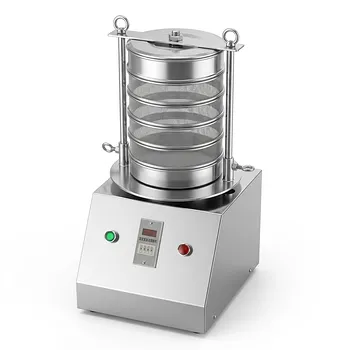
Stainless Steel Laboratory Vibratory Test Sieve Shaker

Laboratory Vibratory Test Sieve Shaker for Precision Particle Size Analysis and Powder Grading

三维电磁微量振动筛分仪

Small Laboratory Vibrating Sieve Shaker for Precise Particle Size Analysis
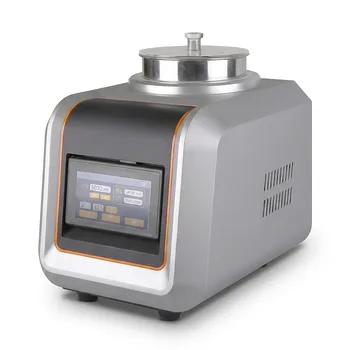
Laboratory Air Jet Sieving Machine for Fine Powder Particle Size Analysis and Deagglomeration

Small Laboratory Vibratory Sieve Shaker for Powder Gradation and Particle Size Analysis

Vibratory Sieve Shaker Electromagnetic 3D Motion Powder Particle Size Analyzer for Dry and Wet Sieving

Three Dimensional Rotary Vibrating Sieve

Stainless Steel Rotary Vibrating Sieve High Precision Circular Vibratory Separator Industrial Powder Grading Machine Multi Layer Sifting Equipment
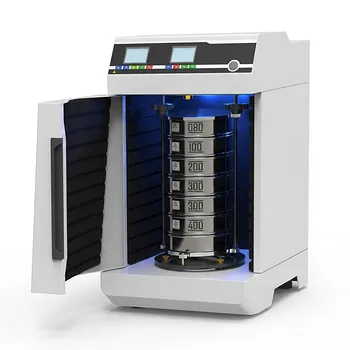
Laboratory Dry and Wet Three Dimensional Vibratory Sieve Shaker for Particle Analysis

Dry Three Dimensional Vibratory Sieve Shaker
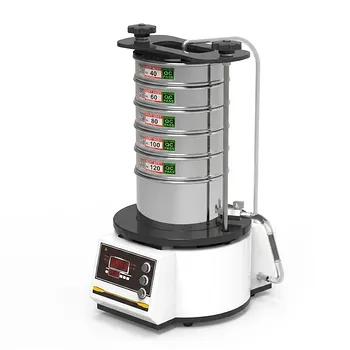
High Frequency Wet Three-Dimensional Vibrating Sieve Shaker for Dry and Wet Particle Size Analysis

Tapping Oscillating Sieve Shaker for Dry and Wet Particle Size Analysis

Heavy Duty Dry Three Dimensional Vibratory Sieve Shaker for Particle Separation