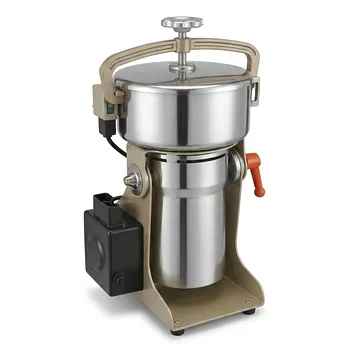
How are standard test sieves used to evaluate PET powder? Master Particle Size Analysis for Quality Control
Updated 3 months ago
The evaluation of ground Polyethylene Terephthalate (PET) powder using standard test sieves is a process of mechanical fractionation designed to quantify material fineness. By passing a sample through a vertical stack of sieves with specific apertures—such as 2.5 mm for coarse particles and 0.16 mm for fines—operators can determine the exact mass distribution across different size ranges. This data is critical for ensuring the recycled PET meets the stringent quality standards required for its use as a functional filler in composite materials.
Standard test sieves provide a precise, repeatable method for grading ground PET by isolating specific particle fractions through controlled mechanical vibration. This classification ensures material uniformity, which is the primary factor determining the packing density and mechanical performance of the final industrial product.
The Mechanics of PET Classification
Stacked Screening and Aperture Selection
Sieves are organized in a graded stack, with the largest mesh openings at the top and the progressively smaller apertures toward the bottom. For ground PET, the primary goal is often to isolate the sieve residue on a 2.5 mm screen and the fine powder content passing through a 0.16 mm screen.
The Role of Vibratory Sieve Shakers
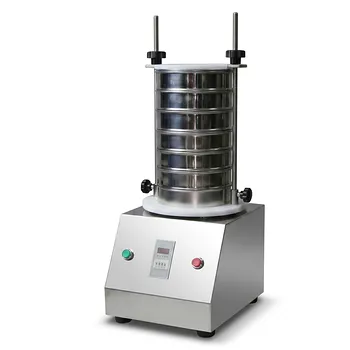
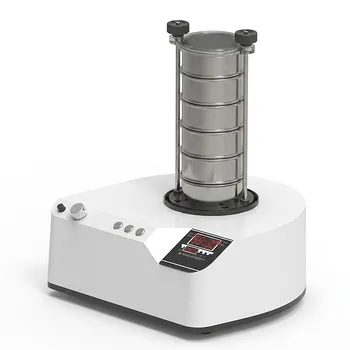
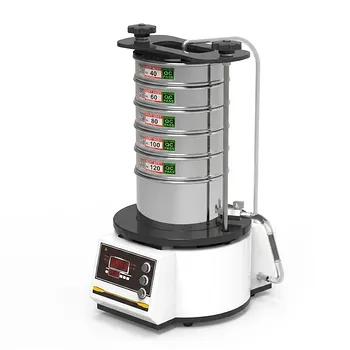
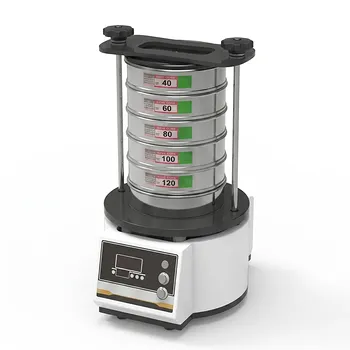
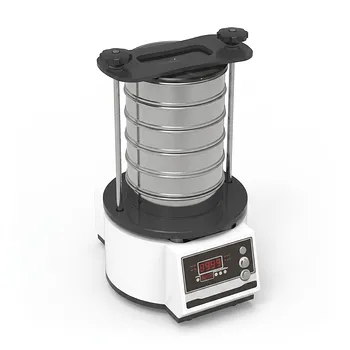
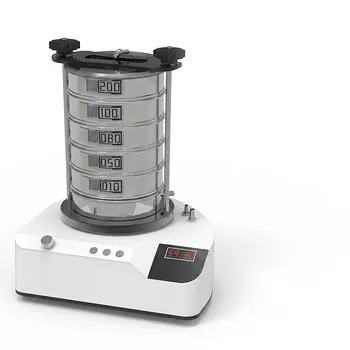
A vibratory sieve shaker is used to subject the PET sample to specific mechanical frequencies. This agitation ensures that particles are constantly reoriented against the mesh, allowing them to pass through the apertures if their dimensions permit, which eliminates the inconsistencies of manual shaking.
Achieving Material Uniformity
Precise screening eliminates experimental interference caused by non-uniform particle sizes. By ensuring a consistent grain size, manufacturers can guarantee that the PET powder will behave predictably during downstream processes, such as acid leaching or composite blending.
Quantifying the Distribution Data
Measuring Residue and Fine Content
After the vibration cycle is complete, the material retained on each sieve is weighed. This quantitative analysis allows for the calculation of the percentage of "oversize" and "undersize" material relative to the total sample weight.
Constructing Cumulative Distribution Curves
The weights from the sieve stack are used to plot a cumulative particle size distribution curve. This curve helps engineers identify critical indicators like D80, which is the specific particle size that 80% of the total material is smaller than.
Impact on Internal Packing Density
Properly graded PET ensures that finer particles effectively fill the voids between larger particles. This optimization of the "gap grading" increases the internal packing density, which directly enhances the mechanical strength and reduces the porosity of the final composite material.
Understanding the Trade-offs and Pitfalls
The Challenge of Mesh Blinding
One common issue with ground plastics is mesh blinding, where near-sized particles become wedged in the sieve openings. This can artificially inflate the recorded residue weight and lead to an inaccurate assessment of the powder's fineness.
Electrostatic Clumping in Fine Powders
Recycled PET powder can carry an electrostatic charge, causing fine particles to adhere to each other or the sieve walls. If not managed, this clumping can prevent fine powder from passing through the 0.16 mm mesh, resulting in a "coarser" reading than the material actually is.
Limitations of Dry Sieve Analysis
While dry sieving is standard, it may lack the precision required for sub-micron analysis. If your application requires PET particles smaller than the standard analytical range, traditional sieving may need to be supplemented with laser diffraction or wet sieving methods.
How to Apply This to Your PET Production
Optimizing Your Grading Strategy
The success of your particle analysis depends on aligning your sieving parameters with your end-use requirements.
- If your primary focus is composite filler strength: Prioritize a "gap grading" analysis to ensure smaller particles are present in the correct ratio to fill voids between larger grains.
- If your primary focus is chemical reactivity or leaching: Focus on maximizing the specific surface area by monitoring the percentage of powder passing through the 0.16 mm sieve.
- If your primary focus is quality control for resale: Use the D80 indicator and cumulative curves to provide a standardized "fineness certificate" that guarantees batch-to-batch consistency for buyers.
By mastering the use of standard test sieves, you transform raw ground PET into a high-value, engineered raw material with predictable physical properties.
Summary Table:
| Stage of Analysis | Equipment/Action | Key Objective |
|---|---|---|
| Classification | Graded Sieve Stack | Isolates coarse (>2.5mm) and fine (<0.16mm) fractions. |
| Agitation | Vibratory Sieve Shaker | Ensures repeatable, mechanical orientation of particles against mesh. |
| Quantification | Mass Measurement | Calculates residue vs. undersize percentage for D80 indicators. |
| Optimization | Cumulative Curve Plotting | Determines packing density and gap grading for composite strength. |
| Troubleshooting | Cleaning & De-clumping | Overcomes mesh blinding and electrostatic clumping in fine powders. |
Optimize Your PET Processing with Precision Laboratory Solutions
Achieving the perfect particle size distribution is critical for the mechanical performance of recycled PET composites. At [Your Brand Name], we provide complete laboratory sample preparation solutions tailored for material science and powder processing.
Our extensive range includes high-performance vibratory and air-jet sieve shakers with precision test sieves to ensure accurate, repeatable grading. To support your entire workflow, we also offer:
- Size Reduction: Jaw/roll crushers, planetary ball mills, jet mills, and cryogenic grinders.
- Mixing & Blending: Powder mixers and vacuum defoaming mixers.
- Compaction & Pelleting: A full spectrum of hydraulic presses, including Cold/Warm Isostatic Presses (CIP/WIP), standard lab presses, and XRF pellet presses.
Whether you are grading powder for quality resale or optimizing filler reactivity, our equipment delivers the reliability your research demands.
Ready to enhance your lab's efficiency and material quality? Contact us today to find your solution!
References
- Natalya Fomina, Артур Исмагилов. Shredding of polyethylene terephthalate waste. DOI: 10.1051/e3sconf/202126301018
Mentioned Products
- Stainless Steel Laboratory Vibratory Test Sieve Shaker
- Laboratory Vibratory Test Sieve Shaker for Precision Particle Size Analysis and Powder Grading
- Small Laboratory Vibrating Sieve Shaker for Precise Particle Size Analysis
- Small Laboratory Vibratory Sieve Shaker for Powder Gradation and Particle Size Analysis
- 三维电磁微量振动筛分仪
People Also Ask
- What function does a laboratory vibratory sieve shaker serve in the production process of metakaolin? Optimize Reactivity
- Why is a precision laboratory vibratory sieve shaker necessary for particle size control? Optimize Biomass Carbonization
- What is the function of a laboratory vibratory sieve shaker? Enhance Coal Particle Size Distribution (PSD) Analysis
- What role do laboratory vibratory sieve shakers and test sieves play before the molding of Nb-Cu composite powders?
- What is the primary function of a laboratory vibratory sieve shaker in the evaluation of sand liquefaction potential?

Tech Team · PowderPreparation
Last updated on Jun 03, 2026
Related Products
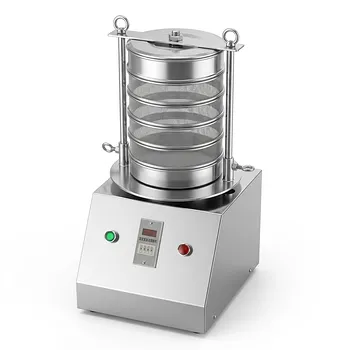
Stainless Steel Laboratory Vibratory Test Sieve Shaker
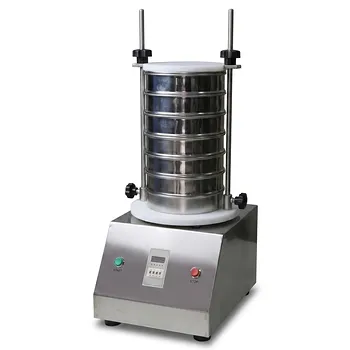
Laboratory Vibratory Test Sieve Shaker for Precision Particle Size Analysis and Powder Grading
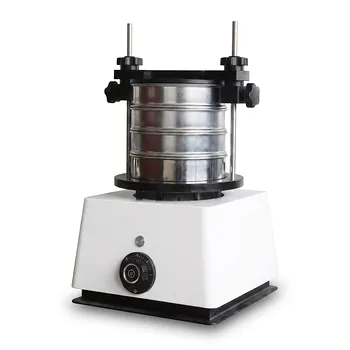
Small Laboratory Vibrating Sieve Shaker for Precise Particle Size Analysis
Small Laboratory Vibratory Sieve Shaker for Powder Gradation and Particle Size Analysis
三维电磁微量振动筛分仪
Laboratory Air Jet Sieving Machine for Fine Powder Particle Size Analysis and Deagglomeration
Stainless Steel Rotary Vibrating Sieve High Precision Circular Vibratory Separator Industrial Powder Grading Machine Multi Layer Sifting Equipment
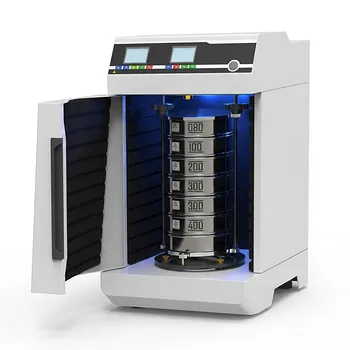
Laboratory Dry and Wet Three Dimensional Vibratory Sieve Shaker for Particle Analysis
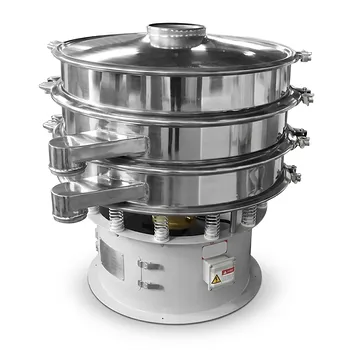
Three Dimensional Rotary Vibrating Sieve
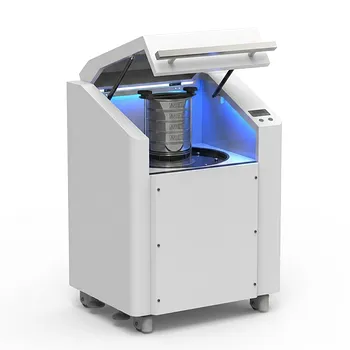
High Frequency Cabinet Type Three-Dimensional Rotary Vibrating Sieve Shaker for Dry Sieving and Particle Classification
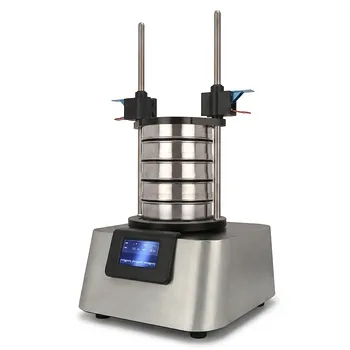
Vibratory Sieve Shaker Electromagnetic 3D Motion Powder Particle Size Analyzer for Dry and Wet Sieving
High Frequency Wet Three-Dimensional Vibrating Sieve Shaker for Dry and Wet Particle Size Analysis
Dry Three Dimensional Vibratory Sieve Shaker
Tapping Oscillating Sieve Shaker for Dry and Wet Particle Size Analysis
Heavy Duty Dry Three Dimensional Vibratory Sieve Shaker for Particle Separation
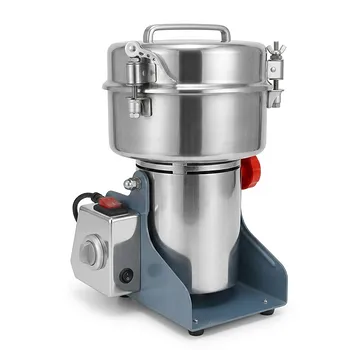
Small High-Speed Grinder for Efficient Laboratory Sample Preparation
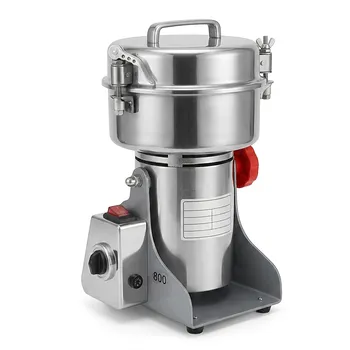
Small High-Speed Laboratory Grinder for Rapid Sample Preparation
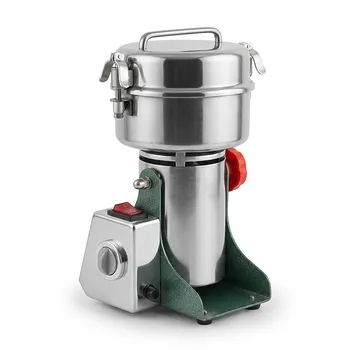
Small High-Speed Swing Grinder for Laboratory Sample Preparation
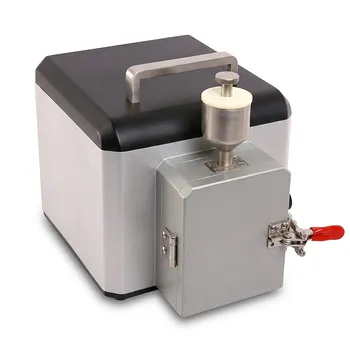
Portable Cutting Mill for Laboratory Sample Preparation and RoHS WEEE Compliance Testing