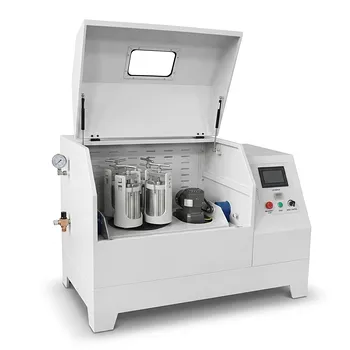
What is the role of ball milling in O-CMC slurry preparation? Optimize matrix stability and protect fiber integrity.
Updated 4 months ago
The precision of O-CMC performance begins with the slurry. High-energy ball milling and precision mixing equipment are used to achieve a bimodal particle size distribution and a uniform dispersion of alumina ($Al_2O_3$) and zirconia ($ZrO_2$) particles. This process is essential for lowering sintering temperatures to protect delicate fibers while ensuring the matrix remains stable and develops its necessary microporous structure.
Core Takeaway: High-energy powder processing is the foundational step that enables the creation of a stable, low-shrinkage ceramic matrix. By precisely controlling particle distribution and eliminating agglomerates, these tools protect the structural fibers from thermal degradation and define the mechanical toughness of the final composite.
Achieving Optimal Particle Distribution and Dispersion
Creating Bimodal Particle Size Distributions
High-energy ball milling is used to engineer a bimodal distribution, where smaller particles fill the gaps between larger ones. This specific arrangement allows for high-density packing within the slurry, which is critical for achieving a stable matrix during the infiltration of fiber filaments.
Eliminating Agglomerates through Mechanical Shear
Precision mixing equipment utilizes strong mechanical shear forces to break up particle agglomerates that naturally form in fine powders. Ensuring that every particle is individually dispersed prevents internal defects and ensures the chemical and physical stability of the slurry throughout the manufacturing process.
Increasing Specific Surface Area and Reactivity
By refining raw materials from hundreds of micrometers down to the nanometer scale, milling equipment significantly increases the specific surface area of the powder. This heightened surface area increases the reaction activity, providing the physical foundation for high densification and consistent microstructure during the sintering phase.
Protecting Structural Integrity and Performance
Lowering Sintering Temperatures
A primary role of precision-processed powder is to allow the matrix to form at lower temperatures. This is a critical requirement for Oxide CMCs, as it prevents the alumina fibers from undergoing high-temperature degradation, which would otherwise compromise the strength of the composite.
Mitigating Matrix Shrinkage
Precise powder processing ensures that the matrix undergoes minimal shrinkage during the sintering process. By maintaining dimensional stability, the equipment helps prevent the formation of cracks and ensures the matrix remains properly bonded to the fiber reinforcement.
Engineering a Tough Fracture Behavior
The uniform dispersion achieved through high-energy milling results in a microporous matrix structure. Unlike dense ceramics, this specific porosity is intentional; it facilitates a "tough" fracture behavior that allows the composite to absorb energy rather than failing catastrophically.
Understanding the Trade-offs
While high-energy milling is essential, it introduces specific challenges that must be managed. Media contamination is a primary concern, as the wear from grinding balls can introduce impurities into the high-purity alumina or zirconia powders.
Furthermore, over-milling can lead to excessive surface energy, making the powder so reactive that it becomes difficult to control during the sintering stage. Finding the balance between sufficient refinement and maintaining material purity is the central challenge in O-CMC slurry preparation.
How to Apply This to Your Project
When selecting equipment and parameters for O-CMC slurry preparation, your choice should align with the specific requirements of your matrix chemistry and fiber type.
- If your primary focus is protecting sensitive fibers: Prioritize achieving a bimodal particle distribution that allows for the lowest possible sintering temperature.
- If your primary focus is high-viscosity infiltration: Utilize planetary mixing or high-shear equipment to ensure a uniform dispersion of high-solid-content fillers without introducing air bubbles.
- If your primary focus is maximizing matrix toughness: Focus on precision milling to control the final microporosity of the matrix, ensuring it remains porous enough to inhibit crack propagation.
Ultimately, high-energy mixing is not merely a preparation step, but the defining process for the microstructural integrity of the composite.
Summary Table:
| Process Function | Key Technical Benefit | Impact on O-CMC Performance |
|---|---|---|
| Bimodal Distribution | Enables high-density particle packing | Reduces matrix shrinkage and cracking |
| Mechanical Shear | Eliminates particle agglomerates | Prevents internal defects and voids |
| Surface Area Refinement | Increases reaction activity | Lowers sintering temp to protect fibers |
| Controlled Dispersion | Creates intentional microporosity | Enhances fracture toughness and energy absorption |
Elevate Your O-CMC Research with Precision Engineering
Achieving the perfect balance of matrix toughness and fiber protection requires equipment that delivers absolute control. At our facility, we provide complete laboratory sample preparation solutions specifically designed for material science and advanced powder processing.
Whether you need to achieve nanometer-scale refinement using our planetary ball, jet, or rotor mills, or ensure air-bubble-free dispersion with our precision powder mixers, we have the tools to optimize your O-CMC slurry. Beyond preparation, we offer a full spectrum of compaction technology, including Cold/Warm Isostatic Presses (CIP/WIP), vacuum hot presses, and XRF pellet presses to ensure your final composite meets the highest performance standards.
Ready to optimize your material properties? Contact our technical team today to find the ideal processing and pressing solution for your specific laboratory needs.
References
- Tobias Lehnert, Britta Panthen. Effect of coupon geometry and preload on flexural properties of oxide ceramic matrix composites. DOI: 10.1111/ijac.14307
Mentioned Products
- High Energy Planetary Ball Mill for Nano Scale Grinding and Mechanical Alloying
- High Energy Omnidirectional Planetary Ball Mill 16L
- Ultra-Low Temperature Cryogenic High-Energy Vibratory Ball Mill
- High Energy Hybrid Vibratory Ball Mill for Grinding Mixing and Cell Disruption
- Nano High Energy Vibratory Ball Mill with Heating and Temperature Control
People Also Ask
- Why is a high-energy planetary ball mill used for nano-milling As4Se3? Achieve Expert Structural Transformation
- What role do high-energy planetary ball mills play in FDM composite filament preparation? Optimize Material Performance
- What is the role of a high-energy planetary ball mill in the exfoliation of modified WSe2? Achieve Nano-Precision
- What is the function of a planetary ball mill in glass-ceramic sintering? Optimize Reactivity and Uniformity
- What is the role of a high-energy planetary ball mill in the preparation of high-performance nano-ceramics? Key Guide

Tech Team · PowderPreparation
Last updated on Jun 03, 2026
Related Products
High Energy Planetary Ball Mill for Nano Scale Grinding and Mechanical Alloying
High Energy Omnidirectional Planetary Ball Mill 16L
Ultra-Low Temperature Cryogenic High-Energy Vibratory Ball Mill

High Energy Hybrid Vibratory Ball Mill for Grinding Mixing and Cell Disruption

Nano High Energy Vibratory Ball Mill with Heating and Temperature Control
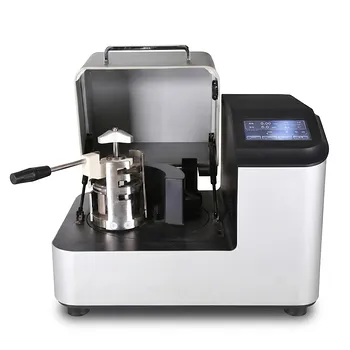
High Energy Laboratory Planetary Ball Mill for Nano Grinding and Material Science Sample Preparation
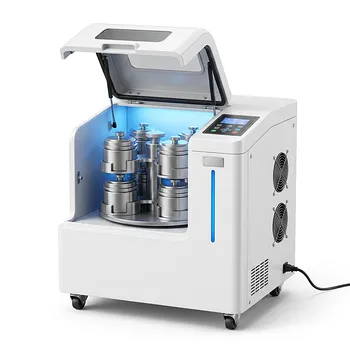
High Energy Omnidirectional Planetary Ball Mill 20L

Multi-Platform Nanoscale High-Energy Vibratory Ball Mill
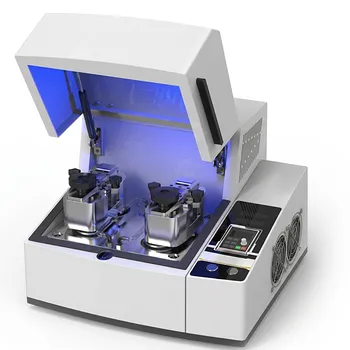
Laboratory Nano High Energy Ball Mill Ultrafine Grinding Mechanical Alloying
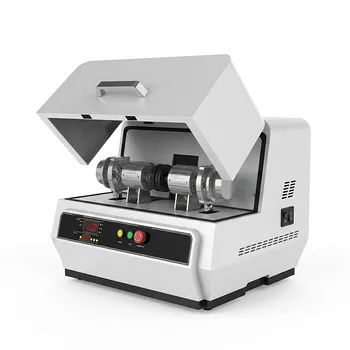
Dual Jar High Energy Vibratory Ball Mill
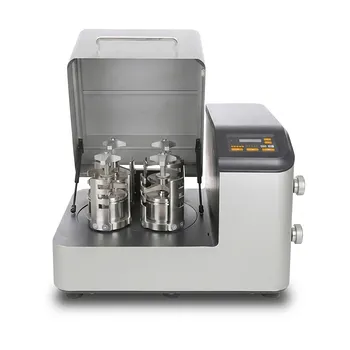
High Energy Planetary Ball Mill for Nano Scale Grinding and Colloidal Mixing in Material Science Research
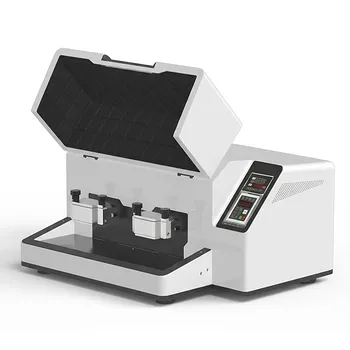
Nanoscale High-Energy Vibratory Ball Mill for Laboratory Sample Preparation, Mechanochemistry, and Mechanical Alloying
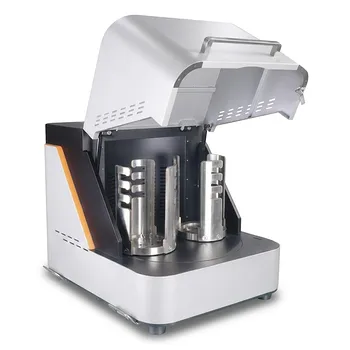
High Energy Laboratory Planetary Ball Mill for Nano Grinding and Colloidal Mixing of Hard and Brittle Materials
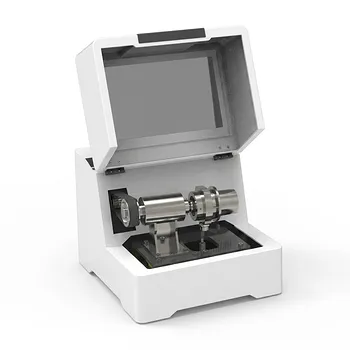
Single Tank High Energy Vibratory Ball Mill for Laboratory Grinding and Mixing
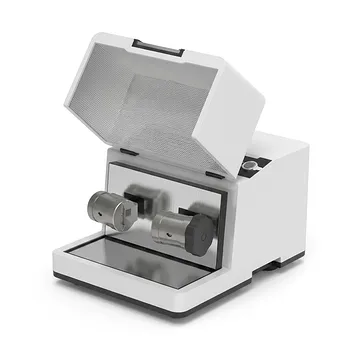
Heating Temperature Controlled High Energy Vibratory Ball Mill

Nano High Energy Vibratory Ball Mill for Laboratory Sample Preparation
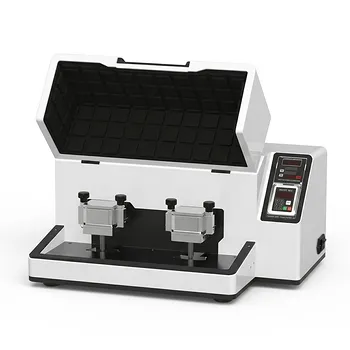
Nanoscale High Energy Vibratory Ball Mill Low Temperature
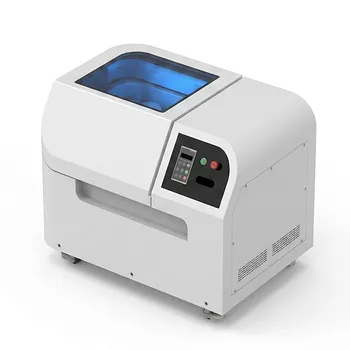
8L Planetary Ball Mill for Laboratory Grinding and Sample Preparation
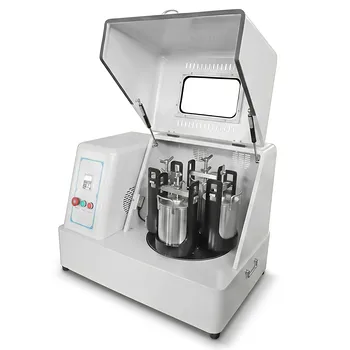
Vertical Square Planetary Ball Mill for Laboratory Sample Preparation and Nanoscale Grinding