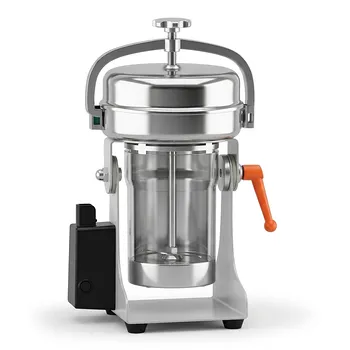
What is the role of a high-speed vibratory cup mill in PCB recycling? Maximize Metal Recovery and Efficiency
Updated 4 months ago
High-speed vibratory cup mills are the primary mechanism for transforming complex electronic components into a chemically reactive powder. This specific pre-treatment step uses high-frequency vibration to generate powerful impact forces that rapidly crush and refine small components like capacitors, LEDs, and MOSFETs. By breaking down the external packaging, the mill exposes the internal metallic content, which is essential for efficient downstream processing.
The high-speed vibratory cup mill acts as a critical kinetic bridge; it maximizes the specific surface area of electronic waste to ensure that subsequent chemical leaching processes occur at peak efficiency and speed.
Mechanical Disruption and Component Refinement
High-Frequency Impact Mechanisms
The vibratory cup mill operates by subjecting material to intense, high-frequency kinetic energy. This energy creates repetitive impact forces that shatter the robust outer shells of electronic components more effectively than standard crushing methods.
Targeting Small-Scale Electronics
While primary crushers handle bulk boards, the cup mill is specifically designed to refine small components such as MOSFETs and capacitors. These components often contain high concentrations of valuable metals but are protected by dense, chemically resistant resins.
Breaking Down External Packaging
The milling process serves to physically disrupt the external packaging structures of the components. By stripping away these protective layers, the mill removes the physical barrier between the recovery chemicals and the target metals.
Enhancing Chemical Leaching Efficiency
Increasing Specific Surface Area
One of the most critical outcomes of this pre-treatment is the drastic increase in specific surface area. A higher surface-area-to-volume ratio allows the leaching agents to contact more material simultaneously, significantly accelerating the reaction rate.
Exposure of Internal Metallic Copper
The primary goal of the refinement is the exposure of internal metallic copper and other conductive elements. Without this mechanical exposure, leaching chemicals cannot penetrate the non-conductive plastic or glass fiber matrices, leading to poor recovery yields.
Optimizing Reaction Kinetics
By reducing material to a consistent, fine powder—often reaching the micron level—the mill ensures that the kinetic parameters of the leaching process are optimized. This leads to a more predictable and faster electrochemical hydrochlorination or acid leaching cycle.
Integrating Milling with Classification
Synergy with Bulk Crushing
In a complete recycling circuit, the cup mill often follows a high-energy hammer mill. While the hammer mill performs the initial size reduction, the cup mill provides the final "ultra-fine" refinement necessary for total metal liberation.
Particle Size Control and Characterization
The output from the cup mill is frequently paired with vibratory sieve shakers to classify the powder into specific size fractions (such as 24 mesh or 7 mesh). This classification allows recyclers to characterize the metal content within specific ranges and adjust their chemical formulas accordingly.
Understanding the Trade-offs
Equipment Wear and Maintenance
The high-intensity impact required to pulverize glass-reinforced plastics and metals leads to significant abrasive wear on the milling sets. Operators must frequently monitor the integrity of the grinding rings and pucks to prevent sample contamination.
Heat Generation and Material Sensitivity
The mechanical energy converted during milling can generate substantial heat. If not managed, this heat can soften certain plastics or resins, causing them to "smear" rather than shatter, which can inadvertently re-encapsulate the metal particles.
Energy Consumption for Ultra-Fine Grinding
Achieving ultra-fine particle sizes (sub-90 microns) requires a diminishing return on energy. The energy required to move from a coarse powder to a micron-level powder is significantly higher, requiring a balance between energy costs and the value of the recovered metal.
How to Apply This to Your Recycling Workflow
Making the Right Choice for Your Goal
Depending on your specific recovery objectives, the use of a vibratory cup mill should be tailored to the material type and the downstream chemistry.
- If your primary focus is maximizing copper recovery rates: Ensure the mill is configured to achieve a particle size below 90 microns to fully disrupt the glass fiber matrix.
- If your primary focus is reducing chemical processing time: Prioritize the highest possible frequency settings to maximize the specific surface area, even if it increases equipment wear.
- If your primary focus is material characterization and R&D: Use the cup mill in conjunction with multi-layer vibratory sieves to isolate and analyze metal distribution across different size fractions.
By precision-milling small electronic components, you eliminate the physical barriers to extraction and set the stage for high-yield, high-efficiency chemical metal recovery.
Summary Table:
| Feature | Role in PCB Pre-treatment | Key Benefit for Recovery |
|---|---|---|
| High-Frequency Impact | Shatters robust outer resins/packaging | Exposes internal metallic content |
| Surface Area Expansion | Reduces material to micron-level powder | Drastically accelerates chemical leaching |
| Mechanical Refinement | Processes small components (MOSFETs/LEDs) | Ensures total metal liberation |
| Particle Size Control | Prepares samples for sieve classification | Optimizes reaction kinetics for high yield |
Elevate Your Material Recovery with Precision Sample Preparation
To achieve peak efficiency in electronic waste recycling, the right preparation equipment is non-negotiable. At [Company Name], we provide complete laboratory sample preparation solutions for material science, specializing in high-performance powder processing and compaction equipment.
Our extensive product lines are designed to handle every stage of your workflow:
- Size Reduction: Jaw/roll crushers, liquid nitrogen cryogenic grinders, and high-speed mills (planetary ball, jet, sand/bead, disc, rotor).
- Classification & Mixing: Vibratory and air-jet sieve shakers with various test sieves, plus advanced powder and defoaming mixers.
- Material Compaction: A full spectrum of hydraulic presses, including Cold/Warm Isostatic Presses (CIP/WIP), standard lab presses, and vacuum hot presses.
Whether you are refining precious metals from PCBs or developing new material composites, our expert solutions ensure consistency and reliability. Contact us today to find the perfect equipment for your laboratory!
References
- Anjan Kumari, Vinay Kumar. Extraction of copper from small electronic devices populated on discarded PCBs. DOI: 10.5281/zenodo.6821994
Mentioned Products
- High Speed Vibratory Disc Mill for Spectral Analysis Sample Preparation and Rapid Powder Grinding
- Vibratory Disc Mill for Rapid Fine Grinding and High Throughput Sample Preparation of Hard and Brittle Materials
- Single Tank High Energy Vibratory Ball Mill for Laboratory Grinding and Mixing
- High Energy Hybrid Vibratory Ball Mill for Grinding Mixing and Cell Disruption
- Dual Jar High Energy Vibratory Ball Mill
People Also Ask
- Why is a vibratory disc mill utilized for the pretreatment of alum shale waste samples in phase analysis? Ensure XRD Accuracy
- What is the primary function of a vibrating disc mill in the pretreatment of raw clay samples? Achieve Micron-Level Precision
- How does the size of grinding media influence the vibratory milling efficiency? Achieve Optimal Pharmaceutical Fineness
- Why is a high-speed disc mill typically selected for the fine grinding of low-grade copper ore? Achieve Mineral Liberation
- What is the role of a disk mill in the sample preparation of natural clinoptilolite? Enhance Reactivity & Precision

Tech Team · PowderPreparation
Last updated on Jun 03, 2026
Related Products
High Speed Vibratory Disc Mill for Spectral Analysis Sample Preparation and Rapid Powder Grinding
Vibratory Disc Mill for Rapid Fine Grinding and High Throughput Sample Preparation of Hard and Brittle Materials
Single Tank High Energy Vibratory Ball Mill for Laboratory Grinding and Mixing
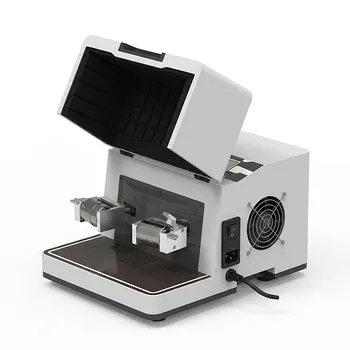
High Energy Hybrid Vibratory Ball Mill for Grinding Mixing and Cell Disruption
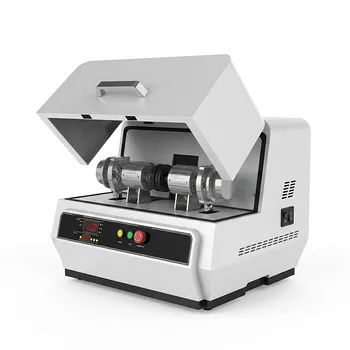
Dual Jar High Energy Vibratory Ball Mill
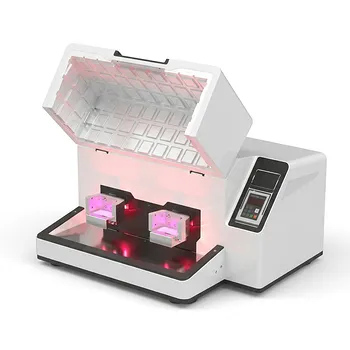
Nano High Energy Vibratory Ball Mill with Heating and Temperature Control
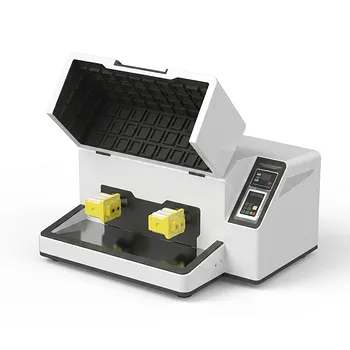
Multi-Platform Nanoscale High-Energy Vibratory Ball Mill
Heating Temperature Controlled High Energy Vibratory Ball Mill
Nano High Energy Vibratory Ball Mill for Laboratory Sample Preparation
Nanoscale High Energy Vibratory Ball Mill Low Temperature
Vibratory Superfine Grinder for Ultra Fine Laboratory Powder Milling
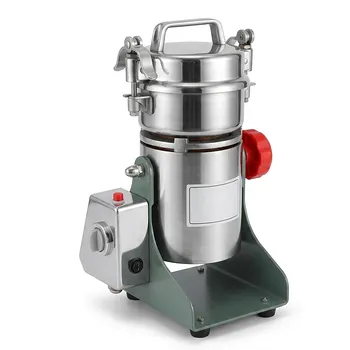
High Speed Swing Type Laboratory Pulverizer for Fine Powder Grinding and Sample Preparation
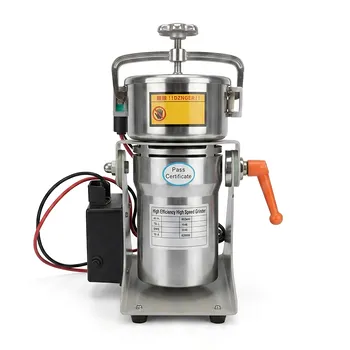
High Efficiency High Speed Grinder Laboratory Mill 1300W 25000rpm
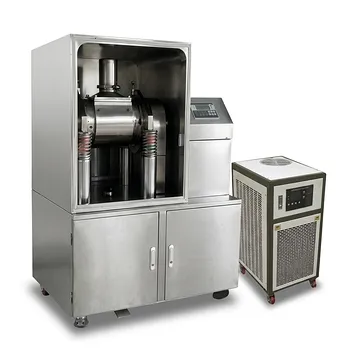
Small Vibrating Ultrafine Grinder for Traditional Chinese Medicine
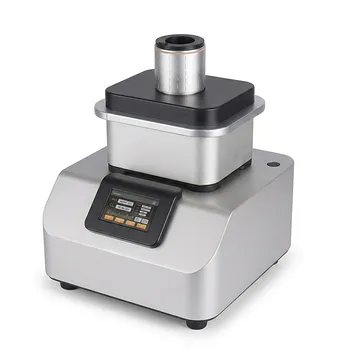
Ultra Centrifugal Mill High Speed Laboratory Grinder for Fibrous and Brittle Sample Preparation
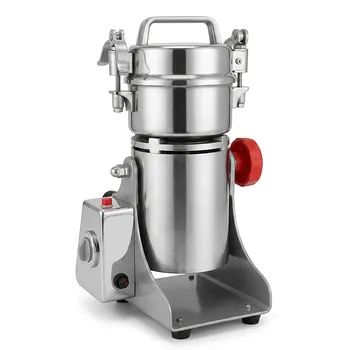
Industrial High Speed Small Sample Pulverizer Swing Type Laboratory Grinder for Powder Processing
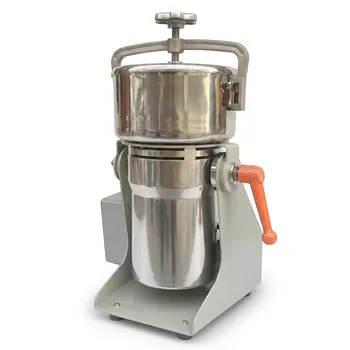
High Speed Laboratory Grinder Efficient Stainless Steel Powder Pulverizer Universal Material Science Mill for Sample Preparation
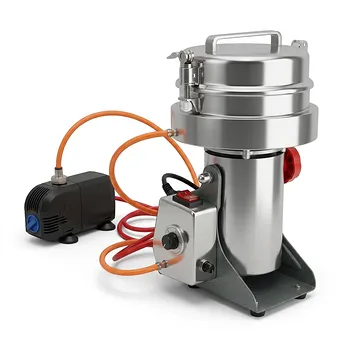
Water Cooled High Speed Grinder with Cryogenic Option for Laboratory Sample Preparation
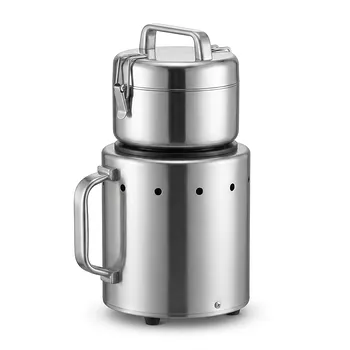
Small High Speed Grinder for Laboratory Sample Preparation