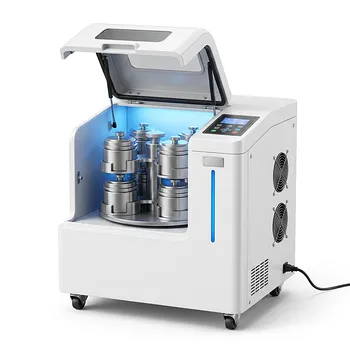
What is the primary function of a vibrating disc mill in the pretreatment of raw clay samples? Achieve Micron-Level Precision
Updated 3 months ago
The primary function of a vibrating disc mill is the rapid pulverization of bulk raw clay into a micron-level powder. By utilizing high-frequency vibrations, the mill subjects the sample to intense impact and friction forces. This process ensures the clay reaches a consistent initial particle size, which is a non-negotiable requirement for accurate sieve classification and effective thermal activation.
A vibrating disc mill acts as a critical homogenization tool that standardizes raw clay samples for downstream processing. By significantly increasing the specific surface area of the material, it optimizes the kinetics for thermal and chemical reactions.
Mechanisms of Material Refinement
High-Frequency Vibration
The mill operates by generating high-frequency oscillations that accelerate the grinding set within the machine. These vibrations create a high-energy environment where kinetic energy is transferred directly to the raw clay fragments.
Impact and Friction Forces
Material reduction occurs through a combination of intense pressure and abrasive friction between the grinding rings and the sample. This dual-action mechanism is what allows the equipment to reduce bulk rocks or dried clay clumps into fine, uniform powders in a matter of seconds.
The Impact on Material Properties
Increasing Specific Surface Area (SSA)
One of the most critical outcomes of this pretreatment is the massive increase in the clay’s exposed surface area. A higher SSA allows for more contact points during subsequent processes, which is essential for uniform moisture removal and reactive efficiency.
Achieving Physical Uniformity
Raw clay is naturally heterogeneous and often contains varied particle sizes that can skew experimental results. The vibrating disc mill eliminates these discrepancies, providing a standardized material base that ensures reproducibility in mineral phase analysis and chemical determination.
Downstream Process Preparation
Facilitating Thermal Activation and Calcination
In the preparation of Calcined Kaolin Clay (CKC), fine grinding is a prerequisite for efficient heat treatment. The increased surface area ensures that hydroxyl ions (OH-) are thoroughly removed during calcination, successfully transitioning the clay into a reactive state.
Enhancing Chemical Modification Kinetics
When preparing modified clays, the mill ensures that reagents can react more effectively with the clay particles. By reducing the particle size, the mill speeds up reaction kinetics, making chemical modifications more consistent across the entire sample batch.
Common Pitfalls to Avoid
Sample Contamination from Grinding Sets
The high-intensity nature of the grinding process can lead to material wear from the grinding bowls and rings. It is vital to select the appropriate material—such as tungsten carbide, chrome steel, or zirconia—to prevent the introduction of unwanted trace elements into the clay sample.
Heat-Induced Phase Alterations
Extended grinding times can generate significant heat within the grinding chamber. This localized temperature rise may unintentionally trigger premature thermal transitions or alter the moisture content of the clay, potentially compromising the integrity of subsequent thermal analysis.
How to Apply This to Your Project
Depending on your specific research or production requirements, the use of the vibrating disc mill should be tailored to your end goal:
- If your primary focus is Thermal Activation (Calcination): Grinding to a micron-level powder is essential to ensure complete dehydroxylation and structural transformation.
- If your primary focus is Chemical Composition Analysis: Use the mill to achieve a particle size of less than 74 µm to ensure the sample is representative and provides a uniform base for leaching or titration.
- If your primary focus is Mechanical Homogenization: Utilize short, high-intensity bursts to disperse fibers or break down clumps without inducing excessive heat or material wear.
By mastering the fine grinding phase, you ensure that your raw clay is perfectly conditioned for the rigors of advanced analytical and thermal processing.
Summary Table:
| Process Phase | Key Mechanism / Result | Benefit to Clay Pretreatment |
|---|---|---|
| Mechanism | High-frequency vibration & impact | Rapidly reduces bulk clay to micron-level powder. |
| Material Property | Increased Specific Surface Area (SSA) | Optimizes kinetics for thermal and chemical reactions. |
| Physical State | Material Uniformity | Ensures reproducibility for mineral phase analysis. |
| Downstream Prep | Calcination Readiness | Facilitates efficient dehydroxylation for thermal activation. |
Elevate Your Material Analysis with Precision Sample Preparation
Achieving consistent results in clay research starts with superior pulverization and homogenization. At KINTEK, we provide complete laboratory sample preparation solutions for material science, specializing in high-performance powder processing and compaction equipment.
Our extensive range ensures your samples meet the most rigorous standards for thermal activation and chemical analysis:
- Advanced Milling: From vibrating disc mills and planetary ball mills to jet and cryogenic grinders for ultra-fine refinement.
- Size Classification: Sieve shakers (vibratory/air-jet) for accurate particle size distribution.
- Compaction Excellence: A full spectrum of hydraulic presses, including Cold/Warm Isostatic Presses (CIP/WIP), standard lab presses, and XRF pellet presses.
- Processing Versatility: High-efficiency powder and defoaming mixers for specialized material blends.
Ready to optimize your lab's efficiency and ensure reproducible material data? Contact us today to find the perfect equipment solution for your specific application!
References
- Dilami Diana Babakoua, Gado Tchangbédji. Characterization and Pozzolanic Reactivity of Two Togolese Clays for Use as Supplementary Cementitious Materials. DOI: 10.4236/msce.2025.139003
Mentioned Products
- Vibratory Disc Mill for Rapid Fine Grinding and High Throughput Sample Preparation of Hard and Brittle Materials
- High Speed Vibratory Disc Mill for Spectral Analysis Sample Preparation and Rapid Powder Grinding
- Small Vibrating Ultrafine Grinder for Traditional Chinese Medicine
- Dual Jar High Energy Vibratory Ball Mill
- Single Tank High Energy Vibratory Ball Mill for Laboratory Grinding and Mixing
People Also Ask
- Why is a vibratory disc mill utilized for the pretreatment of alum shale waste samples in phase analysis? Ensure XRD Accuracy
- What is the primary function of a laboratory disc mill for oyster shells? Boost Reactivity & Analytical Precision
- How does the size of grinding media influence the vibratory milling efficiency? Achieve Optimal Pharmaceutical Fineness
- What is the function of a laboratory vibratory mill? Master StPh/MMT Nanocomposite Preparation via Mechanochemistry
- What is the primary function of a vibration mill in processing beta-SiAlON after SHS? Powder Refinement Guide.

Tech Team · PowderPreparation
Last updated on Jun 03, 2026
Related Products
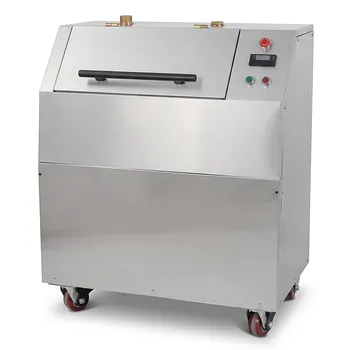
Vibratory Disc Mill for Rapid Fine Grinding and High Throughput Sample Preparation of Hard and Brittle Materials
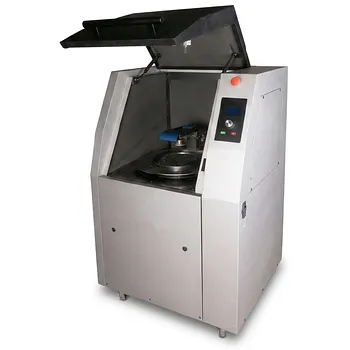
High Speed Vibratory Disc Mill for Spectral Analysis Sample Preparation and Rapid Powder Grinding
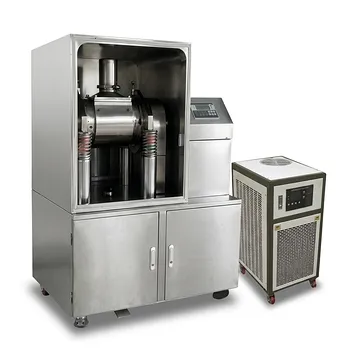
Small Vibrating Ultrafine Grinder for Traditional Chinese Medicine
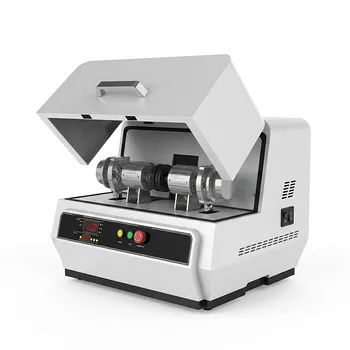
Dual Jar High Energy Vibratory Ball Mill
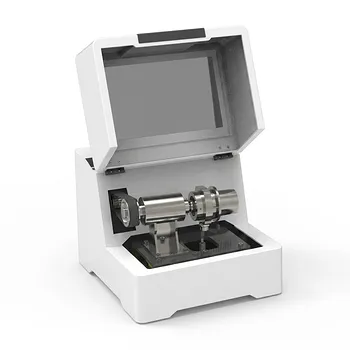
Single Tank High Energy Vibratory Ball Mill for Laboratory Grinding and Mixing
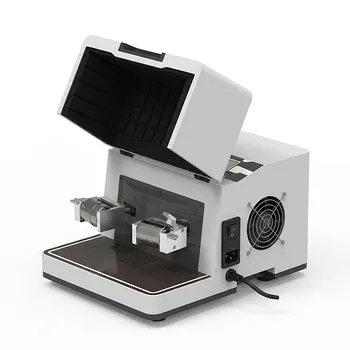
High Energy Hybrid Vibratory Ball Mill for Grinding Mixing and Cell Disruption
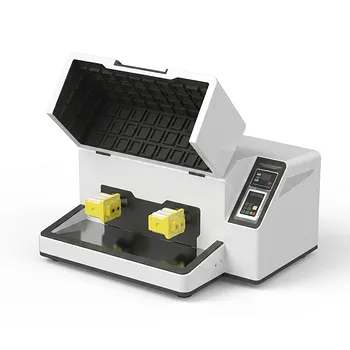
Multi-Platform Nanoscale High-Energy Vibratory Ball Mill
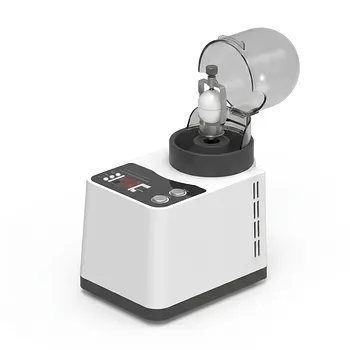
Laboratory Micro Vibration Grinding Mill for Trace Sample Preparation
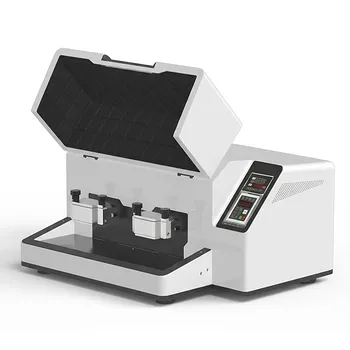
Nanoscale High-Energy Vibratory Ball Mill for Laboratory Sample Preparation, Mechanochemistry, and Mechanical Alloying
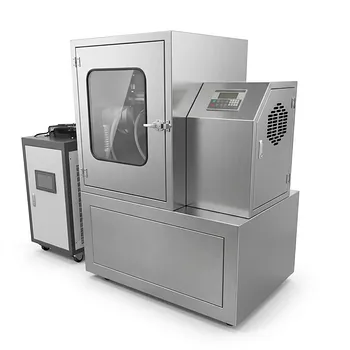
Vibratory Superfine Grinder for Ultra Fine Laboratory Powder Milling
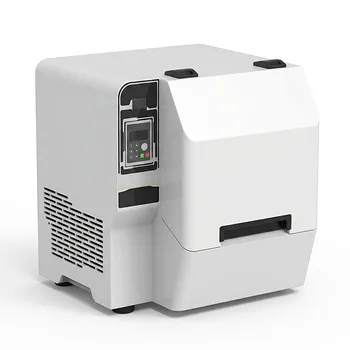
Nano High Energy Vibratory Ball Mill for Laboratory Sample Preparation
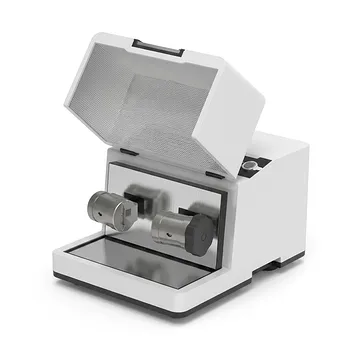
Heating Temperature Controlled High Energy Vibratory Ball Mill
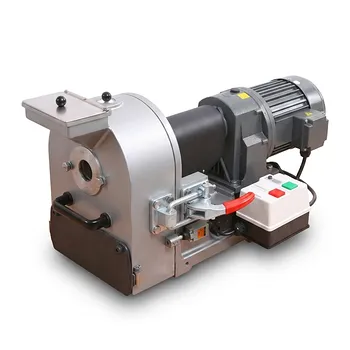
Laboratory Disc Mill for Fine Sample Preparation of Hard and Brittle Materials
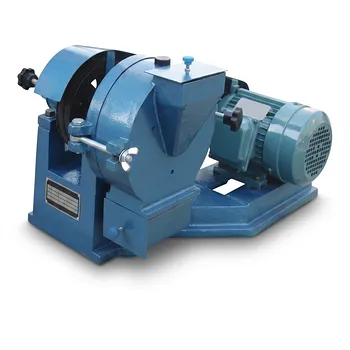
Laboratory Disc Mill for Ore and Mineral Sample Preparation
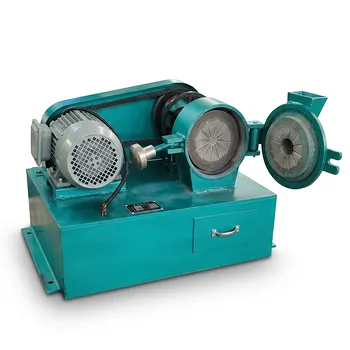
Laboratory Disc Mill Medium Hard Material Grinding Coal Coke Ore Pulverizer
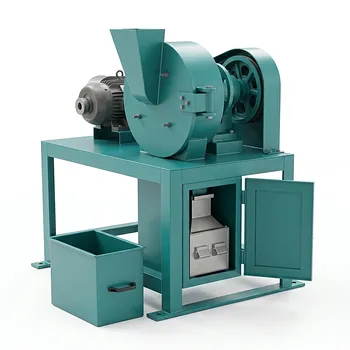
Sealed Disc Pulverizer Customized Model
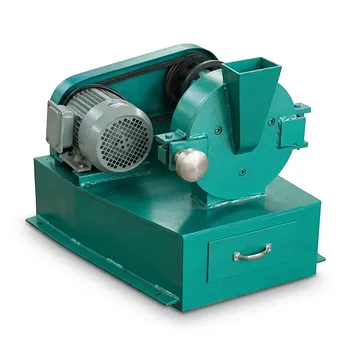
Medium Hardness Material Disc Pulverizer for Coal Ore Sample Preparation
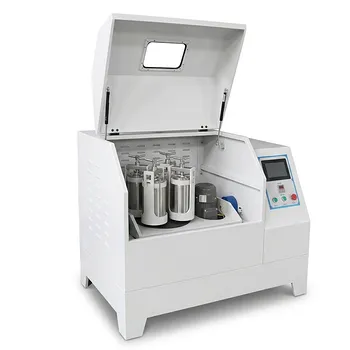
360° Rotating Omnidirectional Laboratory Planetary Ball Mill for Homogeneous Ultra-Fine Grinding and Mixing

High Energy Omnidirectional Planetary Ball Mill 16L