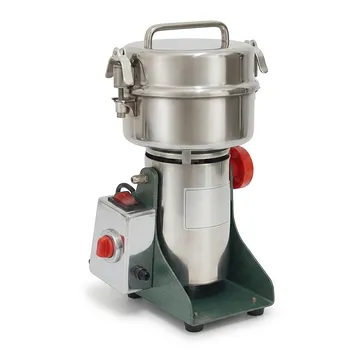
Why is a high-speed disc mill typically selected for the fine grinding of low-grade copper ore? Achieve Mineral Liberation
Updated 3 months ago
High-speed disc mills are the preferred choice for low-grade copper ore because they provide the intensive impact and friction necessary to achieve critical mineral liberation. These mills rapidly reduce ore fragments to precise sizes—often below 160 micrometers—dramatically increasing the specific surface area. This physical transformation is essential for separating valuable chalcopyrite from silicate gangue during the flotation process.
Core Takeaway: High-speed disc mills optimize the economic recovery of low-grade copper by maximizing mineral surface exposure. This ensures that subsequent chemical and physical separation processes can effectively target minute mineral particles buried within waste rock.
The Mechanics of Fine Particle Reduction
High-Velocity Impact and Friction
The primary mechanism of a high-speed disc mill involves high-velocity impact and intense friction between grinding discs. These forces work in tandem to shatter ore fragments along mineral boundaries rather than just crushing the bulk material.
Achieving Micron-Level Precision
These mills are capable of secondary ultra-fine grinding, reducing ore to a range typically between 50 and 200 µm. For specialized laboratory analysis or kinetic experiments, vibratory disc mills can further refine the material to less than 74 µm.
Uniform Material Consistency
By utilizing high-frequency vibration, the mill ensures a uniform material base. This consistency is vital for accurate mineral phase analysis and ensuring that chemical reagents react predictably across the entire sample.
Maximizing Recovery through Surface Area
Liberation of Chalcopyrite from Gangue
In low-grade copper ore, valuable minerals like chalcopyrite are often trapped within silicate gangue. Fine grinding "liberates" these particles, exposing them so they can be effectively recovered in downstream flotation cells.
Increasing Active Sites for Reaction
The massive increase in specific surface area provides more active sites for microbial adsorption and oxidation. This is a critical factor in bioleaching efficiency, where bacteria must physically contact the mineral surface to catalyze the extraction process.
Improving Separation Kinetics
A higher surface area allows for faster and more complete chemical reactions. In the context of magnetic or flotation separation, reaching a particle size of 32µm to 200µm is often a physical prerequisite for achieving high recovery rates and final concentrate grades.
Understanding the Trade-offs and Pitfalls
Energy Consumption vs. Particle Size
While finer grinding increases liberation, it also follows the law of diminishing returns regarding energy consumption. Achieving ultra-fine sizes requires significantly more power, which can impact the overall cost-effectiveness of processing low-grade ores.
The Risk of "Over-Grinding"
Producing particles that are too fine (often called slimes) can actually hinder recovery. These ultra-fine particles can coat larger minerals or fail to attach to air bubbles in flotation, leading to the loss of valuable copper in the tailings.
Mechanical Wear and Maintenance
The high-velocity nature of these mills leads to significant abrasive wear on the grinding discs. Constant monitoring and regular replacement of components are necessary to maintain the precise tolerances required for effective fine grinding.
Applying Grinding Strategies to Your Objective
How to Select the Right Parameters
Your target particle size should be dictated by the specific mineralogy of your ore and your intended extraction method.
- If your primary focus is Flotation Recovery: Aim for a particle size below 160 micrometers to ensure the full liberation of chalcopyrite from silicate waste.
- If your primary focus is Bioleaching Efficiency: Prioritize maximizing the specific surface area to provide ample active sites for microbial adsorption and oxidation reactions.
- If your primary focus is Chemical Analysis: Utilize vibratory disc mills to reach sizes below 74 micrometers, ensuring a homogeneous sample for consistent metallurgical testing.
Selecting the appropriate disc mill configuration ensures that even the lowest grade ores can be processed with maximum efficiency and technical precision.
Summary Table:
| Key Feature | Benefit for Copper Ore Processing | Target Particle Size |
|---|---|---|
| High-Velocity Impact | Efficiently liberates chalcopyrite from gangue | 50 µm – 200 µm |
| Surface Area Expansion | Increases active sites for bioleaching & flotation | < 160 µm |
| Vibratory Grinding | Provides uniform consistency for chemical analysis | < 74 µm |
| Controlled Precision | Minimizes over-grinding and loss of valuable minerals | Process Dependent |
Optimize Your Mineral Recovery with Expert Sample Prep Solutions
Achieving precise particle size is critical for the economic recovery of low-grade ores. We provide complete laboratory sample preparation solutions for material science, specializing in advanced powder processing and compaction equipment.
Whether you need to liberate minerals using our high-speed disc mills or prepare samples for metallurgical analysis, our extensive product line is designed to maximize your efficiency:
- Size Reduction: High-speed disc mills, planetary ball mills, jet mills, and jaw/roll crushers.
- Sample Preparation: Sieve shakers (vibratory/air-jet), powder mixers, and defoaming mixers.
- Compaction Excellence: Cold/Warm Isostatic Presses (CIP/WIP), standard lab presses, XRF pellet presses, and vacuum hot presses.
Ready to enhance your lab's precision and mineral yield? Contact our technical team today to find the perfect equipment configuration for your specific material challenges.
References
- Baisui Han, Atsushi Shibayama. Copper Recovery from Silicate-Containing Low-Grade Copper Ore Using Flotation Followed by High-Pressure Oxidative Leaching. DOI: 10.4144/rpsj.64.3
Mentioned Products
- High Speed Vibratory Disc Mill for Spectral Analysis Sample Preparation and Rapid Powder Grinding
- Vibratory Disc Mill for Rapid Fine Grinding and High Throughput Sample Preparation of Hard and Brittle Materials
- High Efficiency High Speed Grinder Laboratory Mill 1300W 25000rpm
- Industrial Rotor Beater Mill for High Speed Impact and Shear Grinding in Laboratory Sample Preparation
- High Speed Laboratory Grinder Efficient Stainless Steel Powder Pulverizer Universal Material Science Mill for Sample Preparation
People Also Ask
- Why is a vibratory disc mill utilized for the pretreatment of alum shale waste samples in phase analysis? Ensure XRD Accuracy
- What is the primary function of a vibrating disc mill in the pretreatment of raw clay samples? Achieve Micron-Level Precision
- How does the size of grinding media influence the vibratory milling efficiency? Achieve Optimal Pharmaceutical Fineness
- What is the role of a disk mill in the sample preparation of natural clinoptilolite? Enhance Reactivity & Precision
- What is the primary function of a vibration mill in processing beta-SiAlON after SHS? Powder Refinement Guide.

Tech Team · PowderPreparation
Last updated on Jun 03, 2026
Related Products
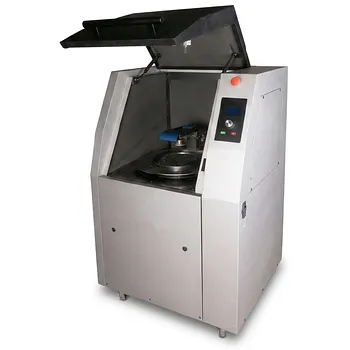
High Speed Vibratory Disc Mill for Spectral Analysis Sample Preparation and Rapid Powder Grinding
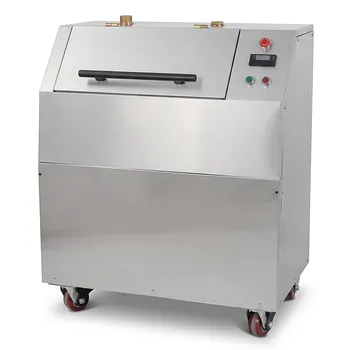
Vibratory Disc Mill for Rapid Fine Grinding and High Throughput Sample Preparation of Hard and Brittle Materials
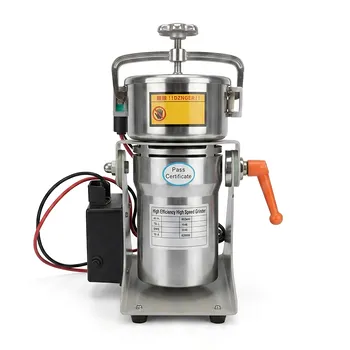
High Efficiency High Speed Grinder Laboratory Mill 1300W 25000rpm
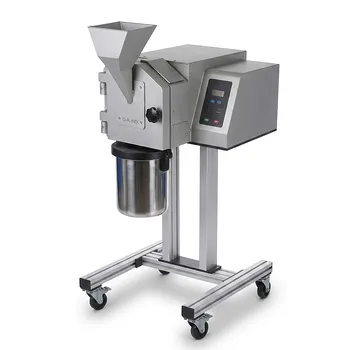
Industrial Rotor Beater Mill for High Speed Impact and Shear Grinding in Laboratory Sample Preparation
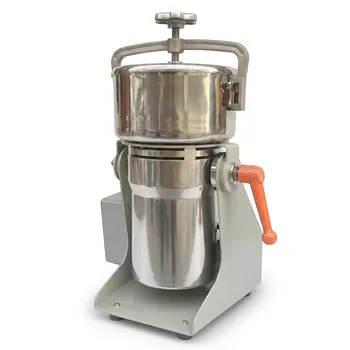
High Speed Laboratory Grinder Efficient Stainless Steel Powder Pulverizer Universal Material Science Mill for Sample Preparation
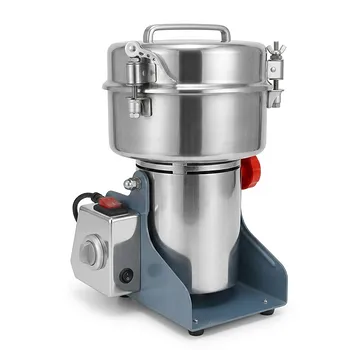
Small High-Speed Grinder for Efficient Laboratory Sample Preparation
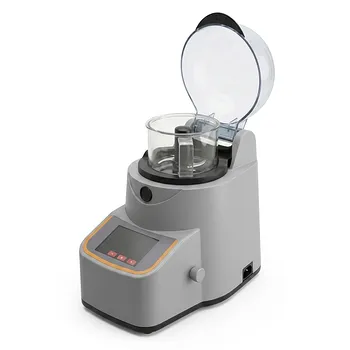
Industrial Knife Mill for Food and Biological Sample Preparation High Speed Laboratory Homogenizer
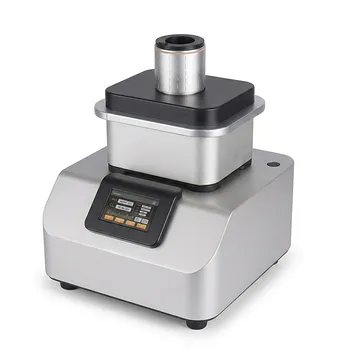
Ultra Centrifugal Mill High Speed Laboratory Grinder for Fibrous and Brittle Sample Preparation
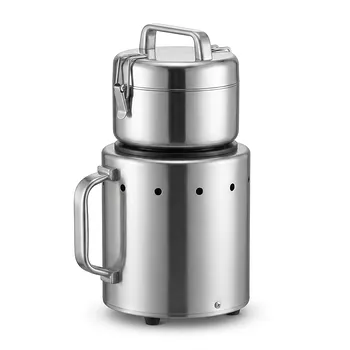
Small High Speed Grinder for Laboratory Sample Preparation
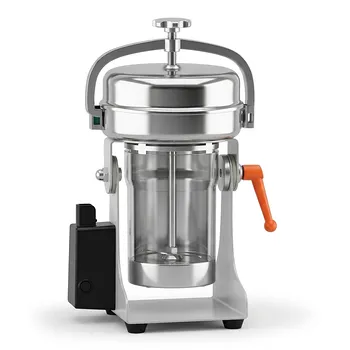
High Efficiency High Speed Grinder 2200W 25000 RPM Laboratory Sample Preparation
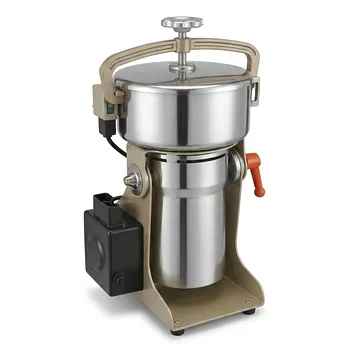
Multifunctional High Efficiency High Speed Laboratory Grinder
High Speed Laboratory Powder Grinder Small Batch Sample Preparation Mill
Small High Speed Upright Grinder for Laboratory Sample Preparation
High Speed Laboratory Knife Mill for Oily Fibrous and Wet Sample Homogenization
Small High-Speed Swing Grinder for Laboratory Sample Preparation
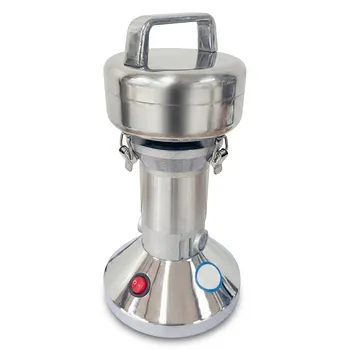
Small Trace Sample High Speed Pulverizer Grinder Laboratory Powder Mill
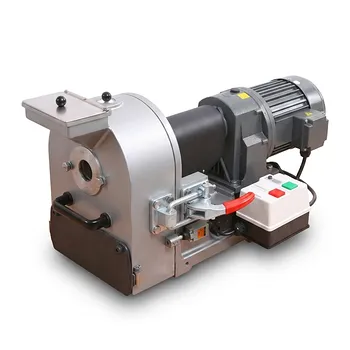
Laboratory Disc Mill for Fine Sample Preparation of Hard and Brittle Materials
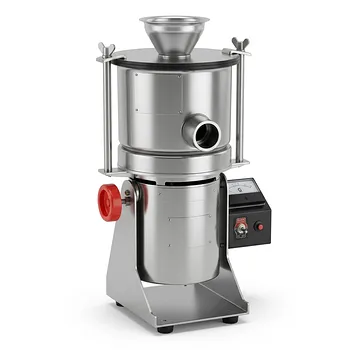
Laboratory Ultrafine Impact and Airflow Grinder for Precise Particle Size Control
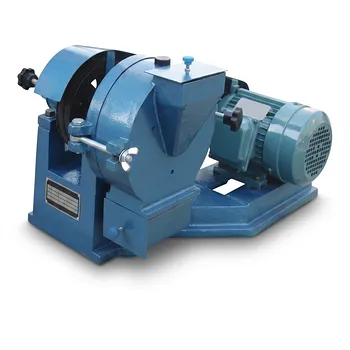
Laboratory Disc Mill for Ore and Mineral Sample Preparation