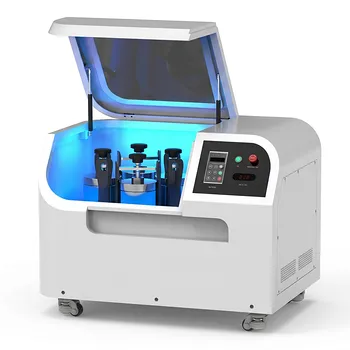
What is the purpose of adding alcohol as a PCA during titanium ball milling? Prevent Cold Welding & Enhance Refinement
Updated 4 months ago
Adding alcohol as a Process Control Agent (PCA) is essential to prevent the severe cold welding and adhesion inherent to ductile titanium powders during high-energy ball milling. Titanium is naturally sticky and prone to cold welding; without a PCA, the powder would simply clump together and fuse to the grinding media and jar walls rather than being refined into a fine powder.
Core Takeaway: Alcohol functions as a surface-active agent that balances the competing mechanisms of cold welding and fracturing, ensuring effective particle size reduction and a significantly higher powder yield.
The Mechanics of Surface Energy Modification
Adsorption and Film Formation
Alcohol molecules, such as ethanol, methanol, or isopropyl alcohol, adsorb onto the freshly created surfaces of the titanium particles during the milling process. This creates a thin, protective film that acts as a physical barrier between the particles and the grinding media.
Reduction of Surface Energy
By coating the particles, the alcohol effectively lowers the surface energy of the titanium. This reduction in energy decreases the "stickiness" of the powder, which is critical when dealing with highly reactive and ductile metals that would otherwise agglomerate instantaneously upon impact.
Balancing the Milling Cycle
Inhibiting Cold Welding
High-energy ball milling involves constant collisions that force particles to weld together (cold welding) or break apart (fracturing). In titanium, cold welding typically dominates, but the presence of alcohol inhibits excessive welding, preventing the formation of large, unmanageable clumps.
Promoting Particle Refinement
Because the PCA limits the size of welded clusters, the energy of the ball impacts can be more effectively directed toward fracturing the particles. This shift in balance is what allows the milling process to reach an ultra-fine or even nanocrystalline state that would be impossible in a dry, PCA-free environment.
Improving Powder Yield and Flowability
By preventing the titanium from sticking to the inner walls of the milling jars and the surfaces of the grinding balls, alcohol ensures that a much higher percentage of the starting material is recovered. The resulting powders also tend to have a more uniform particle size distribution and improved flow characteristics.
Understanding the Trade-offs and Risks
Potential for Chemical Contamination
While alcohols are effective PCAs, they introduce the risk of interstitial contamination. Elements like carbon, oxygen, and hydrogen from the alcohol can react with the highly sensitive titanium surface, potentially altering the final mechanical properties of the sintered part.
The Challenge of PCA Removal
Once the milling process is complete, the alcohol must be thoroughly removed, often through vacuum drying. Residual PCA can lead to porosity or unintended phases during subsequent heat treatments or sintering processes like Spark Plasma Sintering (SPS).
Safety and Volatility
High-energy milling generates significant heat. Using volatile organic compounds like ethanol requires careful monitoring of internal jar pressure and temperature to prevent over-pressurization or combustion upon opening the milling vessel.
How to Apply This to Your Project
When selecting or utilizing alcohol as a PCA for titanium milling, consider your primary objective for the final material:
- If your primary focus is maximum particle refinement: Use a high-purity ethanol or methanol to ensure a consistent coating that favors fracturing over welding.
- If your primary focus is chemical purity: Minimize the volume of PCA used and consider shorter milling times to reduce the window for carbon or oxygen pickup.
- If your primary focus is high powder recovery/yield: Ensure the alcohol volume is sufficient to completely "wet" the powder surfaces and prevent any visible adhesion to the milling media.
- If your primary focus is downstream sintering (e.g., SPS): Implement a rigorous vacuum degassing step after milling to ensure all organic residues are removed before the material is densified.
Properly calibrated alcohol addition transforms high-energy ball milling from a process of simple adhesion into a precise tool for advanced metallurgical refinement.
Summary Table:
| Feature | Impact on Titanium Ball Milling |
|---|---|
| Primary Function | Acts as a Process Control Agent (PCA) to prevent cold welding |
| Mechanism | Adsorbs onto surfaces to lower surface energy and "stickiness" |
| Key Benefit | Balances welding vs. fracturing to achieve finer particle sizes |
| Yield Improvement | Prevents powder from adhering to jar walls and grinding media |
| Common Agents | Ethanol, Methanol, and Isopropyl Alcohol (IPA) |
| Potential Risk | Interstitial contamination (Carbon, Oxygen, Hydrogen) |
Master Your Material Preparation with Expert Solutions
Achieving the perfect particle size for reactive metals like titanium requires the right balance of chemistry and high-performance equipment. At our core, we provide complete laboratory sample preparation solutions for material science, specializing in advanced powder processing and compaction technology.
From refining powders to final densification, we support your research with:
- Advanced Milling: Planetary ball mills, jet mills, and cryogenic grinders designed for high-energy refinement.
- Powder Management: Vibratory sieve shakers and specialized mixers for uniform distribution.
- Precision Compaction: A full spectrum of hydraulic presses, including Cold/Warm Isostatic Presses (CIP/WIP), vacuum hot presses, and XRF pellet presses.
Our equipment is engineered to help you maximize powder yield while maintaining the highest chemical purity. Contact our technical team today to discuss your specific application and find the ideal equipment for your laboratory.
References
- Tamás Mikó, Zoltán Gácsi. A Novel Process to Produce Ti Parts from Powder Metallurgy with Advanced Properties for Aeronautical Applications. DOI: 10.3390/aerospace10040332
Mentioned Products
- High Energy Planetary Ball Mill for Nano Scale Grinding and Mechanical Alloying
- Ultra-Low Temperature Cryogenic High-Energy Vibratory Ball Mill
- High Energy Hybrid Vibratory Ball Mill for Grinding Mixing and Cell Disruption
- High Energy Omnidirectional Planetary Ball Mill 16L
- Multi-Platform Nanoscale High-Energy Vibratory Ball Mill
People Also Ask
- Why is a high-energy planetary ball mill used for nano-milling As4Se3? Achieve Expert Structural Transformation
- What role do high-energy planetary ball mills play in FDM composite filament preparation? Optimize Material Performance
- What is the role of a high-energy planetary ball mill in the exfoliation of modified WSe2? Achieve Nano-Precision
- What is the function of a planetary ball mill in glass-ceramic sintering? Optimize Reactivity and Uniformity
- What is the role of a high-energy planetary ball mill in the preparation of high-performance nano-ceramics? Key Guide

Tech Team · PowderPreparation
Last updated on Jun 03, 2026
Related Products

High Energy Planetary Ball Mill for Nano Scale Grinding and Mechanical Alloying
Ultra-Low Temperature Cryogenic High-Energy Vibratory Ball Mill
High Energy Hybrid Vibratory Ball Mill for Grinding Mixing and Cell Disruption
High Energy Omnidirectional Planetary Ball Mill 16L
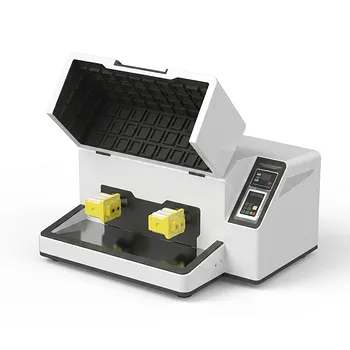
Multi-Platform Nanoscale High-Energy Vibratory Ball Mill
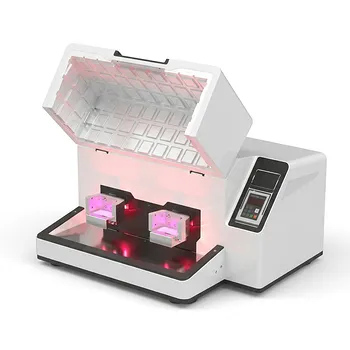
Nano High Energy Vibratory Ball Mill with Heating and Temperature Control
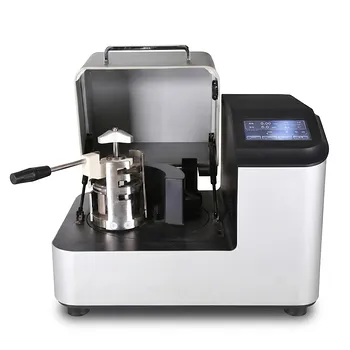
High Energy Laboratory Planetary Ball Mill for Nano Grinding and Material Science Sample Preparation
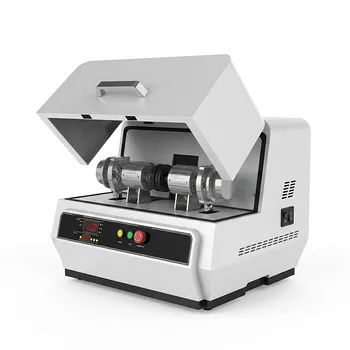
Dual Jar High Energy Vibratory Ball Mill
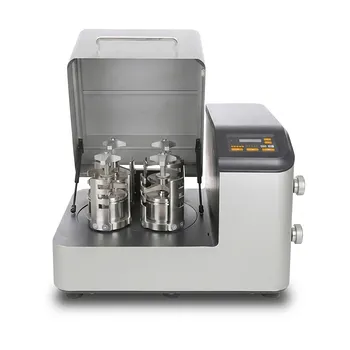
High Energy Planetary Ball Mill for Nano Scale Grinding and Colloidal Mixing in Material Science Research
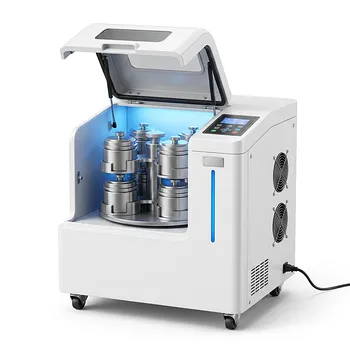
High Energy Omnidirectional Planetary Ball Mill 20L
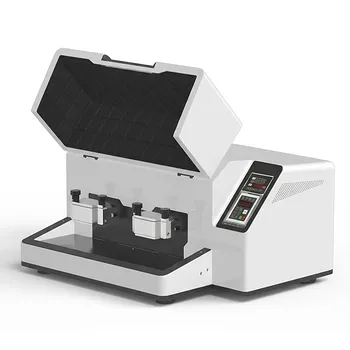
Nanoscale High-Energy Vibratory Ball Mill for Laboratory Sample Preparation, Mechanochemistry, and Mechanical Alloying
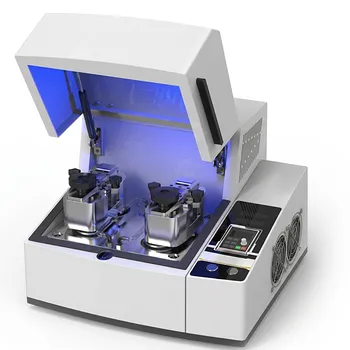
Laboratory Nano High Energy Ball Mill Ultrafine Grinding Mechanical Alloying
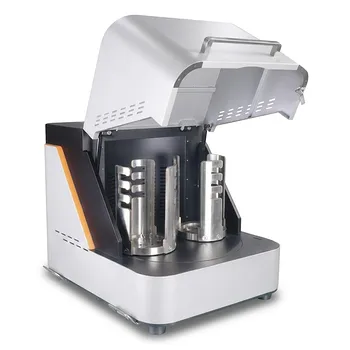
High Energy Laboratory Planetary Ball Mill for Nano Grinding and Colloidal Mixing of Hard and Brittle Materials
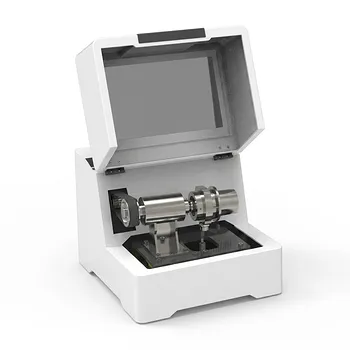
Single Tank High Energy Vibratory Ball Mill for Laboratory Grinding and Mixing
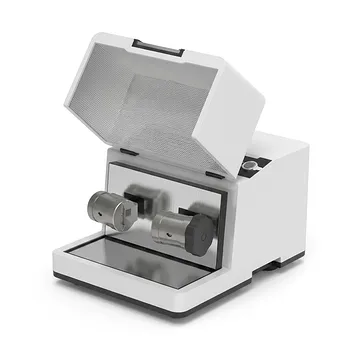
Heating Temperature Controlled High Energy Vibratory Ball Mill
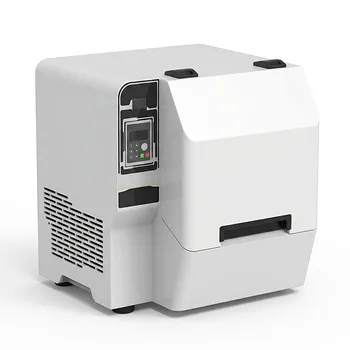
Nano High Energy Vibratory Ball Mill for Laboratory Sample Preparation
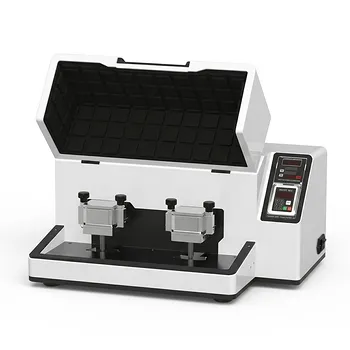
Nanoscale High Energy Vibratory Ball Mill Low Temperature
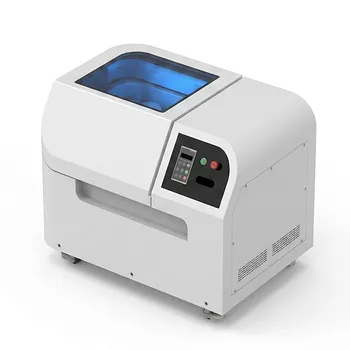
8L Planetary Ball Mill for Laboratory Grinding and Sample Preparation
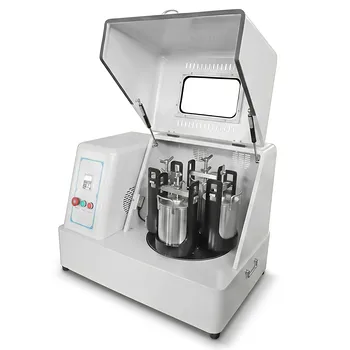
Vertical Square Planetary Ball Mill for Laboratory Sample Preparation and Nanoscale Grinding