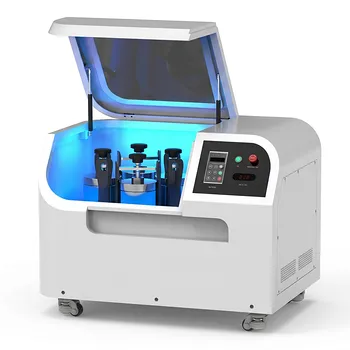
What is the importance of using a high-purity argon atmosphere during the high-energy ball milling of ceramic particles?
Updated 3 months ago
The use of high-purity argon is critical for maintaining chemical stability. During high-energy ball milling, ceramic and metallic particles are reduced to nanometer sizes, exponentially increasing their specific surface area and chemical reactivity. An argon atmosphere displaces oxygen and moisture, preventing oxidative degradation and ensuring the final powder retains its intended phase composition and purity.
A high-purity argon atmosphere serves as a definitive barrier against oxidation during the mechanical reduction of particles. By providing an inert environment, it ensures that the intense thermal and mechanical energy of the milling process alters only the physical structure of the material rather than its chemical identity.
The Driver of Atmospheric Protection
The Impact of Surface Area Expansion
As ceramic particles like ZrB2 reach the nanoscale, the ratio of surface atoms to bulk atoms increases significantly. These "fresh" surfaces are highly unstable and will bond instantly with oxygen or moisture if an inert buffer like argon is not present.
Thermal Activation During Impact
High-energy collisions between the milling media and the powder generate localized frictional heat. This thermal energy lowers the activation barrier for oxidation, making even relatively stable ceramics susceptible to chemical change during long milling cycles.
Isolation from Moisture
Beyond oxygen, high-purity argon isolates the powder from ambient moisture. For many advanced ceramics and metal precursors, water vapor can trigger hydration reactions or hydroxide formation, which are difficult to reverse during later processing stages.
Ensuring Phase and Chemical Purity
Preservation of Stoichiometry
For complex ceramics and ternary sulfides, maintaining the exact ratio of elements is vital for performance. Argon prevents oxygen from infiltrating the crystal lattice, which would otherwise shift the chemical balance and degrade the material's inherent properties.
Preventing Oxide Contamination
Without argon, the formation of undesirable oxides (such as MnO or SnO) can occur on the particle surfaces. These oxide layers act as impurities that can compromise the magnetic, mechanical, or catalytic performance of the final sintered product.
Protecting Microstructural Integrity
In systems like Ti(C,N)-based cermets, the chemical purity of the starting powder directly dictates the microstructural evolution during sintering. An inert atmosphere ensures that no unintended phases form, allowing for the precise control of grain growth and toughening mechanisms.
Critical Considerations and Trade-offs
The Challenge of Seal Integrity
Maintaining a high-purity environment requires specialized milling jars capable of maintaining a hermetic seal. Any leak during a multi-hour milling cycle can introduce trace oxygen, potentially nullifying the benefits of the initial argon charge.
Potential for Gas Entrapment
In some extreme high-energy processes, argon atoms can become physically trapped within the heavily deformed lattice of the powder. While the gas is chemically inert, these trapped atoms can occasionally influence the densification behavior or porosity of the material during subsequent sintering.
Cost and Complexity
Implementing a high-purity argon environment increases the complexity of the milling setup, often requiring glove box integration for loading and unloading. This adds to the operational cost and processing time compared to milling in air or less expensive gases like nitrogen.
Optimizing the Milling Environment
When preparing for high-energy ball milling, your choice of atmospheric control should align with your specific material requirements and end-use goals.
- If your primary focus is maximum chemical purity: Utilize 99.999% high-purity argon and perform all powder handling within a vacuum-purged glove box to eliminate air exposure.
- If your primary focus is maintaining magnetic or catalytic properties: Ensure the milling jar is pre-evacuated before filling with argon to remove any residual oxygen trapped in the powder interstices.
- If your primary focus is cost-efficiency: Invest in high-quality, reusable seals for your milling jars to minimize gas loss and prevent the need for mid-cycle purging.
Establishing a controlled argon atmosphere is the most effective way to decouple mechanical grain refinement from unwanted chemical transformation.
Summary Table:
| Key Factor | Role of High-Purity Argon | Risk of Air Exposure |
|---|---|---|
| Oxidation Control | Displaces oxygen to maintain phase purity | Formation of unwanted oxides (e.g., MnO, SnO) |
| Surface Stability | Protects highly reactive nanoscale surfaces | Spontaneous reaction with moisture and O2 |
| Chemical Identity | Preserves exact stoichiometry of ceramics | Altered crystal lattice and degraded properties |
| Thermal Protection | Prevents heat-triggered chemical changes | Frictional heat accelerates oxidative degradation |
| Microstructure | Ensures clean sintering without impurities | Poor grain growth control and brittle phases |
Elevate Your Material Research with Precision Powder Solutions
Maintaining a controlled atmosphere is only half the battle; having the right equipment is the other. At [Brand Name], we provide complete laboratory sample preparation solutions for material science, specializing in high-performance powder processing and compaction.
Whether you are performing high-energy mechanical alloying or advanced ceramic synthesis, our extensive product line supports your entire workflow:
- Advanced Milling: High-energy planetary ball mills, jet mills, and disc mills compatible with hermetically sealed jars for inert gas processing.
- Sample Preparation: Specialized crushers, liquid nitrogen cryogenic grinders, and sieve shakers.
- High-Pressure Compaction: A full spectrum of hydraulic presses, including Cold/Warm Isostatic Presses (CIP/WIP), vacuum hot presses, and XRF pellet presses.
Don't let contamination compromise your results. Contact our technical team today to find the perfect equipment configuration for your high-purity material requirements!
References
- hossien salehi vaziri, Seyyed Salman Seyyed Afghahi. Influence of ZrB2/SiC Hybrid Particles on Microstructure and Creep Resistance of AZ31Magnesium Alloy Matrix Composite. DOI: 10.5829/ije.2026.39.02b.01
Mentioned Products
- High Energy Planetary Ball Mill for Nano Scale Grinding and Mechanical Alloying
- Ultra-Low Temperature Cryogenic High-Energy Vibratory Ball Mill
- High Energy Hybrid Vibratory Ball Mill for Grinding Mixing and Cell Disruption
- High Energy Omnidirectional Planetary Ball Mill 16L
- Multi-Platform Nanoscale High-Energy Vibratory Ball Mill
People Also Ask
- Why is a high-energy planetary ball mill used for nano-milling As4Se3? Achieve Expert Structural Transformation
- What role do high-energy planetary ball mills play in FDM composite filament preparation? Optimize Material Performance
- What is the role of a high-energy planetary ball mill in the exfoliation of modified WSe2? Achieve Nano-Precision
- What is the function of a planetary ball mill in glass-ceramic sintering? Optimize Reactivity and Uniformity
- What is the role of a high-energy planetary ball mill in the preparation of high-performance nano-ceramics? Key Guide

Tech Team · PowderPreparation
Last updated on Jun 03, 2026
Related Products

High Energy Planetary Ball Mill for Nano Scale Grinding and Mechanical Alloying

Ultra-Low Temperature Cryogenic High-Energy Vibratory Ball Mill

High Energy Hybrid Vibratory Ball Mill for Grinding Mixing and Cell Disruption

High Energy Omnidirectional Planetary Ball Mill 16L

Multi-Platform Nanoscale High-Energy Vibratory Ball Mill

High Energy Laboratory Planetary Ball Mill for Nano Grinding and Material Science Sample Preparation

Nano High Energy Vibratory Ball Mill with Heating and Temperature Control
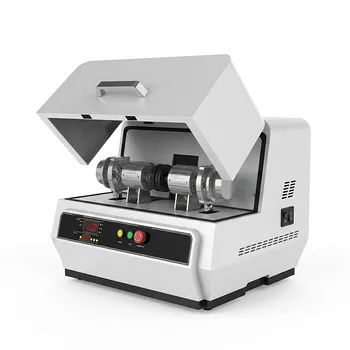
Dual Jar High Energy Vibratory Ball Mill
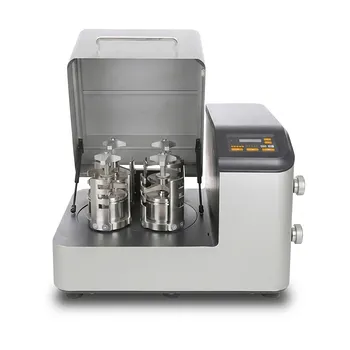
High Energy Planetary Ball Mill for Nano Scale Grinding and Colloidal Mixing in Material Science Research
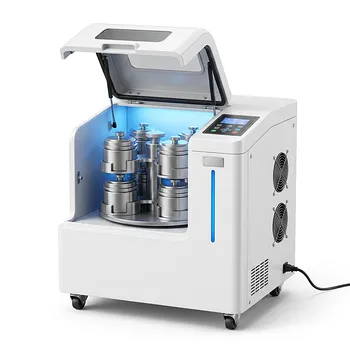
High Energy Omnidirectional Planetary Ball Mill 20L
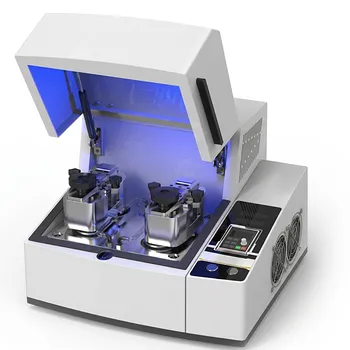
Laboratory Nano High Energy Ball Mill Ultrafine Grinding Mechanical Alloying

Nanoscale High-Energy Vibratory Ball Mill for Laboratory Sample Preparation, Mechanochemistry, and Mechanical Alloying
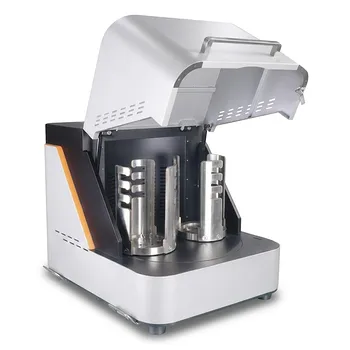
High Energy Laboratory Planetary Ball Mill for Nano Grinding and Colloidal Mixing of Hard and Brittle Materials
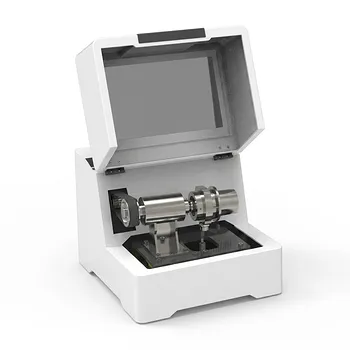
Single Tank High Energy Vibratory Ball Mill for Laboratory Grinding and Mixing

Heating Temperature Controlled High Energy Vibratory Ball Mill

Nano High Energy Vibratory Ball Mill for Laboratory Sample Preparation
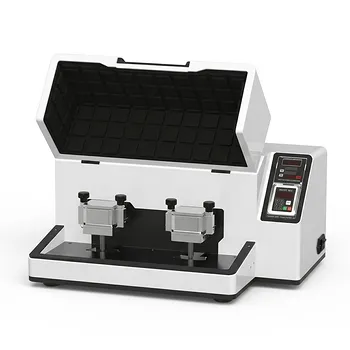
Nanoscale High Energy Vibratory Ball Mill Low Temperature

8L Planetary Ball Mill for Laboratory Grinding and Sample Preparation
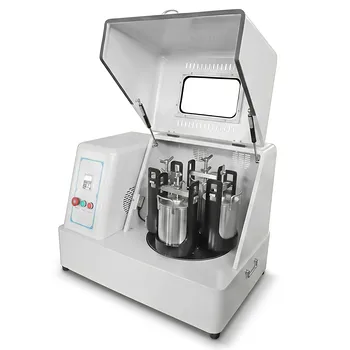
Vertical Square Planetary Ball Mill for Laboratory Sample Preparation and Nanoscale Grinding