What is the function of a high-energy vibratory ball mill in Cu-Ta alloys? Achieve Precision Mechanical Alloying
Updated 4 months ago
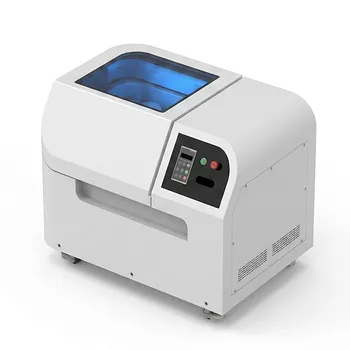
The high-energy vibratory ball mill serves as the primary engine for mechanical alloying in the Cu-Ta system. It utilizes high-frequency vibrations to drive grinding media, generating intense impact and shear forces that repeatedly cold-weld and fracture the constituent powders. This mechanical energy forces tantalum atoms into the copper lattice, overcoming their natural immiscibility to create a nanocrystalline, supersaturated solid solution that is impossible to achieve through conventional melting.
The vibratory ball mill acts as a non-equilibrium processing tool, injecting massive mechanical work into the powder system to bypass thermodynamic solubility limits. It simultaneously refines grain size to the nanoscale and increases defect density, providing the high-energy state required for superior material properties.
Mechanics of Atomic Integration
The Cu-Ta system is characterized by a lack of natural solubility between the two elements. The high-energy vibratory ball mill provides the physical "force" necessary to merge these materials at the atomic level.
Forced Supersaturated Solid Solutions
By applying high-frequency, heavy-duty impacts, the mill drives tantalum atoms into the copper lattice. This creates a supersaturated solid solution, a state where the concentration of tantalum in the copper matrix far exceeds what is allowed by standard thermodynamic equilibrium.
Cold Welding and Fracturing Cycles
The process relies on a continuous loop of plastic deformation, cold welding, and fracturing. These cycles ensure that the copper and tantalum particles are intimately mixed and flattened, increasing the surface area for atomic diffusion until a macro-uniformly distributed state is achieved.
Overcoming Thermodynamic Limits
Unlike traditional casting, which is limited by phase diagrams, mechanical alloying is a non-equilibrium processing method. The mill delivers the energy required to sustain a single-phase structure in a system that would otherwise separate into distinct layers of copper and tantalum.
Refining Grain Size to the Nanoscale
Achieving a nanocrystalline structure is the secondary but equally vital function of the high-energy mill. The intense mechanical work fundamentally alters the microstructure of the alloy.
Severe Plastic Deformation
The grinding media deliver intense impact and shear forces that induce severe plastic deformation in the metal powders. This deformation creates a high density of dislocations and lattice distortions, which eventually organize into new, much smaller grain boundaries.
Grain Refinement Mechanisms
As milling progresses, the original micrometer-sized grains are continuously broken down. The high-frequency impacts refine the material until the grain size reaches the nanoscale (often below 50 nm), significantly increasing the total volume of grain boundaries in the powder.
Creating High-Activity Precursors
The resulting nanocrystalline powder possesses a high level of internal defect energy. This high-activity state is critical for subsequent processes, such as sintering, as it allows for material densification at lower temperatures while maintaining the ultra-fine grain structure.
Understanding the Trade-offs
While highly effective, the use of high-energy vibratory ball mills involves specific technical challenges that must be managed to ensure material quality.
Media Contamination
The high-frequency impacts that refine the powder also cause wear on the grinding jars and balls. This can introduce impurities from tungsten carbide or stainless steel into the Cu-Ta alloy, potentially altering its final mechanical or chemical properties.
Thermal Management Issues
The conversion of mechanical work into heat can lead to significant temperature increases within the grinding chamber. If not controlled, this heat can trigger unwanted recovery or grain growth, undoing the nanocrystalline structure the mill was intended to create.
Processing Time vs. Stability
Extending milling time generally increases solubility and refines grains further, but it also increases the risk of contamination. Finding the "saturation point"—where the alloy is fully formed but contamination is minimized—is a critical optimization step.
How to Apply This to Your Project
The selection and operation of a high-energy vibratory ball mill should be dictated by the specific requirements of your final Cu-Ta application.
- If your primary focus is Maximum Hardness: Prioritize longer milling times to maximize grain refinement and lattice distortion, as a smaller grain size (nanoscale) directly correlates to higher material strength.
- If your primary focus is Chemical Purity: Use grinding media made of the same material as your powder or high-wear-resistant tungsten carbide, and employ shorter, high-intensity milling bursts to reduce contamination.
- If your primary focus is Thermal Stability: Focus on achieving a high degree of tantalum segregation at the copper grain boundaries during the milling process, as this structure serves as the foundation for thermodynamic stability at high temperatures.
The high-energy vibratory ball mill is the essential catalyst that transforms immiscible elemental powders into a unified, high-performance nanocrystalline alloy.
Summary Table:
| Function | Key Mechanism | Material Outcome |
|---|---|---|
| Mechanical Alloying | High-frequency impact & shear | Forced supersaturated solid solution |
| Grain Refinement | Severe plastic deformation (SPD) | Nanocrystalline structure (often <50 nm) |
| Phase Integration | Cold-welding & fracturing cycles | Atomic-level merging of immiscible metals |
| Activity Enhancement | Lattice distortion & defect density | High-energy precursors for easier sintering |
Elevate Your Material Research with Precision Powder Processing Solutions
At the intersection of material science and engineering, the right equipment is the difference between experimental success and thermodynamic limitations. We provide complete laboratory sample preparation solutions, specializing in high-performance powder processing and compaction equipment tailored for advanced research.
How we empower your lab:
- Advanced Milling: From high-energy vibratory and planetary ball mills to jet and cryogenic grinders, we offer the energy density needed for superior grain refinement.
- Precision Compaction: Our full spectrum of hydraulic presses—including Cold/Warm Isostatic Presses (CIP/WIP), vacuum hot presses, and XRF pellet presses—ensures optimal material density.
- Material Handling: Ensure purity and uniformity with our professional sieve shakers, powder mixers, and defoaming mixers.
Whether you are developing nanocrystalline Cu-Ta alloys or exploring new ceramics, our tools deliver the reliability and control your project demands. Contact our technical specialists today to discuss your specific application and find the ideal equipment configuration for your workflow.
References
- B.C. Hornbuckle, K. Darling. Direct observation of deformation and resistance to damage accumulation during shock loading of stabilized nanocrystalline Cu-Ta alloys. DOI: 10.1038/s41467-024-53142-3
Mentioned Products
- High Energy Hybrid Vibratory Ball Mill for Grinding Mixing and Cell Disruption
- Ultra-Low Temperature Cryogenic High-Energy Vibratory Ball Mill
- Nano High Energy Vibratory Ball Mill with Heating and Temperature Control
- Nanoscale High-Energy Vibratory Ball Mill for Laboratory Sample Preparation, Mechanochemistry, and Mechanical Alloying
- Multi-Platform Nanoscale High-Energy Vibratory Ball Mill
People Also Ask
- How does a high-energy vibratory ball mill improve the performance of MgH2? Optimize Hydrogen Storage Kinetics
- What is the importance of using a high-purity argon atmosphere during the high-energy ball milling of ceramic particles?
- What is the role of high-energy ball milling in antibacterial ceramic powders? Boost Reactivity & Homogeneity
- What is the function of high-energy ball milling in ZnO membrane slurry prep? Optimize Homogenization & Dispersion
- What is the Role of HEBM in High-Entropy H-SOFC Cathode Prep? Achieving Atomic-Level Homogenization

Tech Team · PowderPreparation
Last updated on Jun 03, 2026
Related Products
High Energy Hybrid Vibratory Ball Mill for Grinding Mixing and Cell Disruption
Ultra-Low Temperature Cryogenic High-Energy Vibratory Ball Mill
Nano High Energy Vibratory Ball Mill with Heating and Temperature Control
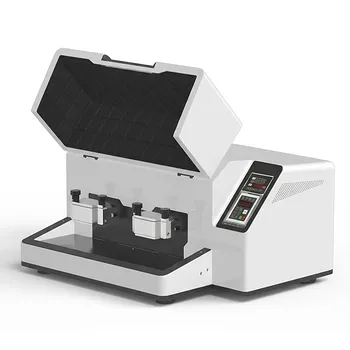
Nanoscale High-Energy Vibratory Ball Mill for Laboratory Sample Preparation, Mechanochemistry, and Mechanical Alloying
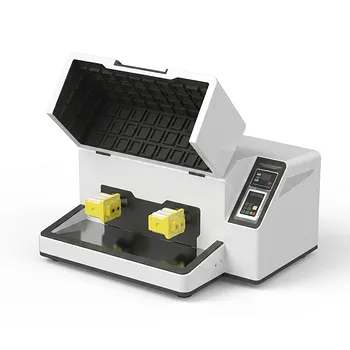
Multi-Platform Nanoscale High-Energy Vibratory Ball Mill
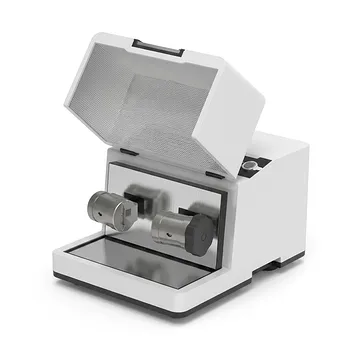
Heating Temperature Controlled High Energy Vibratory Ball Mill
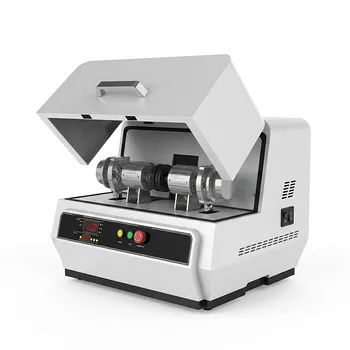
Dual Jar High Energy Vibratory Ball Mill
Single Tank High Energy Vibratory Ball Mill for Laboratory Grinding and Mixing
Nano High Energy Vibratory Ball Mill for Laboratory Sample Preparation
Nanoscale High Energy Vibratory Ball Mill Low Temperature
High Energy Planetary Ball Mill for Nano Scale Grinding and Mechanical Alloying
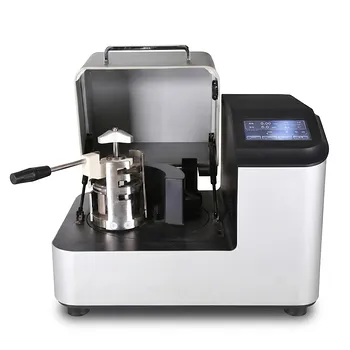
High Energy Laboratory Planetary Ball Mill for Nano Grinding and Material Science Sample Preparation
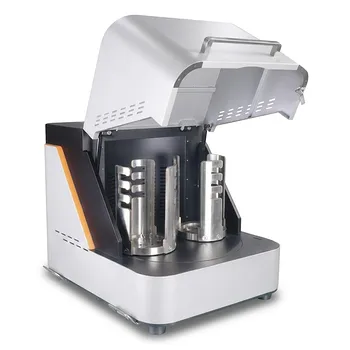
High Energy Laboratory Planetary Ball Mill for Nano Grinding and Colloidal Mixing of Hard and Brittle Materials
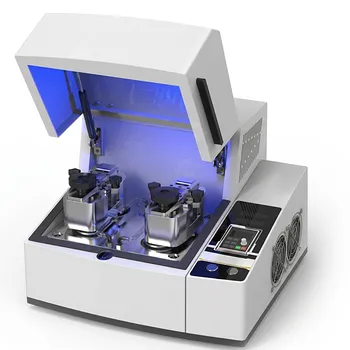
Laboratory Nano High Energy Ball Mill Ultrafine Grinding Mechanical Alloying
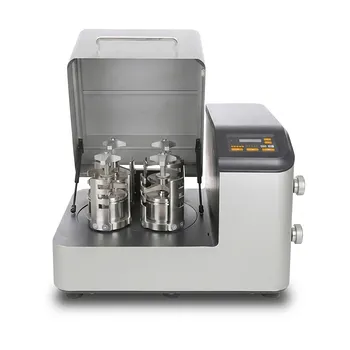
High Energy Planetary Ball Mill for Nano Scale Grinding and Colloidal Mixing in Material Science Research

High Energy Omnidirectional Planetary Ball Mill 16L
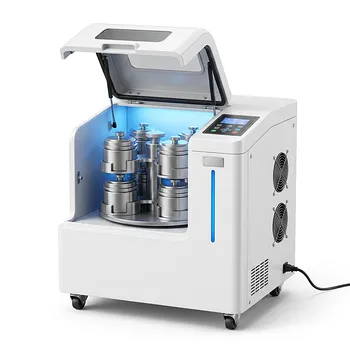
High Energy Omnidirectional Planetary Ball Mill 20L

Vertical Square Planetary Ball Mill for Laboratory Sample Preparation and Nanoscale Grinding
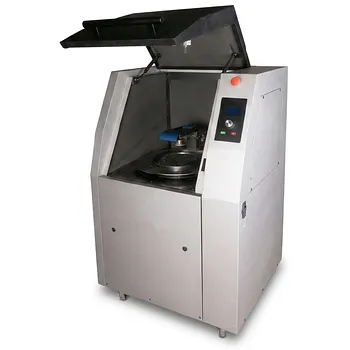
High Speed Vibratory Disc Mill for Spectral Analysis Sample Preparation and Rapid Powder Grinding