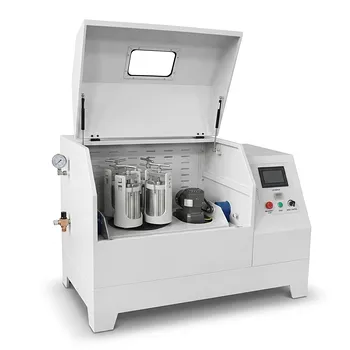
What are the advantages of high-energy vibratory ball milling for nano iron powder? Achieve Nanoscale Precision Faster
Updated 4 months ago
High-energy vibratory ball milling represents a paradigm shift in powder metallurgy. It utilizes high-frequency mechanical impacts to reduce iron sand from micron to nanometer scales with far greater efficiency than conventional grinding. By bypassing the physical limitations of standard rotary mills, it achieves intense plastic deformation and grain refinement in a fraction of the time.
High-energy vibratory ball milling accelerates the production of nano iron powder by leveraging high-frequency collisions that exceed the force of gravity. This process provides the intense energy density required to overcome particle ductility and "self-repairing" effects, ensuring superior grain refinement and higher chemical activity.
Superior Mechanical Energy Transfer
Overcoming the "Critical Speed" Barrier
Conventional ball mills are limited by a critical speed, beyond which centrifugal force pins the grinding media to the walls. Vibratory mills use high-frequency vibration to drive media, allowing for much higher energy intensities without being restricted by rotational velocity.
Acceleration Beyond Gravity
Vibratory mills generate grinding media acceleration that is significantly higher than the acceleration of gravity. This results in high-frequency impact, attrition, and cleavage forces that are far more effective at fracturing tough materials than the simple tumbling action of traditional mills.
Pulse-Like Energy Input
The use of torsion bar springs creates high-frequency impulsive forces. These "pulses" produce localized pressures and instantaneous temperatures at contact points that are much higher than those achieved in conventional systems.
Drastic Reductions in Processing Time
From Days to Hours
Where traditional low-speed grinding may require dozens of hours to reach nano-scale dimensions, high-energy vibratory mills can achieve the same results in just a few hours. This represents a massive increase in production throughput.
High-Frequency Impact Cycles
The intensity of the collision, shear, and frictional forces significantly shortens the synthesis cycle. This efficiency is driven by the rapid repetition of mechanical impacts, ensuring every particle is processed more frequently per minute.
Enhanced Material Properties
Achieving Nanoscale Refinement
The intense energy density is capable of refining grain sizes from the micrometer level down to specific targets like 26 nm to 50 nm. This top-down approach is highly effective for reducing iron sand to sub-micron or nanometer scales.
Increased Defect Density and Activity
High-energy milling subjects iron powder to intense plastic deformation, fracturing, and cold welding. This increases the defect density within the powder, which foundations its foundation for ultra-high-strength nanostructured materials.
Activation of Inert Substances
The process can alter chemical properties by destroying atomic bonds, such as Si-O and Al-O bonds in iron tailings. This transforms originally inert minerals into active substances capable of reacting in subsequent chemical or industrial processes.
Understanding the Trade-offs
Thermal Management Challenges
The high-frequency impacts generate significant localized heat. While this can initiate beneficial chemical reactions, it requires careful monitoring to prevent unwanted phase changes or excessive oxidation of the iron powder.
Media Wear and Contamination
Because the energy density is so high, the grinding media and jar liners experience more aggressive wear. This can lead to the introduction of impurities into the nano iron powder if the media material is not carefully selected to match the desired purity levels.
Energy Density vs. Equipment Stress
The mechanical stress on the mill itself—specifically the springs and drive elements—is much higher than in conventional mills. This necessitates more robust equipment design and potentially higher maintenance frequencies for the vibrating components.
How to Apply This to Your Project
Recommendations for Implementation
Selecting the right milling approach depends heavily on your specific material requirements and production scale.
- If your primary focus is maximum throughput and efficiency: Prioritize high-energy vibratory mills with speeds up to 800 rpm to reduce processing times from days to hours.
- If your primary focus is chemical reactivity or synthesis: Utilize the pulse-like energy of vibratory milling to induce localized chemical reactions and increase defect density for superior powder activity.
- If your primary focus is nanostructuring high-ductility materials: Use high-energy impact and shearing forces to overcome plastic deformation and promote particle fracturing that conventional mills cannot achieve.
By leveraging high-frequency impacts and superior energy density, technical professionals can produce high-quality nano iron powder with precision and speed unattainable by traditional grinding methods.
Summary Table:
| Feature | Conventional Grinding | High-Energy Vibratory Milling |
|---|---|---|
| Energy Intensity | Limited by gravity/critical speed | Exceeds gravity via high-frequency vibration |
| Processing Time | Days (Dozens of hours) | Hours (Significant throughput boost) |
| Particle Size | Typically Micron-scale | Nanoscale (26 nm – 50 nm) |
| Chemical Activity | Low surface energy | High defect density & chemical activation |
| Material Stress | Low impact/tumbling | Intense plastic deformation & fracturing |
Accelerate Your Nanomaterial Research with Expert Solutions
Precision in powder metallurgy starts with the right equipment. At our core, we provide complete laboratory sample preparation solutions for material science, specializing in high-performance powder processing and compaction equipment.
Whether you are refining nano iron powder or developing advanced ceramics, our extensive product line is designed to meet the most rigorous research demands:
- Advanced Milling: Including high-energy planetary ball mills, vibratory mills, jet mills, and cryogenic grinders.
- Precision Compaction: A full spectrum of hydraulic presses, from standard lab units to Cold/Warm Isostatic Presses (CIP/WIP) and vacuum hot presses.
- Preparation & Mixing: Jaw/roll crushers, sieve shakers, and high-efficiency powder or defoaming mixers.
Ready to optimize your grain refinement and production efficiency? Contact our technical experts today to find the perfect equipment configuration for your specific material goals.
References
- Luh Ayu Melinia, Masno Ginting. Analisa Pasir Besi Alam dari Sungai Musi Sumatera Selatan. DOI: 10.56064/jps.v24i3.716
Mentioned Products
- Nano High Energy Vibratory Ball Mill with Heating and Temperature Control
- Multi-Platform Nanoscale High-Energy Vibratory Ball Mill
- Nanoscale High-Energy Vibratory Ball Mill for Laboratory Sample Preparation, Mechanochemistry, and Mechanical Alloying
- Nano High Energy Vibratory Ball Mill for Laboratory Sample Preparation
- Nanoscale High Energy Vibratory Ball Mill Low Temperature
People Also Ask
- How does a high-energy vibratory ball mill improve the performance of MgH2? Optimize Hydrogen Storage Kinetics
- What is the purpose of adding alcohol as a PCA during titanium ball milling? Prevent Cold Welding & Enhance Refinement
- What is the Role of HEBM in High-Entropy H-SOFC Cathode Prep? Achieving Atomic-Level Homogenization
- What is the function of high-energy ball milling in ZnO membrane slurry prep? Optimize Homogenization & Dispersion
- What is the importance of using a high-purity argon atmosphere during the high-energy ball milling of ceramic particles?

Tech Team · PowderPreparation
Last updated on Jun 03, 2026
Related Products

Nano High Energy Vibratory Ball Mill with Heating and Temperature Control
Multi-Platform Nanoscale High-Energy Vibratory Ball Mill
Nanoscale High-Energy Vibratory Ball Mill for Laboratory Sample Preparation, Mechanochemistry, and Mechanical Alloying

Nano High Energy Vibratory Ball Mill for Laboratory Sample Preparation
Nanoscale High Energy Vibratory Ball Mill Low Temperature

High Energy Planetary Ball Mill for Nano Scale Grinding and Mechanical Alloying
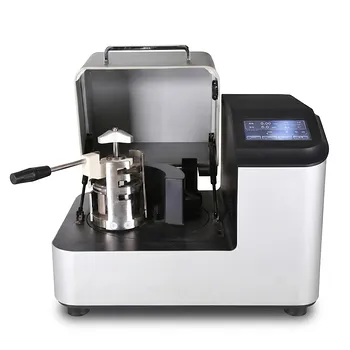
High Energy Laboratory Planetary Ball Mill for Nano Grinding and Material Science Sample Preparation
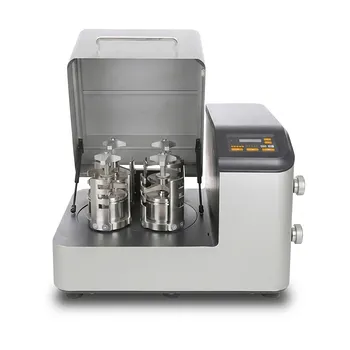
High Energy Planetary Ball Mill for Nano Scale Grinding and Colloidal Mixing in Material Science Research
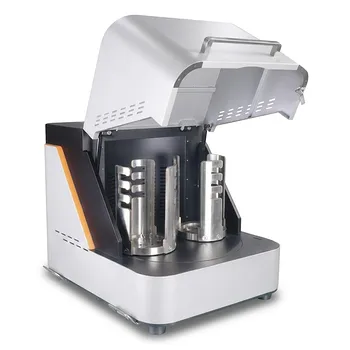
High Energy Laboratory Planetary Ball Mill for Nano Grinding and Colloidal Mixing of Hard and Brittle Materials
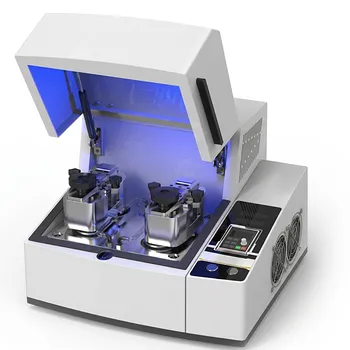
Laboratory Nano High Energy Ball Mill Ultrafine Grinding Mechanical Alloying
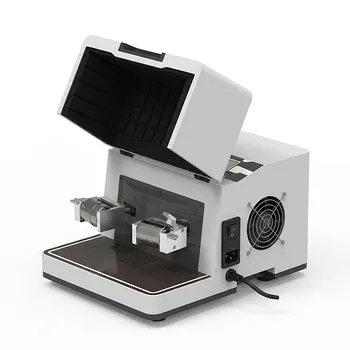
High Energy Hybrid Vibratory Ball Mill for Grinding Mixing and Cell Disruption
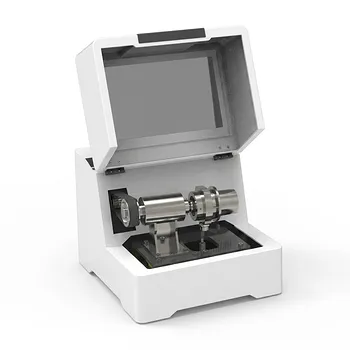
Single Tank High Energy Vibratory Ball Mill for Laboratory Grinding and Mixing
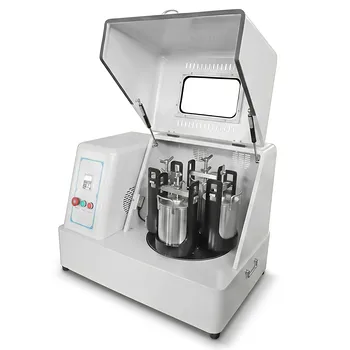
Vertical Square Planetary Ball Mill for Laboratory Sample Preparation and Nanoscale Grinding
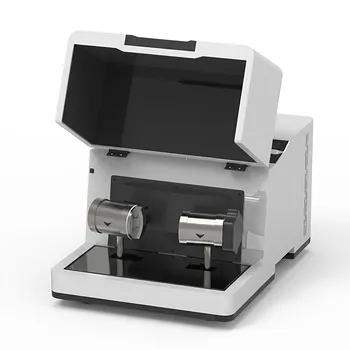
Ultra-Low Temperature Cryogenic High-Energy Vibratory Ball Mill
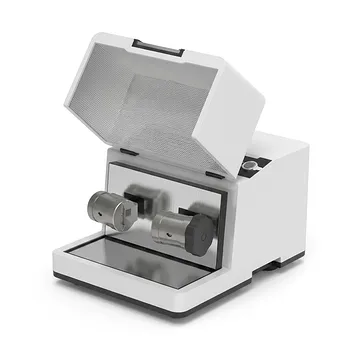
Heating Temperature Controlled High Energy Vibratory Ball Mill
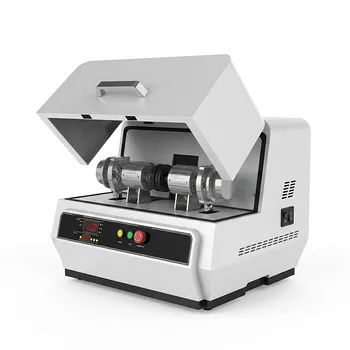
Dual Jar High Energy Vibratory Ball Mill
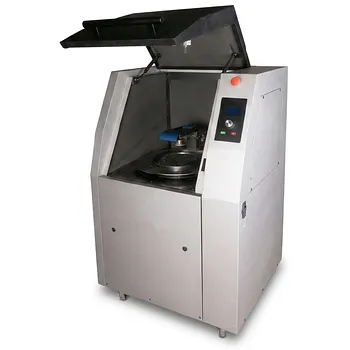
High Speed Vibratory Disc Mill for Spectral Analysis Sample Preparation and Rapid Powder Grinding
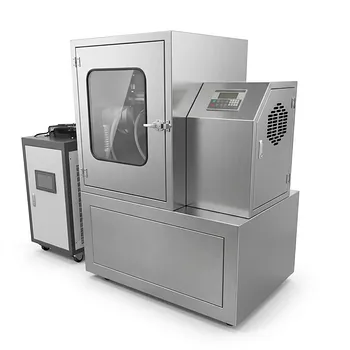
Vibratory Superfine Grinder for Ultra Fine Laboratory Powder Milling
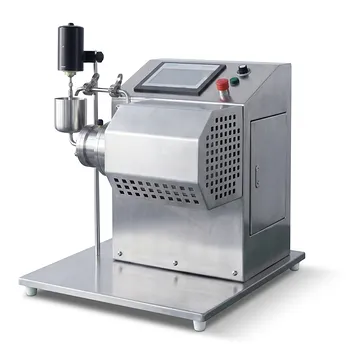
High Efficiency Laboratory Bead Mill Nano Powder Dispersion Sand Mill for Material Science Research