How does a high-frequency vibratory mill facilitate the reaction of microgram-scale perovskite powders? Enhance Purity
Updated 4 months ago
High-frequency vibratory milling facilitates perovskite synthesis by converting intense mechanical oscillations into chemical energy. This process uses high-energy impact and shear forces to destabilize the crystal lattices of precursor salts, creating a high-surface-area environment where interfacial diffusion occurs rapidly. Consequently, complex perovskite phases can be formed through solid-state reactions in a fraction of the time required by traditional thermal methods, often without the need for external solvents.
High-frequency vibratory milling serves as a mechanical catalyst that bypasses traditional thermal barriers. By maximizing contact points and inducing lattice defects at a microscopic scale, it enables the rapid, solvent-free formation of phase-pure perovskites.
The Mechanism of Mechanical Activation
Converting Motion into Chemical Potential
The mill operates by subjecting a grinding jar to rapid oscillations, often at frequencies such as 30 Hz. This movement drives grinding media—typically stainless steel or agate balls—to collide with the precursor materials at high velocities.
These continuous, high-energy impacts deliver the kinetic energy necessary to rupture ionic bonds within the raw material powders. This "mechanical activation" lowers the activation energy required for the chemical reaction to proceed.
Breaking the Crystal Lattice
Unlike traditional stirring, vibratory milling focuses energy on the crystal lattices of the precursor salts. The intense friction and impact force physically distort and break down these structures.
As the lattices crumble, the atoms within the precursors become more mobile. This state of heightened energy is what allows for the synthesis of black-phase orthorhombic or cubic perovskites directly from solid precursors.
Optimizing Surface Kinetics and Diffusion
Maximizing Interfacial Surface Area
The primary obstacle in solid-state reactions is the distance between reactant molecules. High-frequency milling pulverizes coarse, granular materials into fine, uniform powders, often reaching the nanometer range (below 100 nm).
By drastically reducing particle size, the mill increases the specific surface area available for the reaction. This ensures that a significantly higher percentage of the precursor molecules are in direct contact with one another at any given moment.
Inducing Interfacial Diffusion
Because the milling occurs at such high frequencies, it forces different chemical components into intimate contact under pressure. This pressure facilitates interfacial diffusion, where ions move across the boundaries of the contacting particles.
This diffusion is the engine of the solid-state reaction. It allows a single-phase perovskite structure to form without the need for a liquid medium or solvent, streamlining the preparation process for microgram-scale samples.
Ensuring Structural and Chemical Integrity
Microscopic Homogeneity
For perovskite powders, even minor local variations in composition can lead to impurity phases. High-frequency milling provides the high homogeneity required to ensure that lithium, strontium, or other dopants are distributed evenly at the microscopic level.
This uniformity is a prerequisite for achieving a dense microstructure during any subsequent sintering processes. It ensures that the final powder is consistent in both its chemical phase and its physical performance.
Temperature Management and Nanostructure
A key advantage of vibratory milling is its ability to refine powders without generating excessive localized heat. This is critical for maintaining the material’s nanostructural characteristics.
By keeping the process relatively cool, the mill prevents the unwanted grain growth that often occurs during high-temperature calcination. This preserves the high reactivity of the powder for future applications.
Understanding the Trade-offs
Contamination vs. Efficiency
While stainless steel grinding balls provide the highest energy impact, they introduce a risk of metal contamination. In microgram-scale preparation, even trace amounts of iron or chromium can interfere with chemical stability measurements or electronic properties.
Material Selection for Purity
To mitigate contamination, researchers often switch to high-purity agate or ceramic jars. While these materials may have lower density and therefore lower impact energy, they are essential for maintaining the high-purity environment required for sensitive perovskite applications.
Scaling Constraints
High-frequency vibratory mills are exceptionally efficient for microgram to gram-scale synthesis. However, as the volume increases, maintaining the same energy density throughout the jar becomes challenging, which can lead to inconsistencies in larger batches.
How to Apply This to Your Project
Making the Right Choice for Your Goal
- If your primary focus is phase purity and speed: Utilize high-frequency (30 Hz) stainless steel media to maximize impact energy and ensure rapid solid-state diffusion.
- If your primary focus is electronic or chemical sensitivity: Opt for agate or high-purity ceramic grinding components to prevent the introduction of metallic impurities.
- If your primary focus is maintaining nanostructure: Monitor milling duration closely to achieve the desired particle size reduction without triggering significant thermal-induced grain growth.
By precisely controlling the mechanical energy delivered to the precursors, high-frequency vibratory milling provides a powerful and solvent-free pathway to high-quality perovskite powders.
Summary Table:
| Key Mechanism | Function in Synthesis | Resulting Benefit |
|---|---|---|
| Mechanical Activation | Converts kinetic energy to chemical potential | Lowers activation energy barriers |
| Lattice Destabilization | Ruptures ionic bonds via high-energy impact | Facilitates rapid phase formation |
| Surface Engineering | Reduces particles to nanometer range (<100 nm) | Maximizes interfacial diffusion rates |
| Microscopic Homogeneity | Evenly distributes dopants and precursors | Ensures dense, impurity-free structures |
Elevate Your Material Research with Precision Sample Prep
Achieving phase-pure perovskites requires more than just chemistry—it requires the right mechanical energy. At Our Laboratory Solutions, we provide complete sample preparation equipment designed for the rigors of material science. From high-frequency vibratory mills and planetary ball mills that ensure microscopic homogeneity to our specialized liquid nitrogen cryogenic grinders for heat-sensitive materials, we empower your lab to produce superior powders.
Our expertise extends across the entire workflow. Once your powder is refined, utilize our full spectrum of hydraulic presses—including Cold/Warm Isostatic Presses (CIP/WIP), vacuum hot presses, and XRF pellet presses—to achieve the high-density microstructures your research demands. Whether you need crushers, sieve shakers, or advanced powder mixers, we offer the reliability and precision essential for cutting-edge material development.
Ready to optimize your powder processing workflow? Contact our technical experts today to find the perfect solution for your lab!
References
- Zonghan Hong, Han Sen Soo. Completely Solvent-free Protocols to Access Phase-Pure, Metastable Metal Halide Perovskites and Functional Photodetectors from the Precursor Salts. DOI: 10.1016/j.isci.2019.05.042
Mentioned Products
- High Speed Vibratory Disc Mill for Spectral Analysis Sample Preparation and Rapid Powder Grinding
- Nanoscale High-Energy Vibratory Ball Mill for Laboratory Sample Preparation, Mechanochemistry, and Mechanical Alloying
- Multi-Platform Nanoscale High-Energy Vibratory Ball Mill
- Ultra-Low Temperature Cryogenic High-Energy Vibratory Ball Mill
- Nano High Energy Vibratory Ball Mill with Heating and Temperature Control
People Also Ask
- Why is a vibratory disc mill utilized for the pretreatment of alum shale waste samples in phase analysis? Ensure XRD Accuracy
- What is the primary function of a vibrating disc mill in the pretreatment of raw clay samples? Achieve Micron-Level Precision
- How does the size of grinding media influence the vibratory milling efficiency? Achieve Optimal Pharmaceutical Fineness
- Why is a high-speed disc mill typically selected for the fine grinding of low-grade copper ore? Achieve Mineral Liberation
- What is the role of a disk mill in the sample preparation of natural clinoptilolite? Enhance Reactivity & Precision

Tech Team · PowderPreparation
Last updated on Jun 03, 2026
Related Products
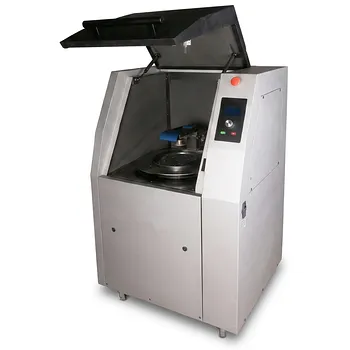
High Speed Vibratory Disc Mill for Spectral Analysis Sample Preparation and Rapid Powder Grinding
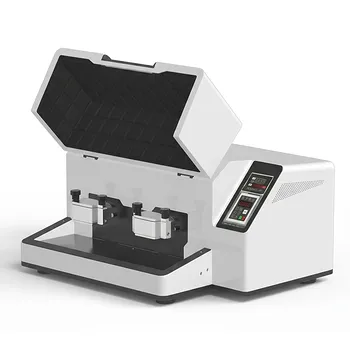
Nanoscale High-Energy Vibratory Ball Mill for Laboratory Sample Preparation, Mechanochemistry, and Mechanical Alloying
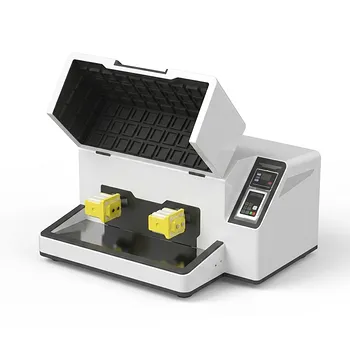
Multi-Platform Nanoscale High-Energy Vibratory Ball Mill
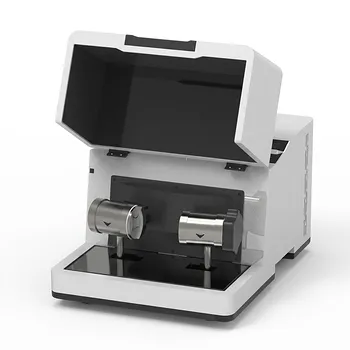
Ultra-Low Temperature Cryogenic High-Energy Vibratory Ball Mill
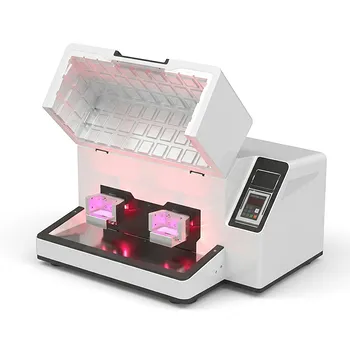
Nano High Energy Vibratory Ball Mill with Heating and Temperature Control
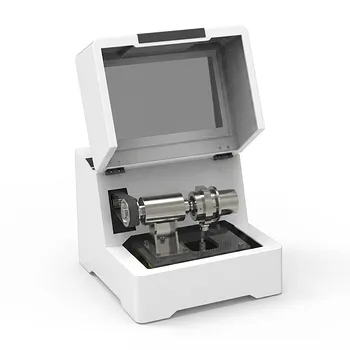
Single Tank High Energy Vibratory Ball Mill for Laboratory Grinding and Mixing
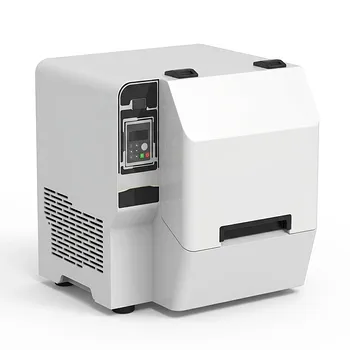
Nano High Energy Vibratory Ball Mill for Laboratory Sample Preparation
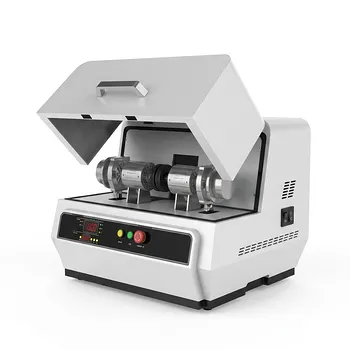
Dual Jar High Energy Vibratory Ball Mill
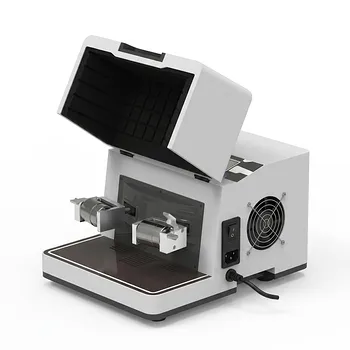
High Energy Hybrid Vibratory Ball Mill for Grinding Mixing and Cell Disruption
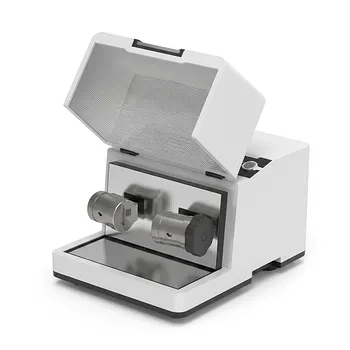
Heating Temperature Controlled High Energy Vibratory Ball Mill
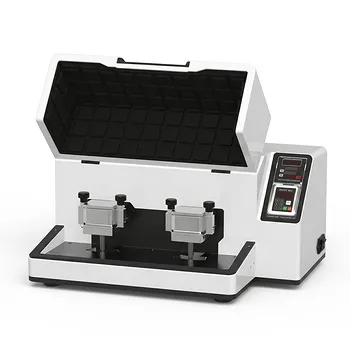
Nanoscale High Energy Vibratory Ball Mill Low Temperature
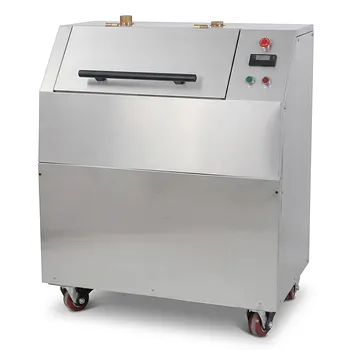
Vibratory Disc Mill for Rapid Fine Grinding and High Throughput Sample Preparation of Hard and Brittle Materials
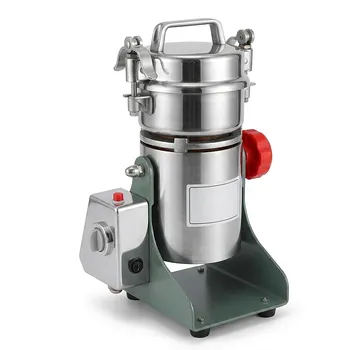
High Speed Swing Type Laboratory Pulverizer for Fine Powder Grinding and Sample Preparation
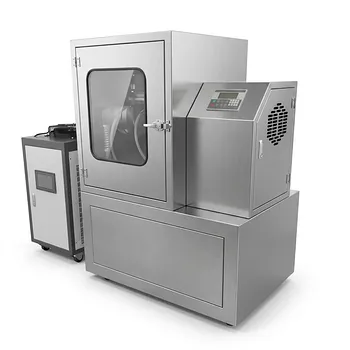
Vibratory Superfine Grinder for Ultra Fine Laboratory Powder Milling
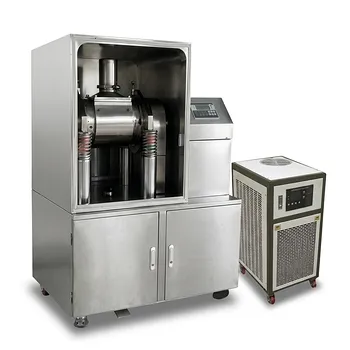
Small Vibrating Ultrafine Grinder for Traditional Chinese Medicine
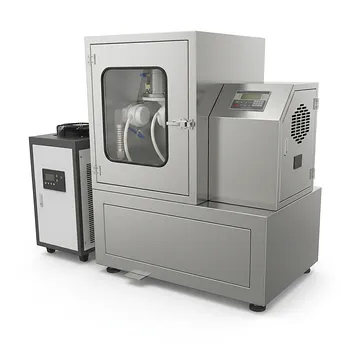
Vibratory Ultra-Low Temperature Ultrafine Grinder for Cryogenic Powder Processing
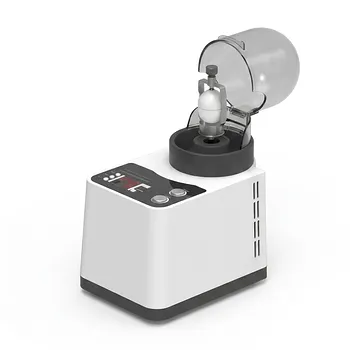
Laboratory Micro Vibration Grinding Mill for Trace Sample Preparation
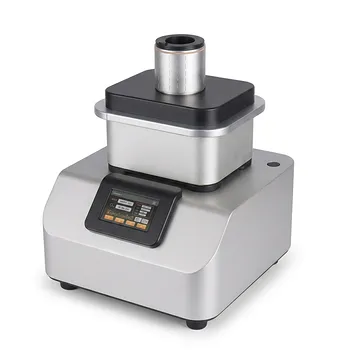
Ultra Centrifugal Mill High Speed Laboratory Grinder for Fibrous and Brittle Sample Preparation
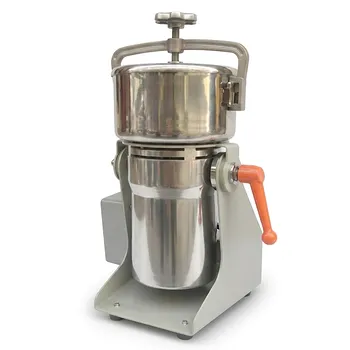
High Speed Laboratory Grinder Efficient Stainless Steel Powder Pulverizer Universal Material Science Mill for Sample Preparation