Why use cryogenic ball milling for polyurethane TGA/DSC? Ensure Accurate Thermal Analysis & Sample Integrity
Updated 4 months ago
Cryogenic ball milling is the recommended preparation method for polyurethane foams because it transforms elastic polymers into a brittle state for efficient pulverization without inducing thermal degradation. This process creates an extremely fine, uniform powder with a high specific surface area, which is essential for ensuring consistent heat transfer and accurate data during Thermal Gravimetric Analysis (TGA) and Differential Scanning Calorimetry (DSC).
Using a liquid nitrogen cryogenic ball mill ensures that polyurethane foam samples remain chemically and physically pristine while achieving the fine particle size required for high-precision thermal analysis. By neutralizing mechanical heat, this method prevents the artifacts and data inaccuracies common with room-temperature grinding.
Overcoming the Physical Limitations of Polyurethane
Polyurethane foams are characterized by their elastic or semi-rigid nature, which makes them notoriously difficult to process using standard mechanical methods. At room temperature, these materials tend to deform or "smear" rather than break, resisting the formation of a fine powder.
The Problem with Room-Temperature Grinding
Attempting to grind polyurethane at ambient temperatures generates significant frictional heat. This energy can cause localized physical changes, premature curing, or even partial thermal degradation before the sample ever reaches the TGA or DSC instrument.
Achieving Brittle Fracture via Cryogenics
By using liquid nitrogen, which has a boiling point of -196°C, the mill cools the polyurethane well below its embrittlement point. In this state, the polymer loses its elasticity and can be easily shattered into a fine powder by the high-frequency impact of zirconia grinding jars and balls.
Enhancing Data Accuracy for TGA and DSC
The primary goal of sample preparation for thermal analysis is to ensure that the small specimen used is truly representative of the bulk material. Cryogenic milling achieves a level of homogeneity that is impossible to reach through manual cutting or ambient grinding.
Maximizing Specific Surface Area
Pulverizing the foam into an extremely fine powder significantly increases its specific surface area. This is critical for TGA and DSC because it ensures consistent heat transfer throughout the sample mass during the heating ramp.
Optimizing Thermal Kinetics
A high surface-area-to-volume ratio allows for uniform gas evolution during decomposition and prevents thermal "lag." This leads to more accurate measurements of glass transition temperatures (Tg), reaction enthalpy, and thermal decomposition kinetics.
Preserving Chemical Integrity
The cryogenic environment, often enriched by inert nitrogen gas, prevents oxidative degradation and inhibits secondary reactions. This ensures that the radical species and chemical bonds remain in their original state, allowing for a "true" baseline during analysis.
Understanding the Trade-offs and Challenges
While cryogenic ball milling is the gold standard for polyurethane preparation, it requires a specific infrastructure and adherence to safety protocols. It is not a "plug-and-play" solution for every laboratory environment.
Operational Costs and Safety
The continuous consumption of liquid nitrogen increases the cost per sample compared to traditional milling. Additionally, operators must be trained in cryogen safety to prevent asphyxiation risks and cryogenic burns.
Equipment Maintenance
The extreme temperature cycles (from -196°C back to room temperature) can put stress on mechanical components. Using high-quality materials like zirconia is necessary to prevent jar cracking and to minimize sample contamination during high-energy impacts.
How to Apply This to Your Project
Choosing the right preparation parameters depends heavily on your specific analytical goals and the nature of your polyurethane formulation.
- If your primary focus is Thermal Stability (TGA): Prioritize achieving the finest possible particle size to ensure uniform mass loss and representative decomposition kinetic data.
- If your primary focus is Phase Transitions (DSC): Use cryogenic milling to prevent any "thermal history" from being erased or altered by mechanical heat before the test begins.
- If your primary focus is Radical Characterization (ESR): Ensure the sample remains at cryogenic temperatures (77 K) throughout the entire process to inhibit the quenching of mechanical radicals.
By utilizing cryogenic ball milling, researchers can eliminate the variables introduced by mechanical heating, ensuring that their thermal analysis data reflects the inherent properties of the material rather than the artifacts of sample preparation.
Summary Table:
| Feature | Room-Temperature Grinding | Cryogenic Ball Milling (-196°C) |
|---|---|---|
| Material State | Elastic/Semi-rigid (smearing) | Brittle (efficient shattering) |
| Thermal Impact | High frictional heat (degradation) | Neutralized heat (pristine integrity) |
| Particle Size | Coarse and non-uniform | Extremely fine, uniform powder |
| Data Accuracy | Low (thermal lag/artifacts) | High (consistent heat transfer) |
| Surface Area | Low | High (optimized thermal kinetics) |
Elevate Your Material Analysis with Precision Preparation
Achieving accurate TGA and DSC data starts with the perfect sample. At [Brand Name], we provide complete laboratory sample preparation solutions tailored for material science. Whether you are working with resilient polymers like polyurethane or advanced ceramics, our equipment ensures maximum homogeneity without compromising chemical integrity.
Our specialized lineup includes:
- Powder Processing: Liquid nitrogen cryogenic grinders, planetary ball mills, jet mills, and vibratory sieve shakers.
- Compaction & Pressing: A full spectrum of hydraulic presses, including Cold/Warm Isostatic Presses (CIP/WIP), vacuum hot presses, and XRF pellet presses.
- Mixing: High-efficiency powder and defoaming mixers for consistent formulations.
Ready to eliminate sample preparation variables? Contact our technical experts today to find the ideal milling or pressing solution for your research and development needs.
References
- Aiga Ivdre, Jānis Rižikovs. Rigid Polyurethane Foams as Thermal Insulation Material from Novel Suberinic Acid-Based Polyols. DOI: 10.3390/polym15143124
Mentioned Products
- Small Liquid Nitrogen Cryogenic Grinder for Ultrafine Grinding of Heat-Sensitive Materials in Laboratories
- Cryogenic Liquid Nitrogen Grinder for DNA Analysis and Polymer Pulverization with Automatic Cooling and Electromagnetic Impact Technology
- Small Liquid Nitrogen Cryogenic Grinder with Vibratory Feeder for Laboratory Sample Preparation
- Liquid Nitrogen Cryogenic Grinder for Plastic and Heat-Sensitive Materials
- Cryogenic Liquid Nitrogen Grinder for Ultrafine Heat-Sensitive Powder Processing
People Also Ask
- What are the advantages of using liquid nitrogen Cryomilling? Achieve ultra-fine grains and high chemical purity.
- How does liquid nitrogen as a processing medium affect copper powder beyond cooling? Impacts on Purity & Sintering
- What is the function of liquid nitrogen cryogenic grinding in the initial preparation of PHBH polymer powder? Key Roles
- Why is liquid nitrogen cryogenic grinding used for coal and microbial experiments? Preserve Sample Integrity
- Why use liquid nitrogen cryogenic grinding for polymer degradation? Preserve sample integrity & prevent thermal damage

Tech Team · PowderPreparation
Last updated on Jun 03, 2026
Related Products
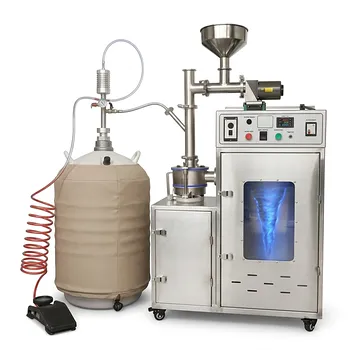
Small Liquid Nitrogen Cryogenic Grinder for Ultrafine Grinding of Heat-Sensitive Materials in Laboratories
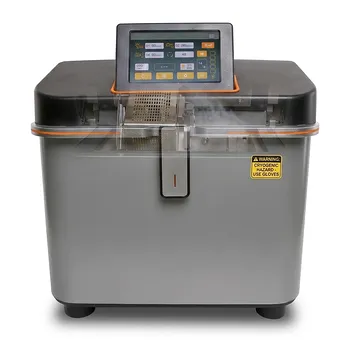
Cryogenic Liquid Nitrogen Grinder for DNA Analysis and Polymer Pulverization with Automatic Cooling and Electromagnetic Impact Technology
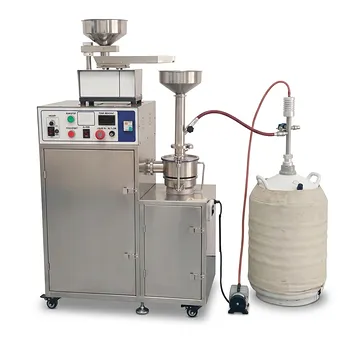
Small Liquid Nitrogen Cryogenic Grinder with Vibratory Feeder for Laboratory Sample Preparation
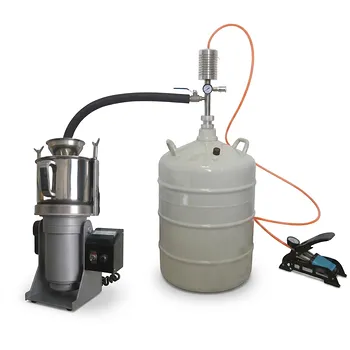
Liquid Nitrogen Cryogenic Grinder for Plastic and Heat-Sensitive Materials
Cryogenic Liquid Nitrogen Grinder for Ultrafine Heat-Sensitive Powder Processing
Small Liquid Nitrogen Cryogenic Grinder for Plastic and Heat-Sensitive Material Sample Preparation
Laboratory Cryogenic Grinder Liquid Nitrogen Low Temperature Ultrafine Grinding
Laboratory Liquid Nitrogen Cryogenic Grinder Polymer Sample Preparation Pulverizer
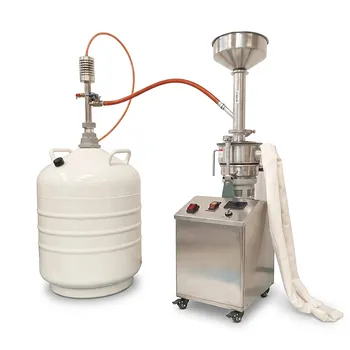
Laboratory Liquid Nitrogen Cryogenic Grinder for Polymer and Elastomer Materials
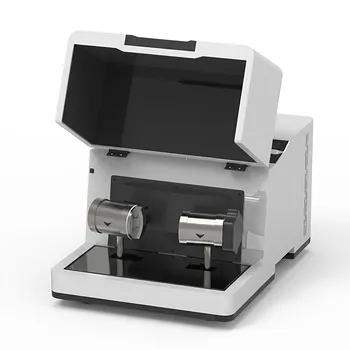
Ultra-Low Temperature Cryogenic High-Energy Vibratory Ball Mill
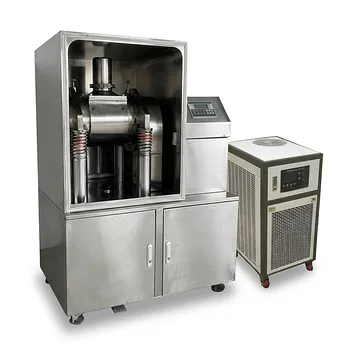
Water Cooled Cryogenic Ultra Fine Cell Wall Breaking Mill
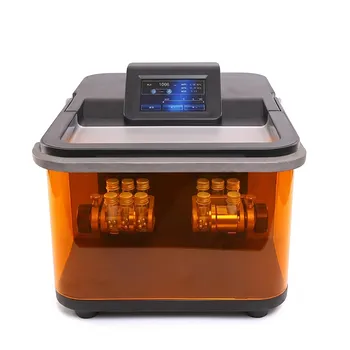
High Throughput Micro Ball Mill for Cryogenic Grinding and Laboratory Cell Disruption
Ultra-Low Temperature Vibratory Mill for Ultrafine Grinding
Nanoscale High Energy Vibratory Ball Mill Low Temperature
Vibratory Ultra-Low Temperature Ultrafine Grinder for Cryogenic Powder Processing
Heating Temperature Controlled High Energy Vibratory Ball Mill
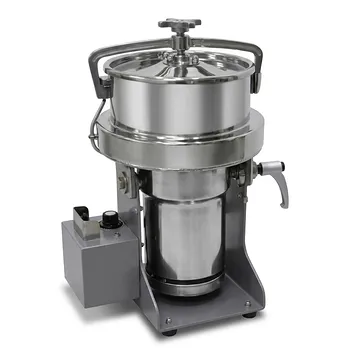
500g Capacity Water Cooled Low Temperature Grinder with Variable Speed and Safety Cover

Miniature Planetary Ball Mill with Vacuum Grinding and High Efficiency for Laboratory Sample Preparation
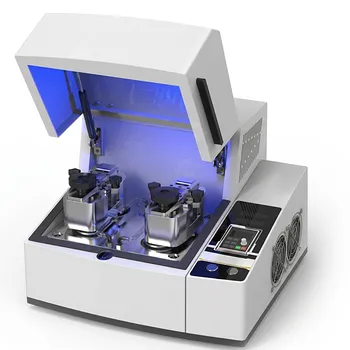
Laboratory Nano High Energy Ball Mill Ultrafine Grinding Mechanical Alloying
