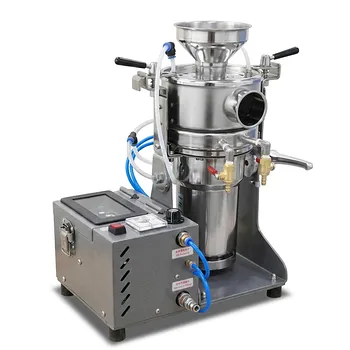
What is the function of liquid nitrogen cryogenic pre-cooling in the preparation of microplastic (MPs) particles? Explained
Updated 4 months ago
Liquid nitrogen cryogenic pre-cooling is the fundamental mechanism for achieving brittle fracture in polymers during sample preparation. By rapidly lowering the temperature of plastic samples below their glass transition temperature (Tg), this process shifts the material from a high-elastic or "leathery" state to a brittle state. This phase change ensures that mechanical energy results in clean fractures rather than plastic deformation, melting, or clogging, allowing for the creation of fine particles ranging from 100 micrometers to 1 millimeter.
Cryogenic pre-cooling transforms flexible polymers into brittle solids, enabling the production of irregular, chemically intact microplastics that accurately simulate environmental degradation without the risk of thermal damage.
The Physics of Material Embrittlement
Shifting from Elastic to Brittle
At room temperature, many plastics are ductile and resist breaking by stretching or deforming. Liquid nitrogen removes thermal energy so rapidly that the polymer chains lose their mobility, reaching a state where they can no longer slide past one another.
Facilitating Brittle Fracture
Once the material is cooled below its embrittlement point, mechanical impact leads to brittle fracture. This allows the grinder to shatter the plastic into micron-sized fragments rather than simply tearing or flattening the material.
Ensuring Particle Size Consistency
This pre-cooling phase is critical for achieving a specific particle size distribution. Without reaching the necessary low temperatures, polymers may produce inconsistent, stringy results that do not meet the requirements for standardized experimental use.
Thermal Protection and Sample Integrity
Mitigating Frictional Heat
Mechanical grinding generates significant internal friction, which can quickly raise the temperature of the sample. Cryogenic pre-cooling provides a massive thermal buffer that absorbs this heat, preventing the polymer from softening or melting during the pulverization process.
Preserving Chemical Identity
High heat can trigger thermal degradation or alter the chemical structure of the plastic. Using liquid nitrogen ensures that the resulting microplastics maintain the original physicochemical properties of the bulk material, which is essential for accurate analytical results.
Preventing Polymer Fusion
In non-cryogenic systems, the heat of grinding often causes small particles to fuse back together or stick to the equipment. The ultra-low temperature environment keeps particles separate and free-flowing, ensuring the high recovery of micro/nanoplastic suspensions.
Simulating Environmental Microplastics
Generating Irregular Morphologies
Unlike engineered plastic spheres, secondary microplastics in the environment are characterized by irregular shapes. Cryogenic grinding through brittle fracture produces jagged, multi-faceted fragments that more accurately mimic the debris produced by natural weathering.
Replicating Secondary Microplastics
By pulverizing bulk materials like recycled plastics (PCRs) or metal-tagged polymers at extreme cold, researchers can create "secondary" microplastics. These particles provide a more realistic model for studying how plastic fragments interact with ecosystems compared to smooth, uniform beads.
Understanding the Trade-offs
Equipment and Operational Costs
Cryogenic grinding requires specialized equipment capable of handling liquid nitrogen and maintaining pressurized, ultra-low temperature environments. The ongoing cost of consumables and the need for specialized safety protocols for handling cryogenic fluids can be significant.
Material-Specific Requirements
Not all plastics reach their brittle state at the same temperature. Some high-performance polymers may require longer pre-cooling durations or higher-frequency impacts to overcome their inherent toughness, requiring researchers to calibrate settings for each specific material type.
Making the Right Choice for Your Goal
Guidelines for Microplastic Preparation
- If your primary focus is environmental simulation: Use cryogenic pre-cooling to ensure the production of irregular, jagged fragments that behave like weathered secondary microplastics.
- If your primary focus is chemical characterization: Prioritize cryogenic methods to prevent thermal degradation and ensure the final powder retains the exact chemical signature of the source polymer.
- If your primary focus is high-volume throughput: Ensure your system maintains a continuous flow of liquid nitrogen to prevent the equipment from warming up between batches, which would lead to sample melting.
By mastering the transition from elastic to brittle states, researchers can produce high-quality microplastic samples that are both chemically accurate and physically representative of environmental pollutants.
Summary Table:
| Function | Key Benefit | Mechanism |
|---|---|---|
| Embrittlement | Enables brittle fracture | Rapid cooling below Glass Transition Temperature (Tg) |
| Thermal Protection | Prevents melting & degradation | Absorbs frictional heat generated during grinding |
| Morphology Control | Realistic particle shapes | Produces irregular fragments mimicking secondary MPs |
| Sample Recovery | Prevents polymer fusion | Keeps particles free-flowing and equipment clog-free |
Elevate Your Sample Preparation with Precision Engineering
Achieving the perfect microplastic particle distribution requires specialized equipment that masters the transition from elastic to brittle states. At [Brand Name], we provide complete laboratory sample preparation solutions tailored for material science.
Whether you are studying environmental degradation or developing new materials, our extensive product line supports every stage of your workflow:
- Advanced Grinding: Liquid nitrogen cryogenic grinders, planetary ball mills, and jet mills for micron-level precision.
- Powder Processing: Sieve shakers, powder mixers, and defoaming mixers for consistent sample quality.
- Compaction Excellence: A full spectrum of hydraulic presses, including Cold/Warm Isostatic Presses (CIP/WIP), vacuum hot presses, and XRF pellet presses.
Ready to optimize your lab’s efficiency and accuracy? Contact our technical experts today to find the ideal pulverization and compaction solutions for your specific research goals.
References
- Urška Šunta, Mojca Bavcon Kralj. Insights into Microplastics: from Physical and Chemical Characterisation to its Potential as a Vector.. DOI: 10.55295/psl.2022.d13
Mentioned Products
- Liquid Nitrogen Cryogenic Grinder for Plastic and Heat-Sensitive Materials
- Small Liquid Nitrogen Cryogenic Grinder for Ultrafine Grinding of Heat-Sensitive Materials in Laboratories
- Cryogenic Liquid Nitrogen Grinder for DNA Analysis and Polymer Pulverization with Automatic Cooling and Electromagnetic Impact Technology
- Cryogenic Liquid Nitrogen Grinder for Ultrafine Heat-Sensitive Powder Processing
- Small Liquid Nitrogen Cryogenic Grinder with Vibratory Feeder for Laboratory Sample Preparation
People Also Ask
- Why is a liquid nitrogen cryogenic grinder required before DSC? Ensure Accurate Thermal Analysis & Sample Integrity.
- Why is a liquid nitrogen cryogenic grinder necessary for plastic pre-processing? Achieve Precise Co-Pyrolysis Results
- What role does liquid nitrogen cryogenic grinding play in the modification of CNTs? Optimize Nanomaterial Processing
- Why is a laboratory-grade liquid nitrogen cryogenic grinder essential for processing drug-loaded polymer nanofiber mats?
- What is the role of a liquid nitrogen cryogenic grinder in drug-polymer mixing? Achieve Superior Sample Homogeneity

Tech Team · PowderPreparation
Last updated on Jun 03, 2026
Related Products
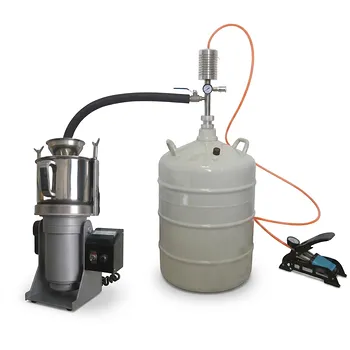
Liquid Nitrogen Cryogenic Grinder for Plastic and Heat-Sensitive Materials
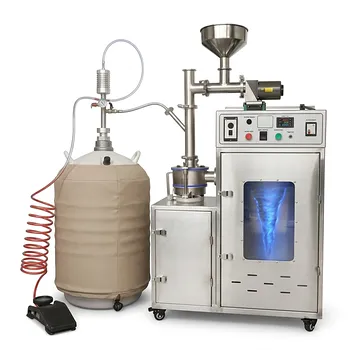
Small Liquid Nitrogen Cryogenic Grinder for Ultrafine Grinding of Heat-Sensitive Materials in Laboratories
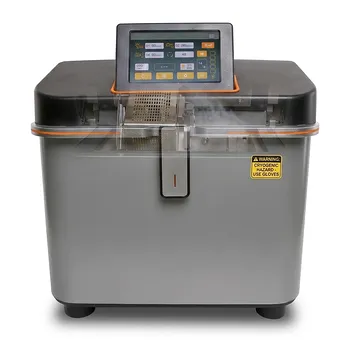
Cryogenic Liquid Nitrogen Grinder for DNA Analysis and Polymer Pulverization with Automatic Cooling and Electromagnetic Impact Technology
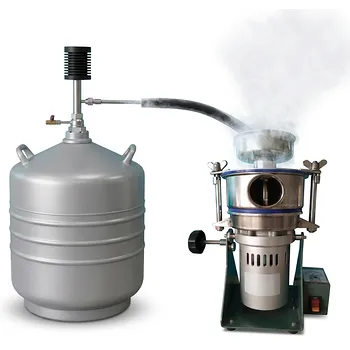
Cryogenic Liquid Nitrogen Grinder for Ultrafine Heat-Sensitive Powder Processing
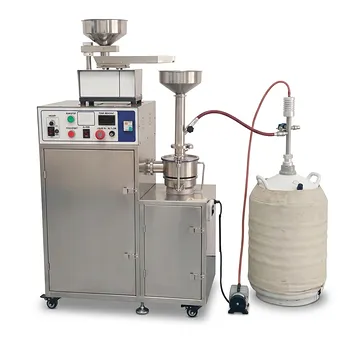
Small Liquid Nitrogen Cryogenic Grinder with Vibratory Feeder for Laboratory Sample Preparation
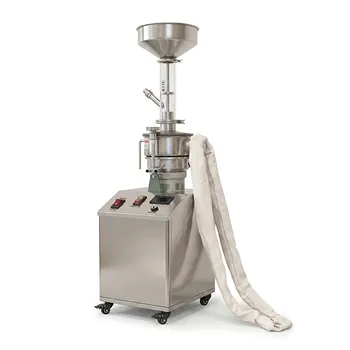
Small Liquid Nitrogen Cryogenic Grinder for Plastic and Heat-Sensitive Material Sample Preparation
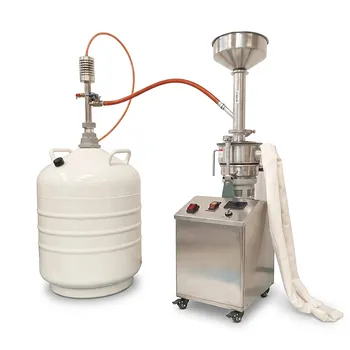
Laboratory Liquid Nitrogen Cryogenic Grinder for Polymer and Elastomer Materials
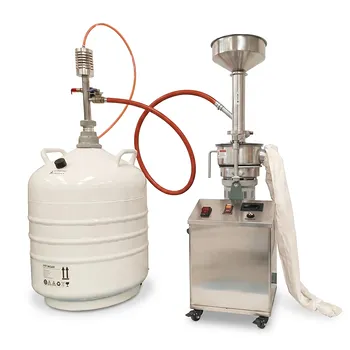
Laboratory Liquid Nitrogen Cryogenic Grinder Polymer Sample Preparation Pulverizer
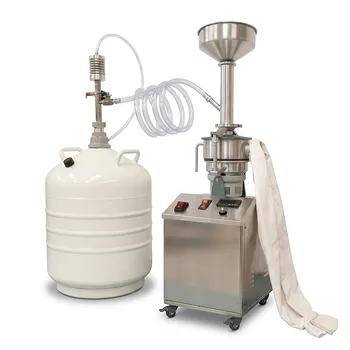
Laboratory Cryogenic Grinder Liquid Nitrogen Low Temperature Ultrafine Grinding
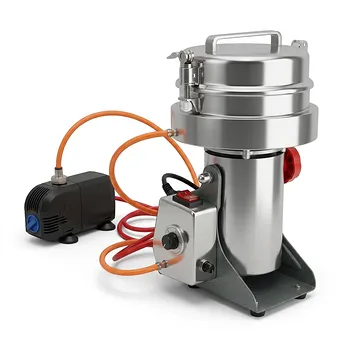
Water Cooled High Speed Grinder with Cryogenic Option for Laboratory Sample Preparation
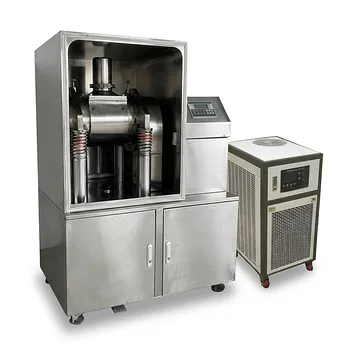
Water Cooled Cryogenic Ultra Fine Cell Wall Breaking Mill
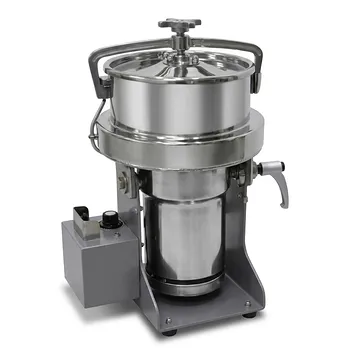
500g Capacity Water Cooled Low Temperature Grinder with Variable Speed and Safety Cover
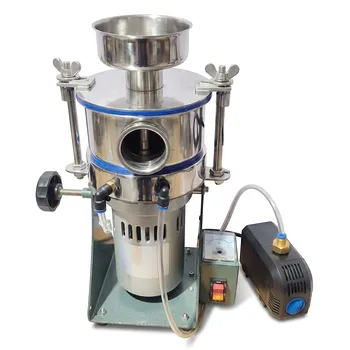
Water Cooled Airflow Ultra Fine Grinder for Low Temperature Material Processing
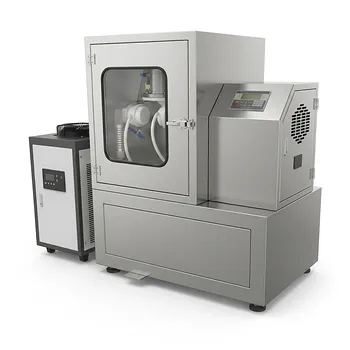
Vibratory Ultra-Low Temperature Ultrafine Grinder for Cryogenic Powder Processing
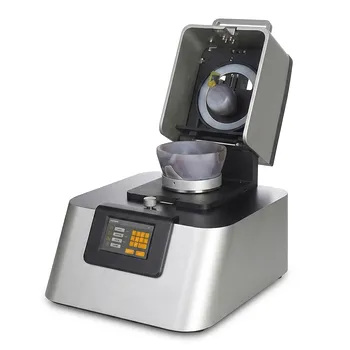
Laboratory Mortar Grinder for Sample Preparation and Cryogenic Powder Homogenization
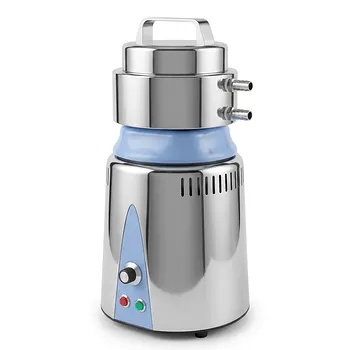
Low Temperature Laboratory Knife Mill Cryogenic Sample Grinder Material Science Powder Processing
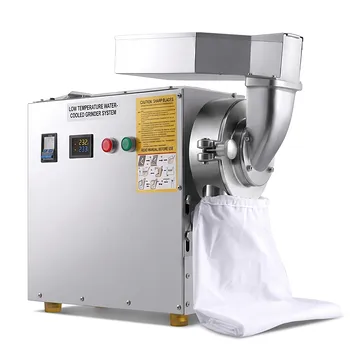
Low Temperature Water Cooled Continuous Feed Grinder Two Stage Coarse and Fine Grinding System
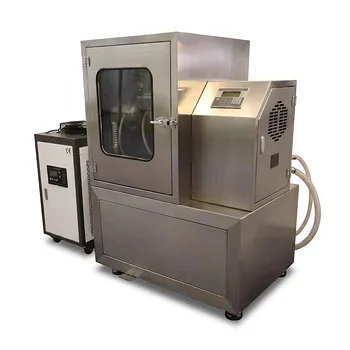
Ultra-Low Temperature Vibratory Mill for Ultrafine Grinding
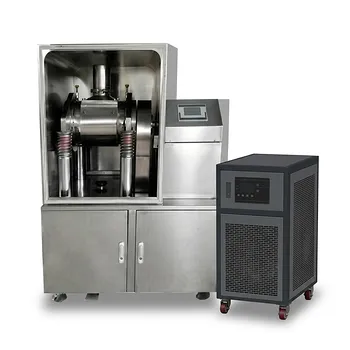
Ultra-low Temperature Vibratory Mill Ultrafine Grinder