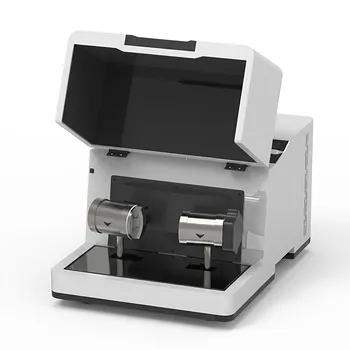
Why is a liquid nitrogen cryogenic grinder required before DSC? Ensure Accurate Thermal Analysis & Sample Integrity.
Updated 4 months ago
Cryogenic grinding is essential for DSC preparation because it prevents mechanical heat from altering the material’s chemical state before the analysis begins. By using liquid nitrogen to cool composites to an ultra-low temperature, the grinder ensures that the resin does not undergo further curing or thermal degradation during the pulverization process. This preservation is critical for obtaining accurate data regarding the material’s original reaction enthalpy, glass transition temperature, and degree of cure.
The Central Takeaway: Liquid nitrogen grinding transforms tough or elastic composites into a fine, uniform powder while maintaining their chemical integrity, ensuring that subsequent thermal analysis reflects the true properties of the sample rather than artifacts caused by the grinding process.
The Risk of Mechanical Heat Generation
Preventing Unintended Resin Curing
Standard mechanical grinding generates significant frictional heat, which can inadvertently trigger the cross-linking process in thermoset resins. If the resin cures during sample preparation, the reaction enthalpy measured during DSC will be lower than the true value, leading to an inaccurate assessment of the material’s state.
Avoiding Thermal Degradation and Melting
Many polymer-based composites, such as polypropylene or PLA, can soften, melt, or undergo molecular chain scission when subjected to room-temperature grinding. Liquid nitrogen prevents this by keeping the sample well below its degradation threshold, ensuring the chemical structure remains stable for analysis.
Eliminating Elastic Deformation
Materials like polyurethane foams or certain elastomers are naturally resilient and resist fracturing at room temperature. The ultra-low temperatures of a cryogenic mill reach the material's glass transition point, rendering it brittle enough to be pulverized into a fine powder rather than simply deforming.
Impact on Data Precision and Consistency
Maximizing Specific Surface Area
Transforming a bulk composite into a fine, micron-scale powder significantly increases its specific surface area. This is vital for DSC because it ensures rapid and uniform heat transfer throughout the sample during the heating cycle.
Ensuring Optimal Crucible Contact
A uniform, fine powder allows for better contact between the sample and the bottom of the DSC crucible. Poor contact or irregular particle sizes can lead to thermal gradients and "noisy" data, making it difficult to identify subtle transitions like the glass transition temperature (Tg).
Achieving Homogeneous Sampling
Composites often consist of distinct phases, such as carbon fibers and resin. Cryogenic grinding enables the creation of a homogeneous mixture, ensuring that the small milligram-sized sample used in the DSC is truly representative of the bulk material.
Understanding the Trade-offs
Equipment and Operational Costs
Utilizing liquid nitrogen requires specialized cryogenic grinders and a continuous supply of refrigerant, which increases the cost per sample compared to traditional milling. However, for high-performance composites, this cost is usually justified by the necessity of data integrity.
Management of Moisture Condensation
A significant pitfall of cryogenic grinding is the risk of atmospheric moisture condensation on the cold powder once it is removed from the mill. If not properly managed (e.g., by allowing the sample to reach room temperature in a desiccator), the presence of water can create large endothermic peaks in the DSC trace that mask the polymer's actual thermal transitions.
Material Handling Complexity
The extreme cold makes materials brittle, but it also requires operators to use specialized safety equipment and handling procedures. Improper handling can lead to sample contamination or loss of volatile components if the temperature is not strictly controlled throughout the process.
How to Apply This to Your Project
Making the Right Choice for Your Goal
- If your primary focus is determining the exact degree of cure: You must use cryogenic grinding to ensure that no additional cross-linking occurs during sample preparation.
- If your primary focus is identifying glass transition (Tg) in elastic polymers: Cryogenic treatment is required to embrittle the sample enough to reach the fine particle size necessary for a clear Tg signal.
- If your primary focus is analyzing fiber-reinforced composites: Cryogenic grinding is the only reliable way to pulverize high-strength fibers and resin simultaneously into a uniform powder.
- If your primary focus is kinetic studies or decomposition (TGA/DSC): The increased surface area from cryogenic milling is essential for consistent heat transfer and reproducible kinetic data.
By prioritizing the chemical "frozen" state of your sample through cryogenic grinding, you ensure that your thermal analysis results are a definitive reflection of your material's properties.
Summary Table:
| Feature of Cryogenic Grinding | Impact on Sample Preparation | Resulting Benefit for DSC |
|---|---|---|
| Thermal Control | Prevents mechanical heat generation | No unintended resin curing or degradation |
| Material Embrittlement | Reaches glass transition point | Fine pulverization of elastic polymers/foams |
| Particle Size Reduction | Increases specific surface area | Rapid, uniform heat transfer in the crucible |
| Chemical Preservation | Freezes the material's chemical state | Accurate measurement of enthalpy and Tg |
| Homogenization | Blends fiber and resin phases | Small samples represent the bulk material |
Achieve Precise Material Analysis with Professional Sample Preparation
Inaccurate data starts with poor sample preparation. At our company, we provide complete laboratory sample preparation solutions tailored for material science. We specialize in high-performance powder processing and compaction equipment designed to maintain the chemical integrity of your most sensitive composites.
Our extensive product lines include:
- Grinding & Milling: Liquid nitrogen cryogenic grinders, planetary ball mills, jet mills, and disc/rotor mills.
- Crushing & Sizing: Jaw/roll crushers and vibratory/air-jet sieve shakers.
- Mixing: Powder and defoaming mixers for homogeneous samples.
- Pressing Solutions: A full spectrum of hydraulic presses, including Cold/Warm Isostatic Presses (CIP/WIP), XRF pellet presses, and vacuum hot presses.
Don't let mechanical heat compromise your DSC results. Contact us today to discover how our specialized grinders and presses can enhance your laboratory's efficiency and data precision!
References
- P. R. Wilson, James Meredith. Temperature driven failure of carbon epoxy composites – A quantitative full-field study. DOI: 10.1016/j.compscitech.2017.11.020
Mentioned Products
- Liquid Nitrogen Cryogenic Grinder for Plastic and Heat-Sensitive Materials
- Small Liquid Nitrogen Cryogenic Grinder for Ultrafine Grinding of Heat-Sensitive Materials in Laboratories
- Cryogenic Liquid Nitrogen Grinder for DNA Analysis and Polymer Pulverization with Automatic Cooling and Electromagnetic Impact Technology
- Small Liquid Nitrogen Cryogenic Grinder with Vibratory Feeder for Laboratory Sample Preparation
- Cryogenic Liquid Nitrogen Grinder for Ultrafine Heat-Sensitive Powder Processing
People Also Ask
- Why is a liquid nitrogen cryogenic grinder necessary for plastic pre-processing? Achieve Precise Co-Pyrolysis Results
- What role does liquid nitrogen cryogenic grinding play in the modification of CNTs? Optimize Nanomaterial Processing
- Why is a laboratory-grade liquid nitrogen cryogenic grinder essential for processing drug-loaded polymer nanofiber mats?
- What is the role of a liquid nitrogen cryogenic grinder in drug-polymer mixing? Achieve Superior Sample Homogeneity
- What is the role of a liquid nitrogen cryogenic grinder in biomass pretreatment? Optimize Your Activated Carbon Quality

Tech Team · PowderPreparation
Last updated on Jun 03, 2026
Related Products
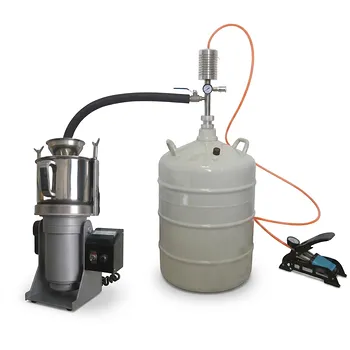
Liquid Nitrogen Cryogenic Grinder for Plastic and Heat-Sensitive Materials
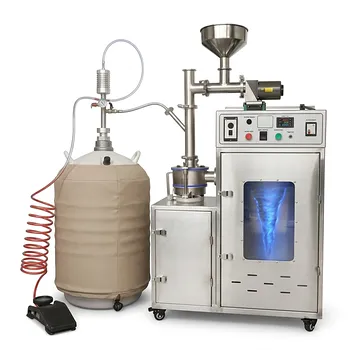
Small Liquid Nitrogen Cryogenic Grinder for Ultrafine Grinding of Heat-Sensitive Materials in Laboratories
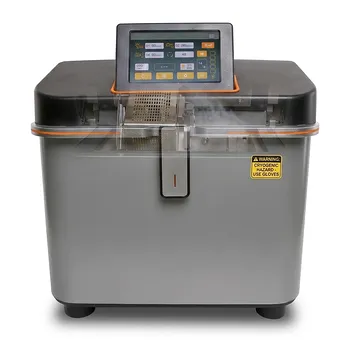
Cryogenic Liquid Nitrogen Grinder for DNA Analysis and Polymer Pulverization with Automatic Cooling and Electromagnetic Impact Technology
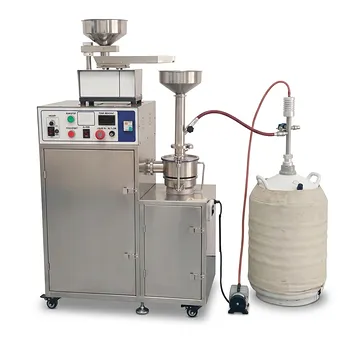
Small Liquid Nitrogen Cryogenic Grinder with Vibratory Feeder for Laboratory Sample Preparation
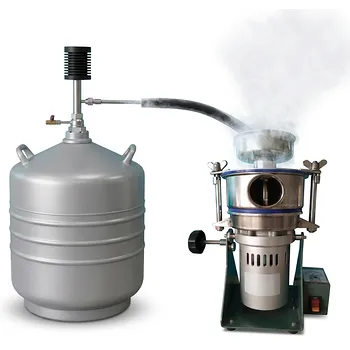
Cryogenic Liquid Nitrogen Grinder for Ultrafine Heat-Sensitive Powder Processing
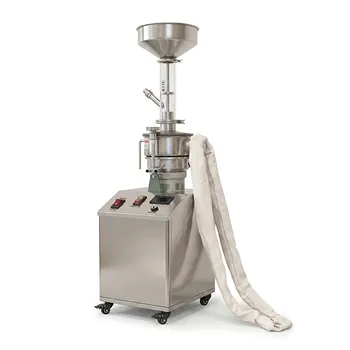
Small Liquid Nitrogen Cryogenic Grinder for Plastic and Heat-Sensitive Material Sample Preparation
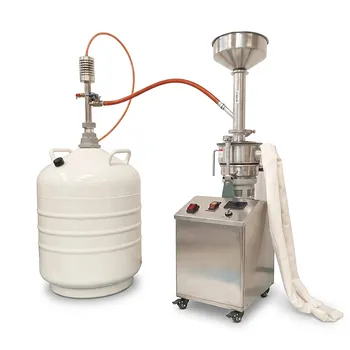
Laboratory Liquid Nitrogen Cryogenic Grinder for Polymer and Elastomer Materials
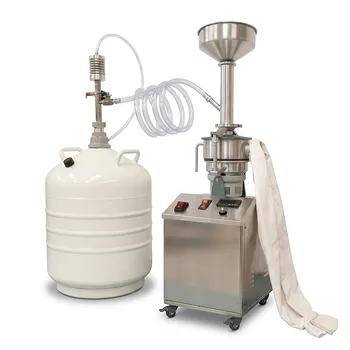
Laboratory Cryogenic Grinder Liquid Nitrogen Low Temperature Ultrafine Grinding
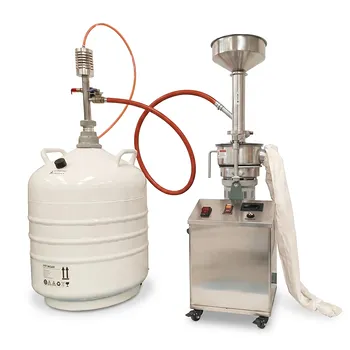
Laboratory Liquid Nitrogen Cryogenic Grinder Polymer Sample Preparation Pulverizer
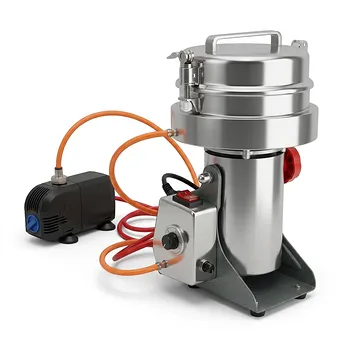
Water Cooled High Speed Grinder with Cryogenic Option for Laboratory Sample Preparation
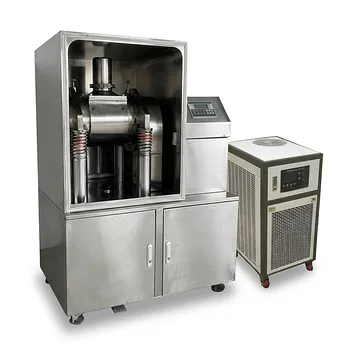
Water Cooled Cryogenic Ultra Fine Cell Wall Breaking Mill
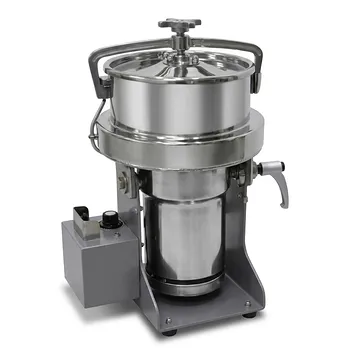
500g Capacity Water Cooled Low Temperature Grinder with Variable Speed and Safety Cover
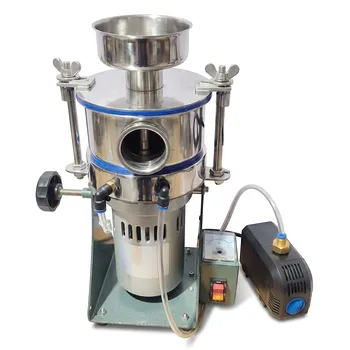
Water Cooled Airflow Ultra Fine Grinder for Low Temperature Material Processing
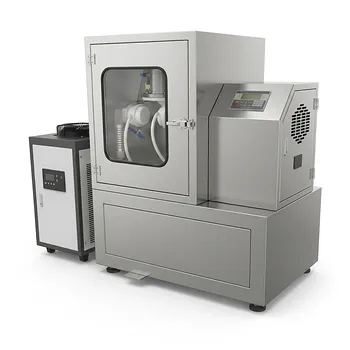
Vibratory Ultra-Low Temperature Ultrafine Grinder for Cryogenic Powder Processing
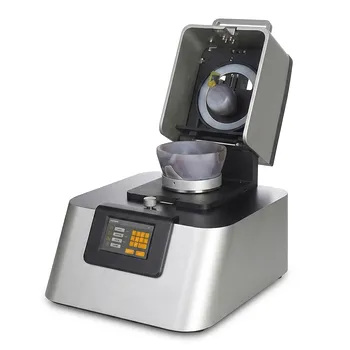
Laboratory Mortar Grinder for Sample Preparation and Cryogenic Powder Homogenization

Low Temperature Laboratory Knife Mill Cryogenic Sample Grinder Material Science Powder Processing
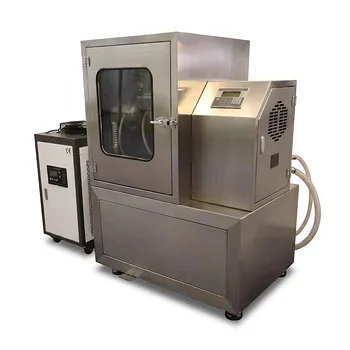
Ultra-Low Temperature Vibratory Mill for Ultrafine Grinding
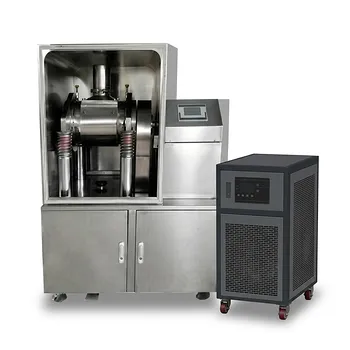
Ultra-low Temperature Vibratory Mill Ultrafine Grinder
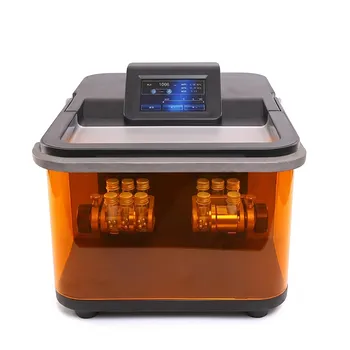
High Throughput Micro Ball Mill for Cryogenic Grinding and Laboratory Cell Disruption