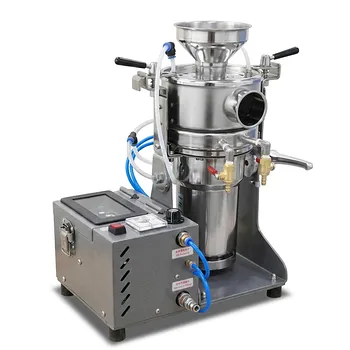
What is the function of a liquid nitrogen cryogenic grinder in the recycling process of permanent magnet materials? Guide
Updated 4 months ago
The primary function of a liquid nitrogen cryogenic grinder in permanent magnet recycling is to induce extreme cold embrittlement, allowing tough waste magnets to be pulverized into fine powder. By maintaining temperatures near -196°C, the system prevents the heat-induced oxidation of magnetic particles and the thermal degradation of polymer binders, ensuring the recycled material retains its original high-performance magnetic properties.
A liquid nitrogen cryogenic grinder uses ultra-low temperatures to transform ductile or tough magnet waste into a brittle state, enabling efficient mechanical crushing. This process is essential for preserving the chemical and magnetic integrity of the materials by eliminating the risks of oxidation and thermal melting associated with standard grinding.
The Mechanism of Cryogenic Pulverization
Achieving Thermomechanical Embrittlement
Every material has a ductile-to-brittle transition temperature (DBTT) or a glass transition temperature. By using liquid nitrogen to reach approximately -196°C, the grinder forces the magnet waste past this point, suppressing molecular mobility. In this state, materials that would normally deform or melt under stress become glass-like and fracture cleanly upon impact.
High-Energy Impact and Fragmentation
Once the material is embrittled, the grinder uses high-energy impacts, shear forces, or high-frequency vibrations to shatter the waste. This mechanical energy converts the solid waste into fine or ultrafine powders with high uniformity. Because the material is brittle, the energy required for size reduction is often lower than what would be needed to "tear" through ductile materials at room temperature.
Maintaining an Inert Atmosphere
The use of liquid nitrogen does more than just cool; it creates a displaced oxygen environment. As the liquid nitrogen evaporates into gas, it blankets the grinding chamber in an inert nitrogen atmosphere. This is critical for permanent magnets, such as Nd-Fe-B, which are highly susceptible to oxidation and combustion when exposed to air in powder form.
Preserving Material Integrity for High-Performance Reuse
Protection of Magnetic Properties
Standard grinding generates significant frictional heat, which can lead to phase changes or oxidation in sensitive magnetic alloys. Cryomilling dissipates this heat instantly, ensuring the resulting powder maintains the original magnetic characteristics. This allows the recycled powder to be used directly in the production of new high-performance bonded magnets.
Preventing Polymer Denaturation
In bonded magnets, the magnetic powder is often encased in a polymer binder. Conventional grinding would cause these polymers to melt, agglomerate, or denature, ruining the composite. The cryogenic environment ensures the polymer remains stable, allowing for the clean separation or co-processing of the magnetic and binder components without chemical degradation.
Enhancing Chemical Reactivity
The process produces powders with a high specific surface area and uniform particle size (often reaching micron levels). This uniformity is vital for downstream processes, such as chemical leaching or solid-state mixing. The high activity of the resulting powder significantly improves the efficiency of the final recycling stages.
Understanding the Trade-offs
Operational Costs and Complexity
The most significant trade-off is the high consumption of liquid nitrogen, which adds to the operational cost per kilogram of processed material. Additionally, the equipment must be constructed from specialized alloys capable of withstanding thermal shock and extreme cold without cracking.
Handling and Safety Requirements
Working with cryogenic fluids requires specialized infrastructure, including vacuum-insulated piping and oxygen monitoring systems to prevent asphyxiation hazards. The complexity of the supply chain for liquid nitrogen can also be a limiting factor for facilities located in remote areas.
Applying Cryogenic Grinding to Your Project
Making the Right Choice for Your Goal
- If your primary focus is recovering high-purity rare earth powders: Cryomilling is the superior choice because the inert nitrogen atmosphere effectively prevents the oxidation that would otherwise degrade the rare earth elements.
- If your primary focus is processing bonded magnets with heat-sensitive binders: Utilize a liquid nitrogen grinder to ensure the polymer binder remains brittle and does not melt or foul the grinding equipment.
- If your primary focus is achieving the smallest possible particle size for leaching: The high-energy impact in a cryogenic state is the most efficient way to reach the micron-sized particles necessary to maximize chemical reaction surfaces.
By leveraging extreme cold to bypass the physical limitations of traditional milling, cryogenic grinding serves as the definitive bridge between magnet waste and high-value recycled raw materials.
Summary Table:
| Key Feature | Mechanism | Impact on Magnet Recycling |
|---|---|---|
| Cryogenic Cooling | Maintains temp at -196°C | Induces embrittlement for clean mechanical fracturing. |
| Inert Atmosphere | Displaces oxygen with N2 gas | Prevents oxidation and combustion of rare earth particles. |
| Thermal Stability | Dissipates frictional heat | Protects magnetic properties and prevents polymer melting. |
| High-Energy Impact | High-frequency fragmentation | Produces uniform, micron-sized powders for chemical reuse. |
Optimize Your Material Recovery with Precision Powder Solutions
At our core, we provide complete laboratory sample preparation solutions tailored for the rigorous demands of material science. Whether you are recycling high-performance magnets or developing new alloys, our specialized equipment ensures maximum material integrity and process efficiency.
Our extensive product lines include:
- Advanced Grinding: Liquid nitrogen cryogenic grinders, jet mills, and planetary ball mills for ultrafine pulverization.
- Size Reduction: Heavy-duty jaw/roll crushers and rotor mills.
- Sieving & Mixing: Precision vibratory/air-jet sieve shakers and high-performance powder/defoaming mixers.
- Material Compaction: A full spectrum of hydraulic presses, including Cold/Warm Isostatic Presses (CIP/WIP), vacuum hot presses, and XRF pellet presses.
Ready to enhance your lab's performance? Partner with us for reliable equipment and expert support.
Contact our experts today to find your perfect solution!
References
- Sameer Kulkarni, M. Paranthaman. Comparative Life Cycle Assessment of Injection Molded and Big Area Additive Manufactured NdFeB Bonded Permanent Magnets. DOI: 10.1115/1.4056489
Mentioned Products
- Liquid Nitrogen Cryogenic Grinder for Plastic and Heat-Sensitive Materials
- Small Liquid Nitrogen Cryogenic Grinder for Ultrafine Grinding of Heat-Sensitive Materials in Laboratories
- Cryogenic Liquid Nitrogen Grinder for DNA Analysis and Polymer Pulverization with Automatic Cooling and Electromagnetic Impact Technology
- Cryogenic Liquid Nitrogen Grinder for Ultrafine Heat-Sensitive Powder Processing
- Small Liquid Nitrogen Cryogenic Grinder with Vibratory Feeder for Laboratory Sample Preparation
People Also Ask
- Why is a liquid nitrogen cryogenic grinder required before DSC? Ensure Accurate Thermal Analysis & Sample Integrity.
- Why is a liquid nitrogen cryogenic grinder necessary for plastic pre-processing? Achieve Precise Co-Pyrolysis Results
- What role does liquid nitrogen cryogenic grinding play in the modification of CNTs? Optimize Nanomaterial Processing
- Why is a laboratory-grade liquid nitrogen cryogenic grinder essential for processing drug-loaded polymer nanofiber mats?
- What is the role of a liquid nitrogen cryogenic grinder in drug-polymer mixing? Achieve Superior Sample Homogeneity

Tech Team · PowderPreparation
Last updated on Jun 03, 2026
Related Products
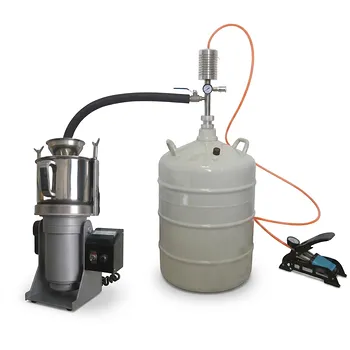
Liquid Nitrogen Cryogenic Grinder for Plastic and Heat-Sensitive Materials
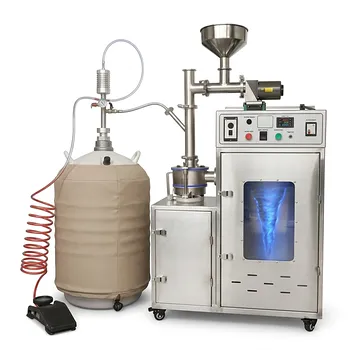
Small Liquid Nitrogen Cryogenic Grinder for Ultrafine Grinding of Heat-Sensitive Materials in Laboratories
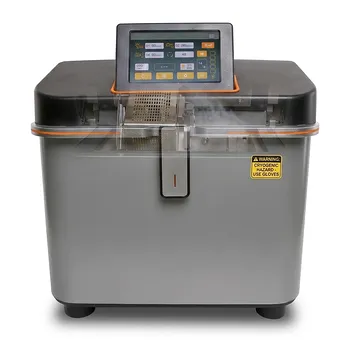
Cryogenic Liquid Nitrogen Grinder for DNA Analysis and Polymer Pulverization with Automatic Cooling and Electromagnetic Impact Technology
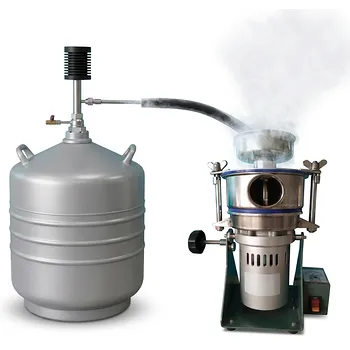
Cryogenic Liquid Nitrogen Grinder for Ultrafine Heat-Sensitive Powder Processing
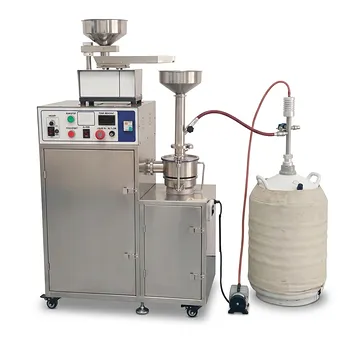
Small Liquid Nitrogen Cryogenic Grinder with Vibratory Feeder for Laboratory Sample Preparation
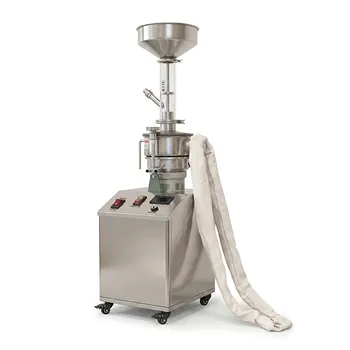
Small Liquid Nitrogen Cryogenic Grinder for Plastic and Heat-Sensitive Material Sample Preparation
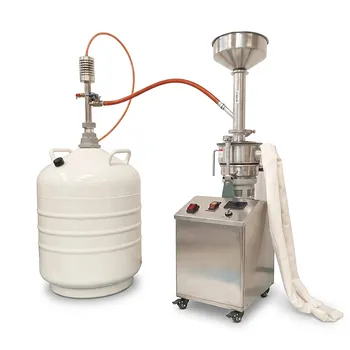
Laboratory Liquid Nitrogen Cryogenic Grinder for Polymer and Elastomer Materials
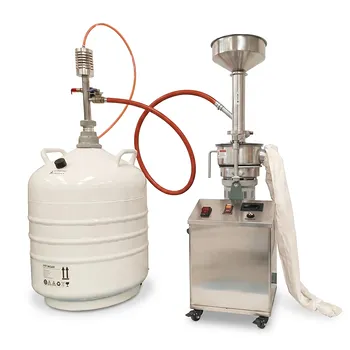
Laboratory Liquid Nitrogen Cryogenic Grinder Polymer Sample Preparation Pulverizer
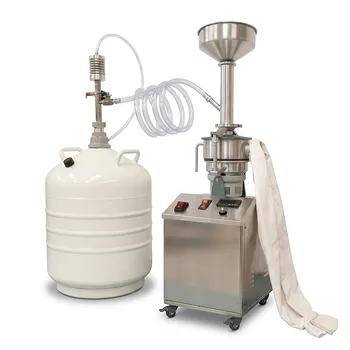
Laboratory Cryogenic Grinder Liquid Nitrogen Low Temperature Ultrafine Grinding
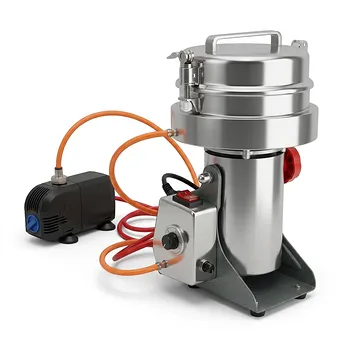
Water Cooled High Speed Grinder with Cryogenic Option for Laboratory Sample Preparation
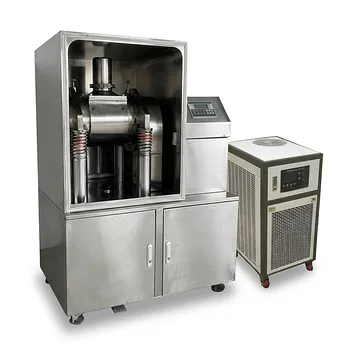
Water Cooled Cryogenic Ultra Fine Cell Wall Breaking Mill
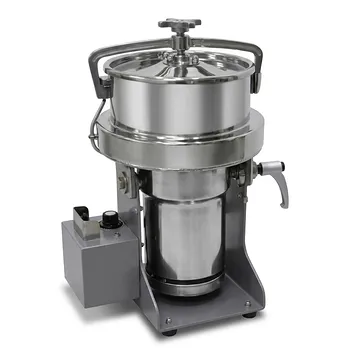
500g Capacity Water Cooled Low Temperature Grinder with Variable Speed and Safety Cover
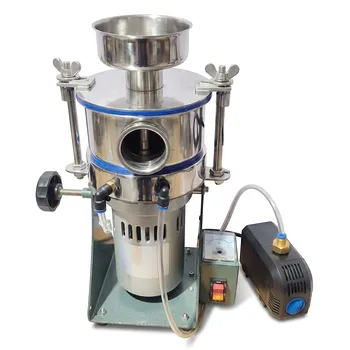
Water Cooled Airflow Ultra Fine Grinder for Low Temperature Material Processing
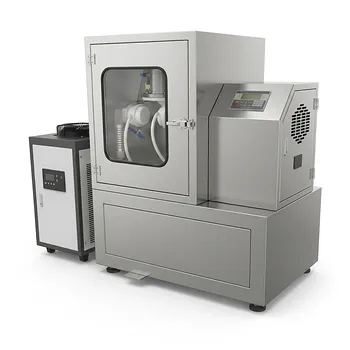
Vibratory Ultra-Low Temperature Ultrafine Grinder for Cryogenic Powder Processing
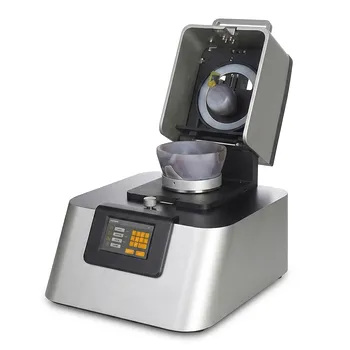
Laboratory Mortar Grinder for Sample Preparation and Cryogenic Powder Homogenization
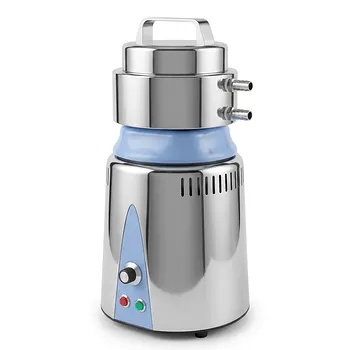
Low Temperature Laboratory Knife Mill Cryogenic Sample Grinder Material Science Powder Processing
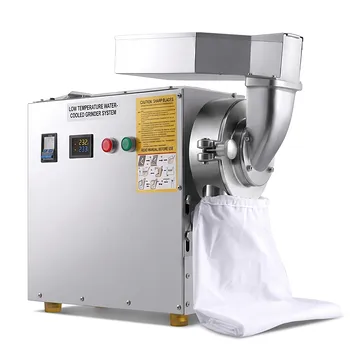
Low Temperature Water Cooled Continuous Feed Grinder Two Stage Coarse and Fine Grinding System
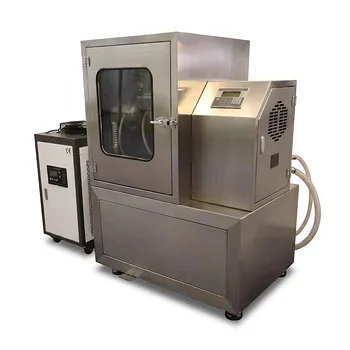
Ultra-Low Temperature Vibratory Mill for Ultrafine Grinding
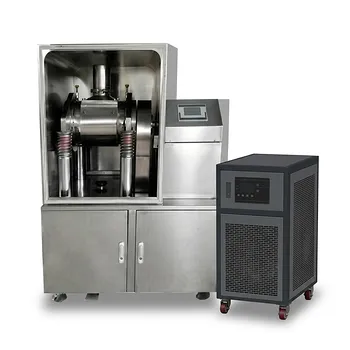
Ultra-low Temperature Vibratory Mill Ultrafine Grinder