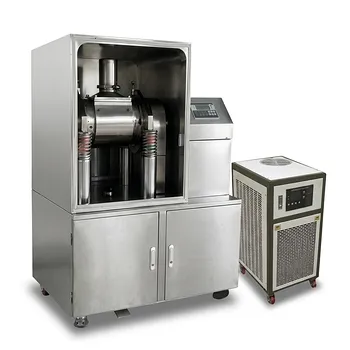
Why is a laboratory high-efficiency vibration mill required for sandstone analysis? Achieve 75μm Fineness & XRF Accuracy
Updated 4 months ago
Preparing sandstone for geochemical analysis requires high-efficiency vibration milling to achieve extreme fineness and homogeneity.
Sandstone samples must be ground to a particle size typically below 75 micrometers to ensure that subsequent X-ray fluorescence (XRF) spectroscopy is accurate. This mechanical preparation eliminates grain size effects and ensures that the chemical composition of the small analytical aliquot is truly representative of the bulk rock.
Geochemical accuracy relies on transforming heterogeneous sandstone into a perfectly uniform powder. Vibration milling is the critical step that ensures consistent element excitation and improves the reproducibility of analytical results.
The Role of Particle Size in Analytical Accuracy
Eliminating Grain Size Effects
In XRF analysis, larger grains can shield certain elements or cause uneven X-ray scattering, leading to biased data. Reducing the sample to less than 75 micrometers (or even 63 micrometers for certain sediments) ensures that the X-ray beam interacts with a smooth, uniform surface.
Increasing Reactive Surface Area
Ultrafine pulverization significantly increases the effective surface area of the sandstone particles. This enhancement allows for more thorough and uniform chemical reactions during subsequent steps, such as ion exchange treatments or acid digestion.
Improving Element Excitation
When particles are uniform and fine, the excitation of elements within the sample becomes more representative. This leads to higher precision in measuring the concentration of both major and trace elements within the sandstone matrix.
Achieving Chemical Homogenization
Ensuring Representative Sampling
Geochemical analysis often uses only a few grams of material to characterize a large rock formation. Vibration milling ensures that the minerals within the sandstone—such as quartz, feldspar, and various cements—are thoroughly blended into a single, consistent powder.
Consistency Across Replicates
High-frequency mechanical vibration ensures that components are completely released from their original mineral structures. This level of homogenization is essential for achieving high reproducibility when multiple sub-samples are analyzed from the same batch.
Minimizing Analytical Interference
Inconsistent grain sizes can interfere with chromatographic or spectroscopic signals. By standardizing the fineness of the powder, researchers can minimize these physical interferences and focus purely on the chemical signatures of the sample.
Understanding the Trade-offs and Limitations
Risk of Cross-Contamination
The high-energy environment of a vibration mill means that material from previous samples can easily be trapped in the grinding media. Meticulous cleaning protocols or "sand-washing" between samples is required to prevent trace element carryover.
Heat Generation and Mineral Alteration
The intense mechanical energy used to pulverize sandstone can generate significant heat. This may lead to the loss of volatile components or the structural alteration of certain clay minerals, which could impact specific types of mineralogical studies.
Equipment Wear and Tear
Grinding hard, abrasive sandstone can cause wear on the mill's grinding bowls and discs. If the grinding media is made of materials like chrome steel or tungsten carbide, small amounts of these metals may be introduced into the sample.
Optimizing Your Sample Preparation Workflow
Before beginning your analysis, consider the specific requirements of your geochemical study to select the appropriate milling parameters.
- If your primary focus is elemental accuracy via XRF: Ensure the vibration mill is set to reach a fineness of at least 75 micrometers to prevent grain-shielding effects.
- If your primary focus is mineralogical integrity: Monitor the milling duration to prevent excessive heat buildup that could dehydrate or alter sensitive clay minerals.
- If your primary focus is trace element analysis: Utilize agate or high-purity alumina grinding sets to minimize contamination from heavy metals.
Mastering the homogenization of sandstone through high-efficiency milling is the most effective way to ensure the integrity of your geochemical data.
Summary Table:
| Key Requirement | Impact on Geochemical Analysis | Role of High-Efficiency Vibration Milling |
|---|---|---|
| Particle Fineness | Target size <75μm required for XRF | Eliminates grain-shielding and uneven X-ray scattering |
| Homogenization | Representative chemical profiling | Blends quartz, feldspar, and cements into a uniform powder |
| Surface Area | Enhanced reactive surface | Increases element excitation and ensures efficient acid digestion |
| Consistency | High reproducibility across replicates | Standardizes particle size to minimize analytical interference |
Optimize Your Geochemical Workflow with Expert Sample Prep
Precise geochemical data starts with perfect sample homogenization. At [Brand Name], we provide complete laboratory sample preparation solutions for material science, specializing in high-performance powder processing and compaction equipment.
Whether you are preparing sandstone for XRF analysis or mineralogical studies, our extensive line of equipment ensures your results are accurate and reproducible. Our solutions include:
- Milling & Grinding: High-efficiency vibration mills, planetary ball mills, jet mills, and cryogenic grinders.
- Crushing & Sieving: Jaw/roll crushers and vibratory/air-jet sieve shakers.
- Pressing & Compaction: A full spectrum of hydraulic presses, including Cold/Warm Isostatic Presses (CIP/WIP), XRF pellet presses, and vacuum hot presses.
- Mixing: Powder mixers and defoaming mixers for total consistency.
Don't let inconsistent grain sizes compromise your analytical integrity. Contact our technical team today to find the ideal milling and pressing solution for your lab’s specific sandstone analysis requirements!
References
- Eric Enzula Bayari, Jude Simons Bayor. Tamale sandstone petrology and engineering properties as suitable coarse aggregate in concrete production. DOI: 10.1007/s44288-025-00290-8
Mentioned Products
- Single Tank High Energy Vibratory Ball Mill for Laboratory Grinding and Mixing
- Nanoscale High-Energy Vibratory Ball Mill for Laboratory Sample Preparation, Mechanochemistry, and Mechanical Alloying
- Nano High Energy Vibratory Ball Mill for Laboratory Sample Preparation
- High Energy Hybrid Vibratory Ball Mill for Grinding Mixing and Cell Disruption
- Vibratory Disc Mill for Rapid Fine Grinding and High Throughput Sample Preparation of Hard and Brittle Materials
People Also Ask
- What is the primary purpose of using a vibratory ball mill in the preparation of respirable carbon fiber fragments?
- What is the purpose of using a vibratory ball mill for Al-Ni-Fe alloy ribbons? Achieve High Catalytic Activity
- Why is a vibratory ball mill preferred over a planetary ball mill for rapid powder particle refinement? High-Speed Impact
- How does a high-energy vibratory ball mill improve the performance of MgH2? Optimize Hydrogen Storage Kinetics
- What role do high-energy ball mills play in the preparation of reinforcements for hybrid metal matrix composites?

Tech Team · PowderPreparation
Last updated on Jun 03, 2026
Related Products
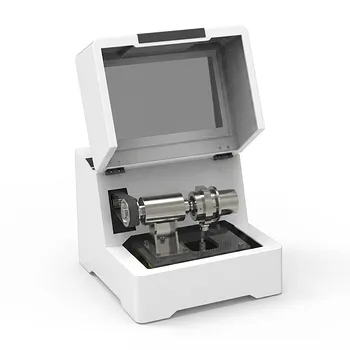
Single Tank High Energy Vibratory Ball Mill for Laboratory Grinding and Mixing
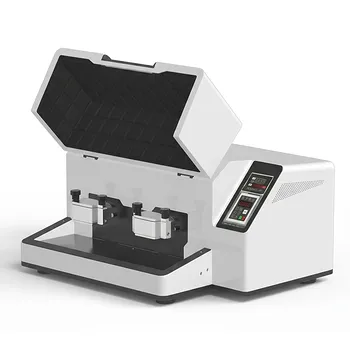
Nanoscale High-Energy Vibratory Ball Mill for Laboratory Sample Preparation, Mechanochemistry, and Mechanical Alloying
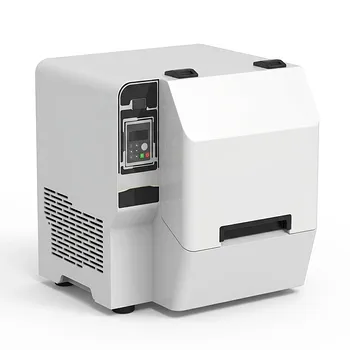
Nano High Energy Vibratory Ball Mill for Laboratory Sample Preparation
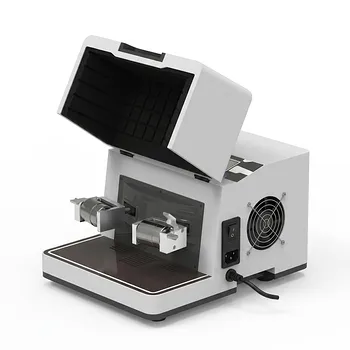
High Energy Hybrid Vibratory Ball Mill for Grinding Mixing and Cell Disruption
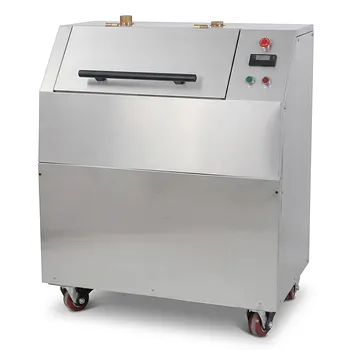
Vibratory Disc Mill for Rapid Fine Grinding and High Throughput Sample Preparation of Hard and Brittle Materials
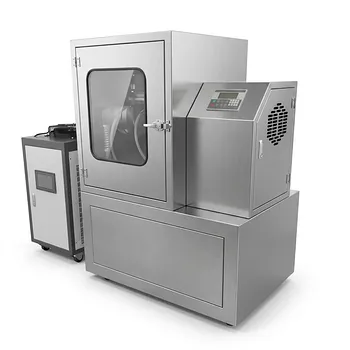
Vibratory Superfine Grinder for Ultra Fine Laboratory Powder Milling
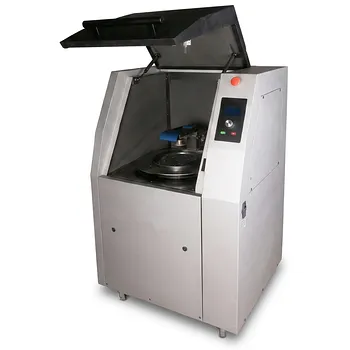
High Speed Vibratory Disc Mill for Spectral Analysis Sample Preparation and Rapid Powder Grinding
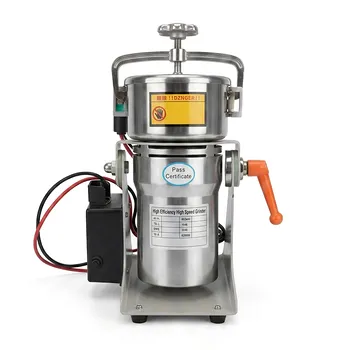
High Efficiency High Speed Grinder Laboratory Mill 1300W 25000rpm
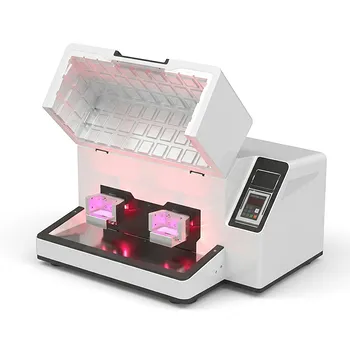
Nano High Energy Vibratory Ball Mill with Heating and Temperature Control
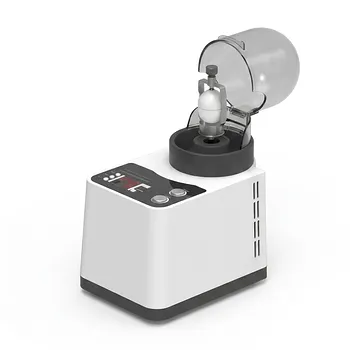
Laboratory Micro Vibration Grinding Mill for Trace Sample Preparation
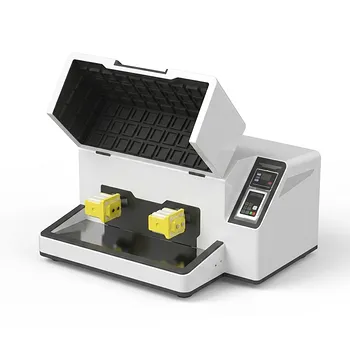
Multi-Platform Nanoscale High-Energy Vibratory Ball Mill
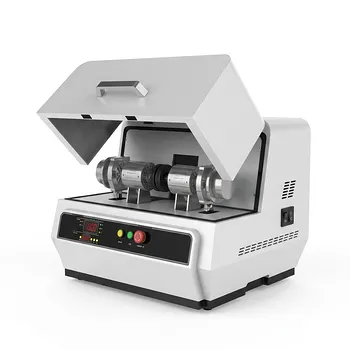
Dual Jar High Energy Vibratory Ball Mill
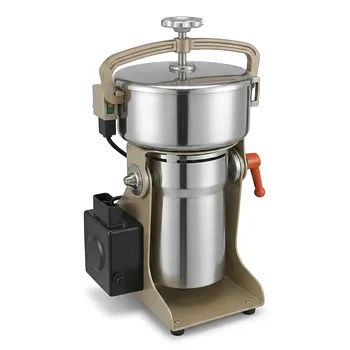
Multifunctional High Efficiency High Speed Laboratory Grinder
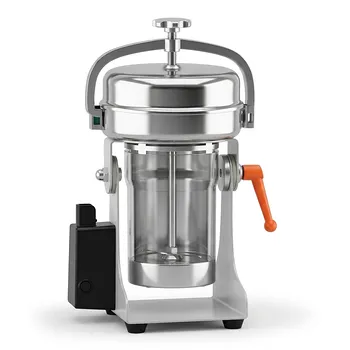
High Efficiency High Speed Grinder 2200W 25000 RPM Laboratory Sample Preparation
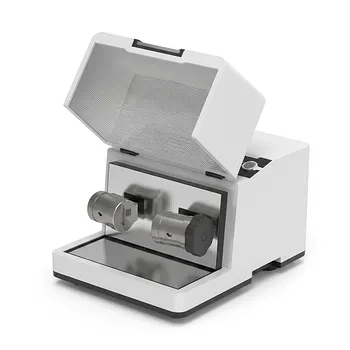
Heating Temperature Controlled High Energy Vibratory Ball Mill
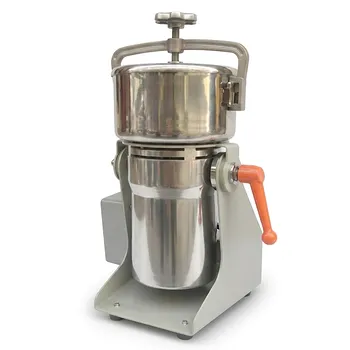
High Speed Laboratory Grinder Efficient Stainless Steel Powder Pulverizer Universal Material Science Mill for Sample Preparation
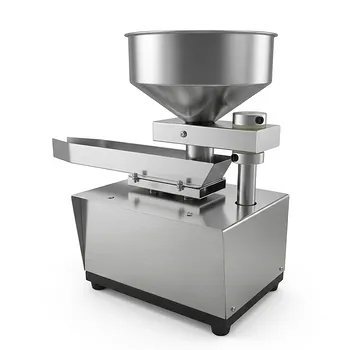
Automatic Vibrating Powder Feeder for Laboratory Material Processing Precision Vibratory Hopper Feeder for Granular and Powder Material Handling Industrial Grade Vibrating Tray Feeder for Consistent Material Sample Preparation
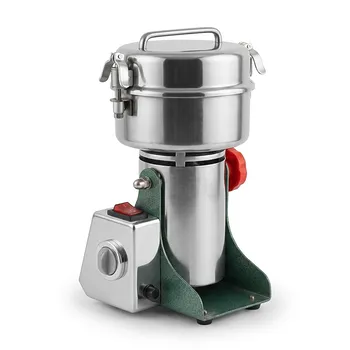
Small High-Speed Swing Grinder for Laboratory Sample Preparation
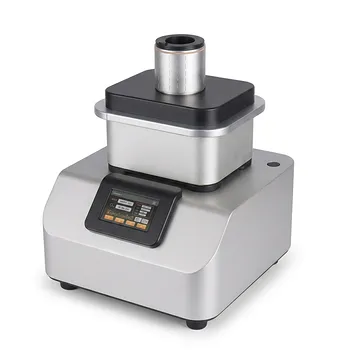
Ultra Centrifugal Mill High Speed Laboratory Grinder for Fibrous and Brittle Sample Preparation