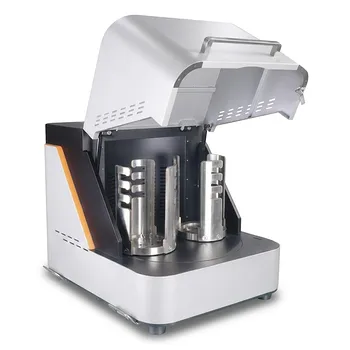
What is the purpose of using a vibratory ball mill for Al-Ni-Fe alloy ribbons? Achieve High Catalytic Activity
Updated 5 months ago
The primary purpose of using a vibratory ball mill for melt-spun Al-Ni-Fe alloy ribbons is to pulverize the brittle material into a micron-scale powder. This process utilizes high-frequency mechanical vibrations to significantly increase the material's specific surface area. By reducing the ribbon size to fine particles, the mill transforms the alloy into a high-activity catalyst suitable for industrial chemical reactions.
A vibratory ball mill efficiently converts brittle alloy ribbons into fine powders by utilizing high-frequency impacts, which maximizes the available surface area for catalytic active sites. This mechanical pre-treatment is essential for ensuring particle uniformity and preparing the material for advanced structural refinement.
Enhancing Catalytic Functionality
Increasing Specific Surface Area
Melt-spun ribbons, while structurally advanced, have a relatively low surface-area-to-volume ratio in their initial form. Pulverization into micron-scale powders dramatically expands the exposed surface of the Al-Ni-Fe alloy.
This expansion is critical for catalysis, as the reaction rate is often directly proportional to the available surface area.
Creating Active Sites
The high-frequency collisions within the mill do more than just break the material; they introduce mechanical defects and dislocations. These irregularities serve as additional active sites where catalytic reactions can occur more readily.
By transforming the macro-scale ribbon into a fine powder, you ensure the material's chemical potential is fully accessible.
Mechanical Efficiency in Size Reduction
High-Frequency Impact Energy
Vibratory mills operate by subjecting the grinding media and the alloy ribbons to intense, high-frequency vibrations. This method is significantly more efficient than standard crushing equipment for brittle materials.
The rapid collisions ensure that the energy is concentrated on fracturing the ribbons rather than just moving them.
Processing Brittle Alloy Ribbons
Melt-spun Al-Ni-Fe alloys are often characterized by their brittleness, a result of the rapid solidification process. This physical property makes them ideal candidates for vibratory milling, as they fracture easily under impact.
The mill exploits this brittleness to achieve a fine, micrometer-scale powder with relatively low energy consumption compared to milling ductile materials.
Strategic Pre-Treatment for Advanced Synthesis
Ensuring Particle Uniformity
One of the key advantages of this milling process is the production of a uniform initial particle size. This consistency is vital if the powder is intended for secondary processing, such as cryogenic milling or spark plasma sintering.
Uniformity ensures that subsequent phase transformations or nanostructuring occur evenly across the entire batch of material.
Preparing for Higher-Energy Processes
In complex manufacturing workflows, the vibratory mill acts as a critical pre-refinement step. It prepares the bulk ribbons for higher-energy environments where nanostructuring or "structural rejuvenation" takes place.
Starting with a refined powder prevents equipment clogs and ensures the high-energy stages can focus on internal structural evolution rather than simple size reduction.
Understanding the Trade-offs
Heat Accumulation and Phase Stability
High-frequency impacts naturally generate thermal energy, which can lead to unwanted heat accumulation. If the temperature rises too high, it may trigger premature phase precipitation or the loss of the "rapid solidification" characteristics inherent in the original ribbon.
Careful monitoring or cooling intervals may be required to preserve the alloy's specific metastable state.
Potential for Material Contamination
Because the process involves constant collisions between the grinding media and the alloy, there is a risk of impurities leaching from the balls or the mill lining. This is particularly concerning if the Al-Ni-Fe powder is intended for high-purity catalytic applications.
Selecting chemically inert or ultra-hard grinding media, such as zirconia or hardened steel, is necessary to mitigate this risk.
Challenges with Ductility
If the Al-Ni-Fe alloy composition leans toward a more ductile state, the ribbons may undergo plastic deformation and "smear" rather than fracture. In such cases, room-temperature vibratory milling becomes inefficient, leading to adhesion on the mill walls.
For ductile variations, specialized environments—such as liquid nitrogen cooling—may be required to induce the necessary embrittlement.
How to Apply This to Your Project
Making the Right Choice for Your Goal
- If your primary focus is maximizing catalytic activity: Use the vibratory mill to achieve the smallest possible micron-scale particle size to maximize active sites.
- If your primary focus is further nanostructuring: Utilize this milling stage specifically as a pre-treatment to ensure a uniform feed for subsequent high-energy or cryogenic milling.
- If your primary focus is preserving metastable phases: Monitor the milling duration and temperature closely to prevent the thermal energy from causing unwanted crystallization or phase shifts.
The vibratory ball mill is the essential bridge between the raw, rapidly solidified ribbon and a functional, high-performance powder catalyst.
Summary Table:
| Key Feature | Benefit for Al-Ni-Fe Alloys | Catalytic Impact |
|---|---|---|
| High-Frequency Impact | Efficiently pulverizes brittle ribbons | Creates micron-scale reactive powders |
| Surface Expansion | Increases surface-area-to-volume ratio | Maximizes active sites for reactions |
| Mechanical Defects | Introduces dislocations & irregularities | Enhances chemical potential and activity |
| Particle Uniformity | Ensures consistent initial particle size | Optimizes secondary sintering or milling |
Optimize Your Material Synthesis with Professional Preparation Solutions
Unlock the full potential of your Al-Ni-Fe alloys with precision equipment designed for material science. At our core, we provide complete laboratory sample preparation solutions, specializing in high-performance powder processing and compaction equipment.
Whether you are aiming to maximize catalytic activity or achieve advanced structural refinement, our extensive product lines support every stage of your workflow:
- Size Reduction: High-efficiency crushers (jaw/roll), liquid nitrogen cryogenic grinders, and specialized mills (planetary ball, jet, disc, rotor).
- Classification & Mixing: Vibratory/air-jet sieve shakers and advanced powder/defoaming mixers.
- Advanced Compaction: A full spectrum of hydraulic presses, including Cold/Warm Isostatic Presses (CIP/WIP), XRF pellet presses, and vacuum hot presses.
Ready to enhance your lab's efficiency and material performance? Contact our experts today to find the ideal solution for your specific research or production needs!
References
- Amelia Zięba, Lidia Lityńska‐Dobrzyńska. Microstructure and Catalytic Properties of Al-Ni-Fe Alloys in the Form of Melt-Spun Ribbons. DOI: 10.24425/amm.2025.153474
Mentioned Products
- Single Tank High Energy Vibratory Ball Mill for Laboratory Grinding and Mixing
- Nano High Energy Vibratory Ball Mill for Laboratory Sample Preparation
- Nano High Energy Vibratory Ball Mill with Heating and Temperature Control
- Heating Temperature Controlled High Energy Vibratory Ball Mill
- High Energy Hybrid Vibratory Ball Mill for Grinding Mixing and Cell Disruption
People Also Ask
- What is the primary purpose of using a vibratory ball mill in the preparation of respirable carbon fiber fragments?
- Why is a vibratory ball mill preferred over a planetary ball mill for rapid powder particle refinement? High-Speed Impact
- How does a high-energy vibratory ball mill improve the performance of MgH2? Optimize Hydrogen Storage Kinetics
- What role do high-energy ball mills play in the preparation of reinforcements for hybrid metal matrix composites?
- What role does a laboratory ball mill serve in the Berry and Bruce modified Bond method? Standardizing Ore Analysis

Tech Team · PowderPreparation
Last updated on May 14, 2026
Related Products
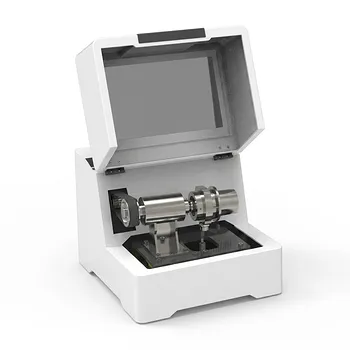
Single Tank High Energy Vibratory Ball Mill for Laboratory Grinding and Mixing
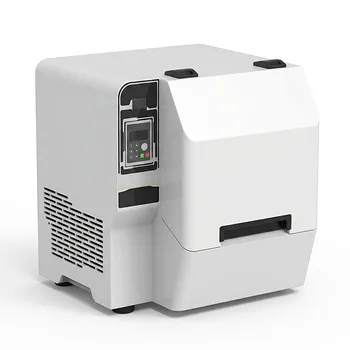
Nano High Energy Vibratory Ball Mill for Laboratory Sample Preparation
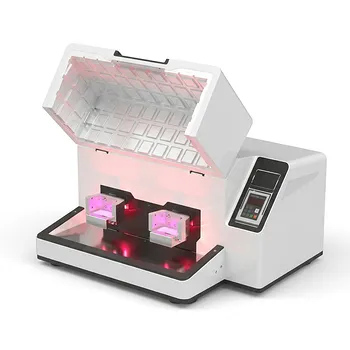
Nano High Energy Vibratory Ball Mill with Heating and Temperature Control
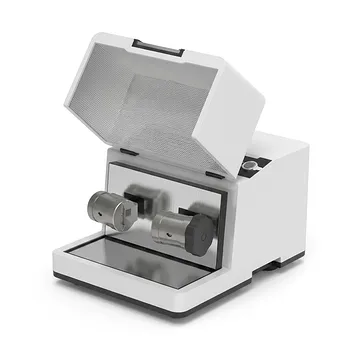
Heating Temperature Controlled High Energy Vibratory Ball Mill
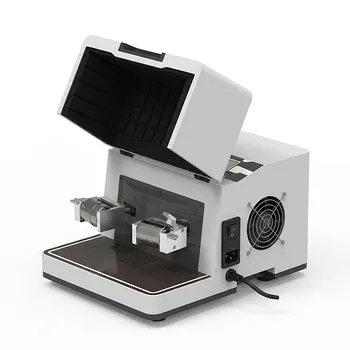
High Energy Hybrid Vibratory Ball Mill for Grinding Mixing and Cell Disruption
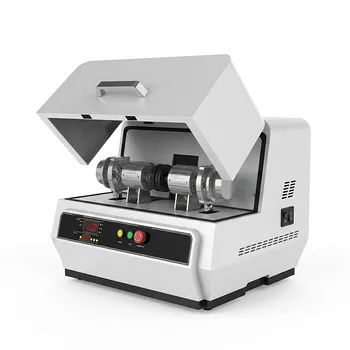
Dual Jar High Energy Vibratory Ball Mill
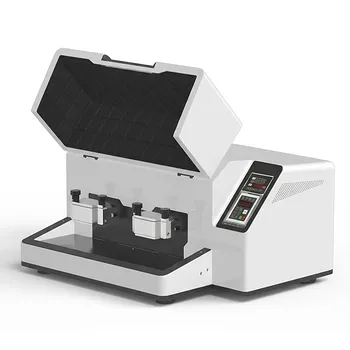
Nanoscale High-Energy Vibratory Ball Mill for Laboratory Sample Preparation, Mechanochemistry, and Mechanical Alloying
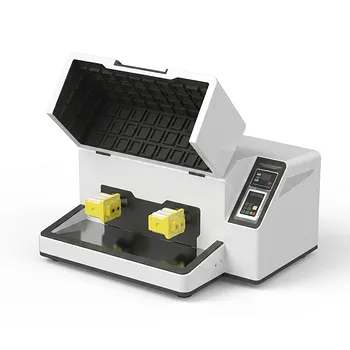
Multi-Platform Nanoscale High-Energy Vibratory Ball Mill
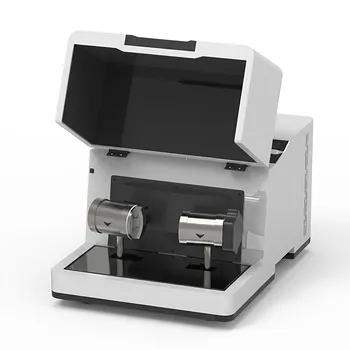
Ultra-Low Temperature Cryogenic High-Energy Vibratory Ball Mill
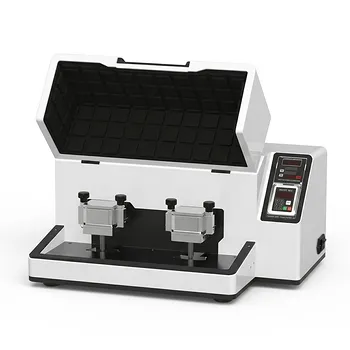
Nanoscale High Energy Vibratory Ball Mill Low Temperature
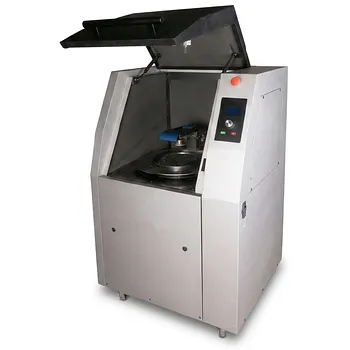
High Speed Vibratory Disc Mill for Spectral Analysis Sample Preparation and Rapid Powder Grinding
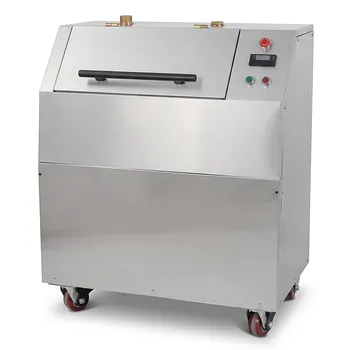
Vibratory Disc Mill for Rapid Fine Grinding and High Throughput Sample Preparation of Hard and Brittle Materials
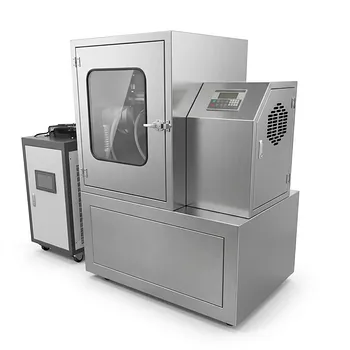
Vibratory Superfine Grinder for Ultra Fine Laboratory Powder Milling
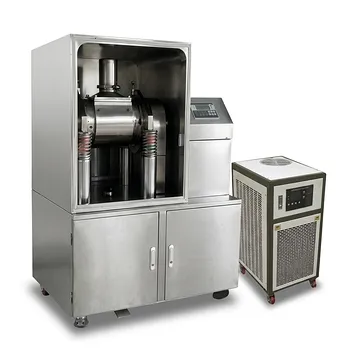
Small Vibrating Ultrafine Grinder for Traditional Chinese Medicine

Vertical Square Planetary Ball Mill for Laboratory Sample Preparation and Nanoscale Grinding
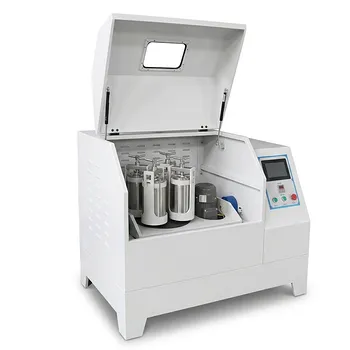
360° Rotating Omnidirectional Laboratory Planetary Ball Mill for Homogeneous Ultra-Fine Grinding and Mixing
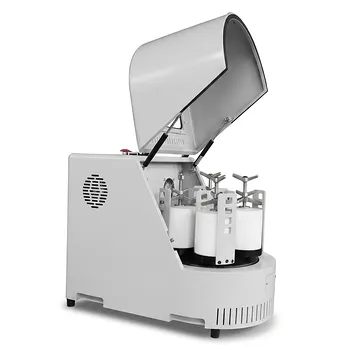
Vertical Semi Circular Planetary Ball Mill for Laboratory Precision Grinding

Miniature Planetary Ball Mill with Vacuum Grinding and High Efficiency for Laboratory Sample Preparation

High Energy Laboratory Planetary Ball Mill for Nano Grinding and Material Science Sample Preparation