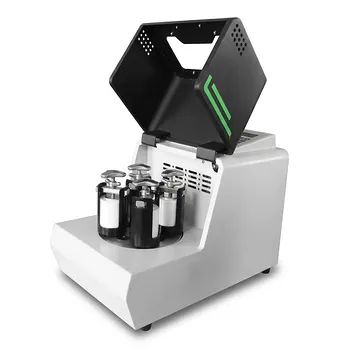
Why Is High-Energy Ball Milling Preferred for Iron Tailings Activation? Unlocking Mechanochemical Reactivity
Updated 4 months ago
High-energy ball milling is preferred for iron tailings because it provides the extreme energy density necessary to trigger chemical transformations, rather than just physical size reduction. While ordinary grinding merely increases surface area, high-energy environments—such as those created by planetary or vibratory mills—deliver enough force to destroy Si-O and Al-O bonds within the minerals. This process converts inert aluminosilicate components into "active" substances that can participate in the chemical reactions required for cement and concrete production.
Core Takeaway: High-energy ball milling is a "mechanochemical" process that uses intense impact and shear to induce lattice distortion and amorphization. It is the only way to effectively lower the activation energy of iron tailings, making them reactive enough for use in alkaline cement environments.
The Limitation of Ordinary Grinding
Surface Area vs. Structural Activation
Ordinary grinding is primarily a mechanical process focused on reducing coarse particles to finer ones to increase total surface area. While smaller particles are helpful, size reduction alone cannot overcome the chemical inertia of the minerals found in iron tailings.
The Threshold of Energy Density
Standard mills lack the kinetic energy to disturb the internal crystal structure of the material. Without reaching a specific energy density threshold, the aluminosilicate minerals remain crystalline and non-reactive, regardless of how long they are ground.
Mechanisms of High-Energy Activation
Breaking Si-O and Al-O Bonds
High-energy environments, typically provided by planetary operation modes, offer the extreme forces required for particle exfoliation. These forces are strong enough to physically rupture the strong covalent bonds between silicon, aluminum, and oxygen.
Inducing Lattice Distortion and Amorphization
Continuous high-frequency impacts from grinding media cause permanent lattice defects and structural irregularities. In many cases, this leads to amorphization, where a highly ordered crystalline mineral is transformed into a disordered, high-energy state that is much more chemically reactive.
Localized Thermal and Pressure Spikes
Vibratory and planetary mills generate "pulse-like" energy inputs that produce instantaneous temperatures and pressures far exceeding those of conventional mills. These microsecond-scale events trigger chemical reactions and plastic flow at the contact points of the powder, effectively acting as a low-temperature catalyst for solid-phase synthesis.
Understanding the Trade-offs and Pitfalls
Energy Consumption vs. Reactivity
The primary trade-off of high-energy milling is the high power requirement compared to traditional ball mills. While the processing time is significantly shorter, the cost of electricity and specialized equipment must be balanced against the increased value of the activated tailings.
Equipment Wear and Contamination
The use of high-strength steel grinding balls and high-speed oscillation leads to significant mechanical stress on the machinery. If not monitored, the intense friction can lead to the wear of the milling jars and media, which may introduce iron impurities into the tailings mixture.
Over-Milling and Agglomeration
There is a point of diminishing returns where particles become so fine that they begin to re-agglomerate due to high surface energy. Excessive milling can lead to a reduction in effective reactivity and waste energy without providing further chemical benefits.
How to Apply This to Your Project
When selecting a milling strategy for iron tailings activation, your choice should depend on the specific chemical requirements of your final product.
- If your primary focus is maximizing pozzolanic reactivity: Utilize a planetary ball mill to ensure the destruction of Si-O bonds and achieve a high degree of amorphization.
- If your primary focus is high-throughput production: Opt for a high-energy vibratory mill, which utilizes resonance and high-frequency impacts to shorten the synthesis cycle.
- If your primary focus is sub-micron particle distribution: Ensure the use of high-density steel media to provide the necessary impact velocity and strain rate for nanometer-scale refinement.
The transition from ordinary grinding to high-energy mechanochemical activation is the critical step in turning industrial waste into a high-performance construction material.
Summary Table:
| Feature | Ordinary Grinding | High-Energy Ball Milling |
|---|---|---|
| Primary Goal | Physical size reduction | Mechanochemical activation |
| Structural Impact | Increases surface area | Breaks Si-O & Al-O bonds |
| Crystal State | Remains crystalline/inert | Induces amorphization |
| Energy Density | Low kinetic energy | High-impact energy density |
| Final Outcome | Fine but inert powder | High-reactivity cement additive |
Transform Your Material Research with High-Performance Preparation Tools
Turning industrial waste like iron tailings into valuable construction materials requires more than just standard grinding—it requires precision engineering. At [Brand Name], we provide complete laboratory sample preparation solutions specifically designed for material science and powder processing.
Our extensive range of equipment empowers researchers to achieve the exact mechanochemical states needed for innovation:
- Advanced Milling: Planetary ball mills, jet mills, and high-energy vibratory mills for superior activation.
- Sample Refinement: Jaw/roll crushers, cryogenic grinders, and precision sieve shakers (vibratory/air-jet).
- Compaction & Synthesis: A full spectrum of hydraulic presses, including Cold/Warm Isostatic Presses (CIP/WIP), vacuum hot presses, and XRF pellet presses.
- Homogenization: High-efficiency powder and defoaming mixers.
Whether you are a researcher aiming for high pozzolanic reactivity or a distributor looking for reliable OEM/ODM support and certified equipment, we have the expertise to scale your success.
Contact our technical team today to optimize your milling process!
References
- Ilda Tole, Andrzej Ćwirzeń. Revalorization of Swedish Iron Ore Mine Tailings as Supplementary Cementitious Material through Mechanochemical Activation. DOI: 10.1061/jmcee7.mteng-19878
Mentioned Products
- High Energy Planetary Ball Mill for Nano Scale Grinding and Mechanical Alloying
- High Energy Hybrid Vibratory Ball Mill for Grinding Mixing and Cell Disruption
- High Energy Laboratory Planetary Ball Mill for Nano Grinding and Material Science Sample Preparation
- High Energy Omnidirectional Planetary Ball Mill 16L
- Ultra-Low Temperature Cryogenic High-Energy Vibratory Ball Mill
People Also Ask
- Why is a high-energy planetary ball mill used for nano-milling As4Se3? Achieve Expert Structural Transformation
- What role do high-energy planetary ball mills play in FDM composite filament preparation? Optimize Material Performance
- What is the role of a high-energy planetary ball mill in the exfoliation of modified WSe2? Achieve Nano-Precision
- What is the function of a planetary ball mill in glass-ceramic sintering? Optimize Reactivity and Uniformity
- What is the role of a high-energy planetary ball mill in the preparation of high-performance nano-ceramics? Key Guide

Tech Team · PowderPreparation
Last updated on Jun 03, 2026
Related Products
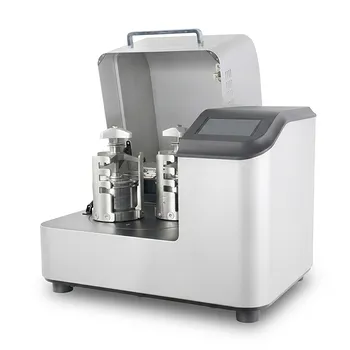
High Energy Planetary Ball Mill for Nano Scale Grinding and Mechanical Alloying

High Energy Hybrid Vibratory Ball Mill for Grinding Mixing and Cell Disruption
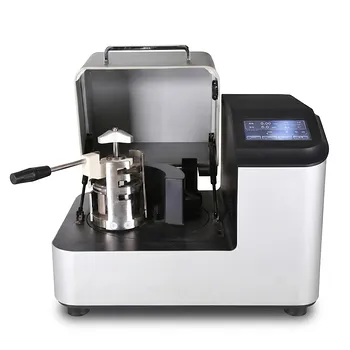
High Energy Laboratory Planetary Ball Mill for Nano Grinding and Material Science Sample Preparation
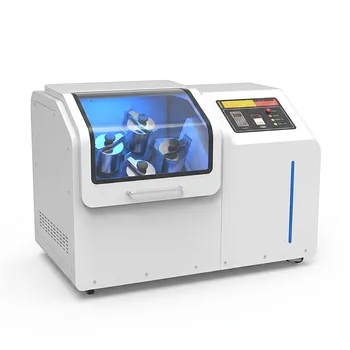
High Energy Omnidirectional Planetary Ball Mill 16L
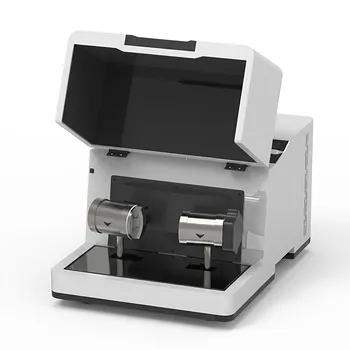
Ultra-Low Temperature Cryogenic High-Energy Vibratory Ball Mill
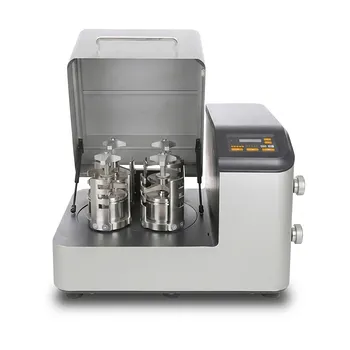
High Energy Planetary Ball Mill for Nano Scale Grinding and Colloidal Mixing in Material Science Research

Nano High Energy Vibratory Ball Mill with Heating and Temperature Control
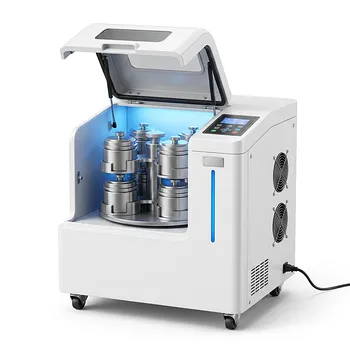
High Energy Omnidirectional Planetary Ball Mill 20L
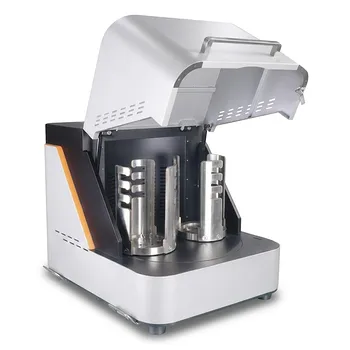
High Energy Laboratory Planetary Ball Mill for Nano Grinding and Colloidal Mixing of Hard and Brittle Materials
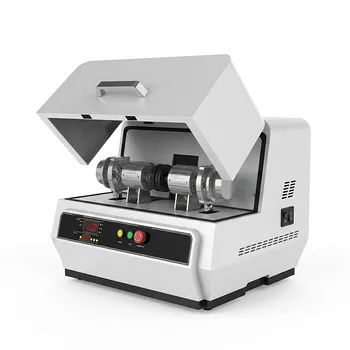
Dual Jar High Energy Vibratory Ball Mill

Multi-Platform Nanoscale High-Energy Vibratory Ball Mill
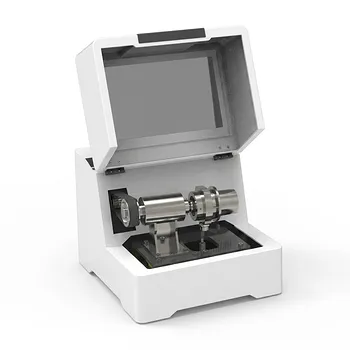
Single Tank High Energy Vibratory Ball Mill for Laboratory Grinding and Mixing
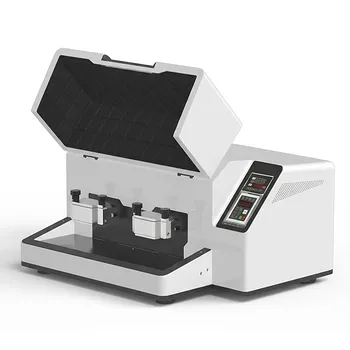
Nanoscale High-Energy Vibratory Ball Mill for Laboratory Sample Preparation, Mechanochemistry, and Mechanical Alloying

Heating Temperature Controlled High Energy Vibratory Ball Mill

Nano High Energy Vibratory Ball Mill for Laboratory Sample Preparation
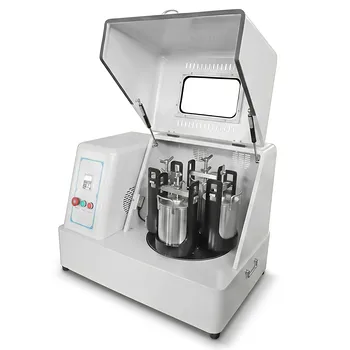
Vertical Square Planetary Ball Mill for Laboratory Sample Preparation and Nanoscale Grinding
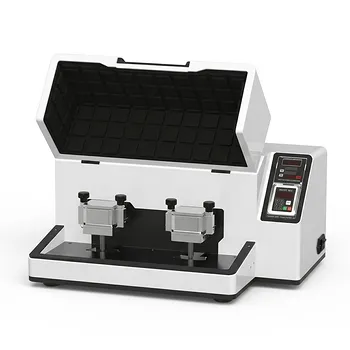
Nanoscale High Energy Vibratory Ball Mill Low Temperature

8L Planetary Ball Mill for Laboratory Grinding and Sample Preparation
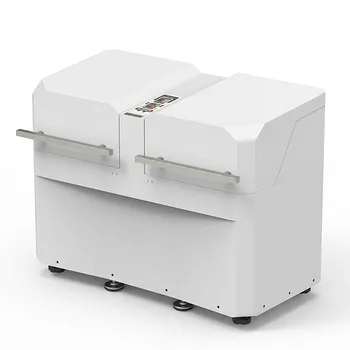
Dual Station Planetary Ball Mill 24L