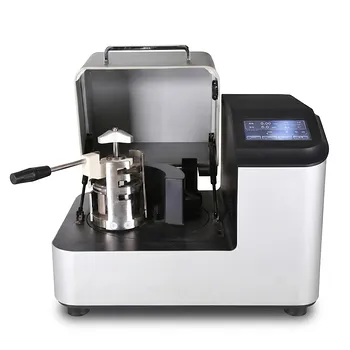
What is the role of a micro-vibratory ball mill in bio-glass prep? Optimize Ion Release & Surface Area Analysis
Updated 5 months ago
The micro-vibratory ball mill is the primary tool for converting bulk sol-gel phosphate glass into micron-sized powders. It utilizes high-frequency reciprocating vibration to apply intense impact forces, rapidly reducing large material blocks into particles with the high specific surface area required for precise ion release experiments.
The micro-vibratory ball mill serves as the critical bridge between bulk material synthesis and experimental analysis. By maximizing specific surface area through rapid crushing, it enables the accurate measurement of degradation rates and ion release kinetics essential for characterizing bioabsorbable glasses.
Transforming Bulk Solids into Experimental Powders
High-Frequency Impact Crushing
The micro-vibratory ball mill operates through high-frequency reciprocating vibration. Unlike traditional rotary mills, this mechanism focuses energy into rapid, repeated impacts that shatter brittle sol-gel glass structures efficiently.
Rapid Micron-Scale Reduction
The primary objective of this process is the rapid pulverization of bulk glass. By adjusting the grinding duration and vibration frequency, researchers can achieve a consistent micron-level particle size distribution suitable for biological testing.
Facilitating Precise Ion Release Measurement
Maximizing Specific Surface Area
In bioabsorbable glass research, the specific surface area is the most significant variable affecting reactivity. The mill increases the area exposed to the solvent, ensuring that ion release is not limited by a lack of reactive sites.
Determining Degradation Kinetics
Precise measurement of degradation rates requires a uniform powder. The micro-vibratory mill provides the particle consistency necessary to ensure that experimental data reflects the material's chemical properties rather than variations in particle size.
Understanding the Trade-offs and Limitations
Heat Accumulation and Material Integrity
High-energy grinding can lead to heat accumulation, which may inadvertently alter the glass's properties or cause premature degradation. In some cases, wet grinding or cooling intervals are necessary to maintain the material's bioabsorbable characteristics.
Particle Size Distribution Challenges
While the mill is effective at crushing, achieving a perfectly narrow particle size distribution requires careful calibration. Over-grinding can lead to the formation of nanoparticles that may behave differently in ion release experiments compared to the intended micron-sized particles.
Applying This Technology to Your Research
To achieve the best results in your ion release experiments, consider the following recommendations based on your specific research goals:
- If your primary focus is accurate degradation modeling: Prioritize achieving a high and consistent specific surface area to ensure that ion release data is reproducible across different batches.
- If your primary focus is maintaining chemical purity: Use grinding media of the same material as the glass or high-hardness ceramics to minimize contamination during the high-frequency impact process.
- If your primary focus is preventing phase transitions: Monitor the temperature during the milling process and consider short, pulsed vibration cycles to avoid thermal alteration of the phosphate glass structure.
The micro-vibratory ball mill is an essential instrument for turning raw bioabsorbable glass into a viable, measurable experimental medium.
Summary Table:
| Feature | Impact on Bio-Glass Preparation |
|---|---|
| Mechanism | High-frequency reciprocating vibration for rapid crushing |
| Particle Size | Efficient reduction to micron-scale for biological testing |
| Surface Area | Maximizes reactive sites essential for ion release accuracy |
| Kinetics | Enables precise measurement of material degradation rates |
| Control | Minimizes contamination and manages thermal accumulation |
Achieve Precision in Your Material Science Research
At [Your Brand Name], we specialize in providing complete laboratory sample preparation solutions designed to meet the rigorous demands of material science and bio-engineering. Whether you are preparing bioabsorbable phosphate glasses or advanced ceramics, our equipment ensures the particle consistency and purity your research requires.
Our extensive product range includes:
- Advanced Milling: Micro-vibratory mills, planetary ball mills, jet mills, rotor mills, and cryogenic grinders for heat-sensitive samples.
- Crushing & Sieving: High-performance jaw/roll crushers and vibratory/air-jet sieve shakers.
- Powder Handling: Precision powder mixers and vacuum defoaming mixers.
- Compaction Excellence: A full spectrum of hydraulic presses, including Cold/Warm Isostatic Presses (CIP/WIP), XRF pellet presses, and vacuum hot presses.
Ready to enhance your lab's efficiency and data reproducibility? Contact our technical team today to discuss the ideal configuration for your specific powder processing needs!
References
- Farzad Foroutan, Jonathan C. Knowles. Novel sol–gel preparation of (P2O5)0.4–(CaO)0.25–(Na2O)X–(TiO2)(0.35−X) bioresorbable glasses (X = 0.05, 0.1, and 0.15). DOI: 10.1007/s10971-014-3555-6
Mentioned Products
- Laboratory Micro Vibration Grinding Mill for Trace Sample Preparation
- Single Tank High Energy Vibratory Ball Mill for Laboratory Grinding and Mixing
- Nanoscale High-Energy Vibratory Ball Mill for Laboratory Sample Preparation, Mechanochemistry, and Mechanical Alloying
- Nano High Energy Vibratory Ball Mill for Laboratory Sample Preparation
- Nano High Energy Vibratory Ball Mill with Heating and Temperature Control
People Also Ask
- What is the function of a laboratory vibratory mill? Master StPh/MMT Nanocomposite Preparation via Mechanochemistry
- What function does a laboratory mill serve in corn starch saccharification experiments? Optimize Surface Area & Reactions
- What is the primary function of a vibration mill in processing beta-SiAlON after SHS? Powder Refinement Guide.
- How does the size of grinding media influence the vibratory milling efficiency? Achieve Optimal Pharmaceutical Fineness
- Why is it necessary to use a micro-mill for sample micronization? Achieve Precise XRD Quantitative Phase Analysis

Tech Team · PowderPreparation
Last updated on May 14, 2026
Related Products
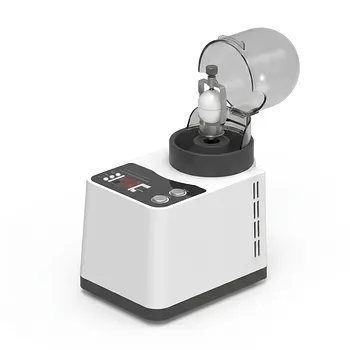
Laboratory Micro Vibration Grinding Mill for Trace Sample Preparation
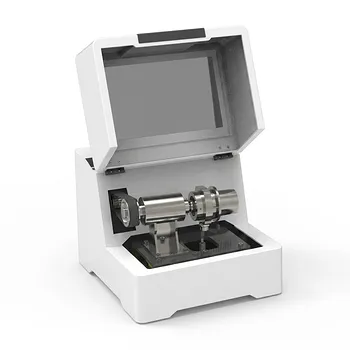
Single Tank High Energy Vibratory Ball Mill for Laboratory Grinding and Mixing
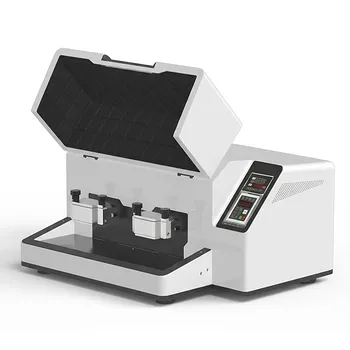
Nanoscale High-Energy Vibratory Ball Mill for Laboratory Sample Preparation, Mechanochemistry, and Mechanical Alloying
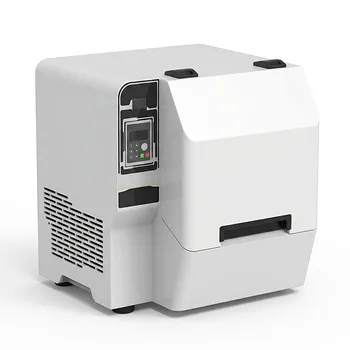
Nano High Energy Vibratory Ball Mill for Laboratory Sample Preparation
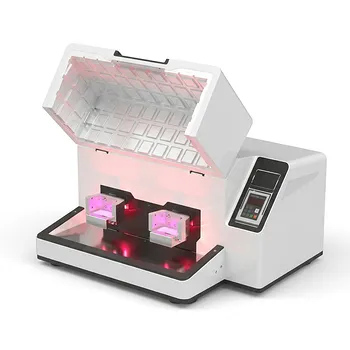
Nano High Energy Vibratory Ball Mill with Heating and Temperature Control
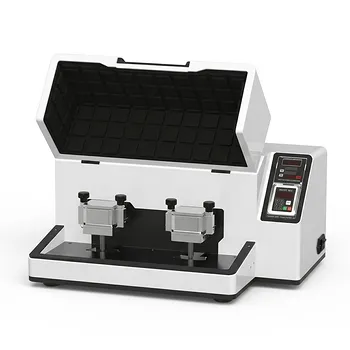
Nanoscale High Energy Vibratory Ball Mill Low Temperature
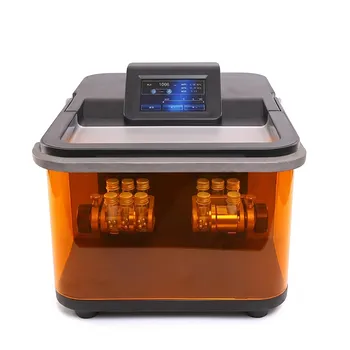
High Throughput Micro Ball Mill for Cryogenic Grinding and Laboratory Cell Disruption
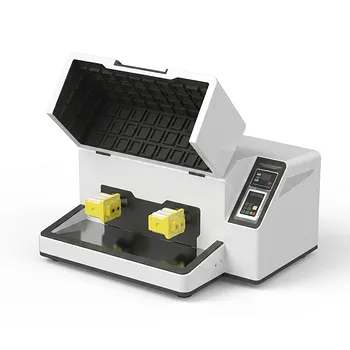
Multi-Platform Nanoscale High-Energy Vibratory Ball Mill
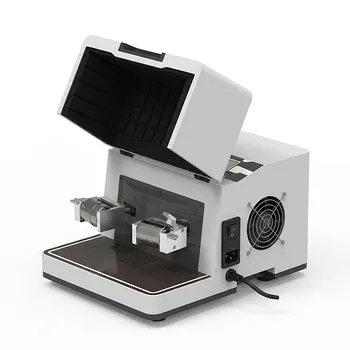
High Energy Hybrid Vibratory Ball Mill for Grinding Mixing and Cell Disruption
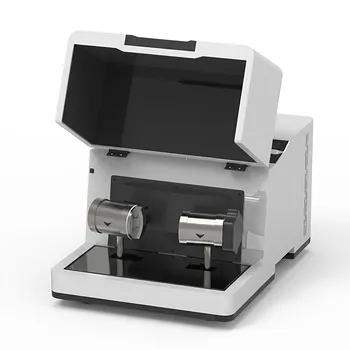
Ultra-Low Temperature Cryogenic High-Energy Vibratory Ball Mill
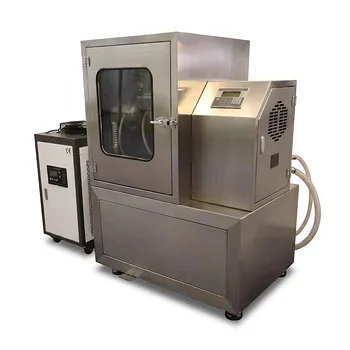
Ultra-Low Temperature Vibratory Mill for Ultrafine Grinding
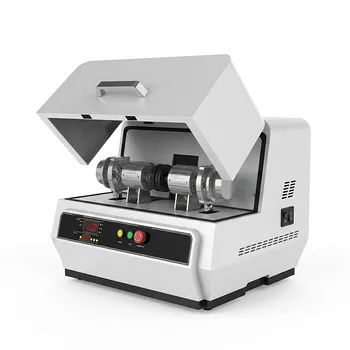
Dual Jar High Energy Vibratory Ball Mill
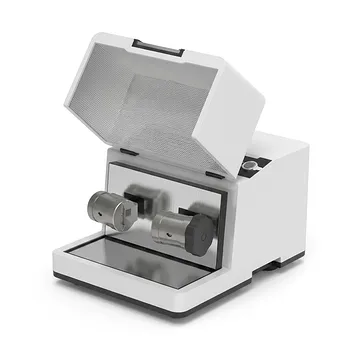
Heating Temperature Controlled High Energy Vibratory Ball Mill
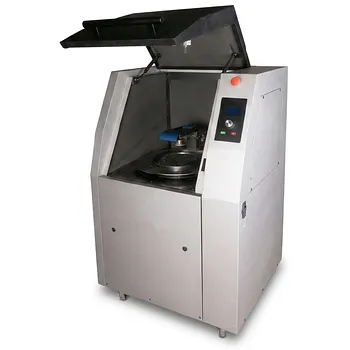
High Speed Vibratory Disc Mill for Spectral Analysis Sample Preparation and Rapid Powder Grinding
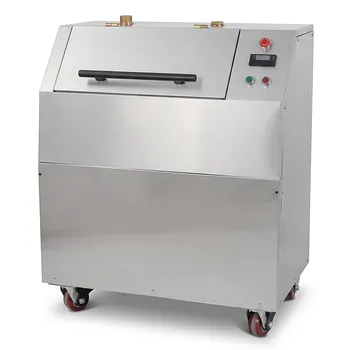
Vibratory Disc Mill for Rapid Fine Grinding and High Throughput Sample Preparation of Hard and Brittle Materials
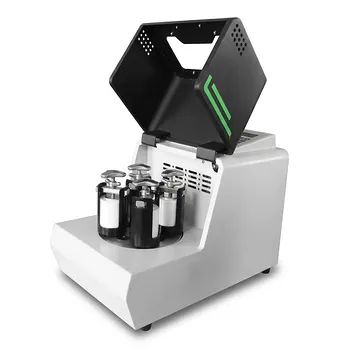
Miniature Planetary Ball Mill with Vacuum Grinding and High Efficiency for Laboratory Sample Preparation
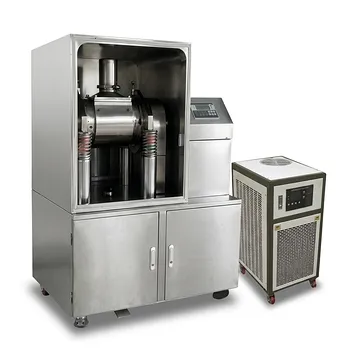
Small Vibrating Ultrafine Grinder for Traditional Chinese Medicine
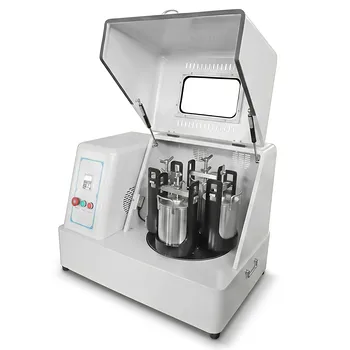
Vertical Square Planetary Ball Mill for Laboratory Sample Preparation and Nanoscale Grinding
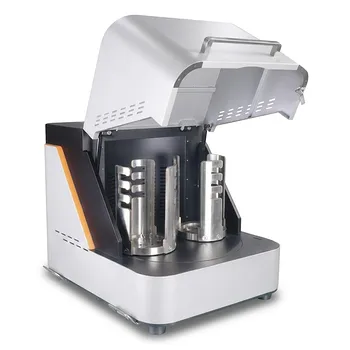
High Energy Laboratory Planetary Ball Mill for Nano Grinding and Colloidal Mixing of Hard and Brittle Materials