What is the primary function of a vibration mill in processing beta-SiAlON after SHS? Powder Refinement Guide.
Updated 5 months ago
The vibration mill serves as the essential gateway to powder refinement.
After Self-propagating High-temperature Synthesis (SHS), crude beta-SiAlON exists as macroscopic, loose blocks that cannot be directly used in fine applications. The vibration mill utilizes high-frequency impact forces to rapidly crush and pre-pulverize these blocks into a coarse powder. This mechanical reduction is the critical first step required to prepare the material for subsequent fine grinding stages.
The primary function of a vibration mill in post-SHS processing is the rapid de-agglomeration and pre-pulverization of bulk product blocks. By converting macroscopic solids into coarse powders, it creates the necessary feed material for high-precision downstream milling and sintering.
Transitioning from Synthesis to Processing
Breaking the SHS Bulk Structure
SHS produces beta-SiAlON in a porous, blocky form rather than a fine powder. These macroscopic blocks require significant mechanical energy to overcome internal structural bonds before any further refinement can occur.
High-Frequency Impact as a Tool
Unlike low-energy rotation mills, a vibration mill uses high-frequency oscillations to generate intense impact forces. This specific kinetic energy is highly efficient at shattering brittle ceramic blocks into smaller, more manageable fragments.
Bridging the Macro-to-Micro Gap
The vibration mill acts as a bridge between the raw synthesis product and the final engineered powder. Without this pre-pulverization step, subsequent fine-grinding equipment would be unable to process the oversized raw material effectively.
The Role of Pre-Pulverization in the Workflow
Preparing Feed for Fine Grinding
Fine grinding equipment, such as stirred mills or ball mills, requires a consistent, small-diameter feed to operate effectively. The vibration mill ensures the material is reduced to a size that prevents equipment clogging or mechanical inefficiency in later stages.
Efficiency in Particle Size Reduction
By performing the "heavy lifting" of initial crushing, the vibration mill optimizes the overall energy consumption of the production line. This stage focuses on volume reduction rather than the extreme surface area enhancement seen in later processing steps.
Enabling Uniform Downstream Mixing
Converting blocks to coarse powder is fundamental for any subsequent additive mixing. A coarse powder provides a far better starting point for homogeneous distribution of dopants or sintering aids than large, solid aggregates.
Understanding the Trade-offs and Limits
Coarseness vs. Uniformity
While excellent for crushing blocks, vibration milling rarely produces the molecular-level uniformity or ultra-fine particle sizes required for high-performance ceramics. Over-reliance on this stage without subsequent fine grinding can lead to poor sintering behavior.
Mechanical Contamination Risks
The high-intensity impact of the milling media against the crude beta-SiAlON can introduce impurities from the mill itself. Users must balance the speed of pulverization against the specific purity requirements of the final SiAlON application.
Heat Generation
The high-frequency nature of the mill can generate significant localized heat. While beta-SiAlON is heat-resistant, excessive temperatures during milling can sometimes affect the surface activity or moisture content of the resulting coarse powder.
Applying Vibration Milling to Your Workflow
To ensure the vibration milling process aligns with your production goals, consider the following tactical approaches:
- If your primary focus is rapid throughput of raw SHS material: Prioritize high-frequency vibration settings to quickly break down macroscopic blocks into manageable coarse particles.
- If your primary focus is achieving a sub-micron final product: Use the vibration mill strictly as a pre-processing step before transitioning to high-energy stirred milling for final particle refinement.
- If your primary focus is maintaining chemical purity: Select grinding media and mill liners that match the hardness and composition of beta-SiAlON to minimize abrasive wear contamination.
Mastering the initial pre-pulverization stage ensures your material is perfectly conditioned for the high-precision engineering required in advanced ceramic manufacturing.
Summary Table:
| Process Stage | Primary Function | Objective |
|---|---|---|
| Post-SHS | De-agglomeration | Breaking macroscopic blocks into manageable fragments |
| Pre-Processing | Pre-pulverization | Converting crude solids into coarse powder feed |
| Downstream Prep | Feed Optimization | Ensuring material size is compatible with fine-grinding mills |
| Efficiency | Energy Management | Rapid volume reduction before high-energy milling stages |
Elevate Your Material Processing with Expert Solutions
Optimizing the transition from synthesis to sintering requires high-precision equipment. We provide complete laboratory sample preparation solutions for material science, specializing in advanced powder processing and compaction.
Our extensive product lines are designed to handle every stage of your workflow:
- Size Reduction: Jaw and roll crushers, liquid nitrogen cryogenic grinders, and high-energy mills (planetary ball, jet, sand, disc, and rotor mills).
- Sieving & Mixing: Vibratory and air-jet sieve shakers with precision meshes, plus advanced powder and defoaming mixers.
- Material Compaction: A full spectrum of hydraulic presses, including Cold/Warm Isostatic Presses (CIP/WIP), standard lab presses, XRF pellet presses, and vacuum hot presses.
Whether you are refining $\beta$-SiAlON or developing new high-performance ceramics, our equipment ensures reliability, purity, and efficiency.
Contact our technical team today to find the perfect fit for your lab!
References
- Mohammed Shahien, Toshitaka Sakurai. Combustion Synthesis and Sintering of β-Sialon Ceramics (z = 2). DOI: 10.2472/jsms.57.1248
Mentioned Products
- Vibratory Disc Mill for Rapid Fine Grinding and High Throughput Sample Preparation of Hard and Brittle Materials
- High Speed Vibratory Disc Mill for Spectral Analysis Sample Preparation and Rapid Powder Grinding
- Laboratory Micro Vibration Grinding Mill for Trace Sample Preparation
- Small Vibrating Ultrafine Grinder for Traditional Chinese Medicine
- Single Tank High Energy Vibratory Ball Mill for Laboratory Grinding and Mixing
People Also Ask
- Why is a vibratory disc mill utilized for the pretreatment of alum shale waste samples in phase analysis? Ensure XRD Accuracy
- What is the primary function of a vibrating disc mill in the pretreatment of raw clay samples? Achieve Micron-Level Precision
- What is the primary function of a laboratory disc mill for oyster shells? Boost Reactivity & Analytical Precision
- How does the size of grinding media influence the vibratory milling efficiency? Achieve Optimal Pharmaceutical Fineness
- What is the function of a laboratory vibratory mill? Master StPh/MMT Nanocomposite Preparation via Mechanochemistry

Tech Team · PowderPreparation
Last updated on May 14, 2026
Related Products
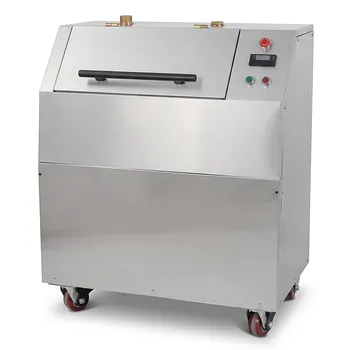
Vibratory Disc Mill for Rapid Fine Grinding and High Throughput Sample Preparation of Hard and Brittle Materials
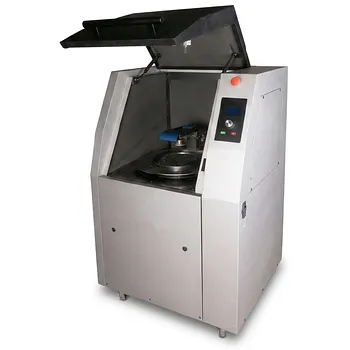
High Speed Vibratory Disc Mill for Spectral Analysis Sample Preparation and Rapid Powder Grinding
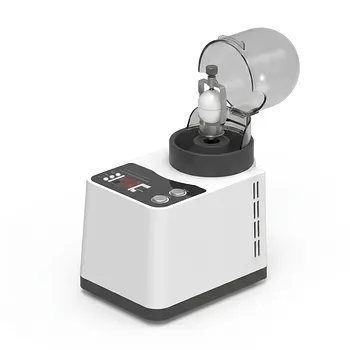
Laboratory Micro Vibration Grinding Mill for Trace Sample Preparation
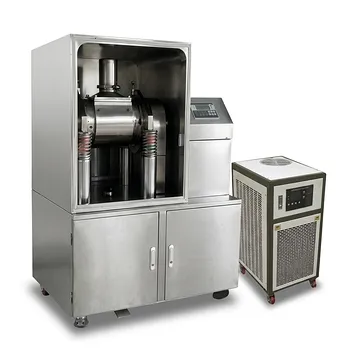
Small Vibrating Ultrafine Grinder for Traditional Chinese Medicine
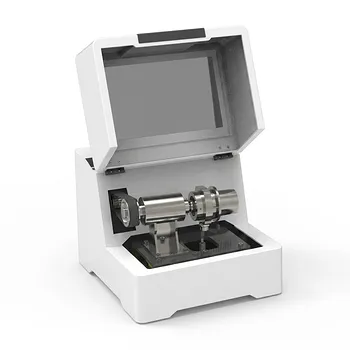
Single Tank High Energy Vibratory Ball Mill for Laboratory Grinding and Mixing
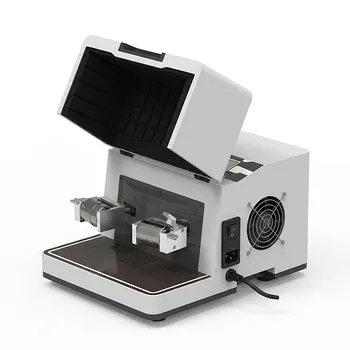
High Energy Hybrid Vibratory Ball Mill for Grinding Mixing and Cell Disruption
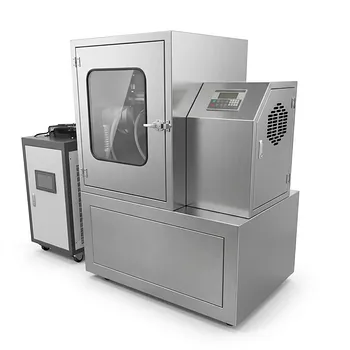
Vibratory Superfine Grinder for Ultra Fine Laboratory Powder Milling
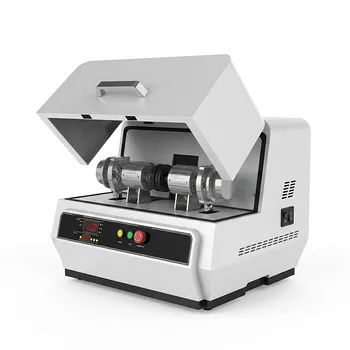
Dual Jar High Energy Vibratory Ball Mill
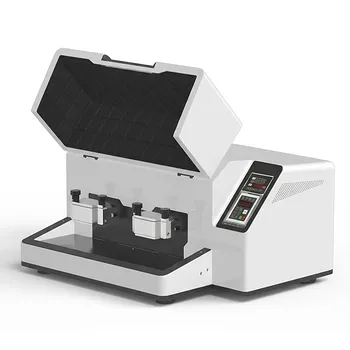
Nanoscale High-Energy Vibratory Ball Mill for Laboratory Sample Preparation, Mechanochemistry, and Mechanical Alloying
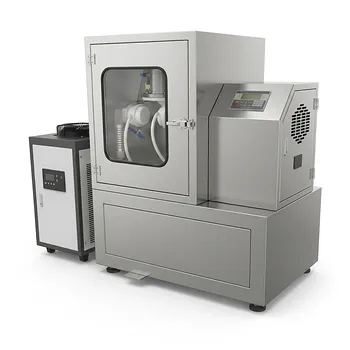
Vibratory Ultra-Low Temperature Ultrafine Grinder for Cryogenic Powder Processing
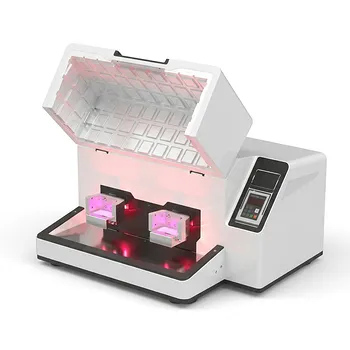
Nano High Energy Vibratory Ball Mill with Heating and Temperature Control
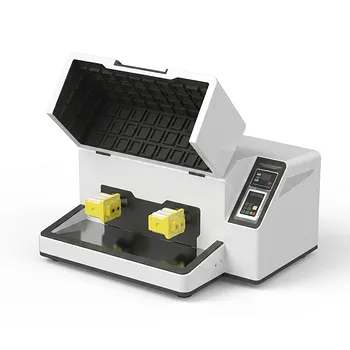
Multi-Platform Nanoscale High-Energy Vibratory Ball Mill
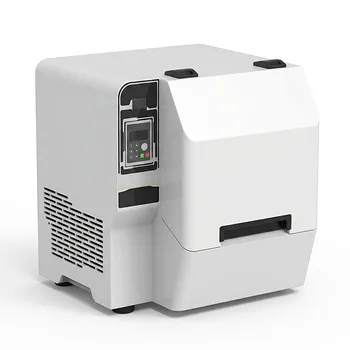
Nano High Energy Vibratory Ball Mill for Laboratory Sample Preparation
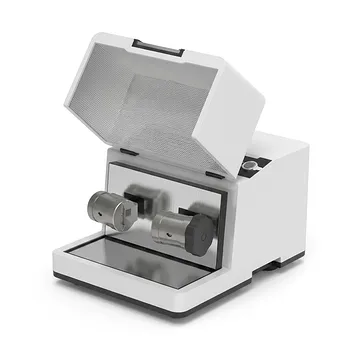
Heating Temperature Controlled High Energy Vibratory Ball Mill

Stainless Steel Rotary Vibrating Sieve High Precision Circular Vibratory Separator Industrial Powder Grading Machine Multi Layer Sifting Equipment

Automatic Vibrating Powder Feeder for Laboratory Material Processing Precision Vibratory Hopper Feeder for Granular and Powder Material Handling Industrial Grade Vibrating Tray Feeder for Consistent Material Sample Preparation
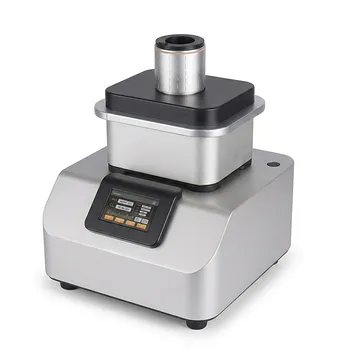
Ultra Centrifugal Mill High Speed Laboratory Grinder for Fibrous and Brittle Sample Preparation
Horizontal Light Duty Planetary Ball Mill for Laboratory Sample Preparation
Vertical Square Planetary Ball Mill for Laboratory Sample Preparation and Nanoscale Grinding