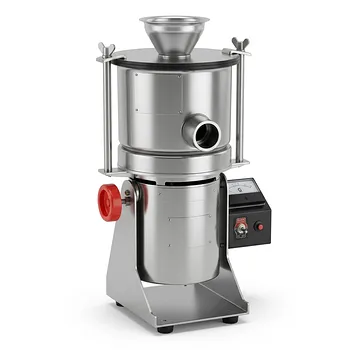
What is the function of a laboratory vibratory mill? Master StPh/MMT Nanocomposite Preparation via Mechanochemistry
Updated 3 months ago
The laboratory vibratory mill acts as the primary driver for mechanochemical synthesis. In the preparation of Starch Phosphate/Montmorillonite (StPh/MMT) nanocomposites, it provides the high-frequency shear, friction, and collision forces necessary to fragment starch granules and exfoliate montmorillonite layers. This mechanical energy forces starch macromolecules into the interlaminar spaces of the clay, ensuring a stable, intercalated nanostructure that chemical mixing alone cannot achieve.
The vibratory mill functions by converting mechanical energy into structural change, facilitating the exfoliation of clay and the fragmentation of starch. This process is essential for achieving the molecular-level intercalation required for high-performance nanocomposites.
The Mechanics of Interaction
High-Frequency Shear and Collision
The mill generates intense high-frequency shear and collision forces through the rapid movement of grinding media. These forces provide the energy required to overcome the van der Waals forces holding montmorillonite (MMT) layers together.
Friction-Induced Dispersion
Continuous friction within the mill ensures that individual components are not merely mixed but are physically forced into a macro-uniformly distributed state. This prevents the agglomeration often seen in multi-component material precursors.
Structural Transformation of Raw Materials
Fragmentation of Starch Granules
Starch granules are naturally resilient and large; the vibratory mill provides the mechanical impact needed to break these granules down. This fragmentation increases the surface area available for interaction with the silicate layers of the MMT.
Exfoliation of Montmorillonite
The primary hurdle in clay nanocomposites is separating the tightly packed MMT platelets. The mill’s mechanochemical effect promotes exfoliation, turning bulk clay into nanoscale sheets that can better reinforce the starch matrix.
Achieving the Intercalated Nanostructure
Molecular Intercalation
Beyond simple mixing, the vibratory mill drives starch macromolecules directly into the interlaminar spaces of the montmorillonite. This "forced" entry is a critical step in creating an intercalated structure where the polymer and clay are bonded at the molecular level.
Construction of the Nanocomposite
The successful construction of a nanostructure depends on this uniform distribution of heterogeneous components. By facilitating these deep structural changes, the mill ensures the final material possesses the desired mechanical and thermal properties.
Understanding the Trade-offs
Mechanical Degradation Risks
While high-energy milling is effective for intercalation, excessive milling time can lead to the over-fragmentation of starch chains. If the molecular weight of the starch is reduced too significantly, the final composite may lose its structural integrity.
Heat Generation and Control
The high-frequency impacts generate substantial localized heat, which can alter the chemical properties of the starch phosphate. Monitoring the temperature during the milling process is necessary to prevent unwanted thermal degradation or side reactions.
How to Apply This to Your Project
Recommendations for Composite Preparation
The effectiveness of the vibratory mill depends on balancing energy input with material sensitivity. Adjusting the frequency and duration is key to achieving the desired nanostructure.
- If your primary focus is maximizing intercalation: Increase the milling duration to ensure starch macromolecules have sufficient energy to penetrate the interlaminar spaces of the MMT.
- If your primary focus is maintaining starch chain integrity: Use intermittent milling cycles or cooling breaks to prevent thermal degradation while still achieving exfoliation.
- If your primary focus is uniform dispersion of precursors: Focus on the weight ratio of the grinding media to ensure high-frequency impacts reach all components evenly.
By leveraging the mechanochemical energy of a vibratory mill, you can transform simple mixtures into sophisticated, high-performance starch-based nanocomposites.
Summary Table:
| Mechanochemical Action | Effect on Materials | Key Benefit |
|---|---|---|
| High-Frequency Shear | Exfoliates MMT layers | Enables molecular-level intercalation |
| Impact & Collision | Fragments starch granules | Increases surface area for interaction |
| Continuous Friction | Homogeneous dispersion | Prevents component agglomeration |
| Mechanical Energy | Structural transformation | Enhanced thermal/mechanical properties |
Elevate Your Material Research with Kindle Tech
Achieving the perfect intercalated nanostructure requires precision and high-energy processing. Kindle Tech provides complete laboratory sample preparation solutions for material science, specializing in advanced powder processing and compaction equipment.
From high-performance vibratory disc mills and planetary ball mills for exfoliation to a full spectrum of Hydraulic Presses (CIP/WIP, Hot Presses, and XRF Pellet Presses) for material forming, we offer the tools you need for high-performance nanocomposite synthesis. Our equipment is designed to ensure uniform dispersion and structural integrity for your most demanding research projects.
Ready to optimize your laboratory workflow? Contact us today to discover how our expertise can bring your material science innovations to life!
References
- Н. Е. Кочкина, Nikolay D. Lukin. MONO-STARCH PHOSPHATE/MONTMORILLONITE NANOCOMPOSITES PREPARED BY VIBRATION MILLING: STRUCTURE AND ADSORPTION CAPACITY TOWARDS METHYLENE BLUE DYE. DOI: 10.35812/cellulosechemtechnol.2019.53.15
Mentioned Products
- Vibratory Disc Mill for Rapid Fine Grinding and High Throughput Sample Preparation of Hard and Brittle Materials
- Single Tank High Energy Vibratory Ball Mill for Laboratory Grinding and Mixing
- Nanoscale High-Energy Vibratory Ball Mill for Laboratory Sample Preparation, Mechanochemistry, and Mechanical Alloying
- Nano High Energy Vibratory Ball Mill for Laboratory Sample Preparation
- Vibratory Superfine Grinder for Ultra Fine Laboratory Powder Milling
People Also Ask
- Why is a vibratory disc mill utilized for the pretreatment of alum shale waste samples in phase analysis? Ensure XRD Accuracy
- What is the primary function of a vibrating disc mill in the pretreatment of raw clay samples? Achieve Micron-Level Precision
- What is the primary function of a laboratory disc mill for oyster shells? Boost Reactivity & Analytical Precision
- How does the size of grinding media influence the vibratory milling efficiency? Achieve Optimal Pharmaceutical Fineness
- What is the primary function of a vibration mill in processing beta-SiAlON after SHS? Powder Refinement Guide.

Tech Team · PowderPreparation
Last updated on Jun 03, 2026
Related Products
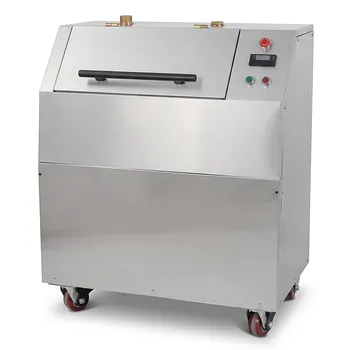
Vibratory Disc Mill for Rapid Fine Grinding and High Throughput Sample Preparation of Hard and Brittle Materials
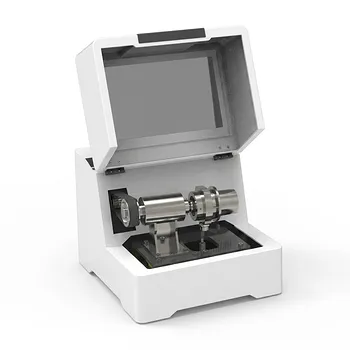
Single Tank High Energy Vibratory Ball Mill for Laboratory Grinding and Mixing
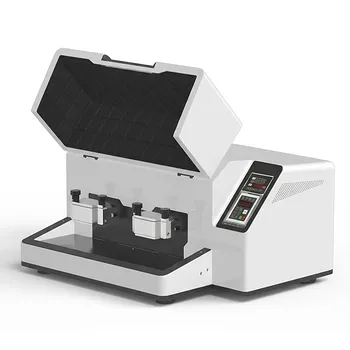
Nanoscale High-Energy Vibratory Ball Mill for Laboratory Sample Preparation, Mechanochemistry, and Mechanical Alloying
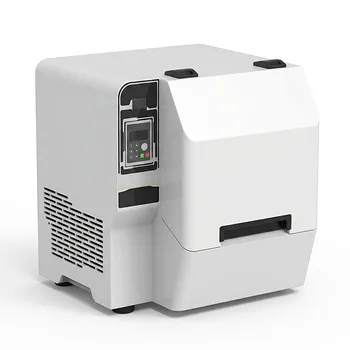
Nano High Energy Vibratory Ball Mill for Laboratory Sample Preparation
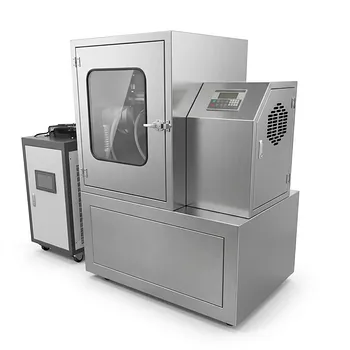
Vibratory Superfine Grinder for Ultra Fine Laboratory Powder Milling
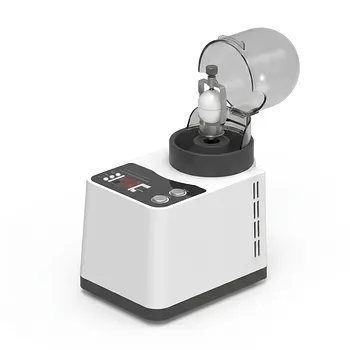
Laboratory Micro Vibration Grinding Mill for Trace Sample Preparation
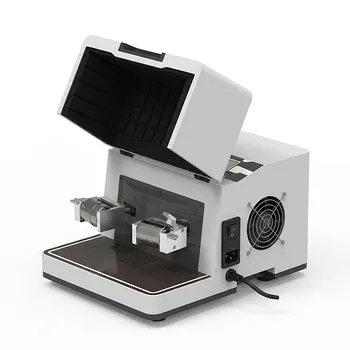
High Energy Hybrid Vibratory Ball Mill for Grinding Mixing and Cell Disruption
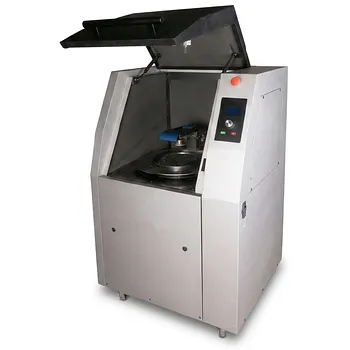
High Speed Vibratory Disc Mill for Spectral Analysis Sample Preparation and Rapid Powder Grinding
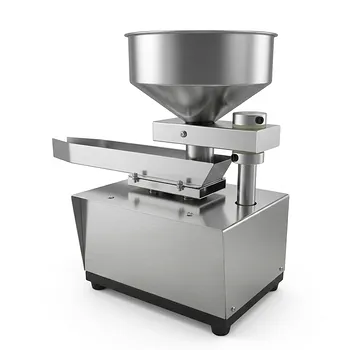
Automatic Vibrating Powder Feeder for Laboratory Material Processing Precision Vibratory Hopper Feeder for Granular and Powder Material Handling Industrial Grade Vibrating Tray Feeder for Consistent Material Sample Preparation
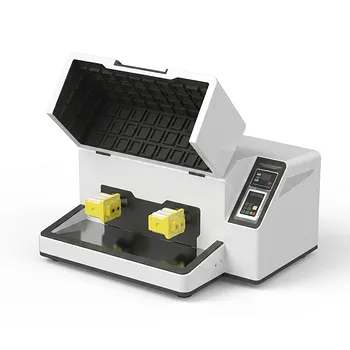
Multi-Platform Nanoscale High-Energy Vibratory Ball Mill
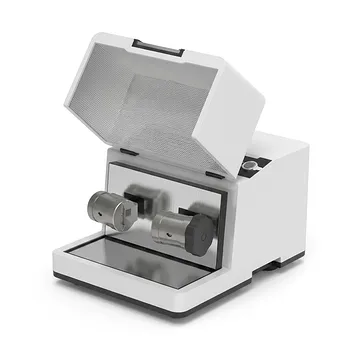
Heating Temperature Controlled High Energy Vibratory Ball Mill
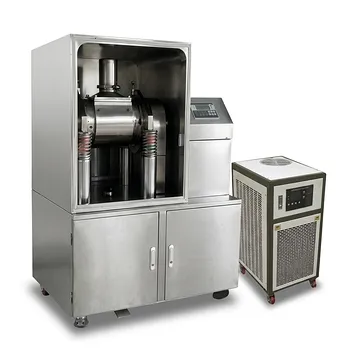
Small Vibrating Ultrafine Grinder for Traditional Chinese Medicine
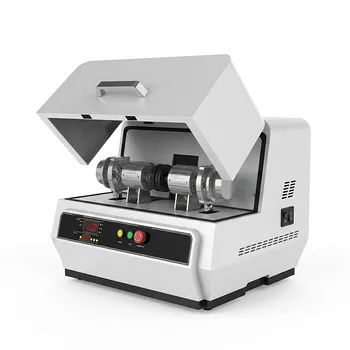
Dual Jar High Energy Vibratory Ball Mill
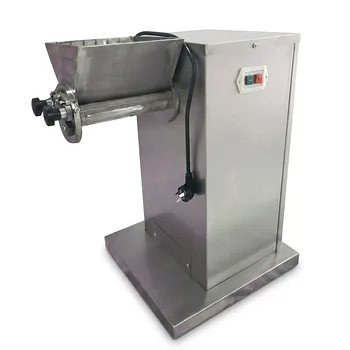
Small Laboratory Oscillating Granulator for Wet and Dry Granulation Processing
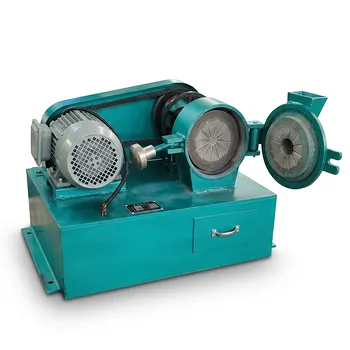
Laboratory Disc Mill Medium Hard Material Grinding Coal Coke Ore Pulverizer
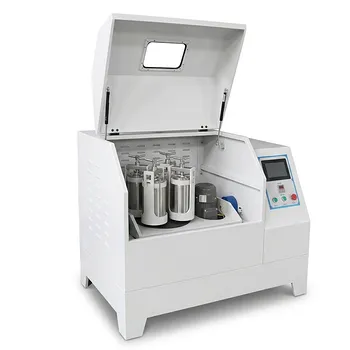
360° Rotating Omnidirectional Laboratory Planetary Ball Mill for Homogeneous Ultra-Fine Grinding and Mixing
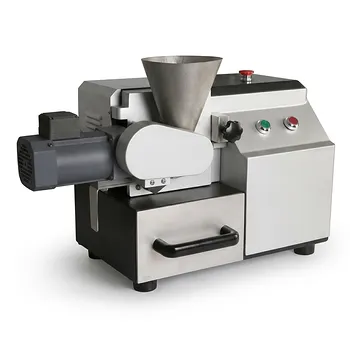
Laboratory Hammer Mill for Coal Quality Analysis and Brittle Mineral Grinding
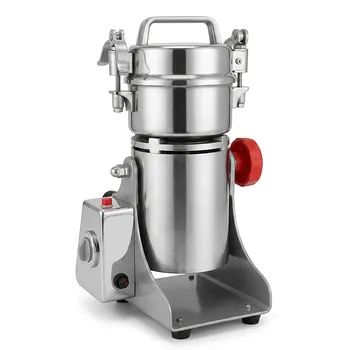
Industrial High Speed Small Sample Pulverizer Swing Type Laboratory Grinder for Powder Processing
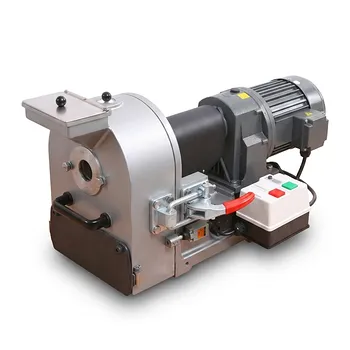
Laboratory Disc Mill for Fine Sample Preparation of Hard and Brittle Materials