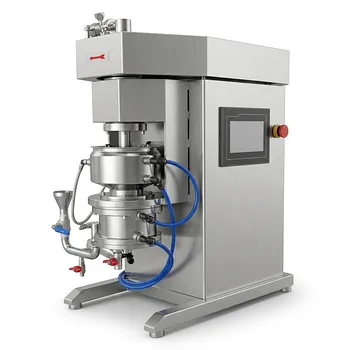
What function does a laboratory mill serve in corn starch saccharification experiments? Optimize Surface Area & Reactions
Updated 4 months ago
The laboratory mill is the essential tool for transforming solid starch extrudates into a uniform fine powder to facilitate chemical reactions. This mechanical grinding process drastically increases the specific surface area of the starch, which is a prerequisite for efficient enzymatic hydrolysis. By maximizing the contact area between starch molecules and enzymes like alpha-amylase, the mill ensures a faster wetting time and a significantly accelerated initial reaction rate.
In corn starch saccharification, the laboratory mill functions as a mechanical catalyst that optimizes the physical state of the substrate. By increasing surface area and breaking down crystalline structures, it ensures that enzymes can access and break down starch molecules with maximum efficiency.
The Role of Particle Size in Enzymatic Hydrolysis
Increasing Specific Surface Area
The primary function of the mill is to reduce the particle size of dried starch extrudates. This reduction creates a much larger specific surface area relative to the volume of the material. A larger surface area allows for more simultaneous interactions between the starch and the liquid medium.
Optimizing Enzymatic Contact Points
Enzymes, such as alpha-amylase, require physical contact with starch chains to begin the liquefaction process. By grinding the starch into a fine powder, the mill exposes more molecular "sites" for the enzymes to latch onto. This prevents the enzymes from being limited by the physical exterior of large, dense starch granules.
Enhancing Reaction Efficiency and Rate
Reducing Wetting and Preparation Time
Finely ground starch interacts with moisture much faster than coarse particles. The mill ensures a shorter wetting time, allowing the starch to be evenly suspended in the reaction environment almost immediately. This uniformity prevents the formation of clumps that can shield the starch from enzymatic action.
Accelerating Initial Reaction Kinetics
The speed of the saccharification process is highly dependent on the initial phase of the reaction. Because the mill provides a high-energy environment for particle reduction, it sets the stage for a rapid initial reaction rate. This efficiency is vital for consistent results in laboratory-scale experiments.
Advanced Applications: Starch Ultrafine Refinement
Breaking Down Semi-Crystalline Structures
In more specialized experiments, such as the production of corn starch nanoparticles (CSN), a wet stirred mill is used to apply intense impact and shear forces. These forces are strong enough to disrupt the semi-crystalline structure of the starch granules. This "top-down" approach goes beyond simple grinding to fundamentally alter the starch's physical state.
Transitioning from Micrometer to Nanometer Scales
Standard mills prepare powder for general hydrolysis, but high-energy stirred mills can reduce particle sizes from the micrometer scale to the nanometer scale. This ultrafine refinement significantly enhances the physicochemical activity of the starch. Such small particles behave differently than bulk starch, offering unique properties for advanced material science.
Understanding the Trade-offs
Thermal Degradation Risks
Mechanical grinding, especially at high speeds, generates significant heat due to friction. If the temperature is not carefully controlled, it can lead to the unintended thermal degradation of the starch before the experiment even begins. This can alter the very molecular structure you are trying to study.
Energy Consumption vs. Particle Uniformity
Achieving an extremely fine, uniform powder requires a high input of mechanical energy. While finer particles generally react faster, there is a point of diminishing returns where the energy required to grind further does not yield a proportional increase in reaction speed. Over-processing can also lead to "over-milling," where particles begin to agglomerate (stick together) again.
Making the Right Choice for Your Goal
When integrating a laboratory mill into your corn starch workflow, consider the specific requirements of your end product:
- If your primary focus is standard enzymatic hydrolysis: Use a dry laboratory mill to achieve a uniform fine powder that maximizes surface area and ensures rapid, even wetting.
- If your primary focus is developing novel materials or nanoparticles: Utilize a wet stirred mill to apply high-shear forces capable of breaking down crystalline structures at the nanometer scale.
- If your primary focus is maintaining molecular integrity: Ensure the milling equipment includes cooling mechanisms to prevent heat-induced changes to the starch extrudates.
By precisely controlling the mechanical reduction of starch, you ensure that the subsequent chemical and enzymatic processes are both predictable and optimized.
Summary Table:
| Feature | Function in Saccharification | Impact on Experiment |
|---|---|---|
| Particle Size Reduction | Transforms extrudates into fine powder | Ensures uniform substrate distribution |
| Surface Area Increase | Maximizes contact points for enzymes | Significantly accelerates initial reaction kinetics |
| Wetting Optimization | Reduces liquid-to-solid interaction time | Prevents clumping and ensures faster suspension |
| Structural Disruption | Breaks semi-crystalline starch granules | Enables production of starch nanoparticles (CSN) |
| Thermal Management | Controls heat during high-speed grinding | Prevents unintended molecular degradation |
Optimize Your Sample Preparation with Precision Equipment
Achieving consistent results in corn starch saccharification or material synthesis requires the highest level of uniformity. At our core, we provide complete laboratory sample preparation solutions tailored for material science and powder processing.
Whether you are focusing on standard enzymatic hydrolysis or developing advanced nanoparticles, our equipment is designed for precision and reliability:
- High-Performance Mills: Explore our range of planetary ball, jet, disc, and rotor mills, or utilize our liquid nitrogen cryogenic grinders for heat-sensitive materials.
- Sieving & Mixing: Ensure particle uniformity with our vibratory and air-jet sieve shakers, powder mixers, and defoaming mixers.
- Compaction & Pressing: From standard lab presses and XRF pellet presses to advanced Cold/Warm Isostatic Presses (CIP/WIP) and vacuum hot presses.
Ready to enhance your lab’s efficiency and experimental accuracy? Contact our technical experts today to discuss your specific application and find the perfect equipment solution for your workflow!
References
- Kyu-Chul Lee, Gi-Hyung Ryu. Saccharification Characteristics of Extruded Corn Starch at Different Process Parameters. DOI: 10.13050/foodengprog.2011.15.2.155
Mentioned Products
- Laboratory Disc Mill Medium Hard Material Grinding Coal Coke Ore Pulverizer
- Laboratory Hammer Mill for Coal Quality Analysis and Brittle Mineral Grinding
- Laboratory Disc Mill for Fine Sample Preparation of Hard and Brittle Materials
- Industrial Knife Mill for Food and Biological Sample Preparation High Speed Laboratory Homogenizer
- Laboratory Knife Mill for Large Volume Sample Homogenization and Food Preparation
People Also Ask
- What is the primary function of a laboratory disc mill for oyster shells? Boost Reactivity & Analytical Precision
- What is the function of a laboratory mill in Cassia tora L. seed analysis? Master Precision Thermal Data Prep.
- What is the purpose of using a laboratory mill to grind dried precipitates? Optimize TiO2/AuNRs Catalyst Homogeneity
- What role does a laboratory mill play in the study of lignite coal co-combustion? Optimizing Fuel Blends and Reactivity
- What is the role of a disk mill in the sample preparation of natural clinoptilolite? Enhance Reactivity & Precision

Tech Team · PowderPreparation
Last updated on Jun 03, 2026
Related Products
Laboratory Disc Mill Medium Hard Material Grinding Coal Coke Ore Pulverizer
Laboratory Hammer Mill for Coal Quality Analysis and Brittle Mineral Grinding
Laboratory Disc Mill for Fine Sample Preparation of Hard and Brittle Materials
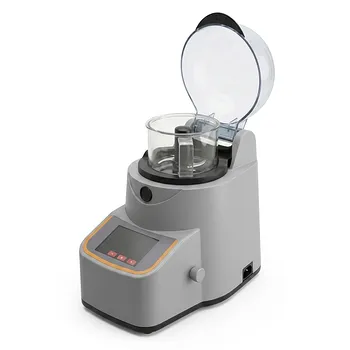
Industrial Knife Mill for Food and Biological Sample Preparation High Speed Laboratory Homogenizer
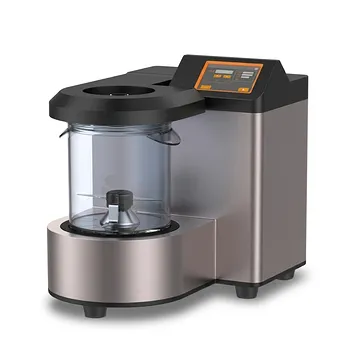
Laboratory Knife Mill for Large Volume Sample Homogenization and Food Preparation
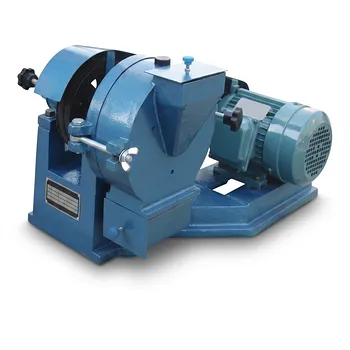
Laboratory Disc Mill for Ore and Mineral Sample Preparation
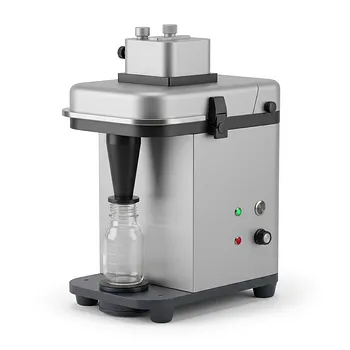
Cyclonic Laboratory Mill for NIR Spectroscopy Sample Preparation Food and Feed Grinding
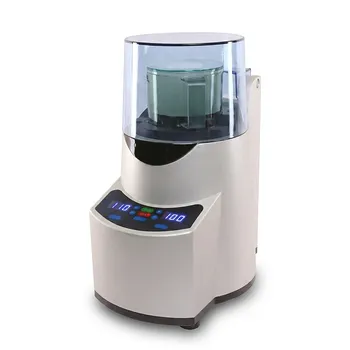
High Speed Laboratory Knife Mill for Oily Fibrous and Wet Sample Homogenization
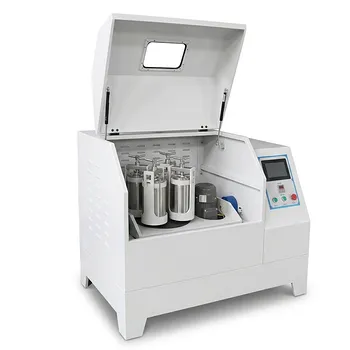
360° Rotating Omnidirectional Laboratory Planetary Ball Mill for Homogeneous Ultra-Fine Grinding and Mixing
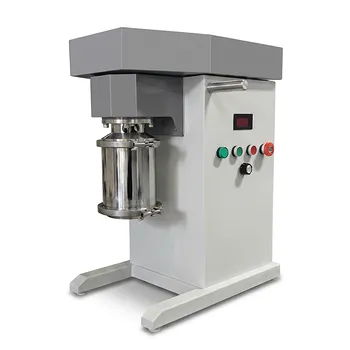
Nano Laboratory Bead Mill Desktop Sub Micron Sand Mill Screenless Seal Less Powder Grinder
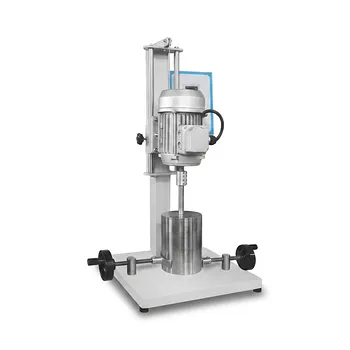
Laboratory Basket Sand Mill for Wet Grinding and Dispersion of Viscous Slurries
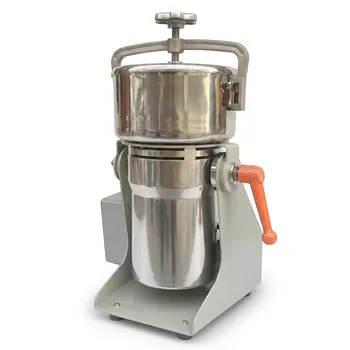
High Speed Laboratory Grinder Efficient Stainless Steel Powder Pulverizer Universal Material Science Mill for Sample Preparation
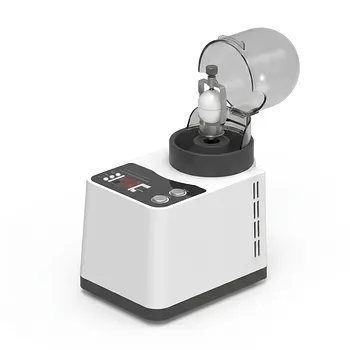
Laboratory Micro Vibration Grinding Mill for Trace Sample Preparation
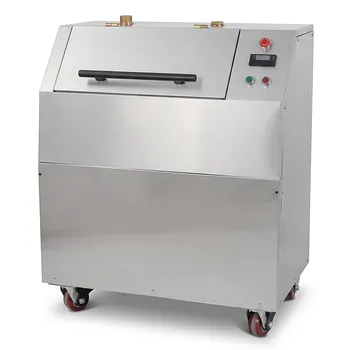
Vibratory Disc Mill for Rapid Fine Grinding and High Throughput Sample Preparation of Hard and Brittle Materials
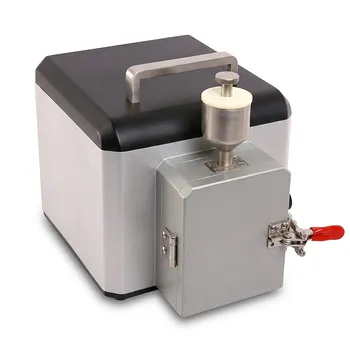
Portable Cutting Mill for Laboratory Sample Preparation and RoHS WEEE Compliance Testing
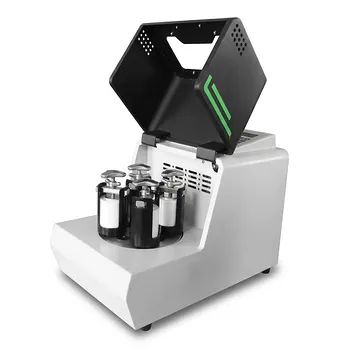
Miniature Planetary Ball Mill with Vacuum Grinding and High Efficiency for Laboratory Sample Preparation
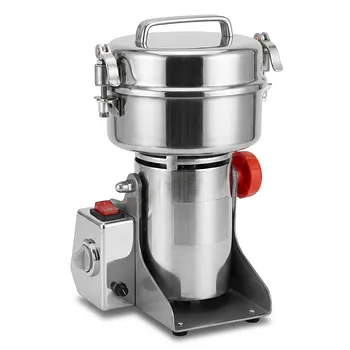
High Speed Laboratory Powder Grinder Small Batch Sample Preparation Mill
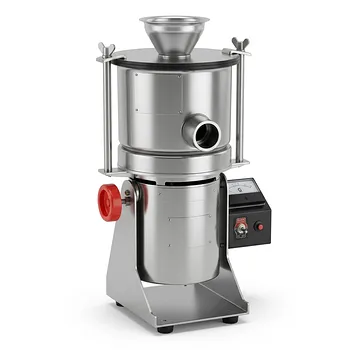
Laboratory Ultrafine Impact and Airflow Grinder for Precise Particle Size Control
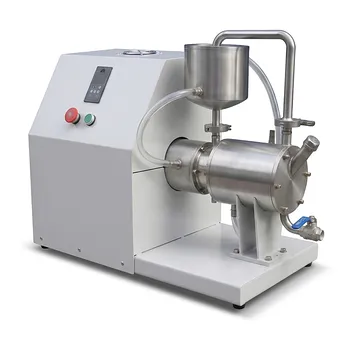
Laboratory Small Horizontal Sand Mill for Nano Materials Wet Grinding