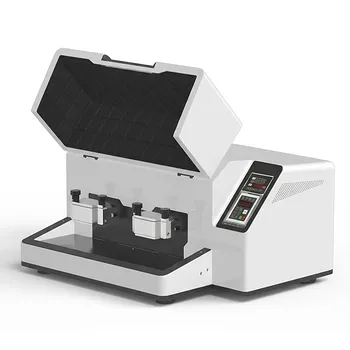
What is the role of a cryogenic ball mill and its liquid nitrogen system? Achieve Nano-Scale Grain Refinement in Copper
Updated 4 months ago
The cryogenic ball mill serves as the primary mechanism for mechanical grain refinement, while its liquid nitrogen system acts as a thermal stabilizer to prevent material recovery. By maintaining temperatures between -180 °C and -196 °C, this system enables the production of ultra-fine grained (UFG) copper powders with an average size of approximately 500 nm (and potentially as low as 32 nm). This environment ensures that the energy from high-energy grinding is used exclusively for structural deformation rather than being lost to heat-induced grain growth.
Core Takeaway: The synergy between high-energy mechanical agitation and liquid nitrogen cooling allows for the accumulation of extreme dislocation densities by suppressing thermal recovery. This process transforms ductile copper into a refined, ultra-fine grained structure that provides the technical foundation for high-strength materials.
The Role of High-Energy Mechanical Agitation
Generation of Shear Bands
The cryogenic ball mill utilizes high-energy impact and friction to induce intense plastic deformation within the copper particles. This mechanical energy generates shear bands, which are critical for breaking down the coarse internal structure of the metal.
Accumulation of Dislocation Density
Under constant impact, the copper atoms are forced out of their regular lattice positions, significantly increasing dislocation density. These defects eventually organize into nanometer-scale subgrain structures, which are the building blocks of ultra-fine grains.
Particle Size Reduction
Through continuous cycles of fracturing and cold-welding, the mill reduces the initial copper particles to a nanometer scale. This refinement is essential for achieving the high-strength performance required in advanced metallurgical applications.
The Functions of the Liquid Nitrogen System
Suppression of Dynamic Recovery
In standard milling, the heat generated by friction triggers dynamic recovery and recrystallization, which causes grains to coarsen. The liquid nitrogen environment lowers thermal activation energy, effectively "freezing" the defects in place and preventing the grains from growing back to a larger size.
Induction of Material Embrittlement
Copper is naturally ductile, which often leads to plastic deformation rather than pulverization at room temperature. The ultra-low temperatures can move the material toward a brittleness that improves fracture efficiency, making it easier for mechanical impacts to crush the powder into sub-micron sizes.
Prevention of Thermal Oxidation
High-energy milling in an ambient environment often leads to unwanted chemical reactions with oxygen. The liquid nitrogen system provides a stable, inert-like environment that inhibits oxidation, ensuring the chemical and phase composition of the pure copper remains consistent.
Understanding the Trade-offs
Operational Complexity and Cost
Maintaining a constant supply of liquid nitrogen requires specialized vacuum-insulated piping and storage systems. This significantly increases the operational cost and logistical complexity compared to conventional room-temperature ball milling.
Material Handling Challenges
The transition from ultra-low temperatures to room temperature can cause moisture condensation on the refined powders if not managed in a controlled atmosphere. This surface moisture can lead to secondary oxidation or agglomeration, potentially compromising the quality of the ultra-fine grained structure.
Energy Efficiency vs. Refinement
While cryomilling produces superior grain refinement, it is an energy-intensive process. There is a point of diminishing returns where additional milling time consumes excessive nitrogen and electricity for marginal gains in grain size reduction.
How to Apply This to Your Project
Making the Right Choice for Your Goal
To successfully prepare ultra-fine grained copper, you must align your equipment parameters with your specific material requirements.
- If your primary focus is Maximum Strength: Prioritize the highest possible dislocation density by maintaining the system at the lower end of the temperature range (-196 °C) to completely block recrystallization.
- If your primary focus is Chemical Purity: Ensure the milling chamber is perfectly sealed to leverage the liquid nitrogen as an anti-oxidation barrier, preventing any atmospheric contamination during the high-energy phase.
- If your primary focus is Processing Efficiency: Monitor the ductile-to-brittle transition behavior of your specific copper grade to optimize milling time and nitrogen consumption.
By strictly controlling the thermal environment with liquid nitrogen, you transform ball milling from a simple grinding task into a sophisticated nanostructuring process.
Summary Table:
| Component | Primary Function | Key Impact on Pure Copper |
|---|---|---|
| High-Energy Agitation | Mechanical Plastic Deformation | Generates shear bands and high dislocation density |
| Liquid Nitrogen System | Thermal Stabilization (-196°C) | Suppresses dynamic recovery and recrystallization |
| Cryogenic Environment | Material Embrittlement | Improves fracture efficiency for sub-micron sizing |
| Inert Atmosphere | Oxidation Prevention | Maintains chemical purity and phase consistency |
Elevate Your Material Research with Precision Powder Solutions
Are you aiming for nanometer-scale refinement in your material science projects? At our core, we provide complete laboratory sample preparation solutions designed for the most demanding research requirements. We specialize in high-performance powder processing and compaction equipment, ensuring your ultra-fine grained materials maintain their structural and chemical integrity.
Our extensive product line includes:
- Advanced Milling: Liquid nitrogen cryogenic grinders, planetary ball mills, jet mills, and rotor mills.
- Preparation & Sizing: Jaw/roll crushers, vibratory sieve shakers, and powder mixers.
- Compaction & Pressing: A full spectrum of hydraulic presses, including Cold/Warm Isostatic Presses (CIP/WIP), vacuum hot presses, and XRF pellet presses.
Whether you are refining pure copper or developing complex alloys, our equipment offers the thermal stability and mechanical power you need. Contact our technical experts today to find the perfect solution for your laboratory workflow!
References
- Leila Ladani, Terry C. Lowe. Manufacturing of High Conductivity, High Strength Pure Copper with Ultrafine Grain Structure. DOI: 10.3390/jmmp7040137
Mentioned Products
- Ultra-Low Temperature Cryogenic High-Energy Vibratory Ball Mill
- High Throughput Micro Ball Mill for Cryogenic Grinding and Laboratory Cell Disruption
- Ultra-Low Temperature Vibratory Mill for Ultrafine Grinding
- Heating Temperature Controlled High Energy Vibratory Ball Mill
- Nanoscale High Energy Vibratory Ball Mill Low Temperature
People Also Ask
- How does a high-energy vibratory ball mill improve the performance of MgH2? Optimize Hydrogen Storage Kinetics
- What is the function of a high-energy vibratory ball mill in Cu-Ta alloys? Achieve Precision Mechanical Alloying
- What is the function of high-energy ball milling in ZnO membrane slurry prep? Optimize Homogenization & Dispersion
- What is the Role of HEBM in High-Entropy H-SOFC Cathode Prep? Achieving Atomic-Level Homogenization
- What is the importance of using a high-purity argon atmosphere during the high-energy ball milling of ceramic particles?

Tech Team · PowderPreparation
Last updated on Jun 03, 2026
Related Products
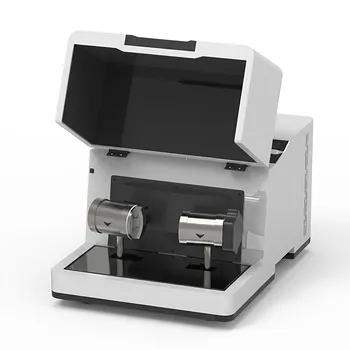
Ultra-Low Temperature Cryogenic High-Energy Vibratory Ball Mill
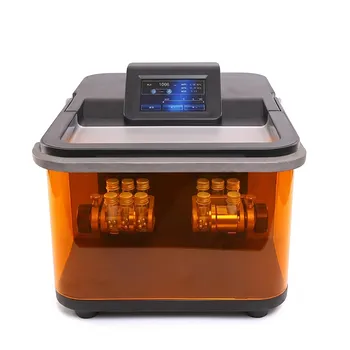
High Throughput Micro Ball Mill for Cryogenic Grinding and Laboratory Cell Disruption
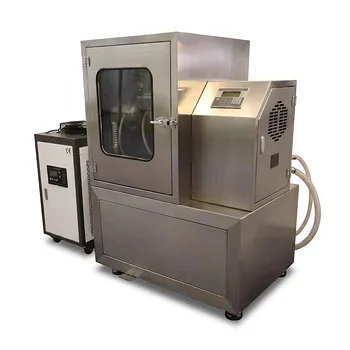
Ultra-Low Temperature Vibratory Mill for Ultrafine Grinding
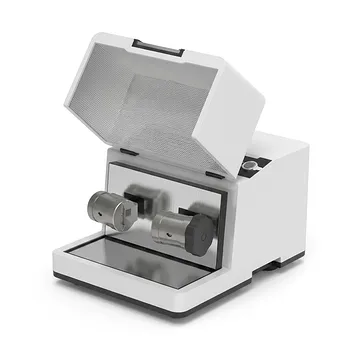
Heating Temperature Controlled High Energy Vibratory Ball Mill
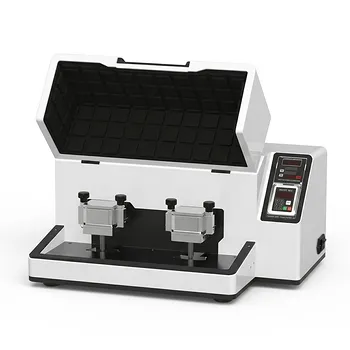
Nanoscale High Energy Vibratory Ball Mill Low Temperature
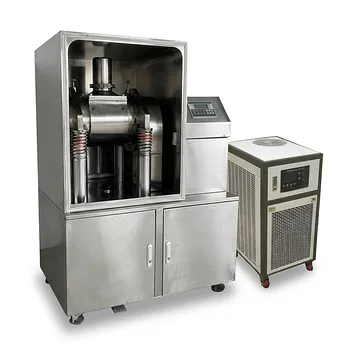
Water Cooled Cryogenic Ultra Fine Cell Wall Breaking Mill
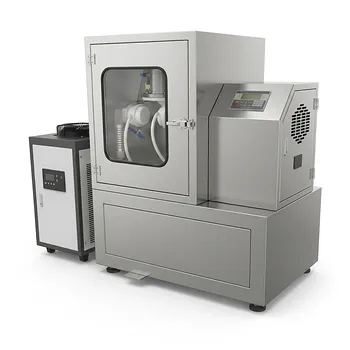
Vibratory Ultra-Low Temperature Ultrafine Grinder for Cryogenic Powder Processing
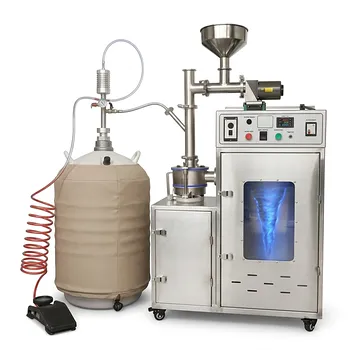
Small Liquid Nitrogen Cryogenic Grinder for Ultrafine Grinding of Heat-Sensitive Materials in Laboratories
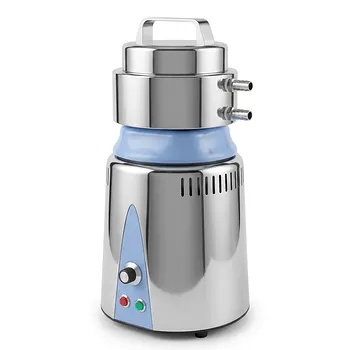
Low Temperature Laboratory Knife Mill Cryogenic Sample Grinder Material Science Powder Processing
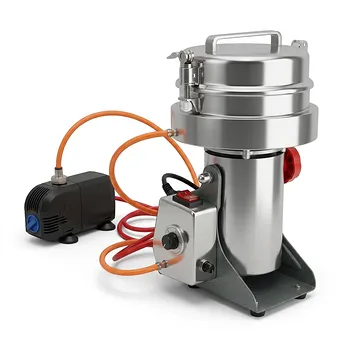
Water Cooled High Speed Grinder with Cryogenic Option for Laboratory Sample Preparation
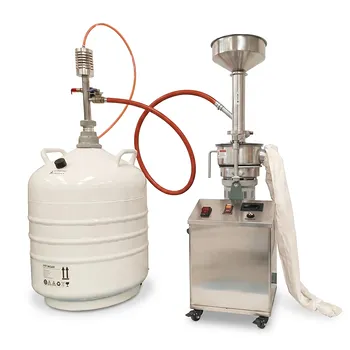
Laboratory Liquid Nitrogen Cryogenic Grinder Polymer Sample Preparation Pulverizer
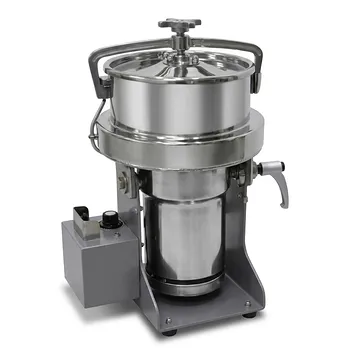
500g Capacity Water Cooled Low Temperature Grinder with Variable Speed and Safety Cover

High Energy Planetary Ball Mill for Nano Scale Grinding and Mechanical Alloying
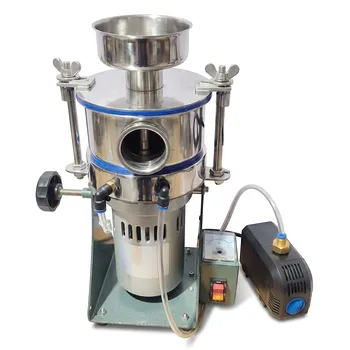
Water Cooled Airflow Ultra Fine Grinder for Low Temperature Material Processing

High Energy Laboratory Planetary Ball Mill for Nano Grinding and Material Science Sample Preparation
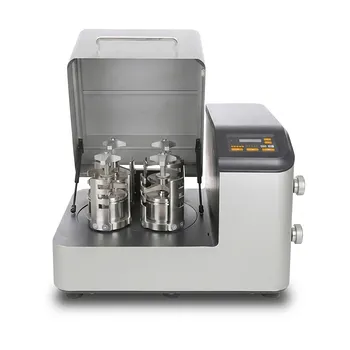
High Energy Planetary Ball Mill for Nano Scale Grinding and Colloidal Mixing in Material Science Research
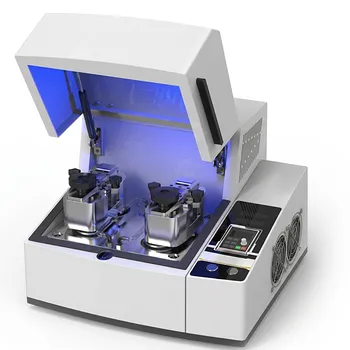
Laboratory Nano High Energy Ball Mill Ultrafine Grinding Mechanical Alloying

Vertical Square Planetary Ball Mill for Laboratory Sample Preparation and Nanoscale Grinding

Miniature Planetary Ball Mill with Vacuum Grinding and High Efficiency for Laboratory Sample Preparation