What is the primary purpose of utilizing a high-energy ball mill for HEC powder? Achieving Atomic-Level Uniformity
Updated 5 months ago
The primary purpose of utilizing a high-energy ball mill in the preparation of high-entropy carbide (HEC) powder raw materials is to achieve atomic-level uniform mixing and deep refinement of multi-component precursors. By applying intense mechanical impact and shear forces, the process forces various binary carbides, metallic powders, and graphite into a homogenous state. This creates the critical microstructural foundation necessary for the formation of a stable, single-phase solid solution during subsequent thermal processing.
High-energy ball milling acts as a mechanical alloying tool that transcends simple blending; it overcomes diffusion barriers to ensure each component is distributed uniformly at the atomic scale. This uniformity is the absolute prerequisite for synthesizing high-performance high-entropy ceramics with a consistent crystalline structure.
Facilitating Atomic-Scale Homogenization
Overcoming Diffusion Barriers
High-entropy carbides consist of five or more elements that must be distributed in near-equimolar ratios. The high-energy ball mill uses mechanical force to promote atomic inter-penetration in the solid state, effectively bypassing the natural diffusion barriers that exist between different metallic and carbide species.
Eliminating Component Segregation
In multi-component systems, elements often tend to cluster or segregate based on their chemical affinities. The repeated compression, cold welding, and fracturing occurring within the mill break down these clusters, ensuring a high degree of chemical uniformity that prevents localized phase separation during sintering.
Establishing the Single-Phase Foundation
The ultimate goal of HEC synthesis is the creation of a single-phase solid solution. By achieving atomic-level forced mixing during the powder stage, the mill ensures that the raw materials are "pre-configured" to transition into a unified lattice structure once heat is applied.
Mechanical Refinement and Increased Reactivity
Micro-Nano Scale Grain Refinement
The intense impact energy generated by high-speed rotation effectively crushes macroscopic particles and binary carbides (such as TiC, ZrC, and HfC) into micro-nano scale powders. This massive reduction in particle size significantly increases the surface-to-volume ratio of the raw materials.
Enhancing Chemical Reaction Activity
The mechanical alloying process imparts high energy to the powder particles, creating defects and increasing surface activity. This elevated energy state makes the powders much more reactive, which lowers the temperature and time required for the subsequent high-temperature sintering and phase formation.
Prevention of Powder Agglomeration
Through the continuous shearing action of the grinding media, the mill eliminates powder agglomeration. This ensures that even ultrafine particles remain distinct and manageable, which is essential for obtaining a uniform crystalline structure in the final ceramic product.
Understanding the Trade-offs and Constraints
Material Contamination Risks
The primary downside of high-energy ball milling is the potential for impurities introduced by the wear of the grinding balls and the mill vial. Because the process involves high-impact energy over extended periods, small amounts of the grinding media can shed and integrate into the HEC powder, potentially altering the final material properties.
Energy Intensity and Processing Time
Achieving true mechanical alloying is time-consuming, often requiring extended milling cycles (sometimes exceeding 36 hours). The high energy consumption and the need for cooling systems to manage the heat generated by friction make this an expensive stage of the production process.
Structural Lattice Distortion
While the goal is refinement, the sheer force of the mill can cause significant lattice distortion and strain within the powder particles. While often beneficial for reactivity, excessive strain can sometimes lead to unpredictable phase transitions if not carefully managed during the final sintering phase.
Optimizing Milling for Your Synthesis Goals
How to Apply This to Your Project
To achieve the best results when preparing high-entropy carbide powders, your milling strategy should align with your specific material requirements:
- If your primary focus is phase purity: Prioritize longer milling durations at moderate speeds to ensure atomic-level homogenization and prevent the formation of secondary binary phases.
- If your primary focus is rapid sintering: Increase the rotational speed (e.g., 600 rpm) to maximize grain refinement and surface activity, which accelerates densification during heat treatment.
- If your primary focus is minimizing contamination: Utilize grinding media made of the same material as one of your primary carbides (e.g., WC-based media) to ensure any wear debris is chemically compatible with the final HEC.
High-energy ball milling is the indispensable bridge that transforms discrete, coarse raw powders into a highly reactive, atomically uniform precursor ready for high-entropy synthesis.
Summary Table:
| Key Mechanism | Benefit for HEC Preparation |
|---|---|
| Atomic-Scale Homogenization | Overcomes diffusion barriers to prevent phase segregation. |
| Mechanical Alloying | Forces multi-component precursors into a single-phase foundation. |
| Micro-Nano Refinement | Increases surface-to-volume ratio for higher chemical reactivity. |
| Surface Activation | Lowers required sintering temperatures and processing time. |
| Cluster Elimination | Prevents powder agglomeration for a uniform crystalline structure. |
Optimize Your Advanced Material Synthesis with Expert Solutions
Achieving the perfect single-phase solid solution in high-entropy carbides requires precision at the atomic level. At our core, we provide complete laboratory sample preparation solutions tailored for material science, specializing in high-performance powder processing and compaction equipment.
Our extensive product lines are designed to meet the rigorous demands of advanced ceramic and alloy research:
- Advanced Milling & Grinding: Achieve ultimate refinement with our planetary ball mills, jet mills, liquid nitrogen cryogenic grinders, and rotor mills.
- Powder Processing: Ensure homogeneity with our powder and defoaming mixers, complemented by jaw/roll crushers and precise sieve shakers (vibratory/air-jet).
- High-Pressure Compaction: Master the final stage with our full spectrum of hydraulic presses, including Cold/Warm Isostatic Presses (CIP/WIP), vacuum hot presses, and XRF pellet presses.
Whether you are a researcher aiming for phase purity or a distributor seeking reliable OEM/ODM support and certified equipment, we bring unparalleled value to your workflow. Contact us today to enhance your lab's efficiency and material performance!
References
- Muhammad Waqas Qureshi, Izabela Szlufarska. Predictive screening of phase stability in high-entropy ceramics. DOI: 10.1039/d5ma00079c
Mentioned Products
- High Energy Planetary Ball Mill for Nano Scale Grinding and Mechanical Alloying
- High Energy Hybrid Vibratory Ball Mill for Grinding Mixing and Cell Disruption
- High Energy Laboratory Planetary Ball Mill for Nano Grinding and Material Science Sample Preparation
- High Energy Omnidirectional Planetary Ball Mill 16L
- Ultra-Low Temperature Cryogenic High-Energy Vibratory Ball Mill
People Also Ask
- Why is a high-energy planetary ball mill used for nano-milling As4Se3? Achieve Expert Structural Transformation
- What role do high-energy planetary ball mills play in FDM composite filament preparation? Optimize Material Performance
- What is the role of a high-energy planetary ball mill in the exfoliation of modified WSe2? Achieve Nano-Precision
- What is the function of a planetary ball mill in glass-ceramic sintering? Optimize Reactivity and Uniformity
- What is the role of a high-energy planetary ball mill in the preparation of high-performance nano-ceramics? Key Guide

Tech Team · PowderPreparation
Last updated on May 14, 2026
Related Products

High Energy Planetary Ball Mill for Nano Scale Grinding and Mechanical Alloying

High Energy Hybrid Vibratory Ball Mill for Grinding Mixing and Cell Disruption

High Energy Laboratory Planetary Ball Mill for Nano Grinding and Material Science Sample Preparation

High Energy Omnidirectional Planetary Ball Mill 16L

Ultra-Low Temperature Cryogenic High-Energy Vibratory Ball Mill
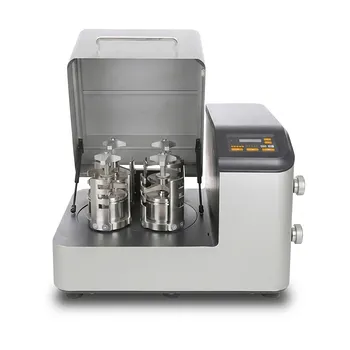
High Energy Planetary Ball Mill for Nano Scale Grinding and Colloidal Mixing in Material Science Research

Nano High Energy Vibratory Ball Mill with Heating and Temperature Control
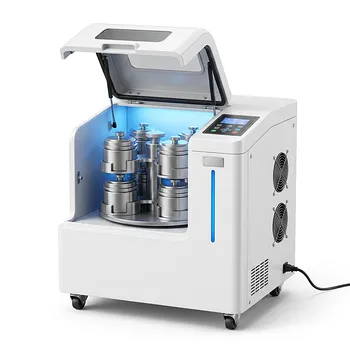
High Energy Omnidirectional Planetary Ball Mill 20L

High Energy Laboratory Planetary Ball Mill for Nano Grinding and Colloidal Mixing of Hard and Brittle Materials
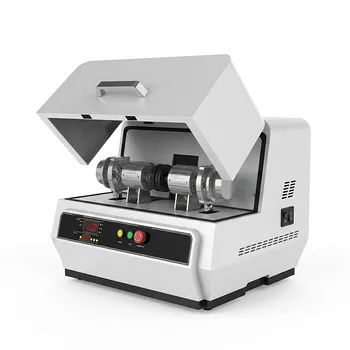
Dual Jar High Energy Vibratory Ball Mill

Multi-Platform Nanoscale High-Energy Vibratory Ball Mill
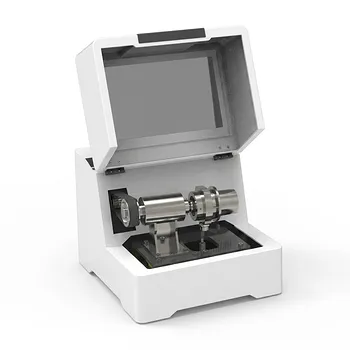
Single Tank High Energy Vibratory Ball Mill for Laboratory Grinding and Mixing

Nanoscale High-Energy Vibratory Ball Mill for Laboratory Sample Preparation, Mechanochemistry, and Mechanical Alloying

Heating Temperature Controlled High Energy Vibratory Ball Mill

Nano High Energy Vibratory Ball Mill for Laboratory Sample Preparation

Vertical Square Planetary Ball Mill for Laboratory Sample Preparation and Nanoscale Grinding
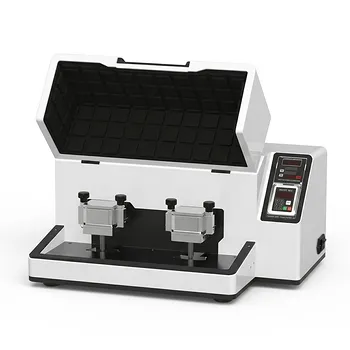
Nanoscale High Energy Vibratory Ball Mill Low Temperature

8L Planetary Ball Mill for Laboratory Grinding and Sample Preparation
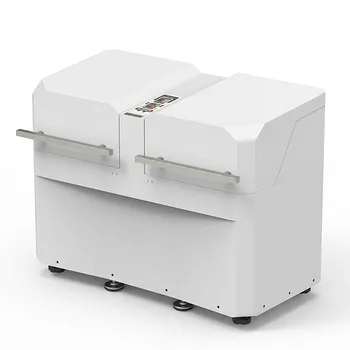
Dual Station Planetary Ball Mill 24L
