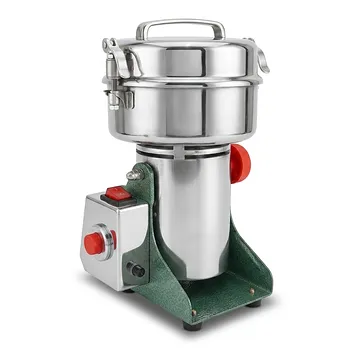
Why is a closed-loop laboratory ring mill essential for secondary fine grinding of PCBs? Achieve Total Metal Liberation
Updated 5 months ago
The closed-loop laboratory ring mill is the linchpin of PCB recycling because it achieves the precise particle size reduction—specifically below 300 microns—required for complete monomeric dissociation. By utilizing high-energy attrition, the mill physically detaches copper particles from their non-metallic resin and ceramic substrates. This liberation is the absolute prerequisite for high-purity metal recovery in downstream separation processes.
A closed-loop ring mill transforms pre-crushed PCB waste into a microscopic, liberated powder. This mechanical dissociation ensures that copper and non-metals exist as separate entities, allowing gravity separation equipment to function with maximum efficiency and purity.
Achieving Total Monomeric Dissociation
The Necessity of the <300 Micron Threshold
Printed circuit boards are complex, interwoven structures of metals, ceramics, and polymers. To recover high-purity copper, the material must be ground to a size where the metal is no longer bonded to the substrate.
The ring mill provides the intensive attrition action needed to reach a particle size below 300 microns. At this scale, the physical bonds between the copper and the fiberglass-reinforced epoxy are effectively broken.
Achieving Physical Liberation
If the grinding is insufficient, "middlings"—particles containing both metal and plastic—will persist. These composite particles contaminate the final product and reduce recovery rates.
The laboratory ring mill ensures monomeric dissociation, meaning each individual particle is composed of only one material type. This transition from a complex mixture to a liberated powder is what makes high-value recycling possible.
Optimizing Downstream Recovery Performance
Preparing for Gravity Separation
Downstream equipment, such as shaking tables or centrifugal separators, relies on the difference in density between copper and non-metals. However, these machines require a consistent, fine feed to work accurately.
By producing a uniform powder, the ring mill allows gravity separation tools to achieve the highest possible concentrate grades. Without this precise secondary grinding, the separation efficiency drops significantly.
Increasing Specific Surface Area
Beyond physical separation, fine grinding significantly increases the specific surface area of the PCB particles. This is a critical factor if the material is destined for subsequent chemical leaching or hydrometallurgical processing.
A higher surface area allows chemical reagents to react more fully and rapidly with the metal particles. This mirrors processes used in other industries, such as analyzing resin content, where high-speed cutting and fine grinding are essential for accurate chemical measurement.
Understanding the Trade-offs and Limitations
Heat Generation and Material Sensitivity
The high-energy attrition within a ring mill can generate significant frictional heat. If not managed, this heat can soften the polymers within the PCB, leading to "smearing" or clogging of the milling media.
This is why a closed-loop system or controlled batch processing is vital. It helps manage the thermal load and ensures the material remains brittle enough for effective fracture and liberation.
Media Wear and Maintenance
PCBs contain abrasive ceramic reinforcements and glass fibers that cause significant wear on the grinding rings. Using high-quality, wear-resistant materials like tungsten carbide or hardened steel for the ring sets is necessary to prevent sample contamination.
Regular inspection of the milling components is required to maintain the grinding efficiency. As the rings wear down, the precision of the 300-micron threshold may drift, requiring adjustment or replacement of the media.
How to Apply This to Your PCB Recovery Project
Making the Right Choice for Your Goal
To maximize the value of your PCB recycling process, your grinding strategy must align with your final recovery method and purity requirements.
- If your primary focus is High-Purity Copper Recovery: Utilize the ring mill to achieve a strict <300-micron output to ensure total dissociation before gravity separation.
- If your primary focus is Chemical Leaching/Hydrometallurgy: Prioritize maximizing specific surface area through fine grinding to reduce the residence time required for chemical reactions.
- If your primary focus is High-Throughput Pre-Processing: Use a multi-stage approach, employing knife mills for initial reduction to 1mm before using the ring mill for the final fine-grinding stage.
A precisely calibrated secondary grinding stage is the difference between a low-value waste mix and a high-purity metallic concentrate.
Summary Table:
| Feature | Specification/Benefit |
|---|---|
| Primary Application | Secondary fine grinding for PCB recycling |
| Target Particle Size | < 300 microns |
| Core Mechanism | High-energy attrition for monomeric dissociation |
| Key Outcome | Complete separation of copper from resin/ceramic substrates |
| Downstream Impact | Maximizes efficiency of gravity separation and chemical leaching |
| Recommended Media | Wear-resistant Tungsten Carbide or Hardened Steel |
Elevate Your Material Recovery with Precision Laboratory Solutions
At [Brand Name], we provide complete laboratory sample preparation solutions for material science, specializing in advanced powder processing and compaction equipment. Whether you are focusing on high-purity metal recovery from PCBs or complex material analysis, our extensive range of equipment is designed to deliver consistent, microscopic results.
Our specialized product lines include:
- Grinding & Milling: Disc mills, planetary ball mills, jet mills, and liquid nitrogen cryogenic grinders for heat-sensitive materials.
- Crushing & Sieving: Jaw/roll crushers and vibratory/air-jet sieve shakers.
- Compaction Excellence: A full spectrum of hydraulic presses, including Cold/Warm Isostatic Presses (CIP/WIP), XRF pellet presses, and vacuum hot presses.
- Mixing: Powder mixers and vacuum defoaming mixers for uniform material preparation.
Don't let inefficient grinding compromise your recovery rates. Partner with us to optimize your laboratory workflow with equipment built for durability and precision.
Contact our technical experts today to find your solution!
References
- Özge Adan Gök, Şen Akar. Recovery of copper from printed circuit boards (PCBs) using shaking table. DOI: 10.2298/jsc230316056g
Mentioned Products
- Laboratory Disc Mill Medium Hard Material Grinding Coal Coke Ore Pulverizer
- Laboratory Disc Mill for Fine Sample Preparation of Hard and Brittle Materials
- High Efficiency High Speed Grinder Laboratory Mill 1300W 25000rpm
- Laboratory Hammer Mill for Coal Quality Analysis and Brittle Mineral Grinding
- High Speed Laboratory Grinder Efficient Stainless Steel Powder Pulverizer Universal Material Science Mill for Sample Preparation
People Also Ask
- What is the primary function of a laboratory disc mill for oyster shells? Boost Reactivity & Analytical Precision
- What is the function of a laboratory mill in Cassia tora L. seed analysis? Master Precision Thermal Data Prep.
- What is the purpose of using a laboratory mill to grind dried precipitates? Optimize TiO2/AuNRs Catalyst Homogeneity
- What role does a laboratory mill play in the study of lignite coal co-combustion? Optimizing Fuel Blends and Reactivity
- What function does a laboratory mill serve in corn starch saccharification experiments? Optimize Surface Area & Reactions

Tech Team · PowderPreparation
Last updated on May 14, 2026
Related Products
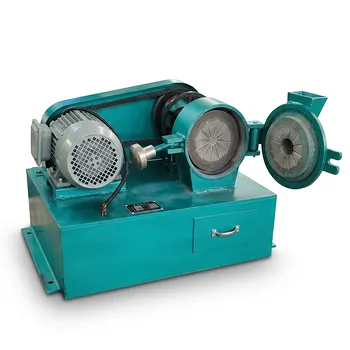
Laboratory Disc Mill Medium Hard Material Grinding Coal Coke Ore Pulverizer
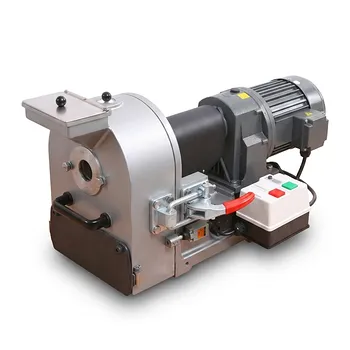
Laboratory Disc Mill for Fine Sample Preparation of Hard and Brittle Materials
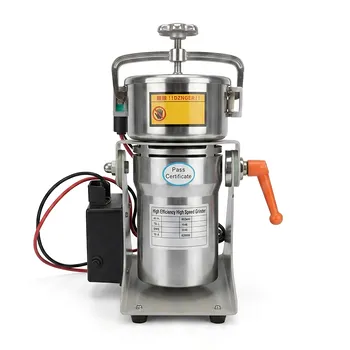
High Efficiency High Speed Grinder Laboratory Mill 1300W 25000rpm
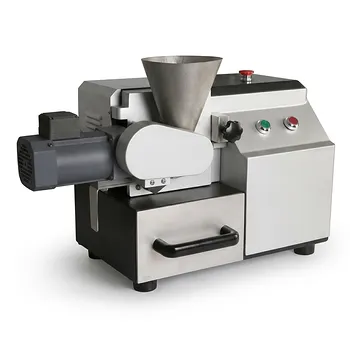
Laboratory Hammer Mill for Coal Quality Analysis and Brittle Mineral Grinding
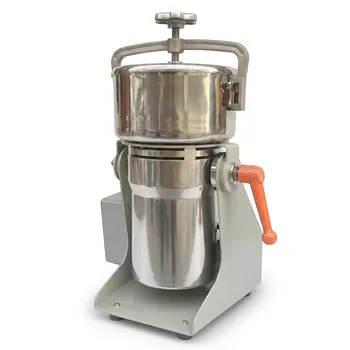
High Speed Laboratory Grinder Efficient Stainless Steel Powder Pulverizer Universal Material Science Mill for Sample Preparation
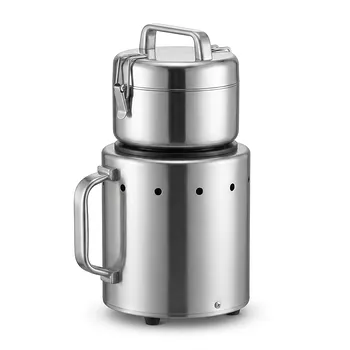
Small High Speed Grinder for Laboratory Sample Preparation
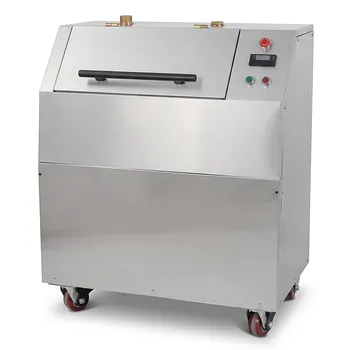
Vibratory Disc Mill for Rapid Fine Grinding and High Throughput Sample Preparation of Hard and Brittle Materials
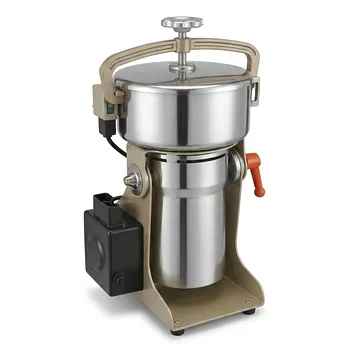
Multifunctional High Efficiency High Speed Laboratory Grinder

360° Rotating Omnidirectional Laboratory Planetary Ball Mill for Homogeneous Ultra-Fine Grinding and Mixing
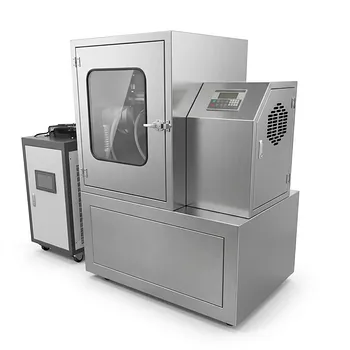
Vibratory Superfine Grinder for Ultra Fine Laboratory Powder Milling
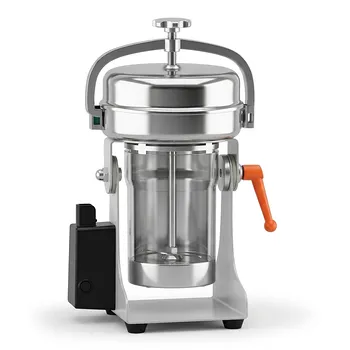
High Efficiency High Speed Grinder 2200W 25000 RPM Laboratory Sample Preparation
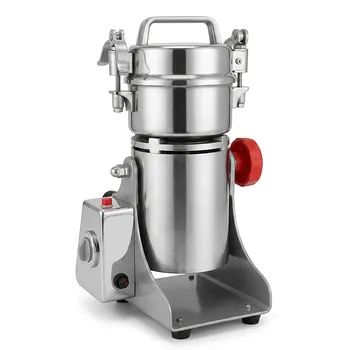
Industrial High Speed Small Sample Pulverizer Swing Type Laboratory Grinder for Powder Processing
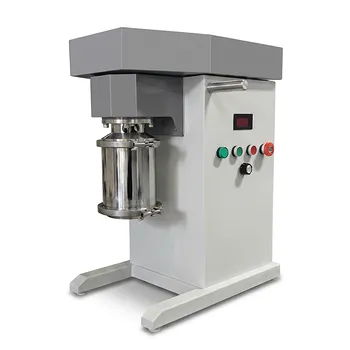
Nano Laboratory Bead Mill Desktop Sub Micron Sand Mill Screenless Seal Less Powder Grinder
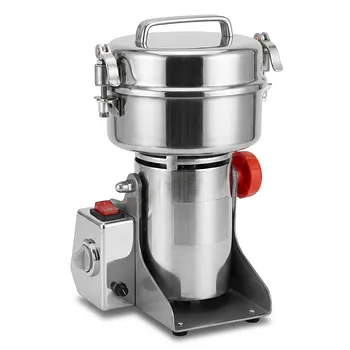
High Speed Laboratory Powder Grinder Small Batch Sample Preparation Mill
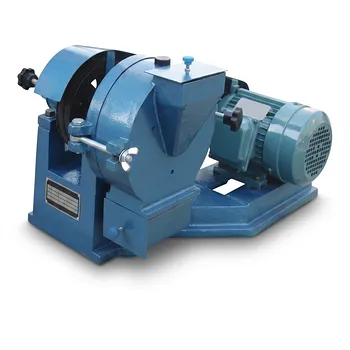
Laboratory Disc Mill for Ore and Mineral Sample Preparation
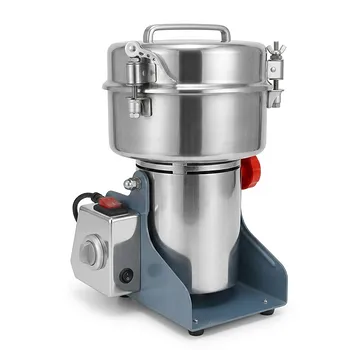
Small High-Speed Grinder for Efficient Laboratory Sample Preparation
Laboratory Ultrafine Impact and Airflow Grinder for Precise Particle Size Control
Small High-Speed Swing Grinder for Laboratory Sample Preparation
Laboratory Desktop Ultra Fine Powder Grinder High Speed Micronizing Pulverizer