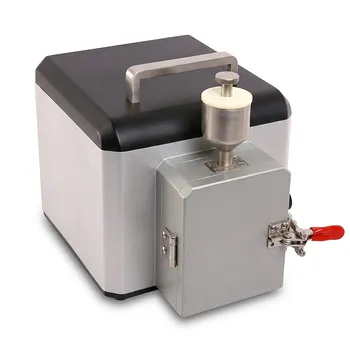
What role does a laboratory hammer mill play in composite powder prep? Precision Grinding for Uniform Blending.
Updated 5 months ago
The laboratory hammer mill is the primary mechanical tool for pulverizing hardened grains and legumes into standardized fine powders. By subjecting materials like malted sorghum and sprouted mung beans to high-speed impacts, the mill breaks down dense cellular structures to achieve a specific particle size. This mechanical reduction is essential for ensuring the final composite powder is soluble, processable, and ready for uniform blending.
The laboratory hammer mill serves as a critical bridge between raw agricultural materials and functional composite powders, using high-speed impact and screening to control particle size. This process is fundamental to achieving the solubility and physical uniformity required for high-quality food and industrial applications.
The Mechanics of Particle Size Reduction
High-Velocity Impact Dynamics
The core function of the hammer mill involves high-speed rotating hammers that strike the incoming dried grains. For materials like malted sorghum and sprouted mung beans, these impacts provide the necessary kinetic energy to shatter hard plant tissues.
Precision Control through Internal Screening
Integrated metal screens within the milling chamber act as a filtration system. Only particles that have been reduced to a size smaller than the screen apertures are allowed to pass through, ensuring the output meets a precise specification.
Surface Area Maximization
By crushing grains into fine particles, the mill dramatically increases the total surface area of the material. This is a vital prerequisite for any subsequent processing that requires rapid hydration or chemical reactivity.
Impact on Powder Functionality
Enhancing Solubility and Dispersion
The reduction of grain tissues into fine powder directly improves how the material interacts with liquids. Smaller particles distribute more evenly in solution, which is a key requirement for the solubility of composite food powders.
Improving Processing Characteristics
Standardized particle sizes allow for more predictable behavior during downstream manufacturing. Whether the powder is being sieved, extruded, or molded, the uniformity provided by the hammer mill ensures consistent flow and reaction times.
Facilitating Uniform Blending
Composite powders require a high degree of physical uniformity to prevent local compositional bias. By ensuring that different ingredients—such as sorghum and mung beans—are milled to similar sizes, the hammer mill prepares them for homogeneous mixing in a powder mixer.
Understanding the Trade-offs
Heat Generation and Thermal Sensitivity
The high-speed friction inherent in hammer milling can generate significant thermal energy. For bio-based materials like sprouted mung beans, excessive heat may lead to the degradation of sensitive nutrients or alterations in flavor profiles.
Noise and Dust Management
Hammer mills are high-energy machines that produce significant noise and airborne dust. In a laboratory setting, this requires secondary systems for dust extraction and acoustic shielding to maintain a safe and clean working environment.
Potential for Over-Milling
While fine particles are generally desirable, over-milling can lead to a powder that is too light or prone to clumping due to static electricity. Finding the balance between the "fine" requirement and the "handling" requirement is a common challenge for technicians.
Making the Right Choice for Your Goal
How to Apply This to Your Project
Achieving the perfect composite powder requires aligning your milling parameters with your final product requirements.
- If your primary focus is Maximum Solubility: Utilize the smallest available screen size to maximize surface area, though you must monitor for heat buildup.
- If your primary focus is Uniform Blending: Ensure all components of your composite powder (e.g., sorghum and beans) are processed through the same screen mesh to prevent ingredient segregation.
- If your primary focus is Nutrient Retention: Operate the mill in short bursts or utilize cooling intervals to prevent the mechanical heat from damaging the sprouted bean tissues.
By mastering the mechanical output of the laboratory hammer mill, you ensure that your composite powders possess the structural integrity and functional consistency required for professional-grade formulations.
Summary Table:
| Feature/Process | Function in Powder Preparation | Benefit for Composite Materials |
|---|---|---|
| High-Speed Impact | Shatters hard grains/legumes (sorghum/beans) | Efficient reduction of dense cellular structures |
| Internal Screening | Filters particles by size through metal screens | Ensures precise particle size distribution (PSD) |
| Surface Area Boost | Increases total material surface area | Maximizes solubility and chemical reactivity |
| Homogeneous Mixing | Standardizes sizes for various ingredients | Prevents segregation for uniform composite blends |
| Thermal Management | Monitored friction and heat output | Protects nutrients and flavor in bio-based materials |
Elevate Your Material Science Research with Precision Powder Solutions
At [Brand Name], we specialize in providing complete laboratory sample preparation solutions tailored for material science and food engineering. Whether you are working with agricultural composites or advanced industrial materials, our high-performance equipment ensures consistency and reliability from raw material to final pellet.
Our Comprehensive Product Line Includes:
- Size Reduction: Laboratory Hammer Mills, Crushers (Jaw/Roll), Liquid Nitrogen Cryogenic Grinders, and various Mills (Planetary Ball, Jet, Sand, Disc, Rotor).
- Classification & Mixing: Vibratory/Air-Jet Sieve Shakers and high-efficiency Powder & Defoaming Mixers.
- Compaction & Pressing: A full spectrum of Hydraulic Presses, including Cold/Warm Isostatic Presses (CIP/WIP), XRF Pellet Presses, and Vacuum Hot Presses.
Ready to achieve superior solubility and uniformity in your formulations? Contact our technical team today to find the perfect fit for your lab!
References
- Victor Edet Ntukidem, Sunday Edet Enidiok. Optimization of the Proximate Composition and Functional Properties of a Composite Flour Formulated from Date Fruit, Sprouted Mung Bean, and Malted Sorghum Using Response Surface Methodology. DOI: 10.54536/ajfst.v4i2.5552
Mentioned Products
- Laboratory Hammer Mill for Coal Quality Analysis and Brittle Mineral Grinding
- Customized Sealed Laboratory Hammer Crusher for Coal and Medium Hardness Sample Preparation
- Laboratory Sealed Hammer Crushers for Coal Sample Preparation and Medium Strength Material Crushing
- Sealed Hammer Crusher for Laboratory Coal Sample Preparation Adjustable Output Size
- Laboratory Sealed Hammer Crusher for Coal and Mineral Sample Preparation
People Also Ask
- What role does a laboratory hammer mill play in bio-based particleboard prep? Optimize Feedstock for Better Bonding
- What role does a laboratory mill play in the study of lignite coal co-combustion? Optimizing Fuel Blends and Reactivity
- What is the purpose of using a laboratory mill to grind dried precipitates? Optimize TiO2/AuNRs Catalyst Homogeneity
- What is the function of a laboratory mill in Cassia tora L. seed analysis? Master Precision Thermal Data Prep.
- What function does a laboratory mill serve in corn starch saccharification experiments? Optimize Surface Area & Reactions

Tech Team · PowderPreparation
Last updated on May 14, 2026
Related Products
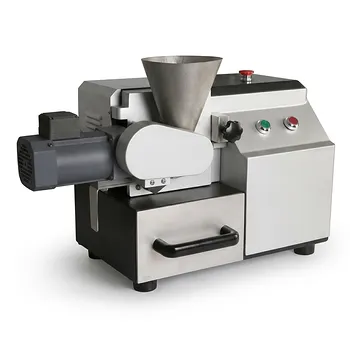
Laboratory Hammer Mill for Coal Quality Analysis and Brittle Mineral Grinding
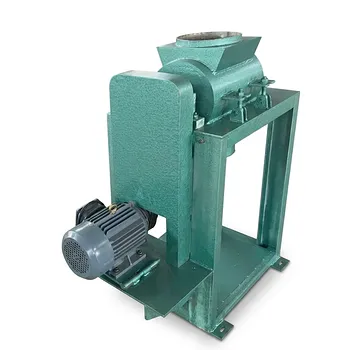
Customized Sealed Laboratory Hammer Crusher for Coal and Medium Hardness Sample Preparation
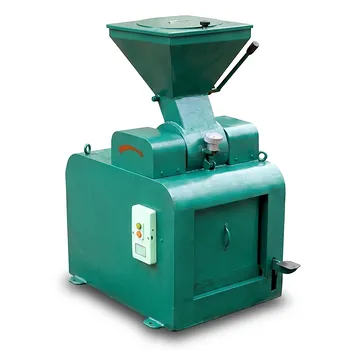
Laboratory Sealed Hammer Crushers for Coal Sample Preparation and Medium Strength Material Crushing
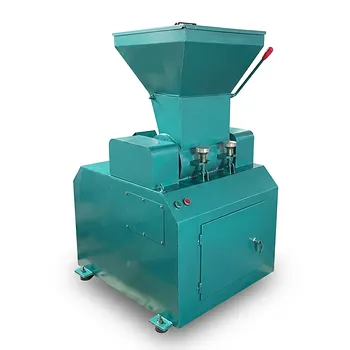
Sealed Hammer Crusher for Laboratory Coal Sample Preparation Adjustable Output Size
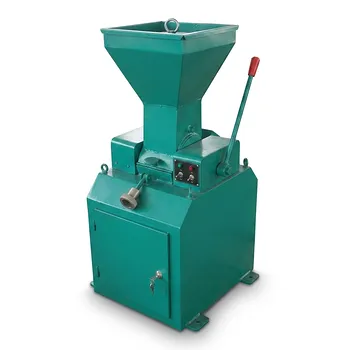
Laboratory Sealed Hammer Crusher for Coal and Mineral Sample Preparation
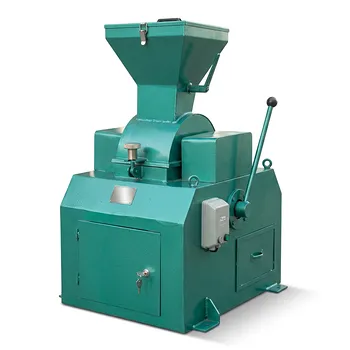
Laboratory Sealed Hammer Blade Crusher Divider for High Hardness Sample Preparation
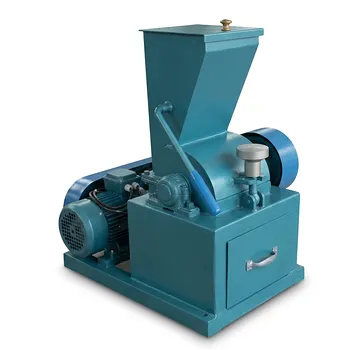
Small Hammer Crusher for Brittle Material Crushing in Mining Metallurgy and Lab Sample Preparation
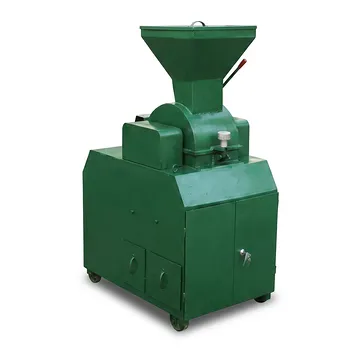
Industrial Sealed Hammer Knife Crusher for Mining Ore and Coal Sample Preparation
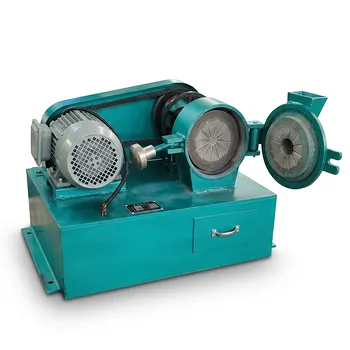
Laboratory Disc Mill Medium Hard Material Grinding Coal Coke Ore Pulverizer
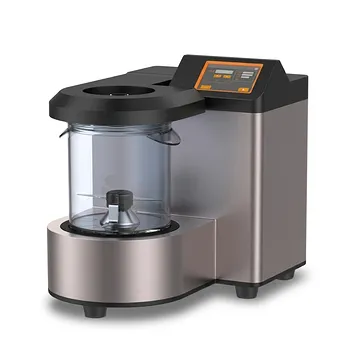
Laboratory Knife Mill for Large Volume Sample Homogenization and Food Preparation
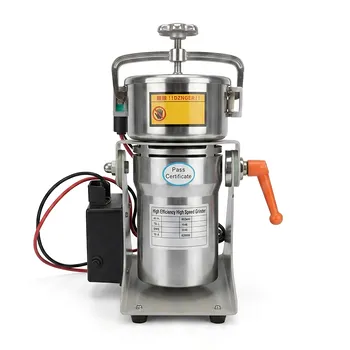
High Efficiency High Speed Grinder Laboratory Mill 1300W 25000rpm
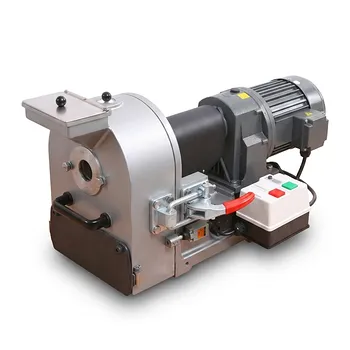
Laboratory Disc Mill for Fine Sample Preparation of Hard and Brittle Materials
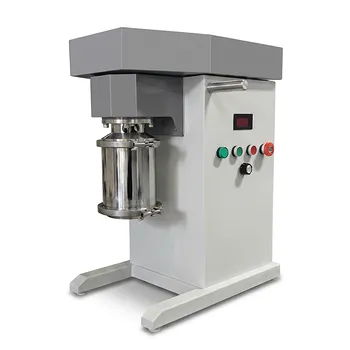
Nano Laboratory Bead Mill Desktop Sub Micron Sand Mill Screenless Seal Less Powder Grinder
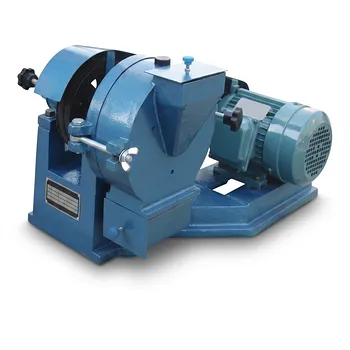
Laboratory Disc Mill for Ore and Mineral Sample Preparation
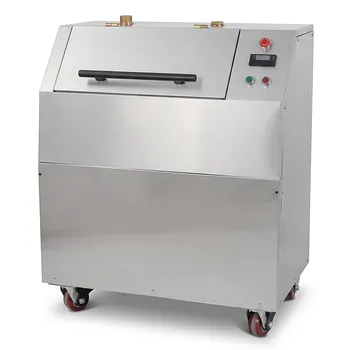
Vibratory Disc Mill for Rapid Fine Grinding and High Throughput Sample Preparation of Hard and Brittle Materials
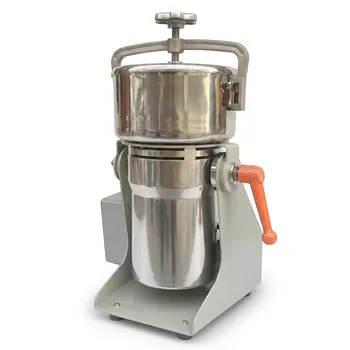
High Speed Laboratory Grinder Efficient Stainless Steel Powder Pulverizer Universal Material Science Mill for Sample Preparation
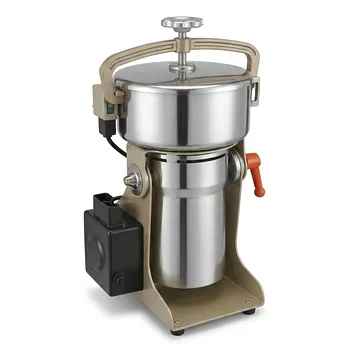
Multifunctional High Efficiency High Speed Laboratory Grinder
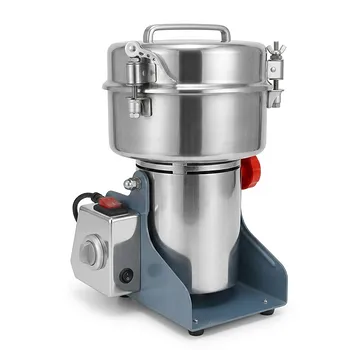
Small High-Speed Grinder for Efficient Laboratory Sample Preparation
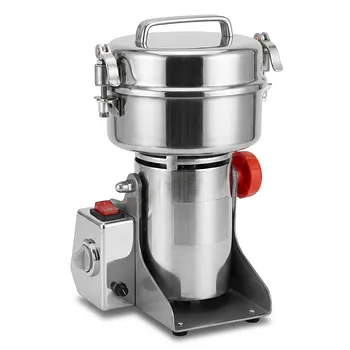
High Speed Laboratory Powder Grinder Small Batch Sample Preparation Mill